You've got a box. Maybe it's a wooden keepsake box from a craft store, a worn-out cardboard shoebox, or a plain plastic storage bin. You want to give it a new life, a touch of personality, or just protect its contents from scratches. Lining it with fabric is the perfect solution. It sounds simple, but if you've ever tried it and ended up with lumpy corners, frayed edges, or fabric that peels off after a week, you know it can be tricky. After lining dozens of boxes for everything from jewelry to tools, I've refined a method that works every time. Let's skip the frustration and get it right.
What's Inside This Guide
- Why Bother Lining a Box with Fabric?
- Gathering Your Arsenal: Tools & Materials Deep Dive
- Step 1: The Critical Box Prep Everyone Skips
- Step 2: Measuring & Cutting Fabric (The Math That Matters)
- Step 3: The Glue-Down Process: A Tactical Approach
- Pro Finishes & Creative Upgrades
- Your Fabric Lining Questions, Answered
Why Bother Lining a Box with Fabric?
It's more than just making things pretty. A good fabric lining adds a layer of protection. It prevents delicate items like jewelry from getting scratched by rough wood or seams. It absorbs minor moisture and condensation, which is crucial for storing metal tools or family photos. It dramatically reduces dust accumulation inside open storage boxes. And yes, it transforms a generic container into something that feels special and intentional. Think of it as the difference between storing your grandmother's letters in a dusty cardboard box versus a soft, velvet-lined treasure chest. The function creates the feeling.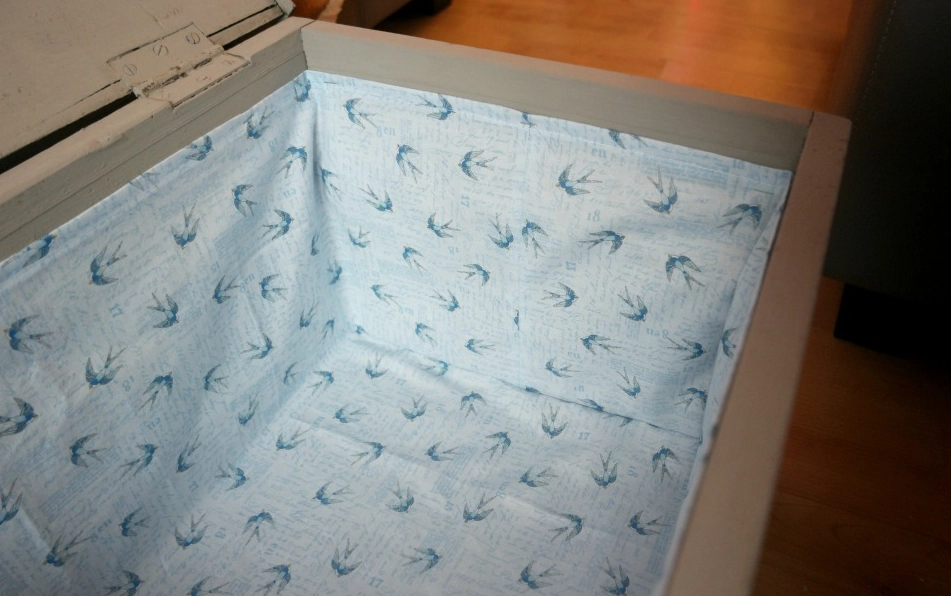
Gathering Your Arsenal: Tools & Materials Deep Dive
Getting the right stuff makes all the difference. This isn't about buying the most expensive products, but the right ones for the job.
The Fabric: Your Foundation
Skip the stretchy knits and slippery satins for your first project. They're a nightmare to handle. Go for natural fibers with a tight weave.
- Cotton & Cotton Blends: Quilting cotton is a champion here. It's stable, comes in endless patterns, and is easy to glue. Linen looks beautiful but can wrinkle easily.
- Felt: A fantastic beginner choice. It doesn't fray, so you don't need to finish edges. It's also forgiving with glue. The downside? It can look a bit crafty and holds dust.
- Flannel or Fleece: Perfect for a super soft, padded lining. Great for jewelry boxes. They add cushioning but can be bulkier in corners.
Pre-wash your fabric if it's natural fiber. You don't want it to shrink after it's glued down. Trust me, I learned that the hard way with a perfectly lined box that suddenly developed puckered sides.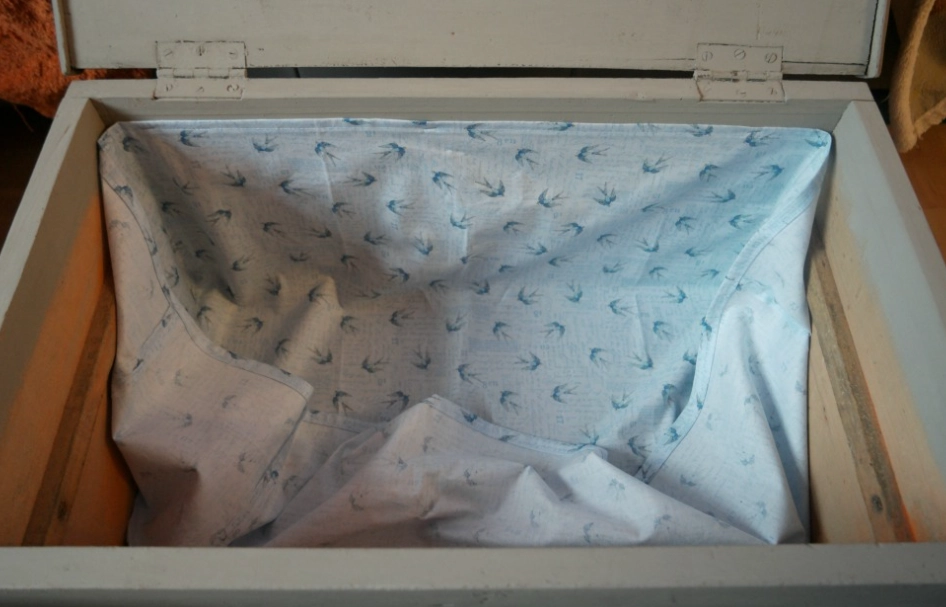
The Adhesive: The Make-or-Break Choice
This is where most tutorials give vague advice. "Use craft glue." Which one? They're not all the same.
| Adhesive Type | Best For | Pros | Cons & Watch-Outs |
|---|---|---|---|
| White PVA Craft Glue (e.g., Aleene's Tacky Glue) | Paper, cardboard, porous wood, fabric-to-fabric. | Dries clear, flexible, water-soluble for cleanup, non-toxic. | Can warp thin paper or cardboard if applied too heavily. Slow drying time requires clamping/pinning. |
| Spray Adhesive (High-Strength) | Large, flat areas on rigid materials like wood or thick cardboard. | Even, thin application, instant tack, no warping. | Messy overspray, requires ventilation, permanent. Difficult to reposition. Can soak through thin fabric. |
| Mod Podge or Decoupage Medium | Creating a stiff, sealed fabric surface (almost like laminate). | Acts as glue and topcoat, very secure, dries clear. | Can make fabric feel stiff/crunchy. Application must be even to avoid streaks. |
| Double-Sided Fusible Web (e.g., Heat'n'Bond) | Fabric-to-fabric layers (adding a liner). | Clean, no liquid mess, creates a strong bond. | Requires an iron, which you can't use on many finished box materials. Not for fabric-to-wood. |
My personal workhorse for most projects is a high-quality white craft glue, thinned slightly with a few drops of water. It gives you a long working time to smooth out bubbles, dries flexible, and holds for years. I avoid hot glue for full linings—it creates ridges, doesn't flatten well, and can fail in temperature changes.
Other Essential Tools
- Sharp Fabric Scissors & a Craft Knife: For clean cuts.
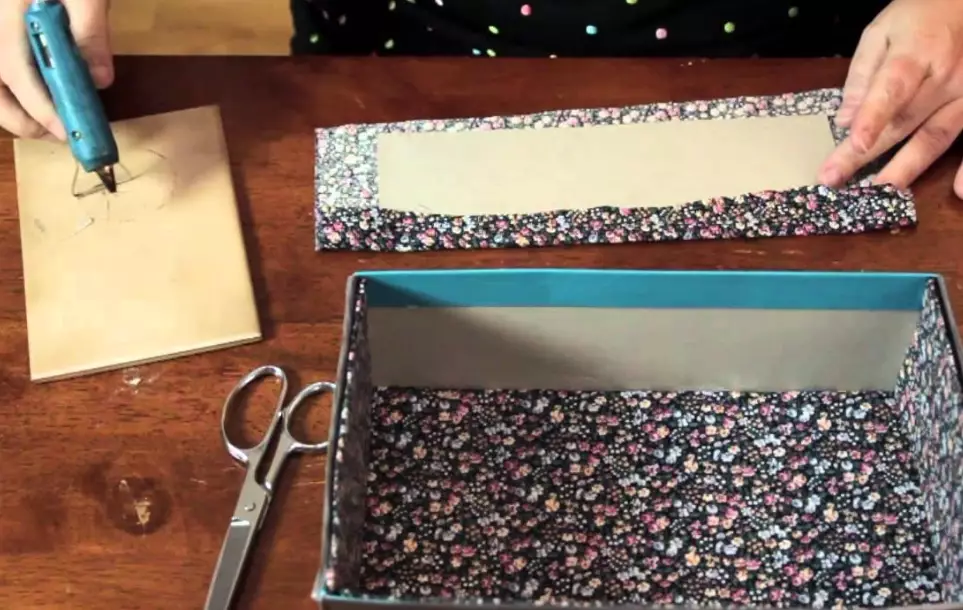
- A Ruler and Measuring Tape: Metal rulers are best for cutting against.
- Pins or Clips: To hold fabric in place while glue dries. Sewing clips are better than pins for thick boxes.
- A Bone Folder or Spoon: For burnishing fabric into corners and seams. This is crucial for a sharp finish.
- A Small Roller: A brayer or even a clean jar helps apply even pressure.
Step 1: The Critical Box Prep Everyone Skips
Don't just grab the fabric. Prep the box determines if your lining stays put.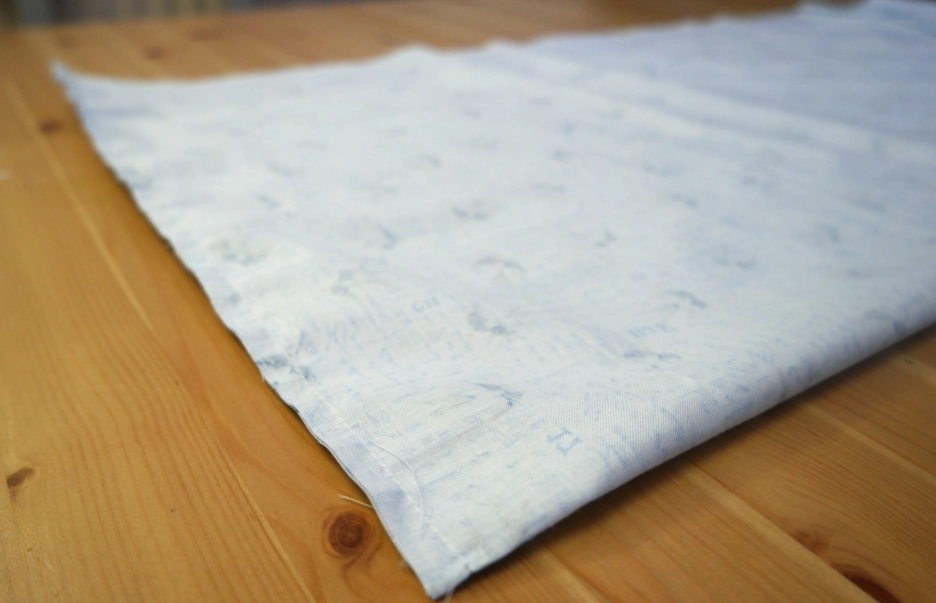
For wooden boxes, sand the interior lightly with fine-grit sandpaper (220-grit). This roughens the surface for the glue to grip. Wipe away all dust with a slightly damp cloth. Let it dry completely. If the wood is very porous or resinous, a thin seal coat of diluted white glue (1:1 with water) can prevent stains.
For cardboard boxes, stability is key. If the box feels flimsy, reinforce the inside corners with strips of masking tape. Ensure the interior is clean and dry. Avoid getting cardboard too wet.
For plastic or metal boxes, cleaning is paramount. Wash with soapy water, then wipe with rubbing alcohol to remove any oils or mold release agents. Glue does not stick to slick, dirty surfaces.
Step 2: Measuring & Cutting Fabric (The Math That Matters)
This is the step that causes the most waste and frustration. You need five pieces: one for the bottom, and one for each of the four sides.
For the Bottom Piece: Measure the length and width of the box's interior. Now add twice the height of the box walls, plus an extra 1 inch (2.5 cm) for each side. Why? This extra fabric will run up the sides and be hidden under the side lining pieces, giving you a clean, professional look with no raw edges visible.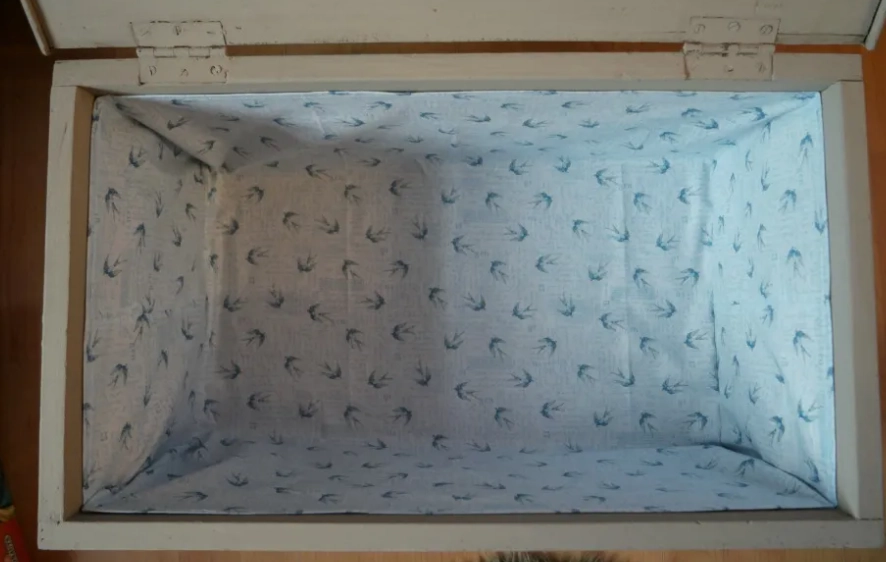
Example: Box interior is 8" x 5" with 3" high walls.
Bottom fabric piece = (8" + 3" + 3" + 1" + 1") by (5" + 3" + 3" + 1" + 1") = 16" x 13".
For the Side Pieces: Measure the height and length of each interior wall. Add 1 inch (2.5 cm) to both the height and the length. The extra height will fold over the top edge; the extra length allows for a slight overlap at the corners.
Cut all pieces with sharp scissors. If using woven fabric, you can fray-check the edges or pink them, but since they'll be glued down and overlapped, it's often not necessary.
Step 3: The Glue-Down Process: A Tactical Approach
Work in this order: Bottom first, then sides.
Lining the Bottom
Apply a thin, even layer of glue to the box's interior bottom. Don't glue the fabric yet. Carefully center your large bottom fabric piece over the glued area. Lower it down, starting from the center. Use your bone folder to smooth it outwards, pushing air bubbles to the edges. Once flat, fold the excess fabric up each side and press it temporarily against the walls with clips. Don't glue these flaps yet.
Lining the Sides
Apply glue to one interior side wall. Take the corresponding fabric piece. Press the top edge over the lip of the box first, using the extra inch to wrap to the outside or tuck under. Then smooth the fabric down the wall. The bottom edge should overlap the bottom fabric flap. Use the bone folder to crease a sharp line in the corner where the wall meets the bottom. Repeat for the opposite side, then the remaining two sides.
For the corners, you have two options: Butt the edges for a clean seam, or overlap them. Overlapping is more forgiving. Whichever you choose, put a dab of glue between the layers at the corner and burnish firmly with the bone folder.
Finally, go back and glue down the bottom fabric flaps over the bottom edges of the side pieces. This sandwiches all raw edges, giving you that pristine interior look.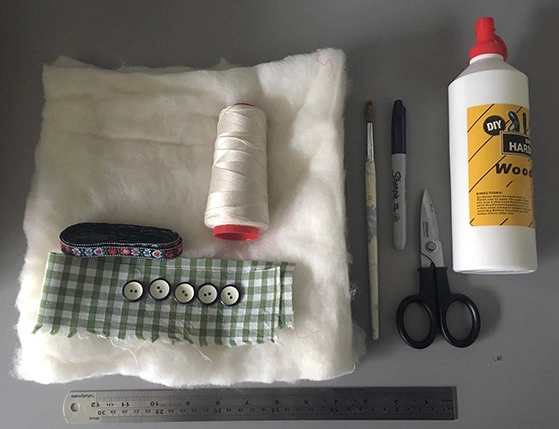
Pro Finishes & Creative Upgrades
Once the basic lining is dry, you can level up.
Adding a Dedicated Liner: Cut a piece of thin batting, flannel, or even felt to the exact interior bottom dimensions. Glue it on top of your finished fabric lining for extra cushion. This is ideal for jewelry.
Finishing the Top Edge: If the box wall is thick, the raw fabric edge at the top can be unsightly. Glue on a length of ribbon, bias tape, or a thin strip of coordinating fabric to cover it.
Dividers & Compartments: Measure and cut pieces of chipboard or thin plywood. Line them with fabric separately, then glue them into the box to create sections.
The goal is to make the interior feel as considered as the exterior. It's that hidden detail that makes a piece feel valuable.
Your Fabric Lining Questions, Answered
What's the best fabric to prevent wrinkles when lining a box?
Can I line a box with fabric without using any glue?
How do I line a round or oval box with fabric?
My fabric lining is bubbling after it dried. Can I fix it?
How do I choose a fabric glue for a box that will hold heavy items?