Let's cut to the chase. You're here because you're tired of guessing. You've read the marketing claims—"silky smooth," "hyper-breathable," "eco-friendly"—and now you want the real, unfiltered breakdown between bamboo and cotton sheets. I spent years selling bedding, and the number one question I got was this exact one. The answer isn't a simple "one is better." It's about which one is better for you, based on how you sleep, what you value, and even your laundry habits.
After testing dozens of sets myself (and dealing with the returns and complaints), here's the core takeaway: Bamboo viscose sheets are champions of temperature regulation and silky softness, making them ideal for hot sleepers and sensitive skin. High-quality, long-staple cotton sheets (like Egyptian or Pima) win on durability, classic crispness, and ease of care, offering a timeless, reliable feel.
What's Inside This Guide
What Are Bamboo Sheets, Really? (It's Not What You Think)
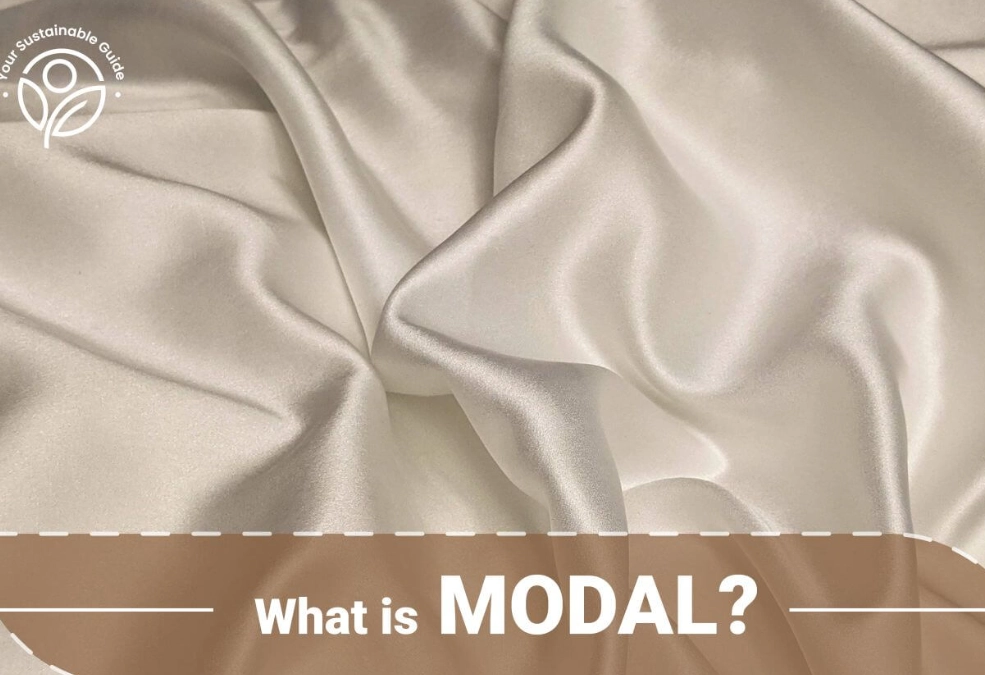
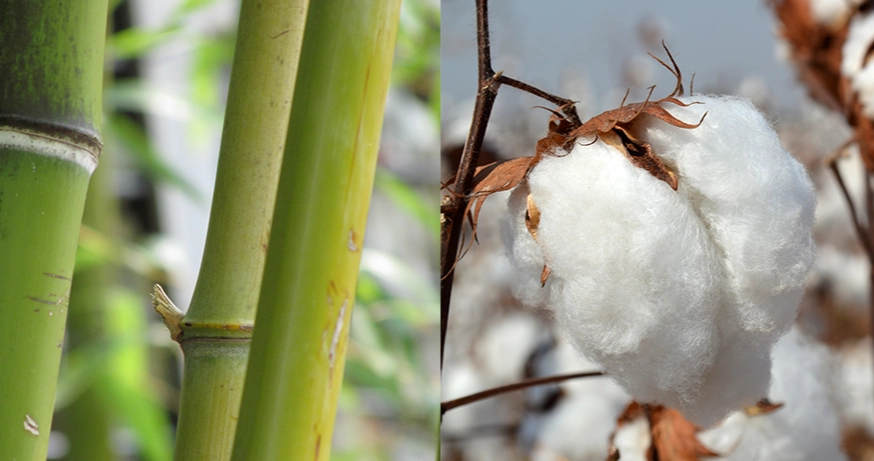
This is the biggest point of confusion. When you buy "bamboo sheets," you're almost never getting woven bamboo grass. You're buying bamboo viscose or bamboo lyocell (often branded as Tencel™ Lyocell).
Here’s the process: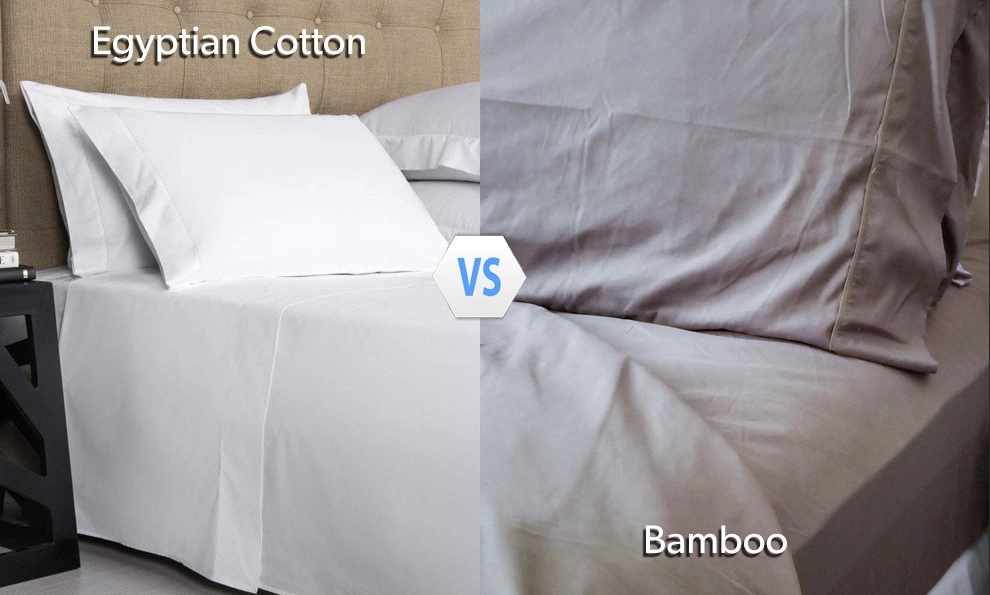
Bamboo pulp is chemically dissolved into a viscous solution, then extruded through tiny holes to create fibers, which are then spun into yarn. The main difference between viscose and lyocell is the solvent used; lyocell uses a non-toxic, closed-loop system that's more environmentally friendly.
I made the mistake early on of assuming "bamboo" meant it was somehow more natural than cotton. It's a processed fabric. Its eco-credentials depend heavily on the manufacturer's transparency about forestry and chemical use. Don't just take the "green" label at face value.
Cotton is more straightforward. The quality hinges on the fiber length (staple).
- Upland/Regular Cotton: Shorter staples. Can be prone to pilling, less soft, and less durable. Common in budget sets.
- Long-Staple Cotton (Pima, Supima®, Egyptian): Fibers are longer and stronger. They create smoother, more lustrous yarns that resist pilling and soften beautifully over time. This is what you're paying for in premium sets.
Bamboo vs Cotton: The 5-Point Showdown
Let's get into the nitty-gritty. This table gives you the snapshot, but the details below are where the real insights live.
| Feature | Bamboo Viscose/Lyocell Sheets | Long-Staple Cotton Sheets (e.g., Pima, Egyptian) |
|---|---|---|
| Feel & Texture | Silky, fluid, and drapey. Cool to the touch. Often compared to high-thread-count sateen. | Varied: Percale is crisp & cool; Sateen is smooth & slightly warm. Builds a soft patina. |
| Breathability & Temperature | Exceptional. Fibers are highly absorbent, wicking moisture away rapidly. Best for night sweats. | Very Good (Percale) to Moderate (Sateen). Percale's tight weave promotes airflow. Sateen can trap more heat. |
| Durability & Care | More delicate. Can snag. Requires gentle cycles, cool water, low heat. Avoid fabric softeners. | More robust. Withstands hotter washes and higher dryer heat. Long staples resist pilling. |
| For Sensitive Skin | Often excellent. Naturally smoother fibers with fewer protruding ends to irritate skin. | Good, especially after washing. Look for GOTS-certified organic cotton to avoid chemical residues. |
| Price & Value | Mid to high-range. Price reflects process, not always longevity. | Wide range. High-quality long-staple is an investment that lasts decades. |
Breathability: The Hot Sleeper's Deciding Factor
If you sleep hot, this is where bamboo pulls ahead. The fibers have microscopic gaps that absorb and evaporate moisture (like sweat) incredibly fast. It's not just about feeling cool initially; it's about staying dry throughout the night.
Cotton percale is breathable too—its simple one-over-one-under weave creates lots of air pockets. But in my experience during humid summers, my bamboo sheets felt consistently drier. Cotton can sometimes hold onto dampness just a bit longer.
A common misconception?
People think high thread count equals breathability. With cotton, a 1000-thread-count sateen will feel less breathable than a 300-thread-count percale, regardless of material.
Softness: A Matter of Preference
Bamboo's softness is immediate and uniform—a sleek, almost slippery feel. New high-quality cotton sateen is very soft too, but it's a denser, heavier softness. Cotton percale starts crisper and softens over many washes into a wonderful, cool softness that many people adore.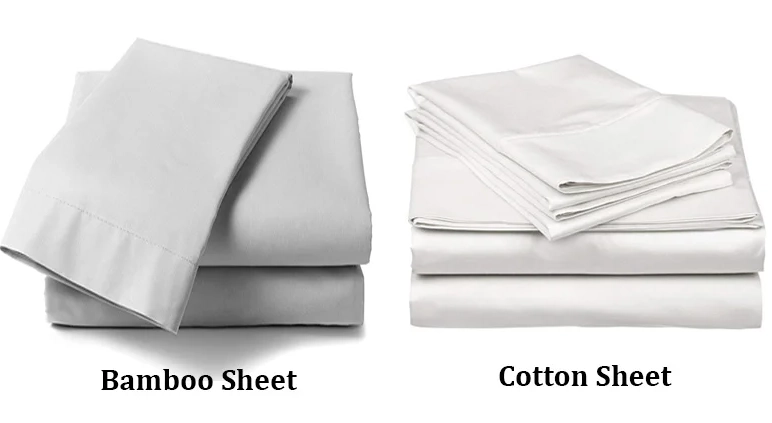
I found the slickness of bamboo took a night or two to get used to. My partner loved it immediately. It's a personal taste thing you can't know until you try it.
The Durability Debate & Care Secrets
This is the cotton sheet's stronghold. A well-made set of Egyptian cotton can last 15-20 years with proper care. Bamboo viscose is more prone to abrasion. I've seen fitted sheets wear thin at the corners from friction with mattress protectors.
Pro Care Tip Everyone Misses: Never use fabric softener or dryer sheets on either material. They coat the fibers, destroying bamboo's moisture-wicking ability and making cotton less absorbent and breathable. For softening, use wool dryer balls.
Wash bamboo in cold water on a gentle cycle and tumble dry on low. You can be much less precious with cotton—a warm wash and medium dry is usually fine.
The Verdict: Which Sheet is Best for Your Sleep Type?
Stop looking for a universal winner. Match the sheet to the sleeper.
Choose Bamboo Sheets If You:
- Are a hot sleeper or experience night sweats. The temperature regulation is real.
- Have sensitive or eczema-prone skin seeking a frictionless surface.
- Prefer a modern, silky, drapey feel over a crisp one.
- Don't mind following specific gentle care instructions.
Choose Long-Staple Cotton Sheets If You:
- Want proven, decades-long durability and classic bedding heritage.
- Prefer a crisp, cool percale or a luxuriously heavy sateen feel.
- Desire low-maintenance care that can handle warmer washes.
- Are buying for a guest room or vacation home where sheets need to withstand unpredictable use.
How to Shop Smart: Avoiding Common Pitfalls
Labels lie. Here's what to scrutinize.
For Bamboo: Look for "bamboo lyocell" or mention of a "closed-loop process" for a more eco-choice. If it just says "rayon from bamboo," it's viscose. Check the fabric blend. Some "bamboo" sheets are only 30-40% bamboo viscose, blended with polyester or cotton, which defeats the purpose.
For Cotton: The magic words are "long-staple," "Pima," "Supima®" (American Pima), or "Egyptian." "Egyptian cotton" is not a regulated term; look for reputable certifications or brands that specify the origin. Thread count between 300-600 for percale or 300-800 for sateen is the sweet spot for quality and feel. Anything over 800 is often marketing fluff.
Read the return policy. A company confident in its product will offer a 30+ night sleep trial or a generous return window. You need to sleep on them to know.
Your Top Bedding Dilemmas, Solved
 Is organic cotton worth the extra money over regular bamboo sheets?