You're sorting through a pile of clothes, maybe from a thrift store haul, a hand-me-down, or an old favorite where the care label has completely worn away. You hold up a blouse. Is it silk? Polyester? A blend? Washing it wrong could ruin it. This is a common frustration, but you don't need a label to become a fabric detective. With a few simple techniques—some as old as textiles themselves—you can confidently figure out what your clothes are made of.
Knowing your fabrics isn't just about satisfying curiosity. It's about proper care. Machine wash a delicate wool sweater, and you'll end up with a doll-sized garment. Iron a polyester blend on high heat, and you might melt it. This guide walks you through the hands-on methods professionals and seasoned sewists use.
What's Inside This Guide
Why Bother Identifying Fabric?
Let's be clear: guessing and hoping for the best is a recipe for laundry disasters. I've seen it happen. A friend assumed her "linen" pants were pure linen and tossed them in a hot wash. They came out stiff, shrunk, and covered in pills. Turned out they were a linen-rayon blend. Rayon is notoriously fragile when wet.
Correct identification allows you to:
- Wash correctly: Delicates like silk and wool often need cold water and gentle cycles, while cotton can handle more heat.
- Dry properly: Some synthetics can't handle high heat from dryers. Line drying is best for many natural fibers to prevent shrinkage.
- Iron safely: Silk requires a low heat setting, cotton a high one. Applying the wrong heat can scorch or melt fibers.
- Make informed mends: Knowing the fabric helps you choose the right thread and needle for repairs.
It also makes you a smarter shopper, especially in second-hand markets where labels are often missing.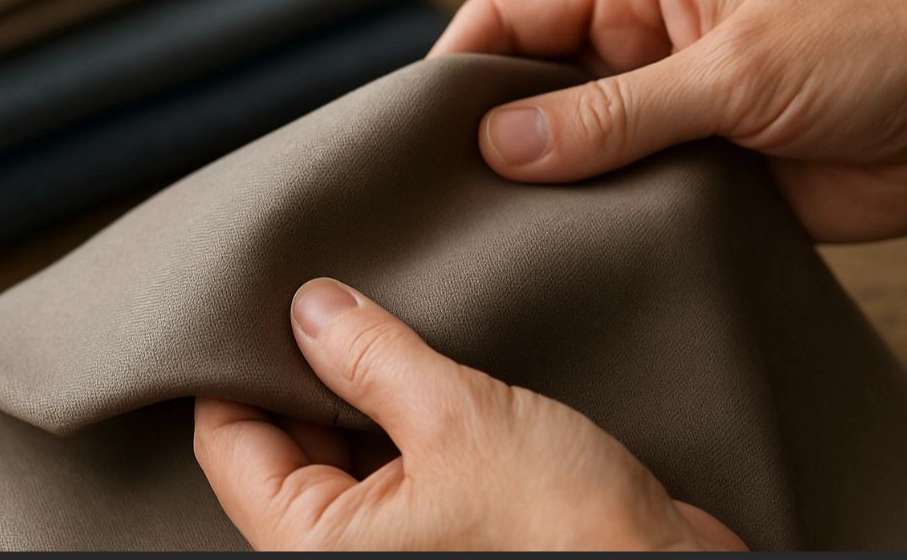
The Definitive Burn Test (And How to Do It Safely)
The burn test is the closest thing to a lab analysis you can do at home. Different fibers react uniquely to flame, leaving distinct ashes and smells. It's highly reliable but requires caution.
Here’s the basic procedure: Hold the thread or small swatch with tweezers. Bring it carefully to a flame (a lighter works). Observe how it burns, the smell of the smoke, and the characteristics of the ash or residue after it cools.
The results tell the story. The table below breaks down what to look for with common fibers.
| Fiber Type | How It Burns | Smell | Ash/Residue |
|---|---|---|---|
| Cotton/Linen (Plant-based) | Burns quickly with a yellow flame, like paper. May glow after flame is removed. | Burning paper or leaves. | Fine, soft, gray ash that crumbles easily. |
| Wool/Silk (Protein-based) | Burns slowly, may sputter or curl away from flame. Self-extinguishing. | Burning hair or feathers. (Strong, distinctive smell) | Dark, brittle, crushable bead that turns to powder. |
| Polyester (Synthetic) | Melts first, then burns with a slow, smoky flame. May drip. | Sweet, chemical, or plastic-like. | Hard, black or tan bead that doesn't crush easily. |
| Nylon | Melts and burns, may drip. Flame is usually blue with an orange tip. | Celery or burning plastic. | Hard, round, gray or tan bead. |
| Acrylic | Burns readily with a bright, sputtering flame. May drip. | Acrid, chemical, fishy. | Hard, irregular black bead. |
| Rayon/Viscose (Man-made cellulosic) | Burns quickly like cotton, but may not glow afterwards. | Burning paper or wood. | Very fine, light gray ash, similar to cotton. |
One nuance most guides miss: the feel of the ash is as important as its look. Natural fiber ash truly disintegrates between your fingers. Synthetic beads remain solid and plasticky. If you're unsure between rayon and cotton, this can be a clue—rayon ash can feel slightly more "chalky."
Important Caveats and Expert Tips
Blended fabrics will give mixed signals. You might smell both hair and plastic, or see melting with some ash. That's your clue it's a blend.
Also, finishes matter. A cotton fabric treated with a flame-retardant or stain-resistant coating will not burn like pure cotton. It may resist the flame or produce a different smell. This is why combining the burn test with other methods is crucial.
The Touch & Visual Inspection
Before you even think about a flame, use your senses. This is where you start forming a hypothesis.
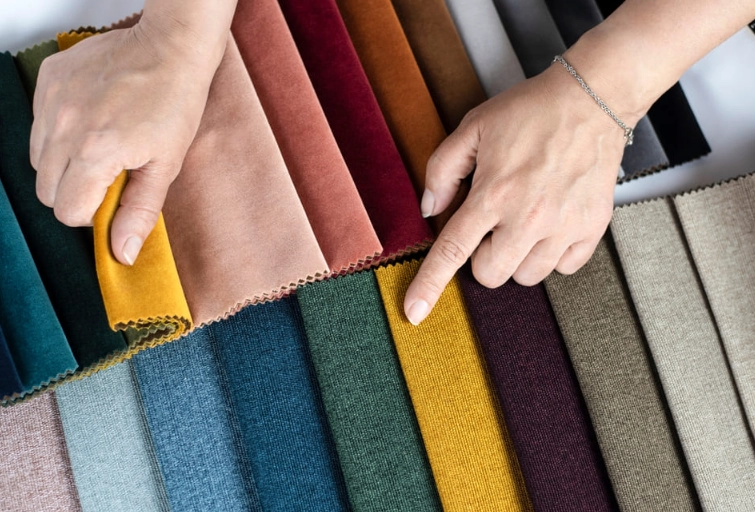
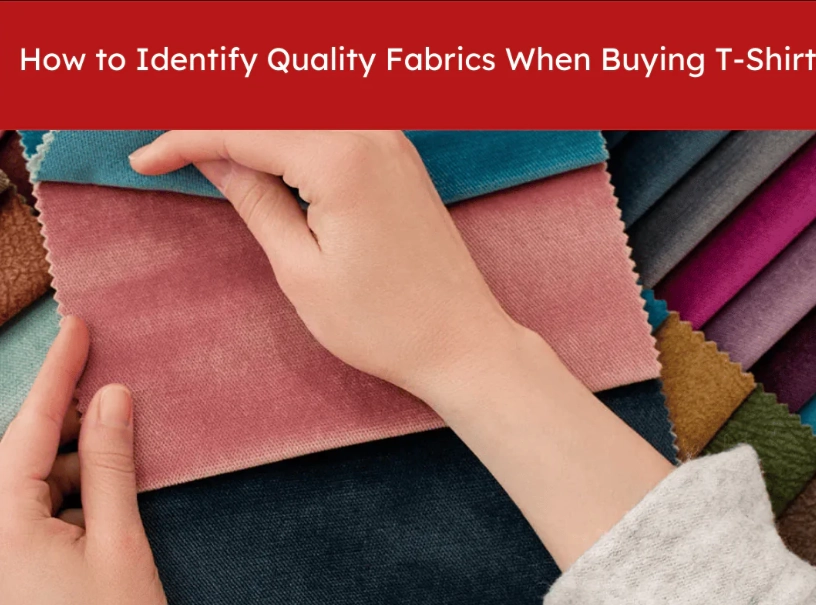
The Feel (Hand): Crush a section of the fabric in your hand and listen/feel.
- Cotton/Linen: Feels cool to the touch. Linen is crisper and has a distinctive slubby texture. Cotton is generally softer. When crumpled, they hold wrinkles tightly.
- Wool: Feels warm, slightly resilient, and may have a faintly springy or spongy feel. High-quality wool feels soft, not scratchy. It wrinkles less than cotton.
- Silk: Unmistakably smooth, soft, and has a subtle, natural luster. It feels cool like cotton but is much finer and lighter. It makes a distinctive "scroop" sound when crushed (a gentle rustling crunch).
- Polyester & Nylon: Often feel slick, smooth, and slightly "plastic-y" or warm to the touch. They drape well but can feel artificial. They spring back from wrinkles quickly.
- Rayon: Can feel wonderfully silky and drapey, but often cooler and heavier than polyester. It wrinkles easily and feels soft but not as strong as cotton when wet.
The Look: Examine the weave and fibers under good light.
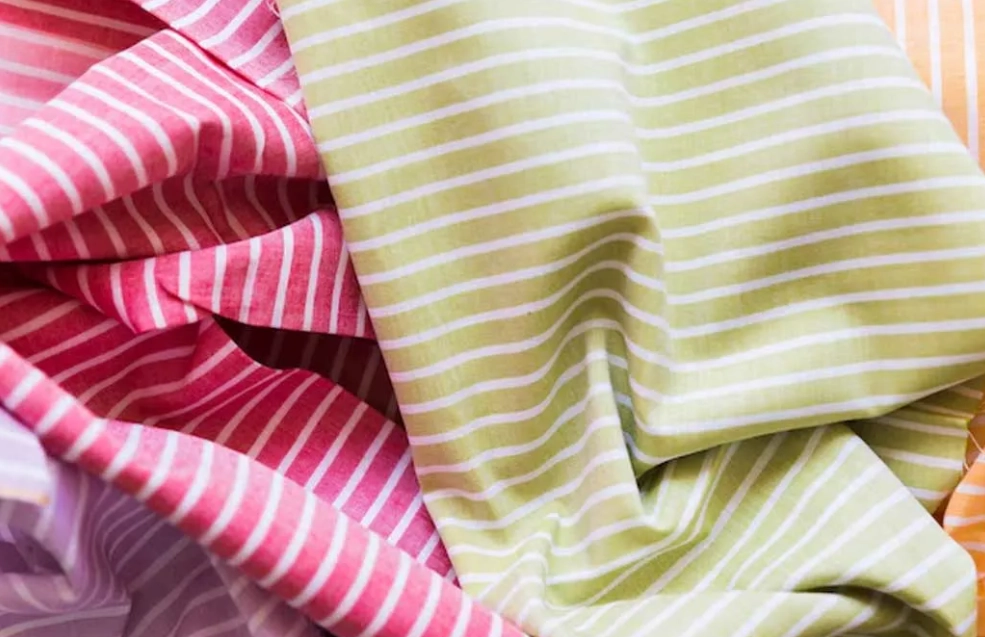
- Natural fibers often have slight imperfections—tiny knots in the yarn, variations in color or thickness. They absorb light, giving a matte or soft-glow finish (except silk's shine).
- Synthetics are often unnaturally uniform. The fibers are perfectly even. They can have a very sharp, high sheen (think cheap satin) or a dull, flat look.
- Pull a thread and look at its end. Untwist it. Cotton/linen fibers are short and fuzzy. Wool fibers are crimped and scaly. Silk is one long, continuous filament. Synthetics are also long filaments, but if cut, the ends are often melted-looking or perfectly blunt.
The Tricky World of Fabric Blends
Most modern clothing is a blend. Polyester-cotton, wool-nylon, rayon-spandex. These are designed to combine the best properties of each fiber (e.g., cotton's breathability with polyester's wrinkle resistance).
Identifying blends is the advanced level of fabric detective work. You won't get a perfect "55% cotton, 45% polyester" breakdown, but you can identify the primary players.
Here's my approach:
- Start with the burn test. Does it primarily burn to ash (suggesting a high natural fiber content) or melt into a bead (suggesting high synthetic content)? Do you smell both hair and plastic? That's a wool or silk blend with synthetic.
- Analyze the residue. A hard bead with some powdery ash around it is a dead giveaway for a natural-synthetic blend.
- Cross-reference with hand feel. A fabric that feels like cotton but doesn't wrinkle as badly likely has polyester in it. A soft "wool" sweater that isn't very warm and pills excessively probably contains a lot of acrylic.
- Consider the garment type. Denim jeans are almost always primarily cotton, often with 1-3% elastane (spandex) for stretch. Athletic wear is predominantly synthetic (polyester, nylon) for moisture-wicking. A flowing, drapey blouse that feels cool is often rayon or a rayon blend.
For common blends like poly-cotton, care for the fabric based on the more delicate component. If it's 60% cotton, 40% polyester, treat it more like cotton (but you can use a slightly warmer dryer setting thanks to the polyester).
Your Fabric Identification Questions Answered
Is the burn test safe to do at home?
It can be if you treat it with extreme respect. The biggest mistake is using a large swatch. Use a single thread or a few threads pulled from an inner seam. Have your water bowl ready before you light the flame. Do it over a sink. If you're at all uncomfortable, skip it and rely on the tactile and visual tests—they can get you 80% of the way there for most common fabrics.
How can I tell real silk from artificial silk (rayon/polyester) without burning it?
Focus on the luster and the hand. Real silk has a deep, subdued, almost pearlescent shine that comes from within the fiber. Polyester satin has a sharp, surface-level, metallic shine. Rayon can mimic silk's drape but often lacks its strength. Do the "crush and listen" test. Silk makes a low, crunchy sound (scroop). Rayon is quiet. Also, real silk is a poor conductor of heat. Place the fabric on your cheek or the back of your hand—it should feel cool initially and then warm slowly to your body temperature. Synthetics often feel warm immediately.
 I have a fabric that burns to a bead but smells like paper, not plastic. What is it?
You've likely found a triacetate or acetate fabric. These are man-made fibers derived from cellulose (wood pulp), so they smell like burning paper or wood, but they are chemically altered to the point where they melt and form a hard, black bead like a synthetic. This is a classic example of why knowing all the clues is important. Acetate is common in linings and some drapey garments.
What's the easiest fabric to misidentify, and why?
High-quality microfiber polyester is often mistaken for silk or fine cotton. It's engineered to be incredibly soft and have a luxurious hand. The giveaway is in the wrinkle recovery and the burn test. It will bounce back from wrinkles almost instantly, and it will melt. Also, if you gently stretch a wet corner, polyester has more recovery than rayon or cotton.
Can I identify fabric by how it reacts to water?
Sometimes. Drop a tiny bead of water on the fabric. Cotton, linen, rayon, and silk will absorb it quickly, spreading the damp spot. Polyester and nylon will bead up on the surface and absorb very slowly, if at all. Wool absorbs water but slowly, and it feels heavy when wet. This is a great non-destructive test for distinguishing a natural fiber blouse from a synthetic one.
 Becoming proficient at identifying fabric takes practice. Start with clothes you already know the content of (check the label before you cut it off!) and feel them, burn a thread from the seam allowance, and build your mental database. Soon, you'll be able to pick up any garment and make an educated guess that will save your clothes from laundry doom.