You're holding a garment. The tag is missing, faded, or says something unhelpful like "100% exclusive material." Is it cotton, wool, polyester, or a blend? Knowing how to identify fabric type isn't just for tailors or fashion students. It's a practical skill that saves you money, helps you care for clothes properly, and stops you from getting duped at a market. I've spent years working with textiles, and the number of "silk" scarves that melt under a lighter is astonishing. Let's cut through the confusion. This guide will turn you into a fabric detective, using methods you can do at home with no special equipment.
What's Inside: Your Fabric ID Toolkit
Start with Your Eyes: The Visual Inspection
Before you touch or test, look closely. Hold the fabric up to good light. What do you see?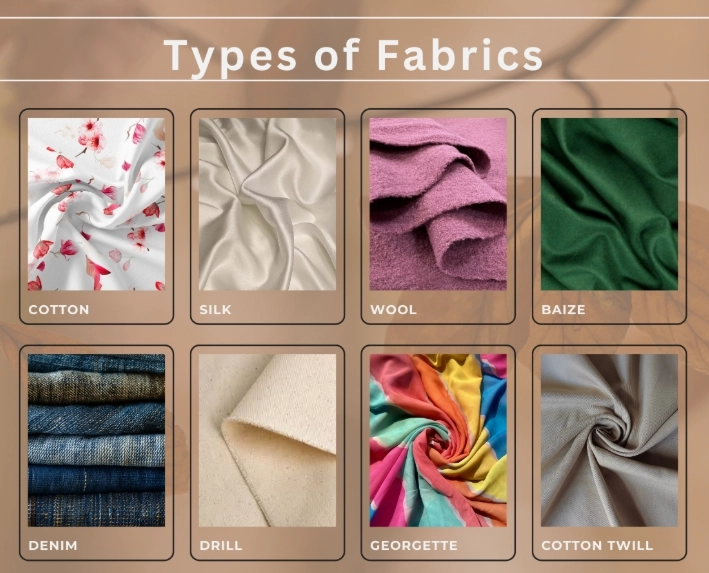
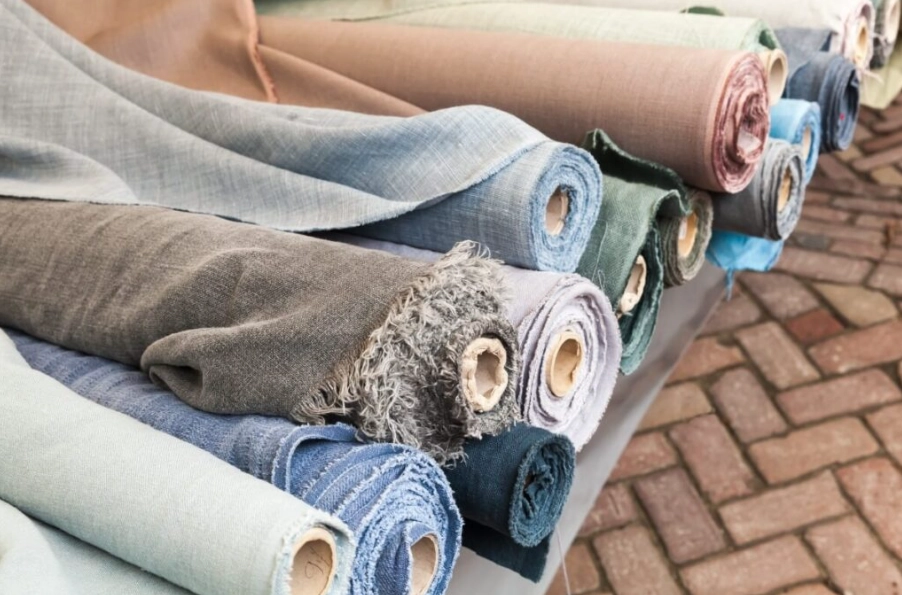
Weave Pattern: This is your first major clue. A tight, uniform, criss-cross pattern is a plain weave—think of a standard cotton dress shirt or bedsheet. A diagonal rib pattern is a twill weave, common in denim, chinos, and tweed. If it looks smooth, shiny, and has long floating threads, you're likely looking at a satin weave.
But here's a nuance most guides miss: the weave doesn't define the fiber. You can have silk satin, polyester satin, or cotton sateen (a satin-weave cotton). The weave tells you about the structure, not the material.
Surface Texture: Does it have loops? That's a knit (like your t-shirt), not a woven. Knits stretch easily. Does it have a fuzzy, brushed surface? That could be flannel (often cotton or wool) or fleece (almost always synthetic polyester). A nubby, irregular surface might be linen or tweed. A very smooth, high-gloss surface is often a sign of synthetic fibers like polyester or acetate, though real silk can also be brilliantly smooth.
Pro Tip from the Field: Pull a single thread from a hidden seam. Look at its length and twist. A long, continuous filament indicates a synthetic (polyester, nylon) or a silk. Short, hairy fibers that want to separate are natural staples, like cotton, wool, or linen. This one simple action rules out half the possibilities.
Trust Your Fingers: The Touch & Feel Test
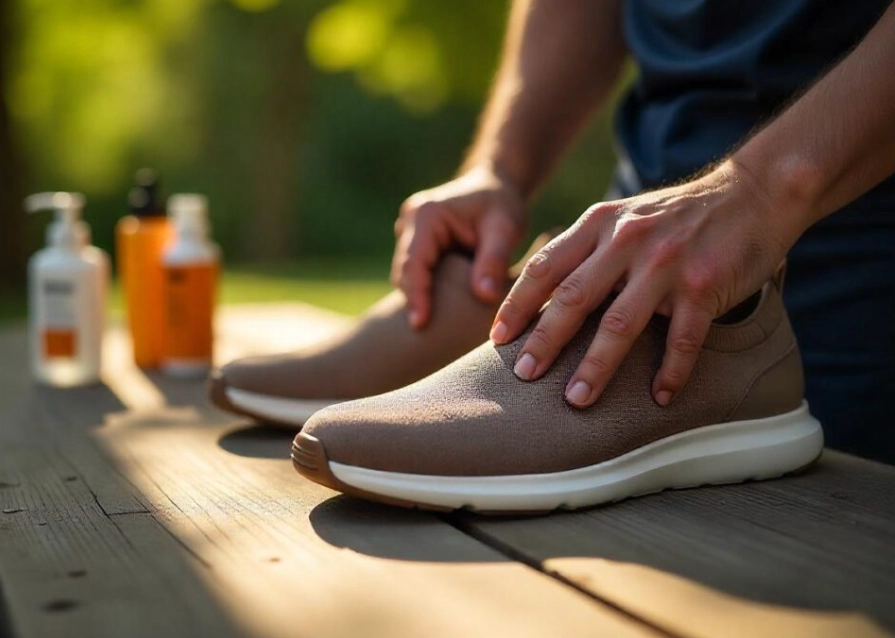
Your skin is a sophisticated sensor. Crush a section of the fabric in your hand for a few seconds, then release.
Cotton feels soft, breathable, and crumples easily. It won't spring back perfectly from a crush. Linen is crisper, stiffer, and creates sharp, distinct wrinkles. It has a cool, dry feel.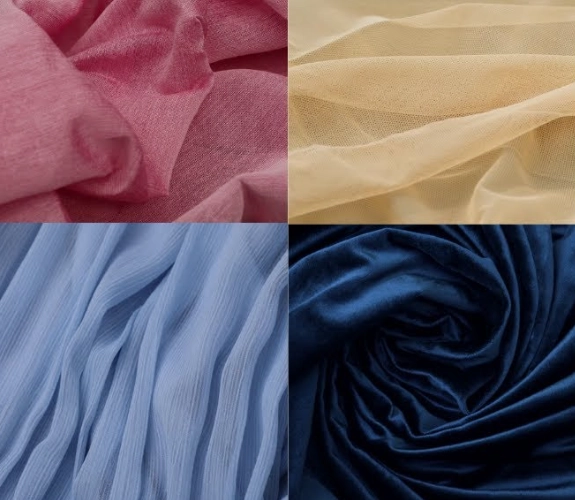
Wool feels warm, slightly elastic, and resilient. It may have a faint oily or lanolin feel (especially in untreated wools). It resists wrinkling. Silk is uniquely smooth and fluid, with a subtle, natural luster. It feels cool to the touch and has a distinctive, quiet rustle—not a loud swish.
Now, the synthetics. Polyester often feels slick, slightly plastic-like, and is very wrinkle-resistant. It might feel clammy. Nylon is even smoother and stronger, with a distinctive, almost "dry" slickness. Rayon/Viscose is the trickster—it feels beautifully soft and drapey like silk, but is often heavier and can feel cold and clingy when wet. It wrinkles terribly.
I find the "coolness" test underrated. Place the fabric on your cheek or the inside of your wrist. Natural fibers like linen, cotton, and silk feel genuinely cool. Many synthetics retain more body heat and feel neutral or warm faster.
The Definitive Test: The Fabric Burn Test (Safely)
This is the most reliable method, but safety is non-negotiable. Work over a metal sink or bowl with water nearby. Use tweezers. Pull a few threads from a seam allowance, don't set the whole garment on fire.
⚠️ Critical Safety & Setup: Ventilate the area. Have a cup of water or a damp cloth ready to smother the flame. Only test a small snippet of threads. This test is for identification, not pyromania.
Here’s what to observe, in this order: 1) How does it burn? 2) What does it smell like? 3) What is the ash like?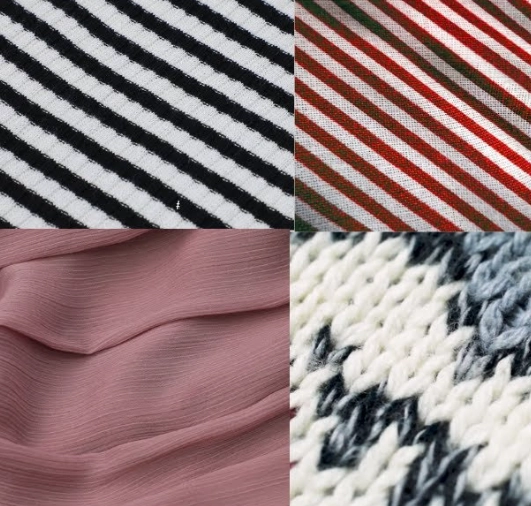
| Fabric Type | How It Burns | Smell | Ash Residue |
|---|---|---|---|
| Cotton/Linen | Burns quickly with a yellow flame, like paper. Continues to glow after flame is removed. | Smells like burning paper or leaves. | Soft, gray, fine powder. |
| Wool/Silk | Burns slowly, may sputter. Often self-extinguishes. Curls away from flame. | Strong smell of burning hair or feathers. | Dark, brittle, crushable bead. |
| Polyester | Melts first, then burns with a slow, smoky flame. May drip. | Sweet, chemical, or plastic smell. | Hard, dark, plastic-like bead. |
| Nylon | Melts and burns, often drips intensely. Flame may be blue-tipped. | Smells like celery or burning plastic. | Hard, round, gray or tan bead. |
| Acrylic | Melts, burns readily with a sooty flame. | Acrid, chemical smell. | Hard, irregular black bead. |
| Rayon/Viscose | Burns rapidly like cotton, but does not glow afterwards. | Similar to burning paper or wood. | Little to no ash, just a fine powder. |
The melt-and-drip behavior is the dead giveaway for most synthetics. Natural fibers turn to ash; plastics turn to sticky, hot blobs. I once tested a "wool" blanket that dripped like candle wax and left a plastic bead. It was 100% acrylic. The burn test doesn't lie.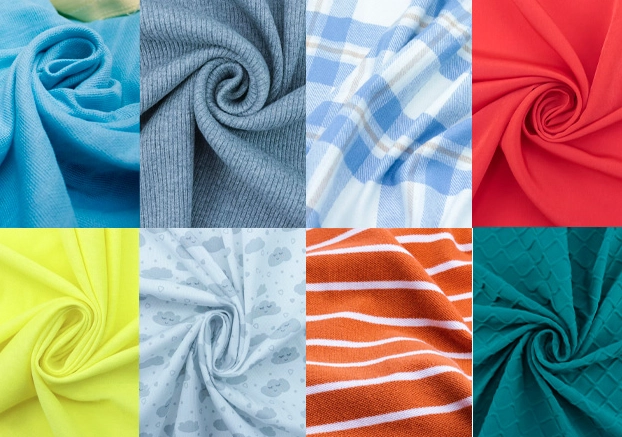
Spotting the Usual Suspects: Common Fabric Profiles
Let's put it all together for quick reference in a real-world scenario, like sorting a pile of mystery clothes.
The Classic T-Shirt Feel: Soft, slightly fuzzy, breathable, wrinkles. Burns like paper. That's almost certainly cotton. If it's super stretchy, retains shape perfectly, and doesn't wrinkle at all, it's likely a cotton-polyester blend or a synthetic knit.
The Crisp Summer Fabric: Stiff, textured with slubs (those little nubs), creates sharp wrinkles, feels cool. Burns like paper. You've got linen. If it looks like linen but feels suspiciously smooth and wrinkle-free, it might be a linen-look rayon or polyester.
The Warm, Cozy Sweater: Warm to the touch, elastic, slightly fuzzy. Smells like hair when burned. That's wool (or a wool blend). If it pills excessively immediately, feels overly light, and has a plastic-y smell when burned, it's probably acrylic, a common wool substitute.
The Luxurious Blouse/Scarf: Incredibly smooth, fluid drape, subtle pearly shine, cool to the touch. Burns slowly with a hair smell. That's the real deal: silk. If it's equally shiny but feels slick, stiff, or makes a swishing sound, and melts when burned, it's polyester satin.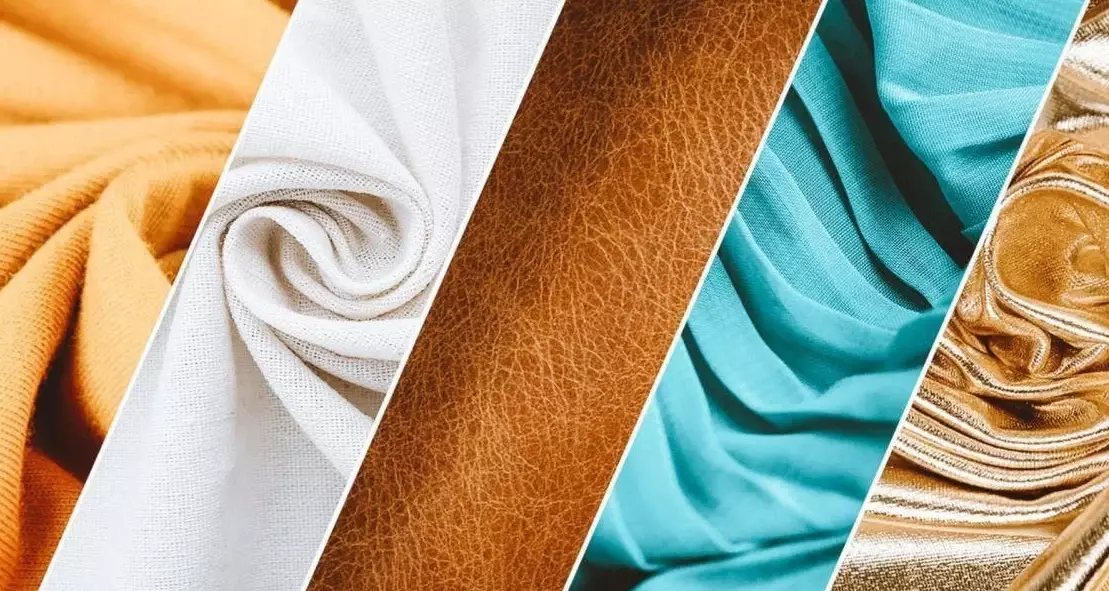
A Quick Detour: Denim Isn't Just Cotton
Most denim is cotton twill. But stretch denim? That almost always has 1-3% elastane (like Lycra) woven in. You can identify this by the significant crosswise stretch. Pure cotton denim has very little give. The burn test on stretch denim will show the cotton characteristics, but the elastane will melt into tiny, sticky specks.
Navigating Tricky Situations: Blends & Finishes
This is where it gets hard. A 60% cotton, 40% polyester blend is the norm. The burn test will show paper smell from the cotton, but you'll also get melting beads from the polyester. The dominant fiber usually dictates the care, but the synthetic adds wrinkle resistance and durability.
Finishes can also fool you. A mercerized cotton has been treated to have a permanent silky shine and strength—it's still 100% cotton, but looks and feels more refined. A brushed cotton or flannel has been napped to create a fuzzy surface for warmth.
My personal rule? When in doubt, especially for care, trust the most delicate fiber in the suspected blend. If you think it might have wool or silk, wash it gently and cool. Assuming it's all polyester can ruin a beloved blend garment.
Your Burning Questions Answered
How can I tell real silk from synthetic satin without a burn test?
The "touch and rustle" test is key. Real silk feels cool and soft, with a dense, substantial hand. It rustles with a low, soft sound. Polyester satin feels warmer, slicker, and often makes a louder, sharper swishing sound. Also, crumple it tightly in your fist for 30 seconds. Real silk will wrinkle deeply. Polyester satin will show few, if any, lasting creases.
I bought a "linen" shirt that never wrinkles. Is it fake?
Probably. Pure linen is famous for wrinkling the moment you put it on. A wrinkle-free "linen" is almost always a blend with polyester or rayon, or it's a different fabric like viscose with a linen-like texture. Check the care label if it's intact. If not, the burn test will reveal synthetic melting behavior mixed with the paper-like ash of the natural fibers.
What's the easiest way to spot cheap polyester pretending to be something else?
Watch for two things: static cling and pilling. Cheap polyester generates a lot of static electricity. It also tends to pill (form those little fabric balls) quickly on friction areas. Also, that slightly plastic-like, overly smooth hand is a dead giveaway once you train your fingers. In fast-fashion items, if it looks too perfect, shiny, and is priced very low, odds are high it's polyester.
How do I identify sustainable fabrics like Tencel (Lyocell) or recycled polyester?
This is tough without a label. Tencel (a type of lyocell) feels incredibly soft, drapey, and cool like high-quality rayon, but is often stronger when wet and has a more subtle luster. It burns like rayon (fast, paper smell). The only surefire way to know it's Tencel vs. generic viscose is the brand's certification. Recycled polyester feels and behaves exactly like virgin polyester—it burns and melts the same. The "recycled" claim is about sourcing, not fiber properties, so you must rely on the brand's transparency.
Is there a foolproof method for identifying fabric blends at home?
No single home test is 100% foolproof for precise blend ratios. The burn test is your best bet—it will confirm the presence of both natural fibers (ash) and synthetics (melting beads). For a rough estimate, you can try the absorbency test. Natural fibers like cotton, linen, and rayon absorb water droplets quickly. Synthetics like polyester bead up and absorb slowly. In a blend, you'll see a slower, partial absorption. But for exact percentages, you'd need a lab. For care purposes, identifying the main components is usually enough.