You pick up a shirt. It feels crisp. You run your hand over a sofa. It feels soft and nubby. You put on jeans. They feel rugged. That difference isn't just magic or the fiber alone—it's the weave. The way threads are interlaced, the pattern they follow, is the single most important factor determining a fabric's personality, strength, and best use. Forget just cotton or polyester for a second. If you understand fabric weaves, you can predict how a garment will wear, how a bedsheet will feel, and why your favorite jacket has that specific texture. This isn't just theory; it's the practical knowledge that stops you from buying the wrong curtain fabric or a dress that pills after two washes.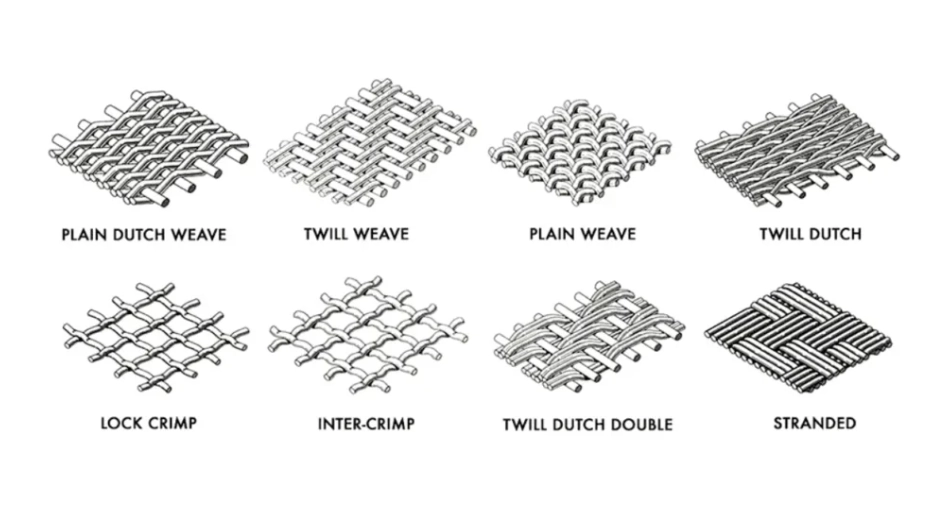
What's Inside This Guide
What is a Fabric Weave? The Basics
Let's strip it down. All woven fabric starts with two sets of threads. The warp threads run vertically on the loom—think of them as the backbone. The weft (or woof) threads run horizontally, weaving over and under the warp. The specific sequence of "over one, under two" is the weave pattern.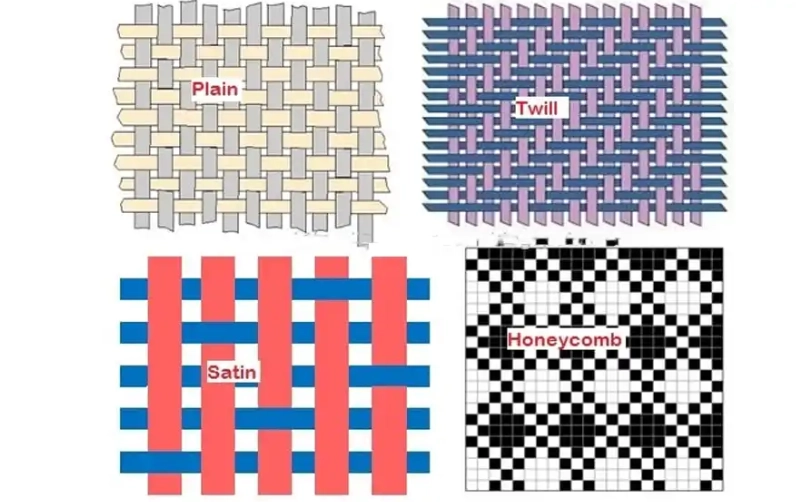
This structure dictates everything. A tight, simple weave like plain weave is strong but can be stiff. A loose, floaty weave like satin is luxuriously soft but can snag. The density of threads (thread count), the thickness of the yarn, and the fiber material all play roles, but the weave is the foundational architecture. Get the weave wrong for the job, and even the finest Egyptian cotton will disappoint.
A quick note from experience: A huge mistake beginners make is focusing solely on fiber content or thread count. A high-thread-count sheet in a poor satin weave can feel slippery and cold. A low-thread-count canvas in a tight plain weave can outlast everything in your closet. The weave is the non-negotiable starting point.
The 5 Most Common Fabric Weaves (And Why They Matter)
These are the workhorses you'll encounter daily. Knowing them is like knowing the difference between a sedan, an SUV, and a truck.
| Weave Name | Visual Pattern & Feel | Key Properties | Common Uses & Examples |
|---|---|---|---|
| 1. Plain Weave | Simple checkerboard. Feels flat, crisp, or can be coarse. | Most durable, least pliable, resistant to snagging, tends to wrinkle. | Bed sheets (percale), shirting (poplin, broadcloth), canvas, gingham. |
| 2. Twill Weave | Diagonal ribs (e.g., denim). Feels substantial, drapey. | Very durable, hides dirt well, softer drape than plain weave. | Jeans (denim), chinos, tweed, trench coats, upholstery. |
| 3. Satin Weave | Lustrous, smooth surface. Feels silky and luxurious. | Excellent drape and sheen, but threads can snag ("float"). Less durable. | Evening gowns, lingerie, satin sheets, neckties, linings. |
| 4. Rib Weave | Pronounced vertical cords. Feels stretchy and textured. | Good crosswise stretch, durable, distinctive texture. | Ribbed knits (cuffs, collars), corduroy, ottoman cloth, faille. |
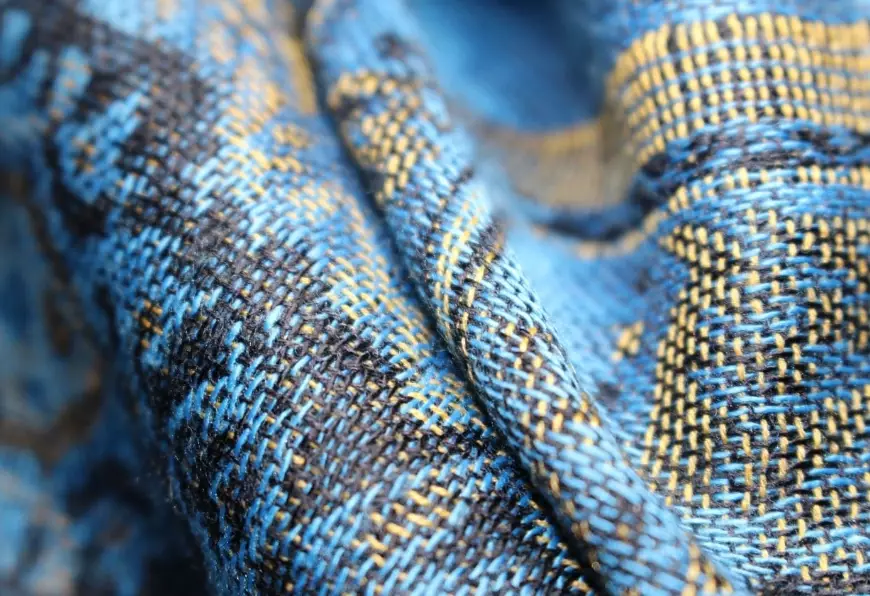
| 5. Jacquard Weave | Complex, detailed patterns (e.g., damask). Feels ornate. | Intricate designs woven in, not printed. Can be heavy. | Brocatelle, damask table linens, tapestries, brocade fabrics. |
Plain Weave: The Everyday Hero
Every warp thread goes over one weft, then under the next. It's the most basic, strongest bond. Think of it like a brick wall. Poplin and broadcloth are fine, smooth versions for shirts. Canvas and burlap are heavy, coarse versions. The downside? It can be stiff and wrinkle-prone. That "crisp" new shirt feel is classic plain weave.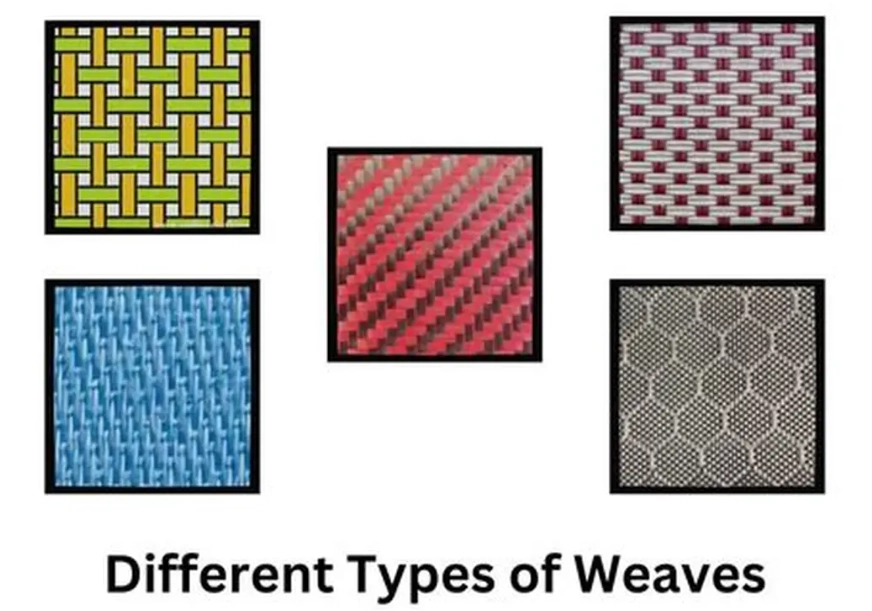
Twill Weave: The Durable Workhorse
Twill creates those diagonal lines by offsetting the weave pattern each row. This structure allows thicker yarns to be packed in, making it incredibly tough. Denim is the king of twills. The diagonal grain also gives it more flexibility and a better drape than plain weave—that's why your jeans move with you. Herringbone and houndstooth are fancy twill variations.
Satin Weave: The Luxurious Illusion
Satin weave has long "floats" where warp threads skip over multiple wefts before going under one. This creates that uninterrupted, glossy surface. It's not a fiber; it's a structure. You can have silk satin, polyester satin, or cotton sateen (a satin weave with cotton). The floats make it sensuously soft but vulnerable to snagging. It's for looks and feel, not hard labor.
I made a mistake once buying satin-weave pillowcases for a guest room. They looked gorgeous but snagged on a bracelet and started to pull. For daily use, a high-quality sateen (cotton in a satin weave) is often a smarter, more durable choice than true silk satin.
How to Choose a Fabric Weave for Your Project?
Stop guessing. Match the weave to the job's demands. Ask these questions:
- Durability First? Go Plain Weave or Twill. For bags, workwear, upholstery that gets heavy use, these are your champions. A plain weave canvas tote will outlive a satin one by years.
- Comfort and Drape? Think Twill or Satin. For a flowing dress, elegant curtains, or bedding that feels soft against the skin, these weaves offer superior movement and smoothness.
- Warmth and Texture? Look at Twill (like tweed) or complex weaves like Jacquard. The thicker yarns and dense structures trap air and provide visual interest.
- Easy Care? Plain weave cottons (like percale) are generally easy to wash and iron. Tight twills like denim are low-maintenance. Delicate satins and ornate jacquards often demand dry cleaning.
Consider this real scenario: You're making kitchen curtains. They need to withstand sunlight, occasional splashes, and frequent washing. A plain or ribbed weave in a synthetic blend or treated cotton would be ideal. A delicate satin weave, even in a "durable" polyester, would be a poor choice—the floats would catch dust and degrade in the sun.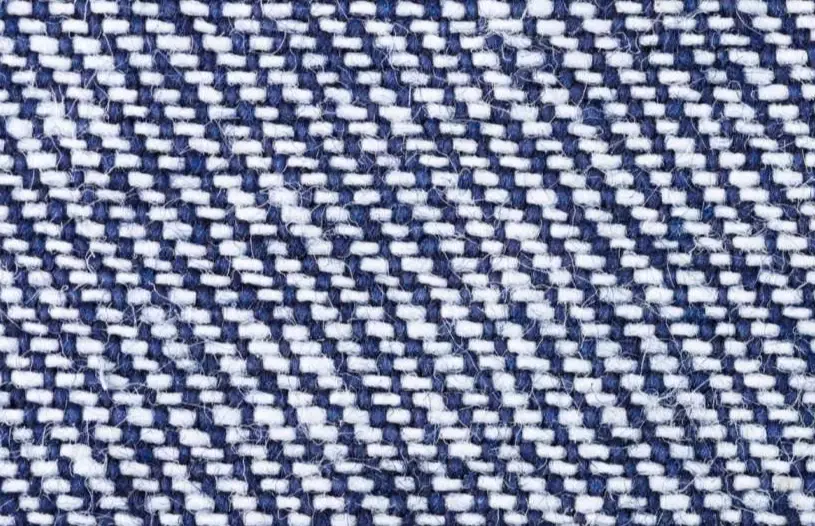
Beyond the Basics: Other Notable Weave Patterns
The five above are the core, but the textile world is vast. Here are a few more you might meet:
Oxford Weave: A basket-weave variation (two threads woven as one). It's thicker, slightly rougher, and has a characteristic tiny square pattern. It's the classic dress shirt fabric, less formal than broadcloth, known for its casual durability.
Dobby Weave: Uses a special loom to create small, geometric, textured patterns—think the little bumps on a shirt collar or a birdseye pattern. It adds subtle interest without being as heavy as jacquard.
Leno Weave: A tricky one where warp threads are twisted around the weft. This creates a very open, stable mesh. You see it in sheer curtains, mosquito netting, and some types of bags where airflow is key.
Your Weave Questions, Answered
 What's the most durable weave for heavy-duty bags or backpacks?