Let's be honest. Unpacking a suitcase full of crumpled clothes is a terrible start to any trip. You spend precious vacation time ironing, or worse, you just accept looking disheveled. I've been there. On a business trip to Lisbon, I opened my bag to find my one "nice" shirt looked like it had been balled up for a week. It was 100% linen, and I learned a hard lesson about fabric choices the hard way. The secret to smooth, organized, and light travel isn't a magic packing cube—it starts with what your clothes are made of. Choosing the right travel-friendly fabrics is the single most effective way to pack light and ensure your outfits emerge from your bag wrinkle-free.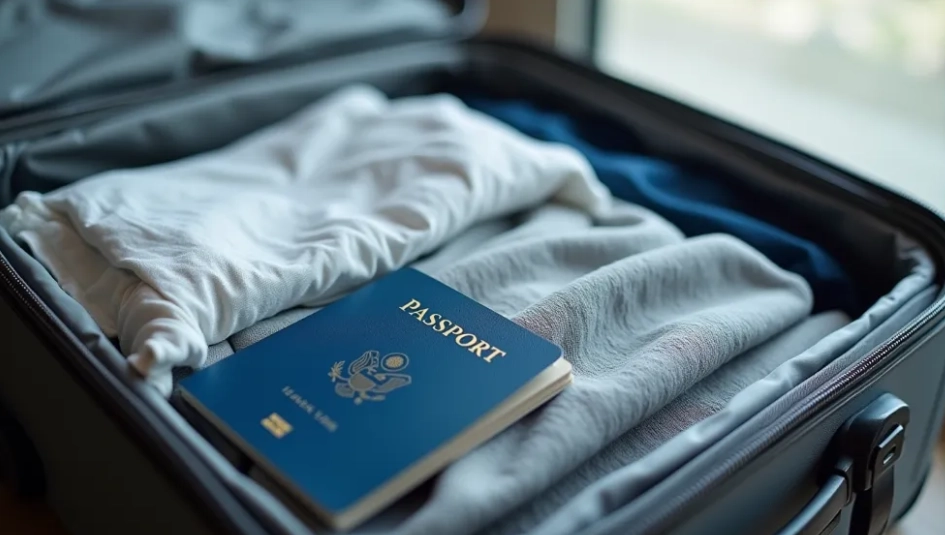
Your Quick Fabric Guide
What Makes a Fabric Travel-Friendly?
It's not just about not wrinkling. A truly travel-worthy fabric is a multi-tasker. Think of it as a superhero material for your suitcase. It needs to handle being stuffed, squished, exposed to humidity, and worn multiple times, all while looking presentable.
The core pillars are:
Wrinkle Resistance (or Recovery): This is the big one. Does the fabric spring back to its original shape after being compressed? Synthetic fibers like polyester and nylon are often great at this. Natural fibers vary—wool is fantastic, cotton is terrible, and linen... well, linen has a “crumpled chic” look for a reason.
Lightweight & Packable: Fabric weight directly impacts your luggage weight. A heavy denim jacket consumes space and weight a thin merino wool layer doesn't. Packability is about how thin and compressible a fabric is. A puffy down jacket packs into nothing; a thick cable-knit sweater does not.
Moisture-Wicking & Quick-Drying: Travel involves sweat, spills, and unexpected rain. A fabric that pulls moisture away from your skin (wicking) and dries fast means you can wash an item in a hotel sink at night and it's ready to wear by morning. This is a game-changer for packing lighter.
Durability & Odor Resistance: You need clothes that can survive being worn multiple times between washes without smelling or showing wear. Some fibers, like merino wool, have natural antimicrobial properties. Synthetics often resist stains and abrasion better.
Expert Insight: Many travelers obsess over “wrinkle-free” tags but ignore fabric blends. A 100% cotton shirt labeled “non-iron” has usually been treated with chemicals that wash out over time. A 65% polyester, 35% cotton blend, however, gets its easy-care properties from the fiber structure itself. The blend is more reliable in the long run.
Top Travel Fabrics: A Deep Dive
Let's break down the champions. This isn't just a list; it's a guide to when and why you'd choose each one.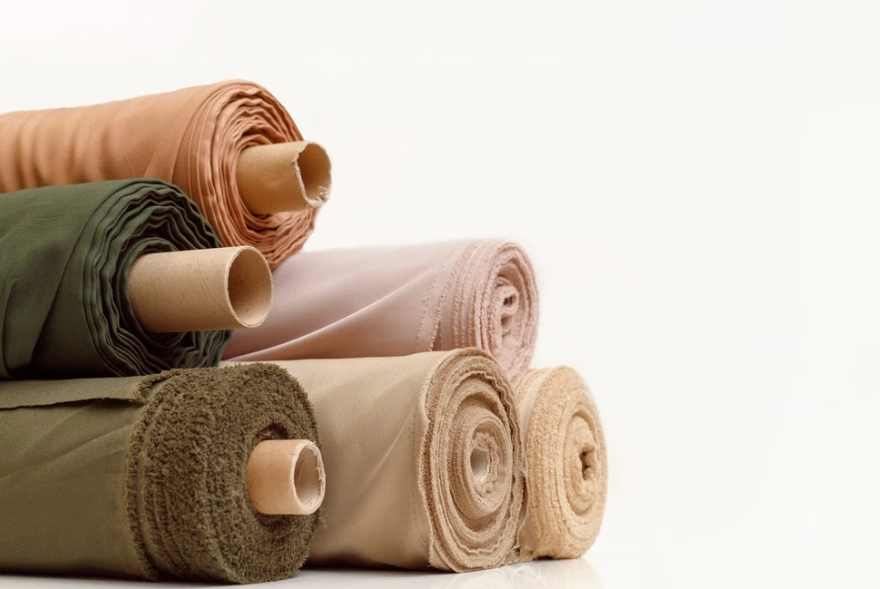
| Fabric | Wrinkle Resistance | Weight & Packability | Best For |
|---|---|---|---|
| Merino Wool | Excellent. Naturally elastic, springs back beautifully. | Light to medium. Very packable, especially in thin layers. | Base layers, socks, sweaters. Multi-day wear due to odor resistance. Ideal for variable climates. |
| Polyester (Performance Blends) | Superb. The gold standard for synthetic wrinkle resistance. | Very lightweight and thin. Compresses to almost nothing. | Travel-specific pants, button-down shirts, dresses. Quick-drying for active travel or hand-washing. |
| Nylon | Very Good. Similar to polyester but often has a softer drape. | Extremely lightweight and packable. | Windbreakers, packable jackets, lightweight travel pants. Often used in blends for durability. |
| Tencel/Lyocell | Good to Very Good. A plant-based fiber with a smooth drape that resists creasing. | Medium weight with a fluid drape. Packs reasonably well. | Dresses, blouses, nicer tops. Offers a more natural, eco-friendly feel than polyester while being easier-care than cotton. |
| Quality Microfiber | Excellent. A type of polyester, so it shares those properties. | Very lightweight and often ultra-compressible. | Travel towels, specific sportswear, and some wrinkle-free dress shirts. Feels soft against the skin. |
Notice something? Pure cotton, linen, and rayon/viscose aren't on that list. They have their place in fashion, but they're high-maintenance travel companions.
Merino wool is my personal favorite. I took two merino t-shirts on a two-week trip to Southeast Asia. Wore them in rotation, washed them in sinks, hung them to dry overnight. Never smelled, never wrinkled badly. It felt like cheating.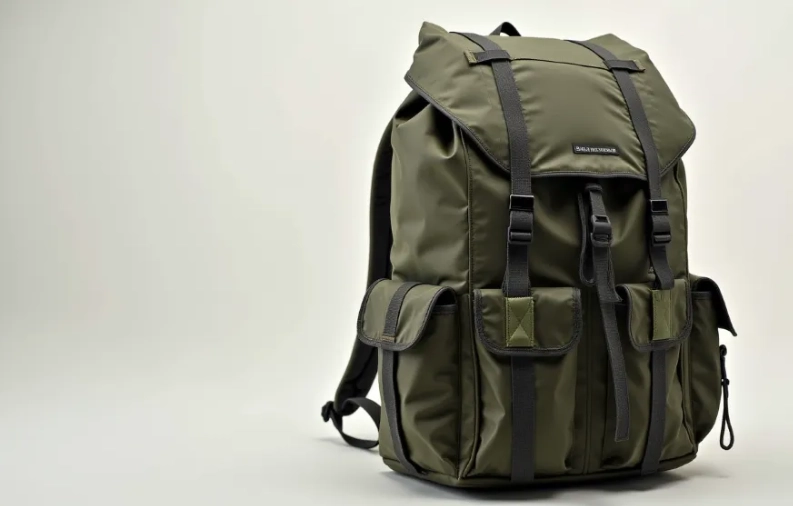
Blends Are Your Best Friend
Don't get purist about fabrics. The magic often happens in the blend. A 50/50 merino wool and polyester t-shirt might be more durable and slightly quicker-drying than 100% merino, while retaining most of the odor resistance. A linen-polyester blend gives you the breezy texture of linen with drastically reduced wrinkling. Always check the label.
How to Choose Travel-Friendly Fabrics
It's not enough to know the fabrics; you need a strategy for picking them. Your destination and trip type are your guides.
For Hot & Humid Climates
You need breathability and moisture management. Look for:
Lightweight Merino Wool: Yes, wool. It sounds crazy, but fine-gauge merino wicks sweat and doesn't stick to you like wet cotton.
Performance Polyester/Nylon: Specifically fabrics with a mesh structure or described as “airy” or “ventilated.” Avoid thick, non-breathable versions.
Linen Blends: A 55% linen, 45% cotton or polyester blend will give you the cooling effect without the permanent crumple.
For Cold Weather Travel
Warmth without bulk is key. Think in layers:
Base Layer: Merino wool (light or mid-weight). It manages moisture, keeping you dry and warm.
Mid Layer: A packable fleece (polyester) or a lightweight down/synthetic puffy jacket. These compress into tiny stuff sacks.
Outer Shell: A waterproof, breathable nylon shell (like Gore-Tex).
For Business or City Trips
You need to look sharp. This is where performance fabrics shine.
Travel Pants: Brands like Bluffworks or Lululemon's ABC pants use woven polyester or nylon blends that look like chinos but feel like sweatpants and won't wrinkle.
Dress Shirts: Seek out “non-iron” shirts made from cotton-polyester blends (e.g., 60/40) or performance microfibers. The American Cotton Council notes that modern blends achieve durability and easy care (source: Cotton Incorporated).
Blazers: Stretchy wool blends or performance polyester blends that can be rolled up in a bag.
Fabrics to Avoid When Packing
Sometimes knowing what to leave behind is more important. Here are the usual suspects that will betray you in your suitcase:
100% Cotton (especially denim and thick knits): It's heavy, absorbs moisture (sweat, rain) and holds it, takes forever to dry, and wrinkles profoundly. A cotton oxford shirt is a wrinkle magnet.
100% Linen: I love linen, but it's not a travel fabric. It wrinkles immediately and deeply. Its “crease” is part of its aesthetic, but you have to be okay with that rumpled look from door to door.
Rayon/Viscose: This is a big one people get wrong. It feels lovely and drapey, but it's weak when wet, can shrink unpredictably, and wrinkles easily. Drying it after a hand-wash is an exercise in patience.
Silk: Requires special care, stains with water, and is delicate. Unless it's for a specific formal event you're attending immediately upon arrival, it's more trouble than it's worth.
Heavy Wool (like tweed or thick cable knits): Bulky, heavy, and can be itchy. They consume half a suitcase.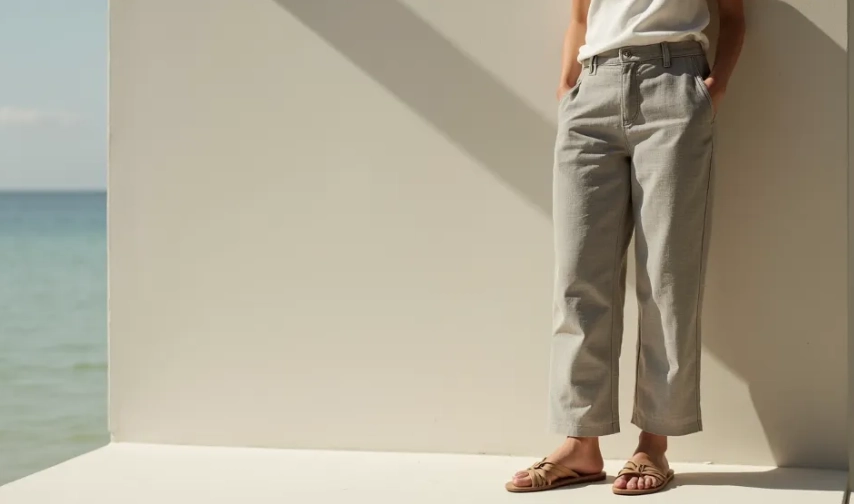
How to Care for Your Travel Fabrics
Choosing the right fabric is step one. Treating it right on the road is step two. The goal is minimal, low-impact maintenance.
The Sink Wash: For quick-drying synthetics and merino wool. Use a drop of mild soap or specialized travel wash (like Soak). Gently agitate, rinse thoroughly, and roll in a towel to squeeze out excess water—don't wring. Then hang dry. Most performance fabrics and merino will be dry in 4-8 hours in a well-ventilated room.
The Wrinkle Release: Even good fabrics can get a little creased. Hang them in the bathroom while you take a hot shower. The steam works wonders. For tougher wrinkles, a portable travel steamer is a worthy investment. Avoid irons in hotels if you can; they can be too hot and damage technical fabrics.
Packing Method: How you pack matters. For most travel-friendly fabrics, rolling is superior to folding. It minimizes sharp creases and uses space efficiently. For formal shirts or dresses, use the “bundle wrapping” method: wrap clothes around a central core (like a packing cube) to prevent fold lines. The Textile Industry Association has published studies on how fabric construction influences crease retention during packing (general reference: textile science research).
I pack almost exclusively by rolling. It turns your suitcase into a drawer of clothes cylinders, and you can see everything at once.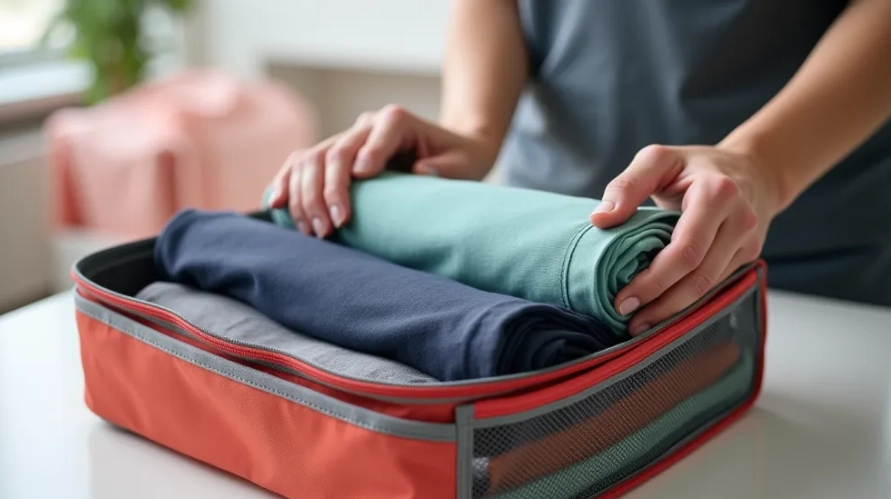
Your Travel Fabric Questions, Answered
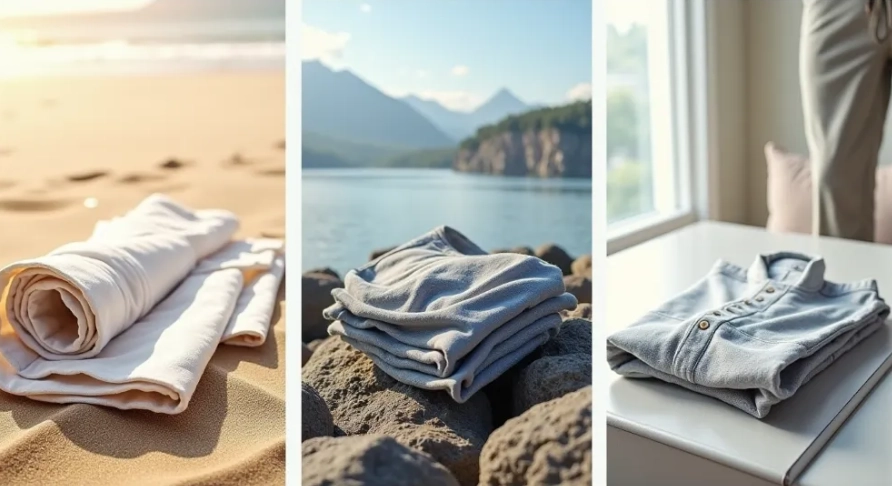 My favorite cotton t-shirt is so comfortable. Should I really not pack it?