You've heard it a hundred times: silk is a luxurious, breathable fabric. But when you're sweating in a silk blouse on a humid day, that claim can feel like a marketing lie. The short answer is yes, silk is breathable, but with major caveats that most articles gloss over. Its breathability isn't a simple on/off switch; it's a spectrum influenced by the type of silk, how it's woven, and what you're comparing it to. I've worked with textiles for over a decade, and I've seen too many people buy the wrong silk for their needs, ending up with a gorgeous but uncomfortable garment. Let's cut through the noise.
What's Inside This Guide
- How Silk Actually "Breathes" (The Science)
- Silk vs. Cotton, Linen & Synthetics: A Real-World Comparison
- Why Silk Type and Weave Matter More Than You Think
- The Best Uses for Breathable Silk (And Where It Fails)
- Caring for Your Silk to Preserve Its Breathability
- Your Silk Breathability Questions, Answered
How Does Silk Breathe? It's Not Magic, It's Structure
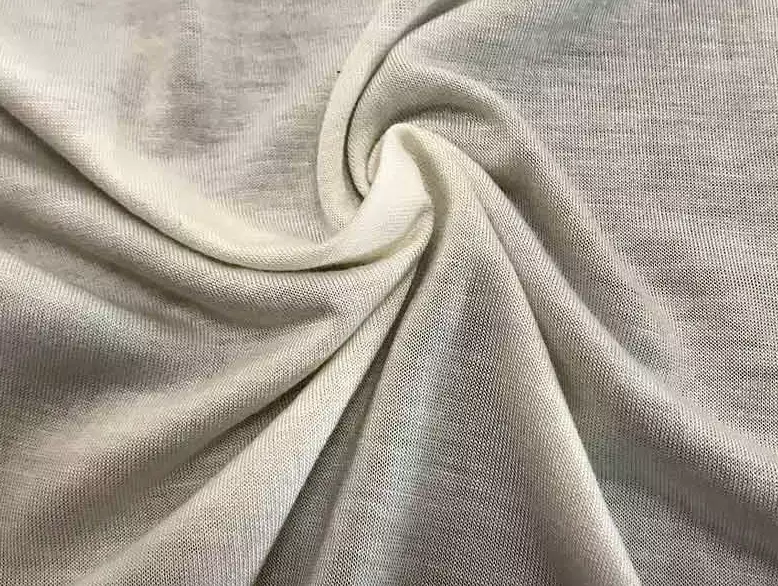
Silk's breathability comes from its natural protein structure. Each silk filament, produced by the silkworm, is a triangular prism. This shape allows it to refract light (giving that famous sheen) and, more importantly for us, creates microscopic gaps in the fabric when woven. These gaps let air pass through.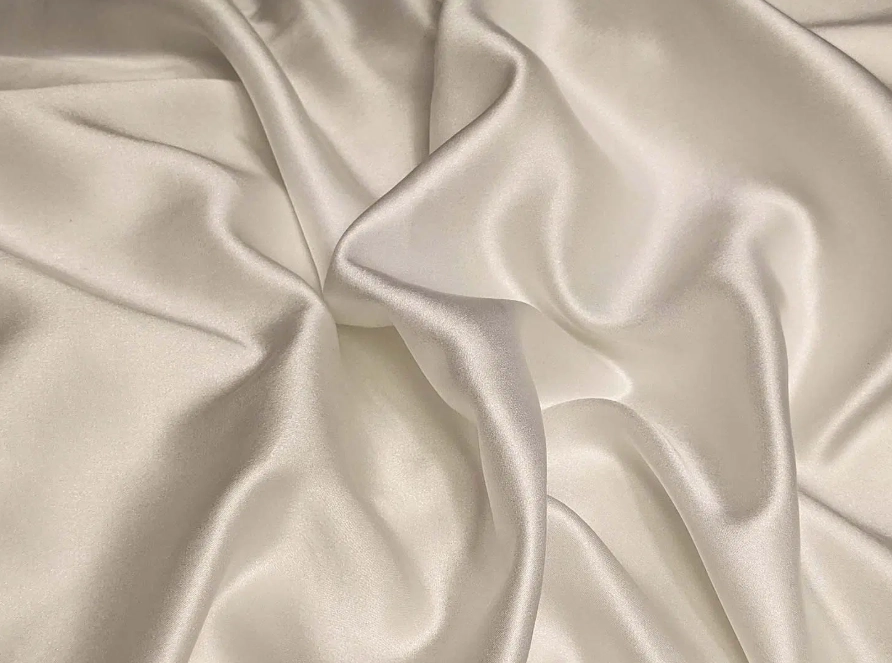
Here's the part most miss: silk is also moderately hygroscopic. It can absorb about 11% of its weight in moisture vapor from your skin before it feels damp. Compare that to polyester, which absorbs less than 1%, and you see why silk feels better against the skin. It pulls sweat vapor away, letting it evaporate from the fabric's surface.
Silk vs. Cotton, Linen & Synthetics: The Breathability Showdown
Calling a fabric "breathable" is meaningless without context. Let's put silk in the ring with its main competitors. This isn't about declaring one winner, but understanding which fabric wins in specific scenarios.
| Fabric | Breathability (Airflow) | Moisture Wicking (Vapor) | Drying Speed | Best For | Worst For |
|---|---|---|---|---|---|
| Silk (Habotai) | Good | Very Good | Slow to Moderate | Moderate climates, sleepwear, base layers, dry heat. | High-intensity sweat, humid rainforest-like conditions. |
| Cotton | Very Good (when loose) | Good | Slow | Casual wear in dry heat, absorbs sweat well. | Stays wet longer, can feel clammy and heavy when soaked. |
| Linen | Excellent | Good | Fast | Hot, humid weather. The king of airflow. | Formal wear where drape and sheen are desired. Wrinkles easily. |
| Merino Wool | Good | Excellent | Fast | Temperature regulation across climates, activewear, odor resistance. | Those with wool sensitivities, very high heat. |
| Polyester (Performance) | Poor | Poor (but transports liquid sweat) | Very Fast | High-intensity sports where moving liquid sweat away is key. | Everyday comfort, can feel plasticky and trap odors. |
See the pattern? Silk sits in a unique niche. It's not the most airy (linen wins), nor the fastest dryer (synthetics win). Its superpower is managing that pre-sweat moisture vapor with a luxurious feel. I often recommend it for travel pajamas or a summer blouse for a dry evening out. For a swampy afternoon commute? I'd reach for linen.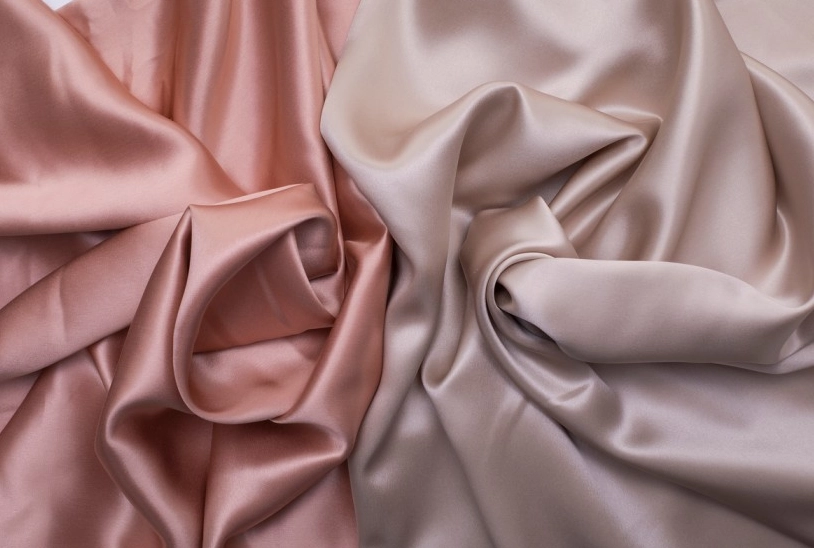
Why Silk Type and Weave Matter More Than You Think
This is the biggest mistake shoppers make. Assuming all silk is the same. A thick silk dupioni and a thin silk chiffon have wildly different breathability profiles.
The Major Silk Types
Mulberry Silk (the most common): This is your benchmark. Uniform, smooth fibers create a consistent, breathable fabric. Great all-rounder.
Tussah/Wild Silk: Comes from wild silkworms. The fibers are shorter, thicker, and less uniform. This often creates a slightly nubby, textured weave that, counterintuitively, can be more breathable than some mulberry silks because the texture naturally creates more air pockets. It's my secret tip for a more rustic, airy silk feel.
Weaves That Make or Break Breathability
The weave determines how tightly those triangular filaments are packed together.
- Habotai/Charmeuse: Tight, smooth, and satiny. Breathability is moderate. It feels cool initially but can trap heat if the weave is very dense.
- Chiffon & Georgette: Sheer, open weaves. These are highly breathable, almost like a second skin. Perfect for hot weather scarves or overlays.
- Crepe de Chine: A crinkled texture with a slight pebbled surface. The texture creates tiny air channels, making it one of the most breathable and practical silk weaves for clothing. It's also less prone to showing water spots.
- Dupioni: A slubbed, irregular weave. It can be surprisingly breathable due to the texture, but it's often stiff and used in structured garments, which can limit airflow around the body.
The Best Uses for Breathable Silk (And Where It Fails)
Based on its properties, here’s where silk truly shines and where you should probably pick something else.
Silk Wins:
- Sleepwear and Bedding: This is silk's champion category. It manages nighttime moisture vapor beautifully, doesn't tangle hair, and feels consistently comfortable. A 19-22 momme mulberry silk pillowcase is a game-changer.
- Summer Base Layers: A thin silk camisole or tank under a blazer in air-conditioned offices is perfect. It wicks vapor, feels luxurious, and is thin enough not to add bulk.
- Travel Clothing: Silk is lightweight, packs small, and its odor resistance (compared to synthetics) is a major plus. A crepe de Chine shirt or dress is a travel staple for me.
- Dry Heat Wear: In a desert climate, a loose-fitting silk shirt can be excellent as it protects from the sun while allowing some airflow.
Silk Loses:
- High-Intensity Workout Gear: Forget it. Once you're pouring sweat, silk becomes a heavy, soggy mess that sticks to you. It lacks the mechanical moisture transport of technical fabrics.
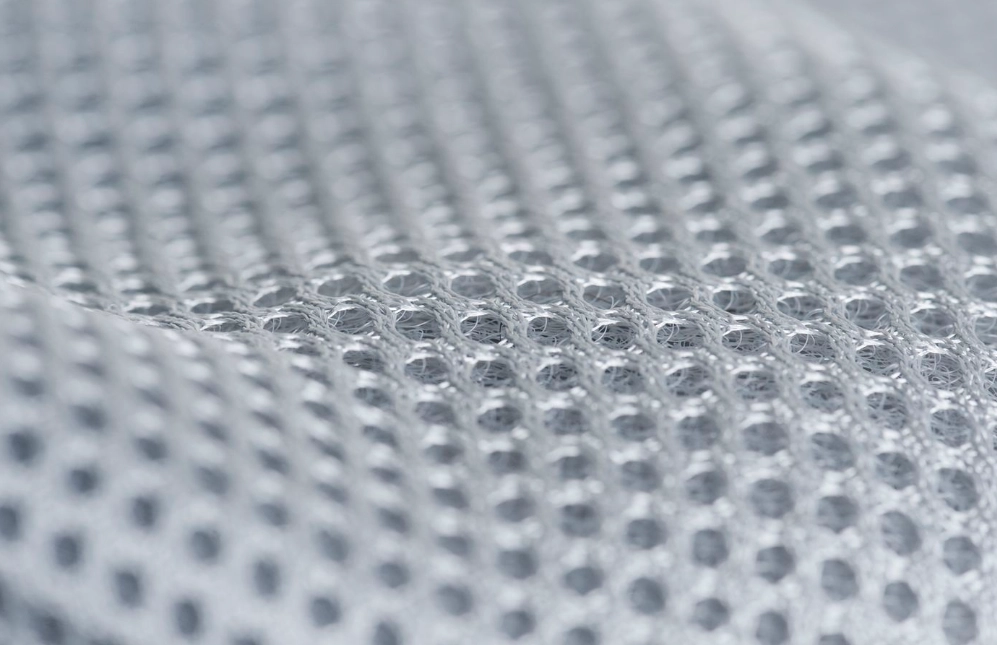
- Humid Rainforest Weather: In 90% humidity, silk's moisture absorption reaches its limit quickly. You'll feel damp. Linen or a very loose, technical mesh fabric is better.
- Heavy Winter Outer Layers: Silk is a terrible insulator when wet. While silk long johns can be a good base layer for dry cold, a soaked silk layer will make you colder faster than wool.
Caring for Your Silk to Preserve Its Breathability
Neglect ruins silk's breathability. Fabric softeners, heavy detergents, and high heat coat or break down the delicate fibers, clogging those microscopic air channels.
My method? Hand wash in cool water with a pH-neutral soap designed for delicates (like those from The Laundress or Eucalan). Never wring it out—roll it in a towel to press out water. Iron on a low, steam setting while slightly damp. The steam helps reopen the fibers. I've seen silk blouses lose their "life" and become stiff after repeated dry cleaning with harsh chemicals, which directly impacts how they feel against the skin.
Store silk loosely, not crammed in a closet. It needs to breathe even in storage.
Your Silk Breathability Questions, Answered