You've seen the labels. "Antimicrobial," "odor-fighting," "germ-resistant." It sounds like a miracle solution for gym clothes that smell fresh out of the dryer, hospital linens that stay cleaner, or kids' backpacks that don't become petri dishes. But what exactly is antimicrobial fabric, and does it live up to the promises? More importantly, how do you separate the genuinely useful applications from clever marketing? I've spent years working with and testing these materials, and I'm here to walk you through the reality, not just the sales pitch.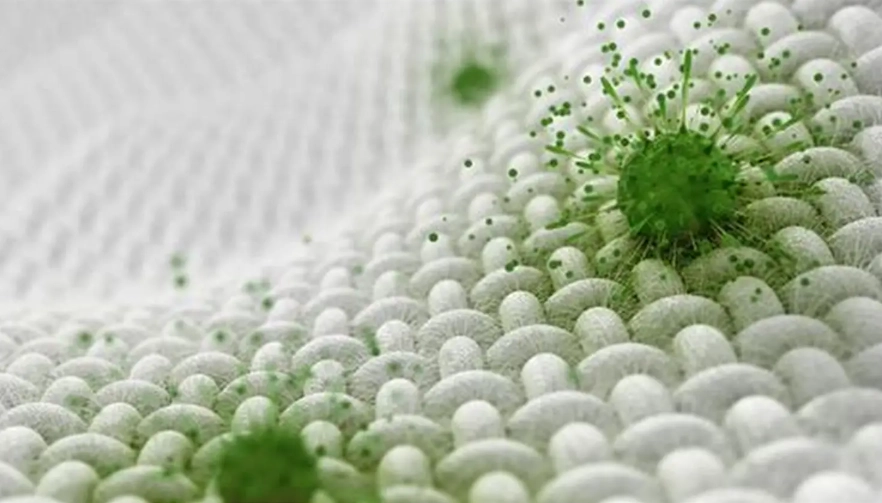
Your Quick Navigation Guide
How Does Antimicrobial Fabric Actually Work?
Let's get this straight first. Antimicrobial doesn't mean the fabric is a force field that repels all microbes like a superhero cape. It means the fabric has been treated or engineered to inhibit the growth of microorganisms—primarily bacteria and fungi (like mold and mildew).
The magic happens through active agents integrated into the fibers or coatings on the surface. Think of it less like a shield and more like a hostile environment for microbes trying to set up camp.
The Main Technologies Behind It
There are a few primary ways this is achieved, and the method impacts performance, durability, and feel.
Metallic Ions (Silver, Copper, Zinc): This is the most common and well-researched approach. Tiny particles of silver ions, for example, are embedded in the fibers. These ions interfere with the bacteria's cellular processes, preventing them from reproducing. You'll often see "silver-infused" or "copper-infused" on tags. A key point many miss: the effectiveness isn't about killing instantly on contact; it's about creating a surface where bacteria can't multiply to problematic levels.
Quaternary Ammonium Compounds (QACs): These are chemical treatments applied as a finish to the fabric. They work by disrupting the cell membranes of microbes. They can be very effective but may have durability issues with frequent washing, depending on the bonding technology used.
Inherently Antimicrobial Fibers: Some newer synthetic fibers, like certain polyesters, are engineered at the polymer stage to have antimicrobial properties built right in. This can offer better longevity than surface treatments.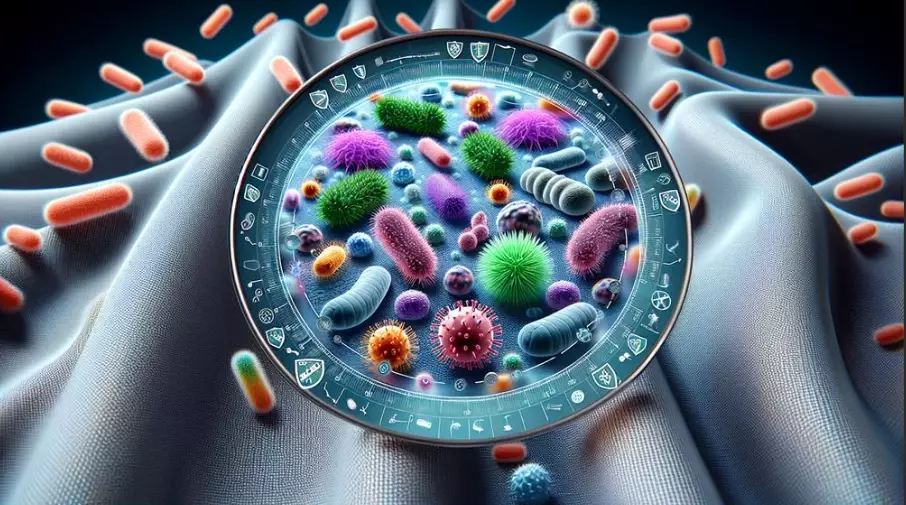
A common misconception I see is people expecting these fabrics to be "self-cleaning." They are not. They control microbial growth that causes odor and degradation. Dirt, sweat, oils, and stains still need to be washed out. The fabric just stays fresher between washes and lasts longer.
The Real Benefits (And Where They Matter Most)
So, what do you actually get? The benefits are tangible, but their importance varies wildly depending on what you're using the fabric for.
| Benefit | What It Means For You | Best Application Examples |
|---|---|---|
| Odor Control | This is the biggest consumer-facing perk. Bacteria feeding on sweat produce foul smells. By inhibiting bacteria, the fabric stays fresher for longer. Your workout shirt won't smell after one wear. | Sportswear, socks, everyday underwear, hiking apparel. |
| Hygiene & Infection Control | In environments where cross-contamination is a risk, reducing the microbial load on surfaces is critical. It's a supplementary barrier. | Hospital curtains, uniforms, bedding in healthcare settings, food service aprons. |
| Material Longevity | Bacteria and fungi can break down fabric fibers, leading to stains, discoloration (like yellowing underarm areas), and weakened material. Antimicrobial protection helps the fabric itself last longer. | Performance gear, towels, mattress covers, outdoor furniture fabric. |
| Allergy & Asthma Support | By inhibiting mold and dust mites (which are allergens, not bacteria), it can help create a better environment for sensitive individuals. It doesn't eliminate allergens but helps control their proliferation. | Pillowcases, mattress protectors, bedding, plush toys. |
Notice I didn't list "prevents all illness" as a benefit. That's a dangerous overstatement. While reducing surface bacteria is good, it's not a substitute for basic hygiene like handwashing. The U.S. Environmental Protection Agency (EPA) regulates antimicrobial products that make public health claims, so look for EPA registration if a product claims to protect against specific pathogens.
Where You'll Find It: Common Applications
Antimicrobial technology has moved far beyond just hospital gowns. Here's where it's making a real difference.
Performance & Athletic Apparel: This is the most visible market. Brands like Under Armour, Lululemon, and many others use silver-based technologies. The value proposition is clear: less stink, more wears between washes, which is great for travelers or anyone with an active lifestyle.
Medical & Healthcare Textiles: This is where the technology is arguably most vital. From staff scrubs to patient gowns, cubicle curtains, and even wound dressings, the goal is to reduce the risk of Healthcare-Associated Infections (HAIs). Studies, including those cited by the Association for the Advancement of Medical Instrumentation (AAMI), show these fabrics can be a valuable part of an overall infection control protocol.
Home Textiles: Mattress protectors, pillowcases, and towels are increasingly featuring antimicrobial properties. For someone with night sweats or allergies, a mattress protector that inhibits mold and dust mites can be a game-changer. It's not magic, but it adds a layer of protection.
Travel & Everyday Gear: Think backpacks, luggage liners, yoga mats, and shoe liners. These are high-touch items that get thrown in dirty cars, airport floors, and gym bags. An antimicrobial treatment here helps manage the "ick" factor over time.
How to Choose the Right Antimicrobial Fabric
Not all antimicrobial fabrics are created equal. Here’s my practical checklist, born from seeing products fail and succeed.
1. Identify Your Primary Need. Are you battling workout odor? Concerned about allergens in bedding? Needing gear for a humid climate? Your goal dictates the priority. Odor control for sports? Look for silver-infused synthetics. Allergies? A tightly woven, mite-inhibiting mattress cover might be more effective than a spray-on treatment on a loose weave.
2. Scrutinize the Durability Claims. The million-dollar question: "Will it survive the wash?" A finish sprayed on cheap fabric will wash out in 10-20 cycles. Look for terms like "built-in," "fiber-integrated," or "durable finish." Brands that are confident will often state the expected wash longevity (e.g., "effective for the life of the product" or "maintains efficacy for over 50 washes"). If they're vague, be skeptical.
3. Feel and Breathability Matter. Some early antimicrobial coatings felt stiff or plasticky. Modern integrations are much better. But always check reviews about the fabric's hand feel and breathability, especially for clothing. A shirt that doesn't breathe will make you sweat more, counteracting the odor benefit.
4. Don't Ignore Care Instructions. This is critical. Using bleach or harsh detergents can degrade some antimicrobial agents, especially silver-based ones. Usually, a mild detergent and avoiding fabric softeners (which can coat the fibers and block the antimicrobial action) is the way to go. Read the label.
5. Consider the Cost-Benefit. Antimicrobial features add cost. For a pair of hiking socks you'll wear for days on the trail, it's probably worth the premium. For a decorative throw pillow you'll dry clean once a year, it's likely an unnecessary upsell.
Antimicrobial Fabric: Your Questions Answered
Does antimicrobial fabric kill viruses like COVID-19?
This is a major area of confusion. Most general-purpose antimicrobial fabrics are tested and effective against bacteria and fungi, not viruses. Viruses are structurally different. Some specific copper-infused fabrics have been shown to have virucidal properties and are used in healthcare settings for this reason. For the average consumer product, you should not assume it protects against viruses. Always rely on proper cleaning and disinfection protocols for viral protection, as recommended by the Centers for Disease Control and Prevention (CDC).
Is antimicrobial fabric safe for sensitive skin or babies?
Generally, yes, when used correctly in finished products. The antimicrobial agents are bound within the fabric and are not designed to leach out in significant amounts. However, if you or your child has extremely sensitive skin or metal allergies (e.g., a silver allergy, which is rare), it might be wise to patch-test or opt for untreated organic cotton. The bigger issue I've seen is people using harsh detergents to wash these items, thinking they need "extra cleaning," which is more likely to cause irritation than the fabric itself.
Can I make my own regular fabric antimicrobial with a spray?
You can buy aftermarket sprays, but temper your expectations. These are surface treatments. They will offer very temporary, limited protection and will wash out completely after one or two laundry cycles. They might be okay for freshening up shoes or a gym bag between proper cleanings, but they are not a substitute for integrated fabric technology. They also often leave a residue that can affect fabric breathability.
 My antimicrobial workout clothes still smell eventually. Did I get a bad product?
Not necessarily. Remember, the fabric inhibits microbial growth that causes odor. It doesn't magically vanish sweat, body oils, and salts. Over time, these residues build up on the fabric (often embedded in the fibers), and bacteria can start to multiply on that organic matter, not directly on the fiber. The fix is usually a proper wash: use a sport-specific detergent, wash in warm (not cold) water, avoid fabric softener, and consider a monthly soak in a vinegar solution or dedicated sports wash to break down the residue. The antimicrobial property is still working to slow things down, but it's not a no-wash technology.
Are there any environmental concerns with antimicrobial fabrics?
This is a valid and growing concern. The primary issue is with silver nanoparticles potentially leaching out during washing and entering waterways, where they could affect aquatic ecosystems. The industry is working on better binding technologies to prevent this. As a consumer, you can look for certifications like Bluesign or Oeko-Tex Standard 100, which consider environmental and safety parameters. Choosing quality items that last longer and washing them less frequently (because they don't smell) can also offset some environmental impact.
The bottom line? Antimicrobial fabric is a powerful tool, not a panacea. It solves specific problems—odor, material degradation, supplemental hygiene—incredibly well when the technology is properly applied to a suitable product. Avoid the hype, focus on your actual need, check the durability specs, and care for the item as directed. When you do that, you'll find it's a worthwhile innovation that makes a lot of daily life just a bit fresher and more durable.