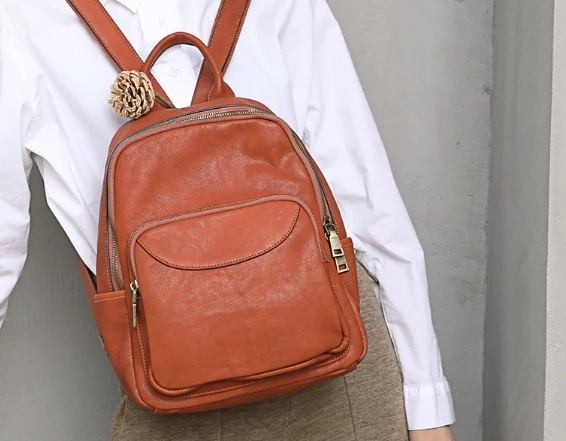
Let's cut to the chase. You're standing in a store, holding a beautiful leather bag in one hand and a nearly identical vegan leather version in the other. The price tags are different, the feel is slightly off, and your brain is stuck in a loop: which one is the right choice? Not just for your wallet today, but for the planet and for the item to last you years? The marketing shouts "sustainable!" from both sides. The internet is a warzone of opinions. I've been working with and studying materials for over a decade, and I can tell you the answer isn't in a catchy slogan. It's a messy, nuanced equation involving chemistry, animal husbandry, consumer habits, and your personal values. This guide is your map through that complexity.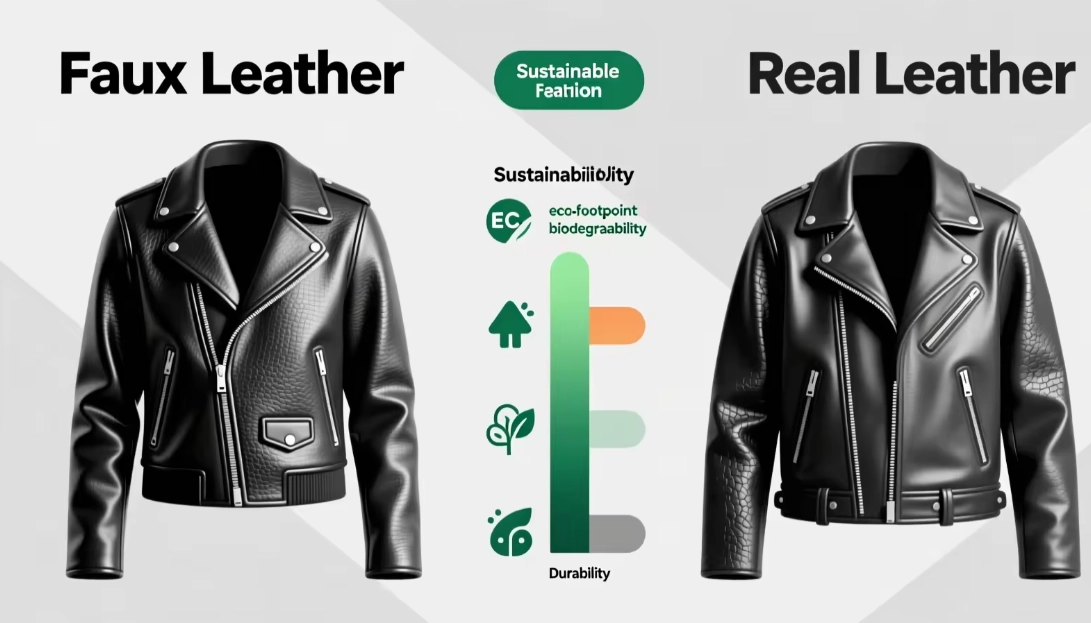
What You'll Find in This Guide
The 60-Second Showdown: Key Differences at a Glance
Before we dive into the weeds, here's the high-level scorecard. This table isn't the final verdict, but it sets the stage for the deeper discussion.
| Aspect | Genuine Leather (Bovine) | Faux Leather (Standard PU/PVC) | Emerging "Eco" Alternatives (e.g., Apple, Mushroom, Cactus) |
|---|---|---|---|
| Core Material | Tanned animal hide (cow, sheep, goat). A by-product of the meat & dairy industry. | Polyurethane (PU) or Polyvinyl Chloride (PVC) fabric layered onto a polyester base. | Biopolymers from plant waste, grown mycelium, or other natural materials combined with binders. |
| Primary Environmental Concern | Livestock methane, deforestation, toxic tanning chemicals (chromium). High water footprint. | Fossil fuel extraction, non-biodegradability, microplastic shedding. PVC involves chlorine. | Scale of production, energy use in processing, end-of-life compostability (often limited to industrial facilities). |
| Durability & Aging | Can last decades. Develops a patina (desirable wear). Weakens if dried out or exposed to extreme moisture. | Surface prone to cracking, peeling, and sticky degradation in 2-5 years. Doesn't "age," it deteriorates. | Varies wildly. Some are surprisingly durable; others are still in R&D phase for heavy-use items. |
| Care & Repair | Requires conditioning. Scratches can be buffed. Professional repair is often possible. | Wipe clean only. Once the top layer splits, repair is nearly impossible. | Follow specific maker guidelines. Repairability is a current challenge. |
| Cost (Initial) | Generally higher, reflecting material and labor cost. | Generally lower, reflecting industrial chemical production. | Often premium-priced due to novelty and smaller-scale production. |
See the trade-offs? There's no column that wins every row. Now, let's unpack why.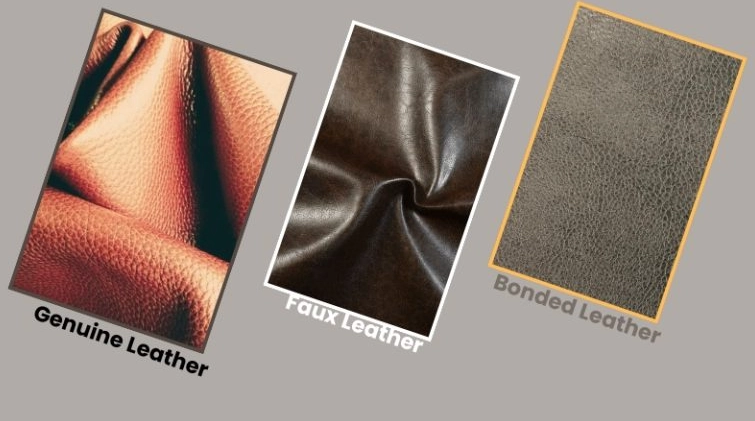
The Sustainability Deep Dive: It's More Than Just Cows vs. Plastic
When people say "sustainable," they're usually mashing together three separate ideas: environmental impact, animal welfare, and social ethics. We need to pull them apart.
The Environmental Impact of Real Leather: The Ranch, The Tannery, The Water
The biggest hit comes from the cow itself. According to a UN Food and Agriculture Organization (FAO) report, livestock is a major contributor to greenhouse gases. Deforestation for pasture is a real issue in places like the Amazon. Then there's tanning. Traditional chrome tanning is fast and effective but uses toxic heavy metals that can pollute waterways if not managed properly. Vegetable tanning is an older, more natural method using tree bark, but it's slower, more expensive, and still uses vast amounts of water. The common defense is that leather is a co-product of the meat industry—the hide would be waste otherwise. That's true, but it also means its environmental burden is intrinsically tied to industrial-scale meat production, which is a deal-breaker for many.
The Environmental Impact of Faux Leather: The Petrochemical Lifecycle
Faux leather's origin story is in an oil well. PU and PVC are plastics, derived from fossil fuels. Their production releases pollutants. They are not biodegradable. A faux leather jacket will sit in a landfill for centuries, slowly breaking down into microplastics. PVC is particularly nasty because its production and incineration can release dioxins. The microplastic shedding is a silent issue—every time you rub against a faux leather car seat or bag, tiny plastic particles flake off. Furthermore, a 2020 report by the Sustainable Apparel Coalition's Higg Index suggested that, pound for pound, conventional faux leather has a lower impact on some metrics like greenhouse gases and water use than bovine leather. But that snapshot misses the long-term waste and toxicity picture.
Animal Welfare and Social Ethics: The Hidden Layers
For many, this is the non-negotiable core of the choice. If avoiding animal products is a primary ethical stance, then genuine leather is off the table, regardless of its durability. That's a clear and valid boundary. On the social side, consider labor. Tannery work in some developing countries can be hazardous. Conversely, the chemical plants producing PVC have their own worker safety records to examine. There's no inherently "ethical" supply chain—it requires brand transparency and certification digging, for both real and faux materials.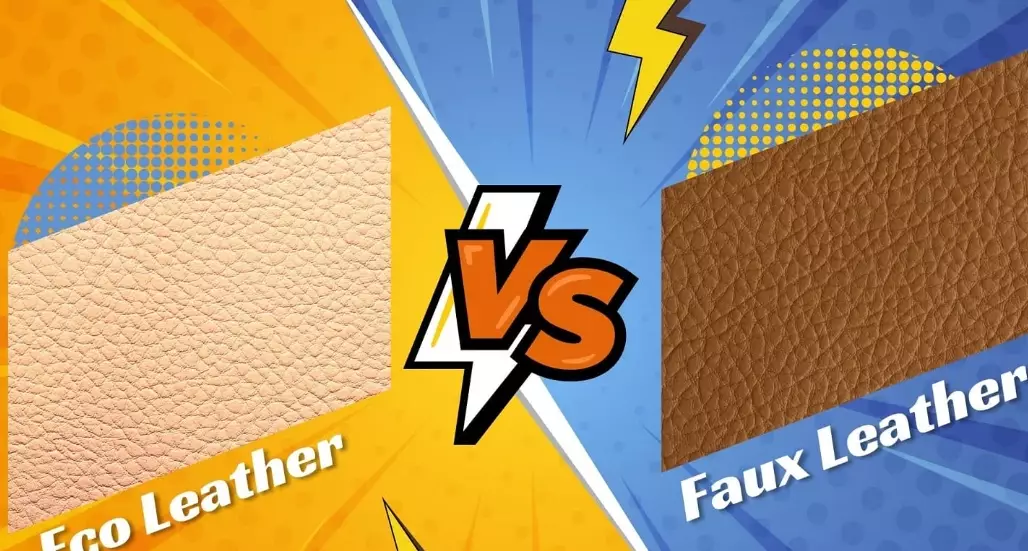
The Durability Reality Check: What Actually Lasts?
This is where my personal experience screams. I have my grandfather's leather work belt, thick and supple after 40 years. I also have a pile of cracked, peeling faux leather office chairs and handbags from the last decade. The difference isn't just anecdotal; it's chemical.
Why Real Leather Can Be Heirloom-Quality
Leather is a dense, fibrous protein matrix (collagen). Good quality full-grain or top-grain leather retains that structure. When you condition it with oils, you're replenishing what time and dryness take away. Scratches can blend into the character. The patina—that rich, dark glow—is a sign of the leather absorbing oils from your hands and the environment, actually becoming more beautiful. Its weakness is prolonged water exposure (can cause rot) and neglect. Let it dry out completely, and it becomes brittle and can crack.
Why Most Faux Leather Has a Built-In Expiry Date
Standard faux leather is a coating. Imagine a layer of plastic paint on a fabric backing. Plasticizers (chemicals that keep the PVC/PU flexible) eventually migrate out or break down. This causes the coating to become stiff, then it cracks. Sunlight (UV), heat, and friction accelerate this. Once that top layer splits, the fabric underneath is exposed, and the item is functionally ruined. You can't condition it back to health. The durability is 100% dependent on the integrity of that plastic coating, which has a finite chemical lifespan. I've seen "high-quality" faux leather shoes disintegrate after two seasons of regular wear.
This durability gap is the critical pivot in the sustainability debate. A less durable item has a higher environmental cost per year of use. If you buy a faux leather sofa that needs replacing in 5 years versus a leather one that lasts 25, you've manufactured, shipped, and disposed of five sofas to one.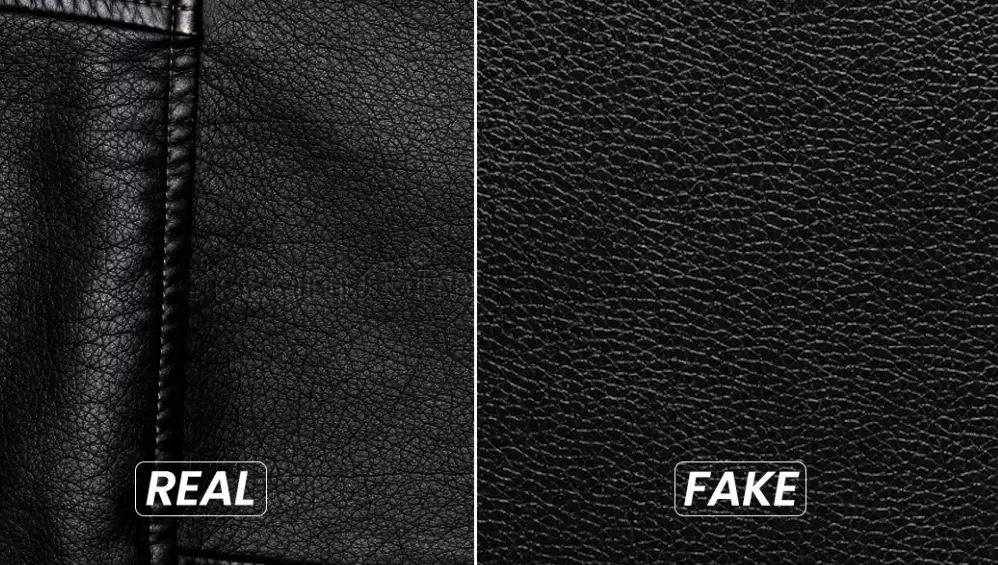
How to Choose: Aligning Material with Your Values and Use
So, how do you navigate this? Stop looking for a universal "best" and start asking better questions.
Scenario 1: You're buying a daily-use, long-term item (e.g., a sofa, a work bag, boots).
Prioritize longevity. Here, high-quality, responsibly sourced leather often makes the most practical and ecological sense. Look for terms like "full-grain," "vegetable-tanned," or certifications like the Leather Working Group (LWG) rating for environmental stewardship in tanning. The higher upfront cost amortizes over decades. If you are ethically opposed to leather, seek out the new generation of plant-based materials (like Mirum or certain mushroom leathers) that are being engineered for durability, not just fashion items. Avoid standard PU/PVC for these cornerstone pieces.
Scenario 2: You're buying a trendy, seasonal item (e.g., a fast-fashion jacket, a decorative pillow).
You know you might not love it in 3 years. The ethical choice here is to buy secondhand first. If buying new, the lower impact might ironically be a well-made faux item, simply because you're not investing in the heavy resource load of leather for a short-life product. But the best choice is to question the purchase altogether.
Scenario 3: You need waterproof, easy-clean performance (e.g., athletic shoes, a raincoat).
Modern technical fabrics (recycled polyester with specialized coatings) often outperform both leather and standard faux leather here. Don't force the leather/faux dichotomy.
The Personal Value Filter:
- If animal welfare is your absolute priority, your path is clear: seek out vegan options, but invest in the most durable ones you can find (like high-quality PU or innovative bio-materials) and commit to caring for them.
- If long-term waste reduction is your driver, a vintage leather item or a new, ultra-durable leather good might be your most sustainable buy.
- If avoiding plastics and chemicals is key, vegetable-tanned leather or natural fabric alternatives (waxed canvas, cork) are your friends.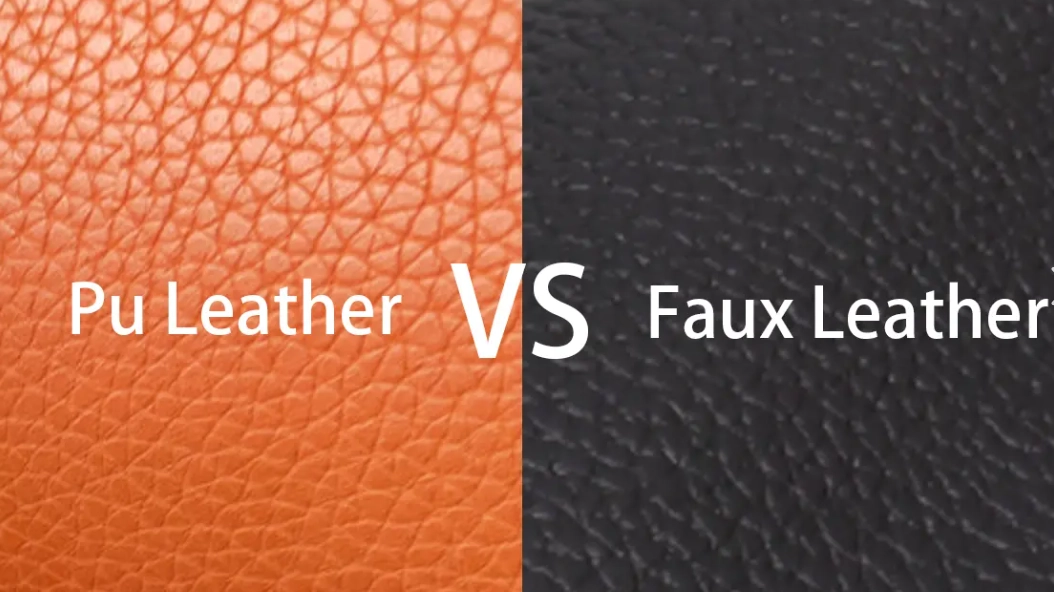
Your Burning Questions, Answered
Faux leather is marketed as eco-friendly, but why does it always seem to crack and peel so quickly?
Is genuine leather always more durable than faux?
What's the single most sustainable choice I can make right now?
How can I tell if I'm buying good quality leather that will last?
Are the new plant-based leathers (apple, mushroom, pineapple) the perfect solution?
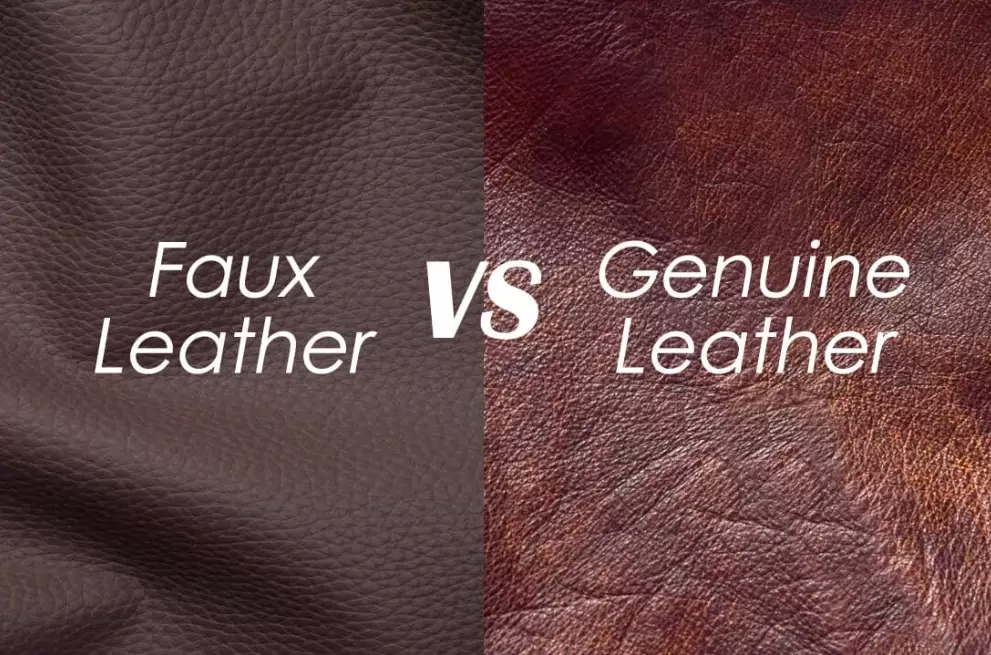 The leather versus faux leather debate won't be solved by a simple slogan. It demands we think in terms of lifecycles, not just materials. It asks us to value durability as a core component of sustainability. It requires us to align our purchases with our deepest values, not just passing trends. Your most sustainable choice is informed, intentional, and cares for what you already own.