You've probably felt it. That unbelievably soft t-shirt, the sheets that feel like a cool cloud, the underwear that just disappears when you put it on. There's a good chance that luxurious feel comes from a fabric called modal. But what exactly is it? Is it natural? Is it synthetic? And more importantly, is it worth the price tag and the hype? Let's cut through the marketing fluff. Modal is a type of rayon, a regenerated cellulose fiber made from beechwood pulp. Think of it as viscose's more sophisticated, high-performance cousin. It's not fully natural like cotton off the plant, but it's not a plastic-based synthetic like polyester either. It sits in that sweet spot of semi-synthetic, plant-based fibers that have revolutionized comfortable clothing.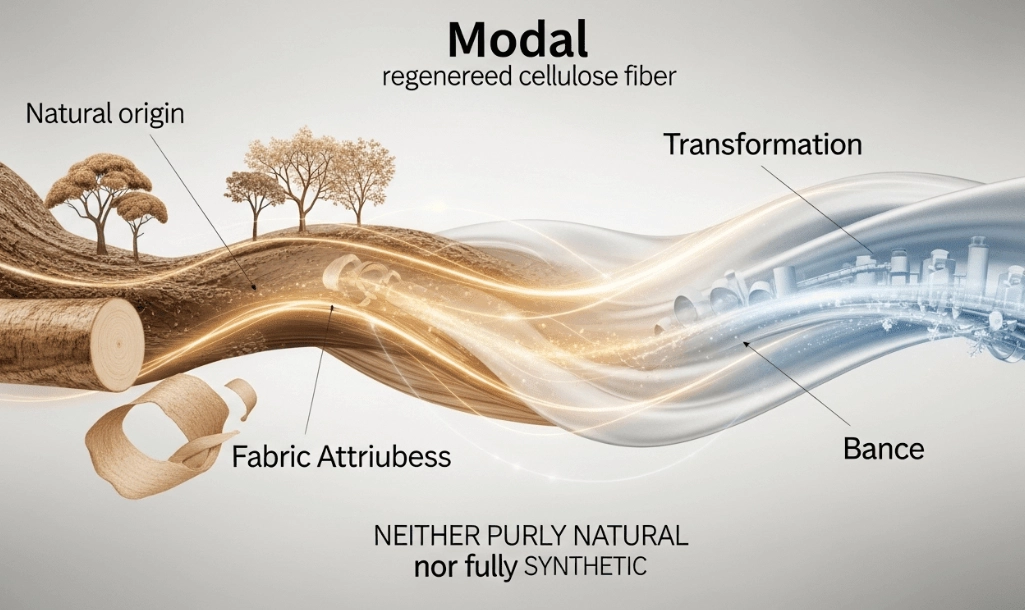
What's Inside This Modal Fabric Deep Dive?
What Exactly is Modal Fabric?
Let's start with the basics. Modal is made from the pulp of beech trees. These trees often grow sustainably without artificial watering or pesticides, which is a big part of modal's eco-friendly appeal. The wood pulp is broken down using a chemical process (similar to viscose/rayon) to create a cellulose solution, which is then forced through tiny spinnerets to form fibers. The key difference between standard viscose and modal lies in the processing. The manufacturing process for modal, often using a closed-loop system pioneered by the Austrian company Lenzing (who make TENCEL™ Modal), recovers and reuses most of the chemicals and water. This makes its environmental footprint notably smaller than conventional viscose.
So, is it natural? Technically, no. The raw material is natural, but human intervention is required to turn it into fiber. The industry term is "regenerated cellulose." Don't let that scare you. This process is what gives modal its superior qualities over plain old wood or cotton.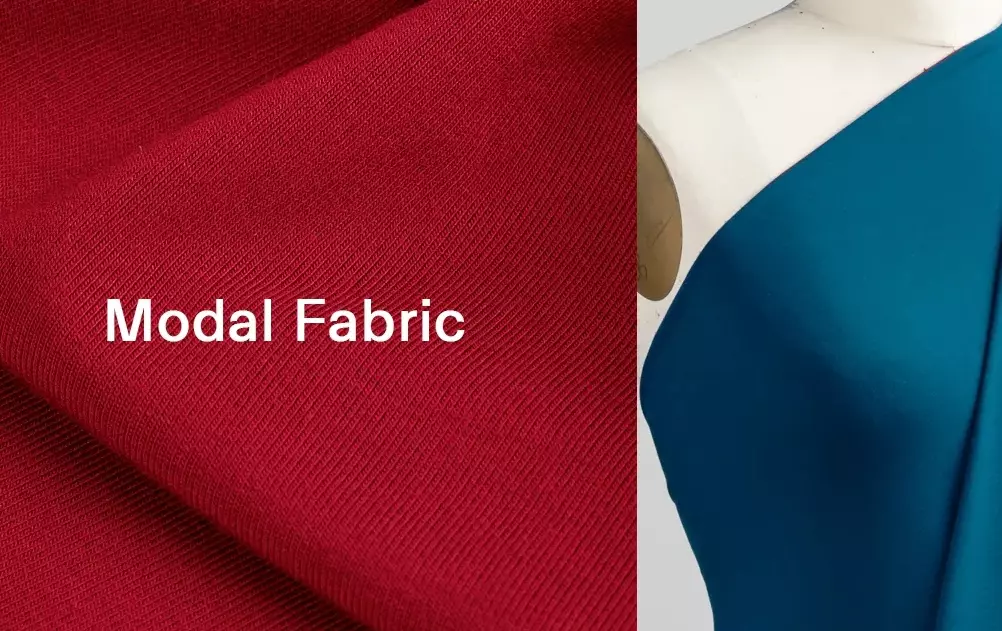
A Quick Note on TENCEL™: This is a brand name you'll see a lot. Lenzing's TENCEL™ is to modal what Kleenex is to tissues. TENCEL™ Modal is their specific, certified version of modal fiber, guaranteed to come from sustainable beechwood and produced in an environmentally responsible closed-loop process. When you see this label, you're getting a top-tier version of the fabric.
The Real Deal: Modal's Pros and Cons
Everyone talks about how soft modal is. It's true. But there's more to the story. Here’s a balanced, no-BS look at what this fabric delivers and where it might fall short.
Why People Love Modal (The Advantages)
That Legendary Softness and Drape: This is modal's headline act. The fibers are fine and smooth, resulting in a fabric that feels silky against the skin. It has a beautiful, fluid drape that makes clothing hang elegantly.
Breathability and Moisture-Wicking: Modal absorbs moisture (like sweat) about 50% more effectively than cotton. It pulls dampness away from your skin and releases it into the air. This makes it fantastic for activewear, sleepwear, and basics in warm weather. You stay drier.
Color Retention and Vibrancy: Dyes bond incredibly well to modal fibers. Colors look rich and deep, and they resist fading wash after wash much better than cotton. That black modal t-shirt will stay black longer.
Resistance to Pilling and Shrinking: When properly cared for, modal is less prone to the little fabric balls (pills) that plague cheap cotton. It's also more dimensionally stable, meaning it holds its shape and resists shrinking better than standard cotton or viscose.
Eco-Credentials (Compared to Conventional Viscose): The sustainable sourcing of beechwood and the efficient, closed-loop production process give modal a significantly lower environmental impact than many other semi-synthetic fibers. It’s a key reason brands touting sustainability love it.
The Not-So-Perfect Side (The Disadvantages)
It Can Wrinkle: Don't expect a crisp, ironed look. Modal has a relaxed drape, which means it can crease easily. A pure modal blouse will look elegantly flowy, not sharply structured. Some people see this as a downside, others as a feature.
Heat Sensitivity: This is the big one for care. Modal can weaken or even melt under very high heat. That means hot irons, high dryer settings, and boiling water are its enemies. You must follow care labels.
Potential for Shrinking with Abuse: While more shrink-resistant than viscose, tossing pure modal into a hot dryer is a surefire way to end up with a child-sized garment. I learned this the hard way with a favorite tank top.
Cost: High-quality modal, especially TENCEL™ Modal, costs more to produce than basic cotton or polyester. This cost is passed on to you. You're paying for the comfort, performance, and more sustainable process.
Durability When Wet: Like many rayon fibers, modal is stronger when dry than when wet. It can be slightly more delicate in the wash, which is why gentle cycles are recommended.
Where You'll Find Modal: From Underwear to Bed Sheets
Modal isn't just for one type of clothing. Its properties make it a superstar across categories. You'll most commonly find it in blends (like 95% modal, 5% elastane for stretch), but 100% modal items exist too.
- Underwear & Socks: This is arguably its best application. The softness and breathability are perfect for sensitive skin and all-day comfort. Brands like Hanky Panky and many major retailers use it extensively.
- T-Shirts, Tanks, and Loungewear: For the ultimate in soft, breathable basics. A modal tee feels like a luxury upgrade from a standard cotton one.
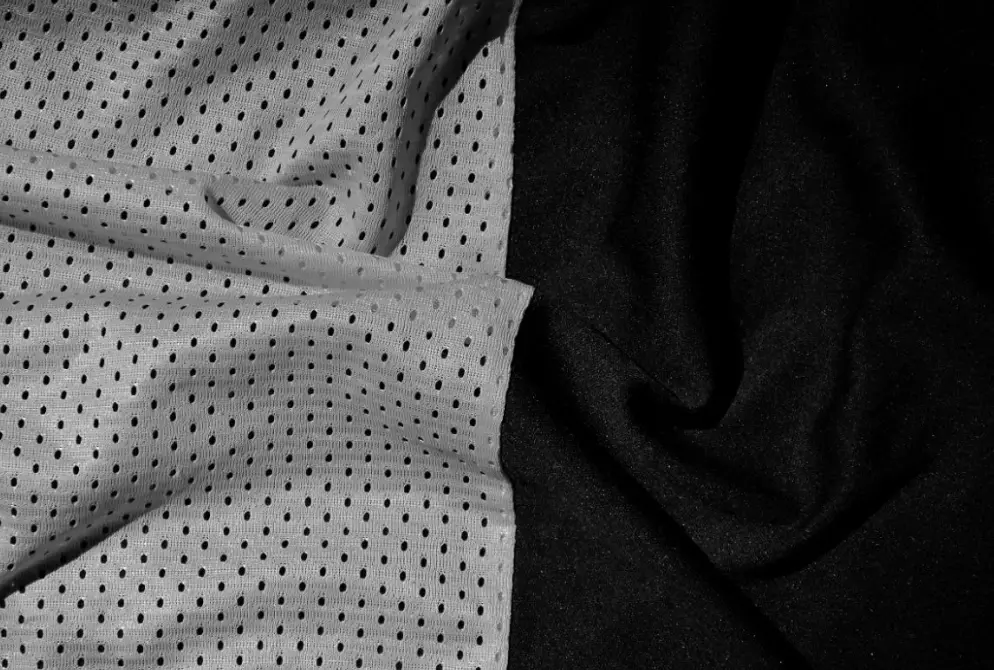
- Activewear and Yoga Pants: Its moisture-wicking ability makes it great for leggings and workout tops. It keeps you cool and dry.
- Sleepwear and Robes: The temperature-regulating and silky feel is ideal for pajamas and robes. It doesn't stick to you on a warm night.
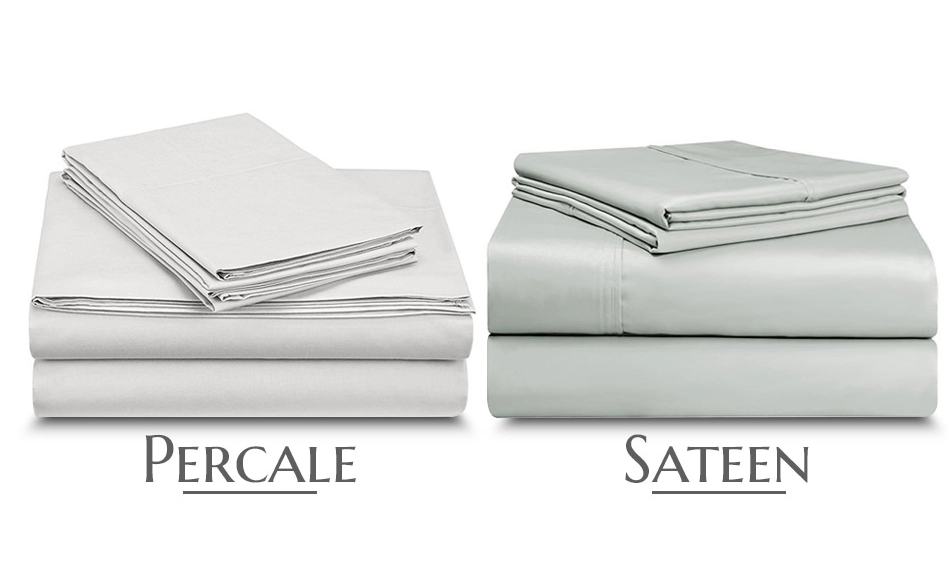
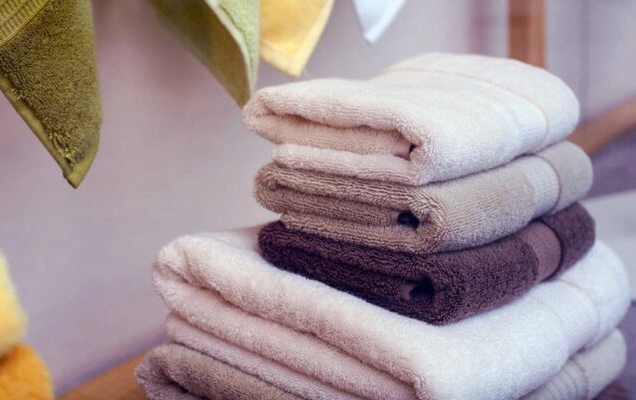
- Bed Linens and Towels: High-thread-count modal or modal-blend sheets are incredibly soft and cool to the touch. Modal towels are highly absorbent and dry quickly.
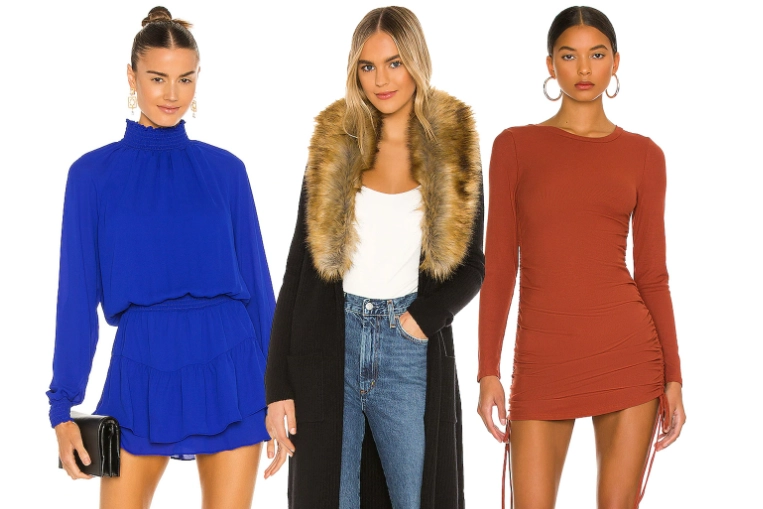
- Dresses and Flowy Tops: Designers use it for its beautiful drape in skirts, dresses, and blouses.
How to Care for Modal Clothing (So It Lasts)
Treat modal right, and it will reward you. Treat it wrong, and you'll be disappointed. Here’s the simple protocol I follow.
Washing: Turn garments inside out. Use cold or lukewarm water on a gentle or delicate cycle. Avoid harsh detergents; a mild liquid soap works best.
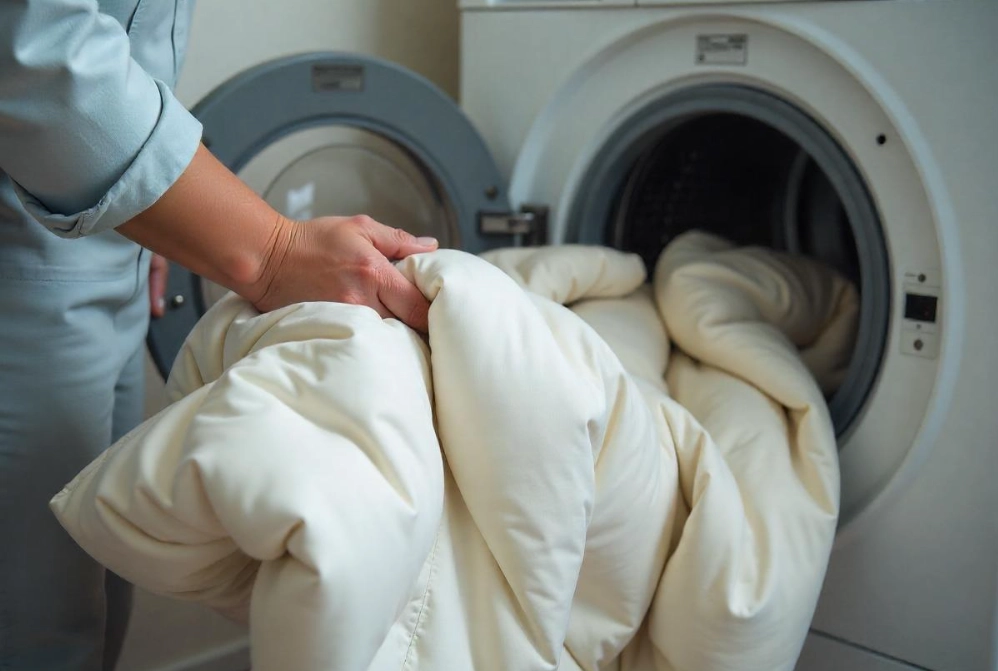
Drying: This is critical. Air dry is king. Lay the item flat on a drying rack or hang it to dry. If you must use a dryer, select the lowest heat setting (tumble dry low) or no-heat air fluff cycle, and remove the item while it's still slightly damp to smooth out and finish air drying.
Ironing: If you need to remove wrinkles, use a low heat setting (silk or synthetic setting). Never use a high heat. A steamer is actually a better, safer tool for modal fabrics.
Storage: Fold knits and delicate items. You can hang woven modal blouses, but be aware of potential shoulder bumps from thin hangers; padded hangers are better.
How Does Modal Compare to Other Fabrics?
Let's put it side-by-side with its main competitors. This table breaks down the key differences.
| Fabric | Source | Feel & Drape | Breathability | Key Strength | Key Weakness |
|---|---|---|---|---|---|
| Modal | Beechwood Pulp (Regenerated Cellulose) | Exceptionally soft, silky, fluid drape | Excellent | Moisture-wicking, color vibrancy, eco-process | Heat sensitive, can wrinkle |
| Cotton | Cotton Plant (Natural) | Soft (varies), can be crisp or soft | Good | Durable, breathable, easy care | Holds moisture, can shrink, pills |
| Viscose/Rayon | Wood Pulp (Regenerated Cellulose) | Soft, drapey, can be slippery | Very Good | Inexpensive, good drape | Weakens when wet, shrinks easily, less eco-friendly process |
| Polyester | Petroleum (Synthetic) | Often smooth, can feel plastic-y | Poor (traps heat) | Strong, wrinkle-resistant, dries fast | Not breathable, can hold odors, not biodegradable |
| Lyocell (TENCEL™) | Eucalyptus Pulp (Regenerated Cellulose) | Soft, smooth, cool to touch | Excellent | Extremely eco-friendly process, strong, antibacterial | Can have a slightly stiffer hand than modal, cost |
Modal vs. Cotton: Modal is softer, more breathable when you're sweating, and holds color better. Cotton is generally more durable to rough washing and cheaper. For a super-soft everyday tee, modal wins. For hard-wearing work shirts, cotton is better.
Modal vs. Viscose: They start from the same place, but modal is the upgraded version. It's stronger, more absorbent, more shrink-resistant, and typically made with a greener process. Viscose is often cheaper but more delicate.
Modal vs. Lyocell (TENCEL™): This is a close race. Lyocell, often from eucalyptus, uses an even more advanced eco-process. It's incredibly strong, even when wet, and has natural antibacterial properties. Modal tends to feel a bit silkier and softer right out of the gate, while lyocell has a unique cool, smooth texture. Both are top-tier sustainable fibers.
Your Modal Questions, Answered
Is modal fabric good for summer?
It's one of the best. Its high breathability and superior moisture-wicking mean it pulls sweat away from your body and lets it evaporate quickly, keeping you cooler and drier than cotton in hot, humid weather. Just opt for lighter colors and looser weaves for maximum airflow.
Does modal fabric shrink in the wash?
It can, but it's more resistant than viscose. The primary cause of shrinking is high heat. If you consistently wash in cold water and air dry, modal garments will maintain their size very well. The first hot dryer cycle is where most shrinkage disasters happen.
Is modal better than cotton?
"Better" depends on your needs. For softness, breathability during activity, color retention, and a luxurious drape, modal has a clear edge. For durability under abrasive conditions, ease of care with high heat, and lower cost, cotton is the practical choice. For underwear and soft basics, I personally prefer modal.
Can you put modal in the dryer?
You can, but you shouldn't on high heat. If you must machine dry, use the lowest heat setting (tumble dry low) and remove the items while they are still slightly damp. Better yet, get in the habit of air-drying modal. It extends the life of the garment immensely and prevents any risk of heat damage.
Is modal fabric stretchy?
Pure modal has a slight natural give but is not stretchy like spandex. However, it is almost always blended with a small percentage of elastane (like 5%) to add stretch, especially in items like underwear, leggings, and fitted t-shirts. Always check the fiber content label.
Is modal fabric see-through?
This depends entirely on the weight and weave of the fabric, not the fiber itself. A lightweight, loosely knit modal tee can be sheer. A denser knit or a double-layer modal fabric will be opaque. When shopping online, read reviews or look for terms like "opaque" or "substantial weight."
So, what's the final verdict? Modal fabric is a fantastic choice when you prioritize comfort, breathability, and a touch of luxury in your everyday clothes. It's a smart, semi-synthetic option with a decent environmental story, especially when it carries the TENCEL™ Modal certification. Just remember to treat it gently—cold wash, air dry, low heat. Do that, and those buttery-soft modal pieces will be favorites in your wardrobe for years.