Linen feels different. It's cool, crisp, and has a texture that tells a story. That story begins not in a factory, but in a field with delicate blue flowers. Making linen fabric is one of the oldest human crafts, a fascinating alchemy that transforms the tall, willowy flax plant into one of the world's most beloved textiles. It's a process that hasn't changed in its essence for millennia, though modern machines have stepped in to scale it up. If you've ever wondered how that rough stalk becomes a smooth, breathable shirt or a sturdy bag, you're about to see the remarkable eight-stage journey.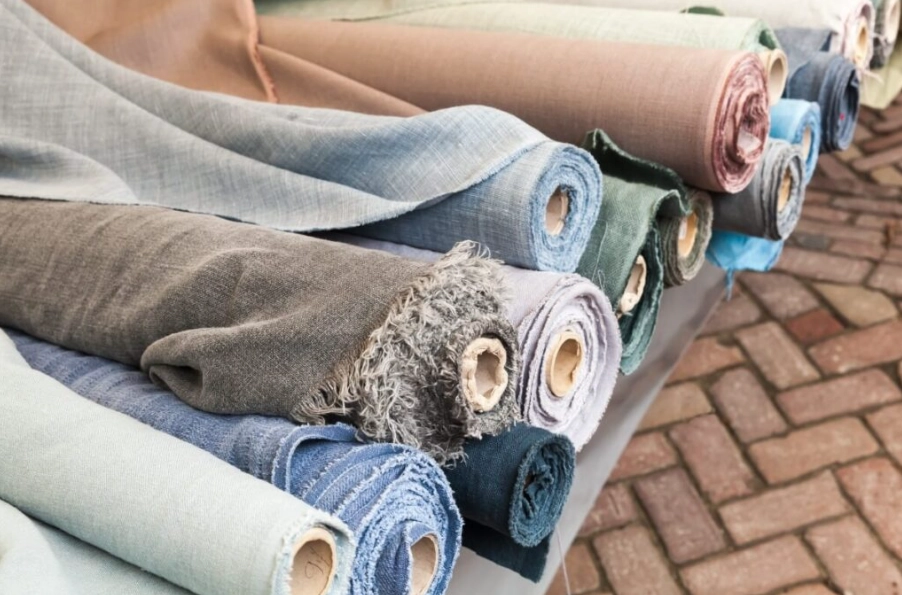
Your Quick Guide to Linen's Journey
It All Starts With a Specific Plant
First, a crucial distinction. Linen is made from the fibers of the Linum usitatissimum plant, commonly called flax. It's not cotton, and it's not hemp, though they're often confused. Flax is grown for two things: its seeds (linseeds) and the long, strong fibers in its stalk. For linen, we want the stalks. The best flax for fiber grows in cool, damp climates – think Northern France, Belgium, the Netherlands, and parts of Eastern Europe. The soil and climate there produce fibers with a renowned fineness and strength. I've seen fields in Normandy where the soil is just right, and the resulting linen has a suppleness that's hard to match from other regions.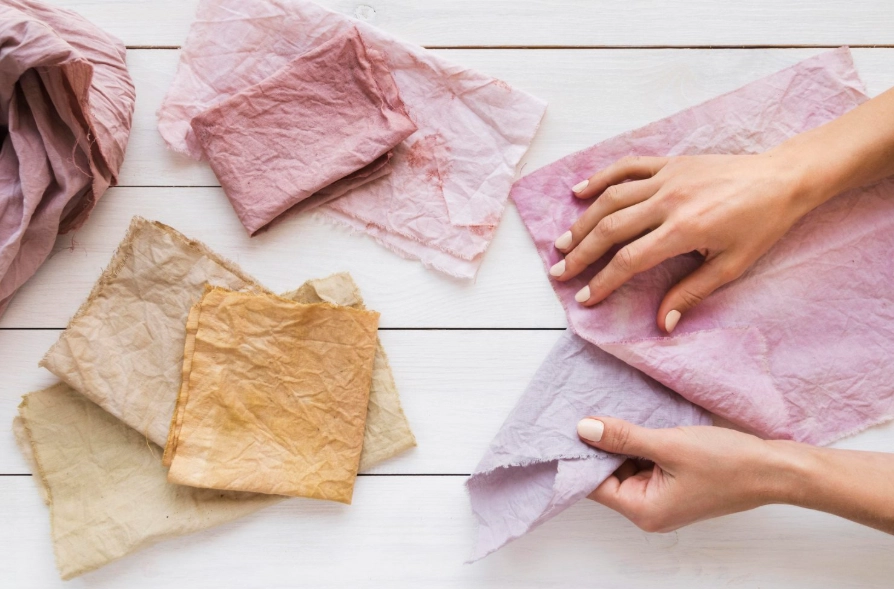
How is Linen Fabric Made? The 8 Key Stages
The transformation from plant to cloth is methodical. Skip or rush one step, and you compromise the fiber's natural beauty and strength.
1. Cultivation & Harvesting
Flax is sown in spring and grows about a meter tall. Harvesting is timing-critical. If you wait too long, the stalks become woody and the fibers coarse. Harvest typically happens about 100 days after sowing, when the stalks turn yellow and the seeds brown. The plant is pulled from the ground, roots and all, to maximize fiber length. It's not cut. This is backbreaking work, though now mostly done by specialized pullers that look like giant combs. The pulled plants are then laid out in orderly rows called swathes.
2. Retting: The Make-or-Break Process
This is where most beginners misunderstand linen quality. Retting is the controlled decomposition of the pectins and gums that bind the valuable fibers to the woody core. Get it wrong, and fibers are too weak (under-retted) or stained and brittle (over-retted).
Dew Retting: The traditional, low-cost method. The swathes are left in the field for 2-8 weeks, relying on dew, rain, and soil bacteria. It gives linen a characteristic greyish-beige color. The downside? It's weather-dependent and can lead to inconsistent quality. A rainy season can ruin a crop.
Water (Tank) Retting: The stalks are submerged in warm water (often in concrete tanks or slow-moving rivers) for a more controlled, faster process (4-7 days). This produces cleaner, stronger, and paler fibers. It's more expensive and has environmental concerns about water usage and effluent, but it's the method preferred for high-quality linen yarn. The Belgian Linen Association notes that much of their premium flax undergoes water retting.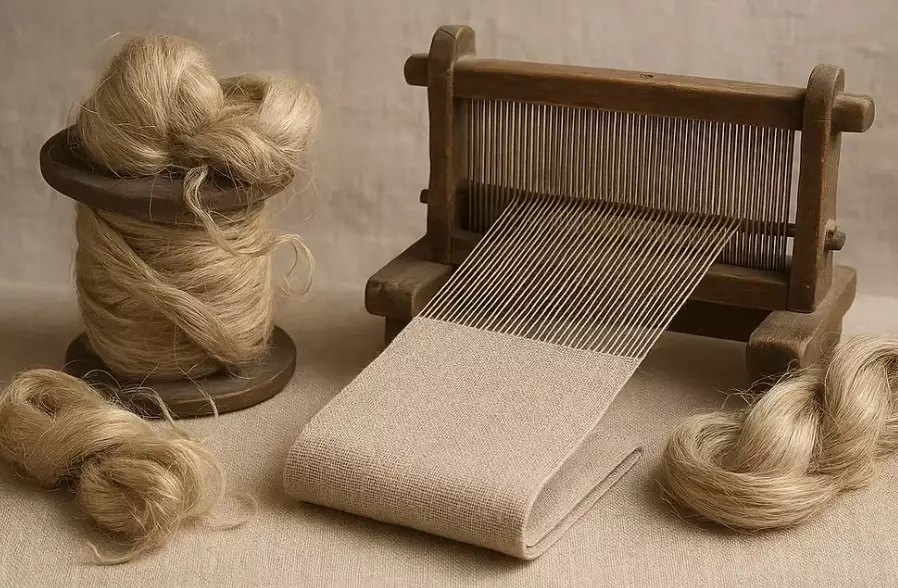
3. Drying & Breaking
After retting, the stalks are completely dried. Then comes breaking. The brittle, rotted woody core (shives) is literally smashed by passing the stalks through fluted rollers. This breaks the core into small pieces without damaging the flexible long fibers. You hear a distinct crackling sound. At this point, you have bundles of fibers still tangled with shives.
4. Scutching
Scutching removes the broken shives. Traditionally, workers would beat the stalks with wooden blades. Now, rotating paddles or turbines beat and scrape the material. The clean, long fibers (called line or long line fiber) are separated from the shorter, tangled fibers (tow). Line fiber is for fine yarns; tow is for heavier, rustic yarns and paper.
5. Hackling (Combing)
The line fibers are drawn through sets of increasingly fine metal combs (hackles). This aligns the fibers parallel, removes any remaining impurities, and separates them by fineness and length. The result is a soft, lustrous, silver-blonde bundle called a strick or sliver. This is the raw material for spinning. Watching a skilled hackler work is hypnotic – it's all about a gentle, rhythmic pull.
6. Spinning
Here, the continuous fibers are drawn out and twisted into yarn. Wet spinning is the classic method for linen: the sliver is passed through a hot water bath before twisting. This activates the pectin remnants, allowing the fibers to bind more smoothly, producing a finer, stronger, and glossier yarn. Dry spinning creates a hairier, more rustic yarn. The twist level is crucial. Too little, and the yarn is weak; too much, and it becomes wiry and loses its characteristic cool feel.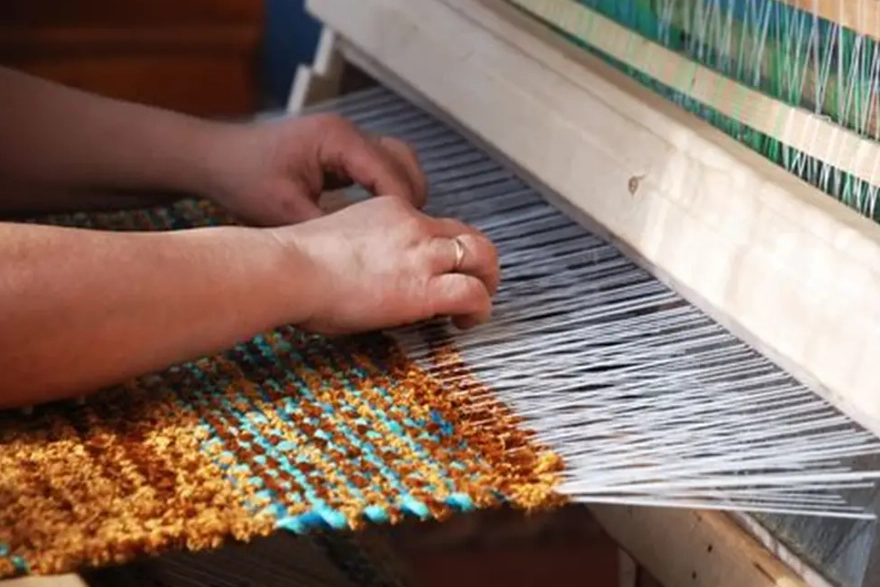
7. Weaving or Knitting
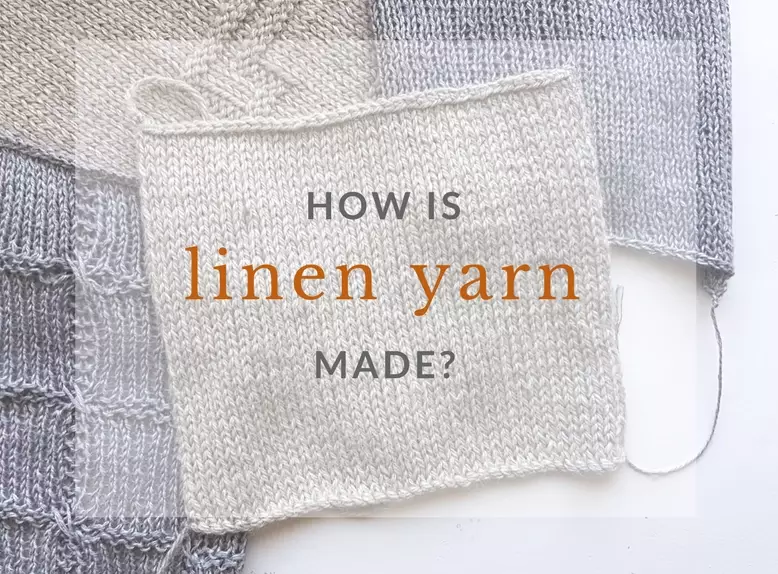
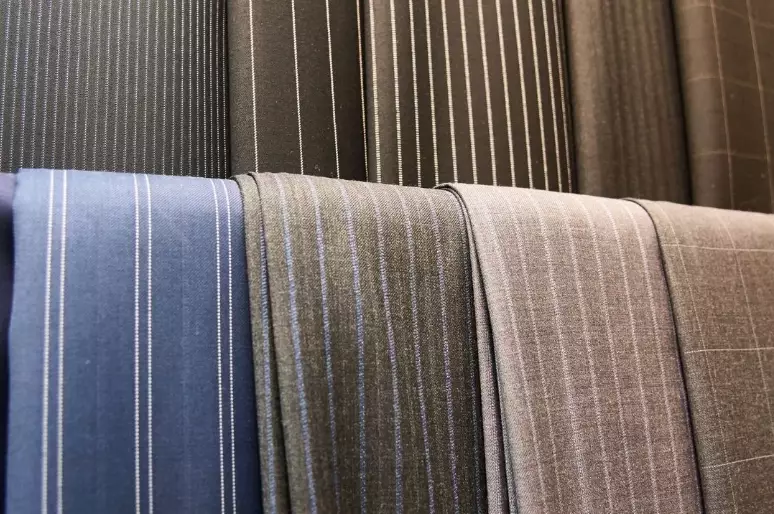
The yarn is wound onto beams and woven into fabric on looms. Plain weave is most common, creating that classic linen canvas texture. The loom settings (ends per inch) determine the fabric's weight, from sheer handkerchief linen to heavy canvas. Some linen is also knitted for softer, more stretchy apparel.
8. Bleaching, Dyeing & Finishing
Natural linen is an oatmeal or grey color. For white linen, it's bleached, traditionally by sun-bleaching over weeks (giving it a creamy white) or with modern oxidative bleaches. Dyeing linen can be trickier than cotton; the fibers are less absorbent, requiring specific dyes and techniques. Finishing processes like calendering (pressing through heated rollers) can add sheen and smoothness, while stone washing or enzyme washes accelerate the soft, lived-in feel.
Hand vs. Machine: How Methods Change the Fabric
You'll hear a lot of romanticism about hand-made linen. The truth is nuanced. Every stage I described can be done by hand or machine.
Hand Processing (retting in the field, hand breaking, scutching, and hackling) is incredibly labor-intensive. It creates a fabric with more character – slight irregularities, a softer hand, and a deeper connection to its origin. It's also rare and expensive. Most of the "handmade" linen you see is actually machine-spun from hand-hackled slivers.
Modern Industrial Processing uses automated lines for breaking, scutching, and hackling. It's faster, more consistent, and more affordable. The quality can be exceptionally high, especially for smooth, fine yarns. The machines are designed to mimic the gentle actions of the traditional tools. The biggest difference you'll feel is often in the spinning and weaving. Industrial fabrics can sometimes feel stiffer initially because they're woven tighter and lack the micro-irregularities of hand-processed yarn.
My take? Don't assume hand-processed is always better. A well-tuned modern mill can produce linen that's superior in strength and consistency for everyday use. The charm of the handmade stuff is just that – its charm, not necessarily its performance.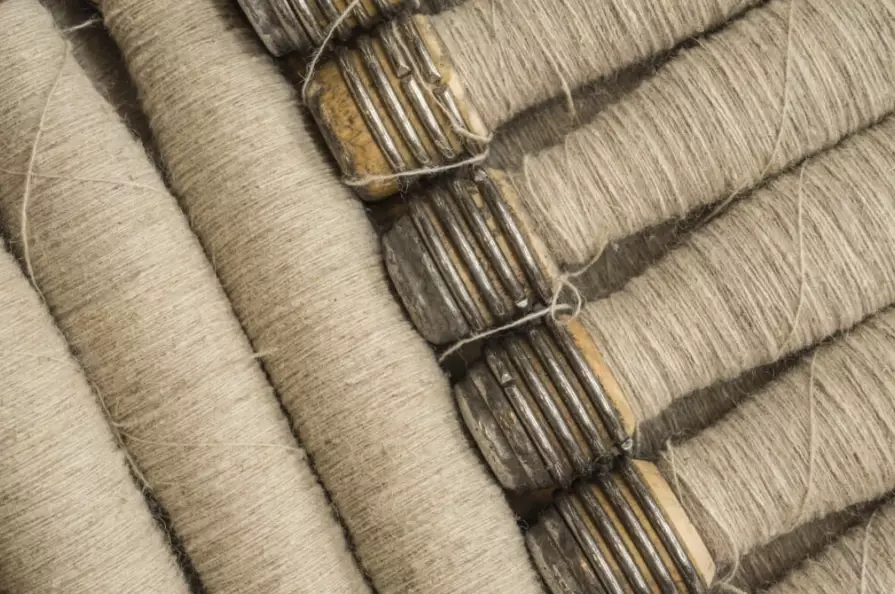
What Makes Good Linen? It's Not Just Thread Count
Forget cotton's rules. Linen quality is judged differently.
Fiber Origin: European flax, particularly from the "Flax Belt," is the benchmark. It's longer, finer, and stronger.
Yarn Evenness: Look for a consistent yarn diameter. Lots of slubs (thick spots) can be a design choice for a rustic look, but excessive unevenness means poor hackling or spinning.
Weave Density: A tighter weave feels more substantial and lasts longer. Grab a corner and hold it up to the light. You shouldn't see huge gaps.
The Feel Test: Good linen is firm but not board-stiff. It should have a dry, smooth hand, not a fuzzy or hairy one (unless it's a tow linen). Crumple it in your fist. It should crease easily but also release some of those creases when you shake it out – a sign of resilient fibers.
The Color: Natural, unbleached linen should have a uniform greyish-tan, not blotchy stains (a sign of poor retting).
A common mistake is washing new linen in very hot water or with harsh detergents. This can damage the natural pectins and make it harsher, not softer. Start cool and gentle.