What You'll Find in This Guide
If you've been shopping for clothes lately, especially in the sustainable fashion aisle, you've definitely seen "Tencel" or "Lyocell" on the tag. It's touted as a miracle fabric—eco-friendly, silky smooth, and breathable. But what exactly is it, and is it really as good as they say? After years of working with fabrics and seeing greenwashing up close, I think Tencel Lyocell is one of the few materials that mostly lives up to the hype. But there are some nuances most blogs don't tell you. Let's cut through the marketing.
What is Tencel Lyocell?
First, a quick clarification. Lyocell is the generic name for the type of fiber. Tencel is the brand name for Lyocell fibers produced by the Austrian company Lenzing AG. It's like how all facial tissues are sometimes called Kleenex. Most high-quality Lyocell you'll encounter is Tencel, but not all Lyocell is Tencel. Lenzing's process is considered the gold standard, so when people say "Tencel," they're usually referring to the good stuff.
The fiber itself comes from wood pulp, typically sourced from sustainably managed eucalyptus, beech, or spruce forests. Unlike regular viscose (rayon), which also comes from wood but uses a much more chemically intensive and polluting process, Tencel's production is a different beast altogether.
How Tencel is Made: The Closed-Loop Process
This is where Tencel truly earns its eco-friendly stripes. The "closed-loop" term isn't just a buzzword here; it's the engineering backbone.
The wood is chipped and dissolved in a non-toxic organic solvent called N-Methylmorpholine N-oxide (NMMO). This creates a viscous solution. This solution is then forced through ultra-fine spinnerets (think of a high-tech showerhead) to form long, continuous fibers. The magic happens next: over 99% of that solvent is recovered, purified, and reused for the next batch. The water used is also recycled. According to Lenzing's own environmental reports, this process uses significantly less water and energy compared to conventional cotton processing.
Compare this to standard viscose production, which uses carbon disulfide—a toxic chemical that often ends up as air and water pollution. There's no comparison on the environmental front.
One specific, often-overlooked point: the wood sourcing. Lenzing holds FSC (Forest Stewardship Council) or PEFC (Programme for the Endorsement of Forest Certification) certifications for most of its pulp. This means the trees are coming from forests that are replanted and managed, not clear-cut old-growth rainforests. If you're serious about sustainability, checking if a brand specifies "Tencel from Lenzing with FSC certification" is a good move.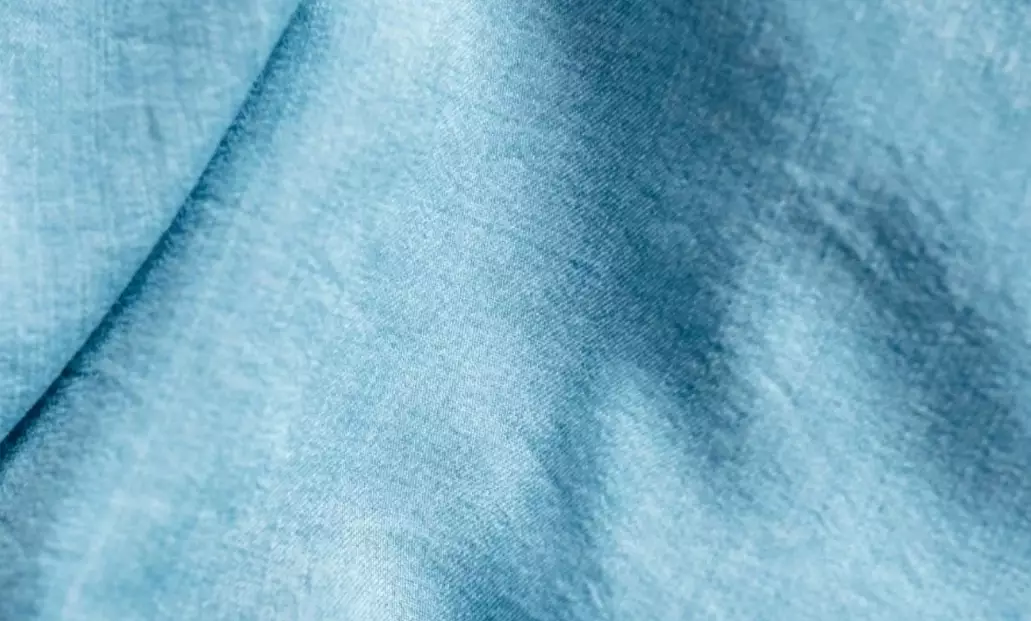
Tencel vs Cotton: A Detailed Comparison
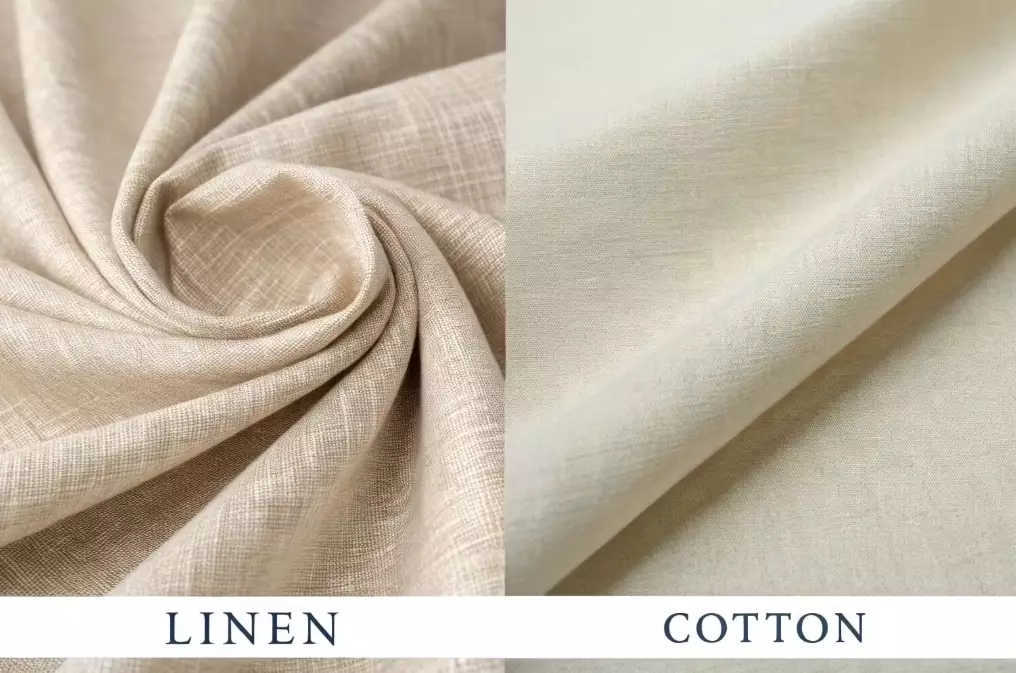
Everyone wants to know how it stacks up against the king of casual: cotton. Let's break it down beyond "it's softer."
| Aspect | Tencel Lyocell | Conventional Cotton |
|---|---|---|
| Source | Wood pulp (Eucalyptus, etc.) | Cotton plant |
| Water Usage | Substantially lower. Eucalyptus needs little irrigation. | Extremely high. Can take over 2,700 liters for one t-shirt. |
| Feel & Drape | Silky, smooth, fluid drape. Less prone to wrinkling. | Can be soft, but often crisper. Wrinkles easily. |
| Moisture Management | Excellent. Wicks moisture away and dries fast. | Absorbent but holds moisture, can feel damp. |
| Thermoregulation | Great. Cools in summer, provides light warmth. | Breathable, but less efficient at temperature control. |
| Durability | Strong when wet (unlike many fibers). Holds up well. | Strong, but can weaken when wet and pill over time. |
| Environmental Impact | Low-impact closed-loop process, sustainable forestry. | High pesticide/fertilizer use, soil degradation, water stress. |
Here's my personal take: Tencel feels more luxurious from day one. A 100% Tencel t-shirt has a weight and fall that a standard cotton tee can't match. However, organic cotton is a different story—it solves many of cotton's environmental sins but still uses a lot of water. For hot sleepers or anyone who sweats, Tencel sheets and pajamas are a game-changer because they don't trap that clammy feeling.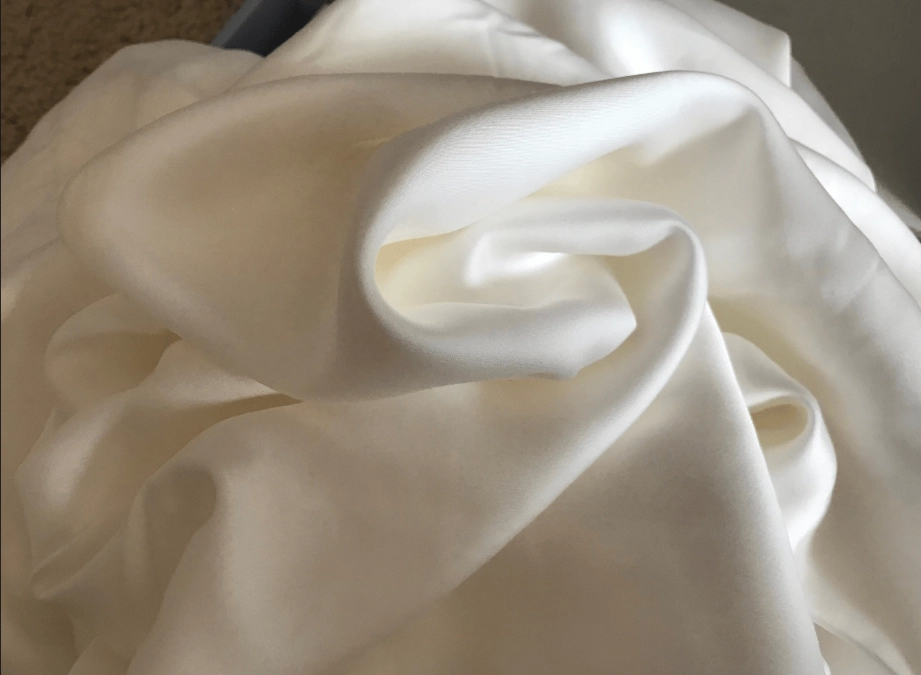
The Real Benefits (and a Few Drawbacks)
Let's get into the nitty-gritty of living with Tencel.
Where Tencel Shines
Breathability and Moisture-Wicking: This is its superpower. The fiber structure is great at pulling sweat away from your skin and releasing it into the air. I've worn Tencel dresses on humid days and been shocked at how much cooler I felt compared to linen or cotton.
Hypoallergenic and Gentle: Because it's so smooth and resistant to bacterial growth (bacteria love the rough, porous surface of cotton), it's fantastic for sensitive skin. If you get irritated by wool or rough synthetics, Tencel is a safe bet.
That Drape and Lustre: It has a natural sheen and a fluidity that makes even simple designs look expensive. It doesn't cling in a cheap way; it flows.
The Not-So-Perfect Side
It Can Crease: Marketing often says "wrinkle-resistant." That's optimistic. It's less wrinkle-prone than linen, but a pure Tencel garment stuffed in a suitcase will come out looking messy. It needs to be hung or folded neatly. A blend with a small percentage of synthetic (like 5% elastane) often handles wrinkles better.
The Price Point: Good Tencel isn't cheap. You're paying for a more complex manufacturing process. A basic Tencel top often costs 20-50% more than a similar cotton one.
Care Requirements: It's not "high maintenance," but it's not throw-it-in-with-anything cotton either. More on that below.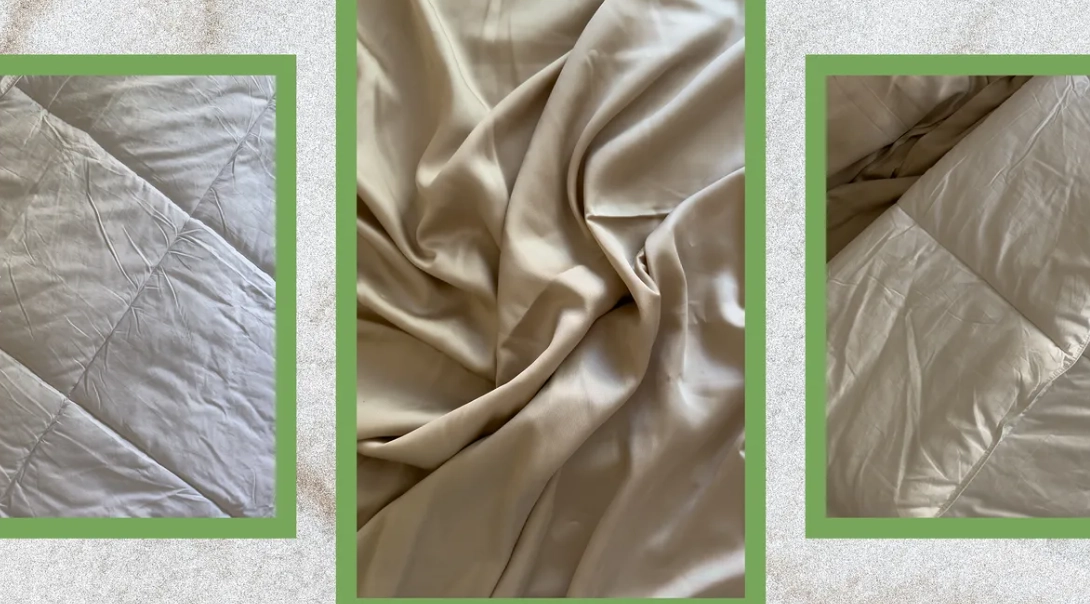
How to Buy Quality Tencel Clothing
Not all Tencel is created equal. A cheap "Tencel" blouse from a fast-fashion brand might pill quickly or lose its shape. Here's what I look for:
Check the Label for Blends: Pure 100% Tencel is beautiful but has a specific drape and feel. For more structure (like in pants or a structured shirt), look for blends with cotton, linen, or even a tiny bit of recycled polyester. For stretch, Tencel with 2-5% elastane is perfect.
Feel the Fabric: High-quality Tencel should feel dense and substantial, not flimsy or papery. Rub the fabric between your fingers firmly a few times. If it starts to pill or fuzz immediately, the fiber quality or the spinning process might be lower grade.
Look at the Stitching: A well-made Tencel garment will have neat, tight seams. Because the fabric is smooth and fluid, sloppy stitching will be very obvious and can lead to seams pulling apart.
Brands That Do It Well (A Mini-Case Study):
• Allbirds (Tree Shoes & Apparel): They use Tencel Lyocell knit into a breezy fabric for their shoes and casual wear. It's a great example of using its moisture-wicking properties for active comfort.
• Patagonia: They use Tencel in blends for shirts and dresses, often highlighting its responsible sourcing. Their supply chain transparency adds trust.
• Quince, Everlane, & COS: These brands frequently use Tencel for elevated basics, offering a good balance of quality and price.
Caring for Your Tencel Garments
This is where people mess up. Treat it right, and it lasts for years.
Washing: Cold water on a gentle cycle. Always. Turn the garment inside out. Use a mild detergent—skip the heavy floral stuff or bleach. Drying: This is crucial. Air dry flat or on a line. Never, ever put it in a high-heat dryer. The intense heat can cause the fibers to shrink and become stiff. A low-heat tumble for 10 minutes to remove wrinkles is okay, but then hang it up. Ironing: If you must, use a low to medium heat setting and iron while the garment is still slightly damp. Use a pressing cloth if you're worried about shine. Storage: Don't cram it in a drawer. Fold it neatly or hang it on a padded hanger to maintain its shape.
I learned the hard way with a favorite Tencel shirt I tossed in the dryer. It came out a size smaller and never fully recovered. Air-drying is non-negotiable.
Your Tencel Questions Answered
Is Tencel actually biodegradable?
Tencel vs Modal vs Viscose: what's the difference?
 Can Tencel fabric be used for activewear?
Why does my Tencel shirt sometimes feel stiff after washing?
How can I tell if a garment uses genuine Lenzing Tencel?