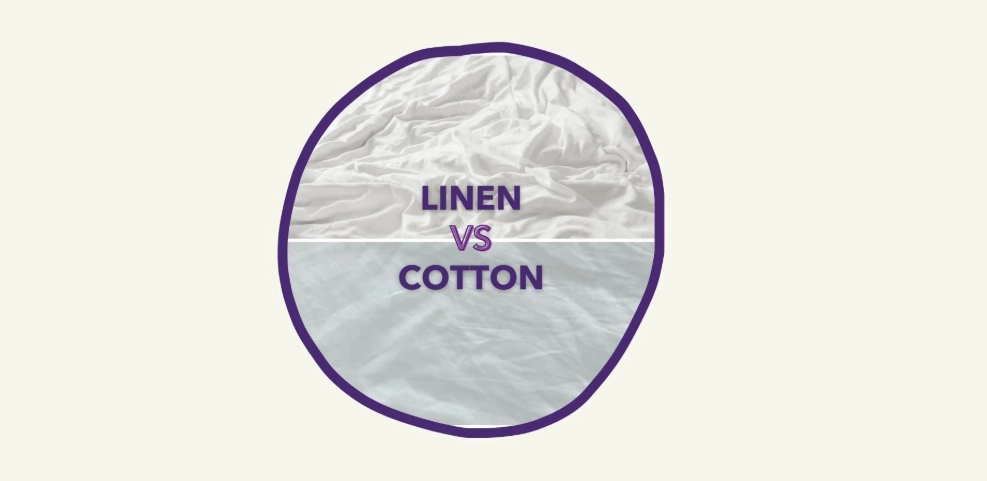
Let's settle this. You're standing in a store, or scrolling online, touching a linen shirt and then a cotton one. Both feel natural. Both look good. But which one should you actually buy? The answer isn't a simple "linen is better" or "cotton wins." It depends entirely on what you need it for. I've spent years working with fabrics, and the biggest mistake people make is treating this like a theoretical debate. It's not. It's a practical decision about comfort, cost, and how much ironing you're willing to do.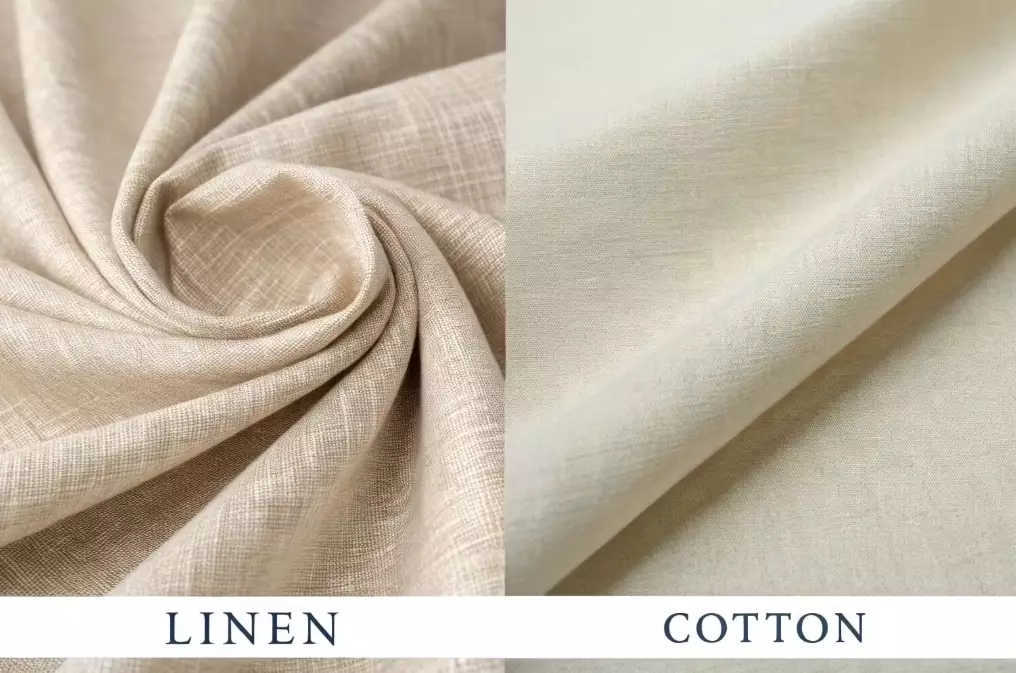
This guide will give you the straight facts, the kind you won't find on most generic comparison blogs. We'll go beyond "breathable" and "durable" and talk about real-life scenarios: surviving a humid commute, choosing bed sheets that won't trap heat, and finding clothes that look better with age, not worse.
In This Article
The Core Difference: It's All About the Plant
This isn't just marketing. Linen and cotton come from completely different plants, and that's where their personalities diverge.
Linen comes from the flax plant. Think of a tough, fibrous stalk. To get the linen fibers, the flax stalks are retted (soaked) and then beaten—it's a more labor-intensive process. The resulting fibers are long, strong, and hollow. That hollowness is the secret to linen's superpower: breathability. Air moves through it effortlessly.
Cotton comes from the fluffy boll around the cotton plant's seeds. The fibers are shorter, softer, and more flexible from the get-go. This makes cotton easier to spin into very fine, smooth threads. It's a more scalable crop, which is why it's everywhere.
Different plants, different structures, different behaviors.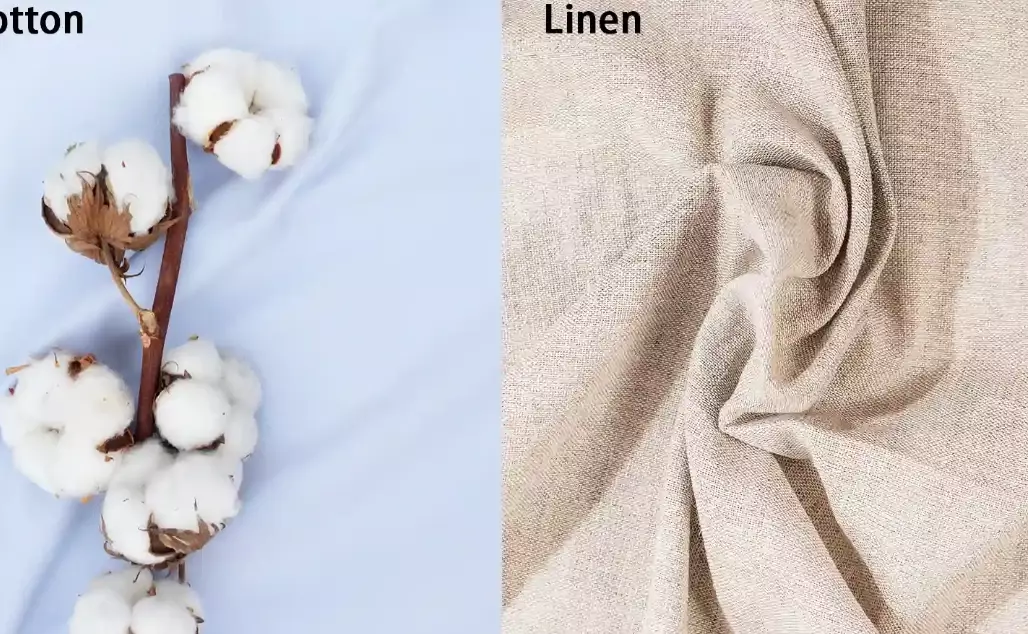
Linen vs Cotton: Side-by-Side Breakdown
Here’s the data, stripped back. Use this table as your quick reference guide.
| Characteristic | Linen | Cotton | Bottom Line |
|---|---|---|---|
| Breathability & Moisture Wicking | Exceptional. Hollow fibers pull moisture away from skin and dry very quickly. | Good. Absorbs moisture well but can feel damp as it dries slower. | Linen wins for hot, humid climates and night sweats. |
| Durability & Longevity | Extremely strong. Fibers are 2-3x stronger than cotton. Gets softer, not weaker, with washes. | Strong, but can pill, thin, or tear over time with heavy use. | Linen wins for heirloom-quality items that age gracefully. |
| Texture & Feel | Crisp, textured, slightly coarse at first. Softens significantly with use into a lived-in feel. | Universally soft, smooth, and comfortable from the first wear. Less texture. | Cotton wins for immediate, all-day softness against sensitive skin. |
| Wrinkles | Wrinkles deeply and immediately. It's a characteristic, not a flaw. | Wrinkles, but generally less severely. Easier to iron out. | Cotton wins if you need a crisp, polished look with minimal effort. |
| Weight & Drape | Heavier, more structured. Drapes in a relaxed, flowing way. | Can be lightweight (voile) or heavy (denim). Drape varies by weave. | Depends. Linen for structure, cotton for versatility in weight. |
| Environmental Impact | Flax requires less water and pesticides than cotton. Biodegradable. | Conventional cotton is water and pesticide-intensive. Organic cotton is a much better choice. | Linen & Organic Cotton tie as the eco-leaders. |
| Cost | Generally more expensive due to more complex processing. | Wide range. Can be very affordable, though high-quality weaves cost more. | Cotton wins for budget-friendly everyday basics. |
When You Should Absolutely Choose Linen
Think of linen as your specialist fabric. It excels in specific areas where its unique traits are non-negotiable.
For Summer Clothing That Actually Cools You Down
If you live somewhere with real humidity, cotton can feel like a wet blanket by noon. Linen's moisture-wicking is transformative. I have a linen shirt I wore through a sticky Mediterranean summer. While friends in cotton were constantly adjusting damp collars, mine stayed relatively dry and comfortable. It's not magic; it's physics. The air flow is just superior.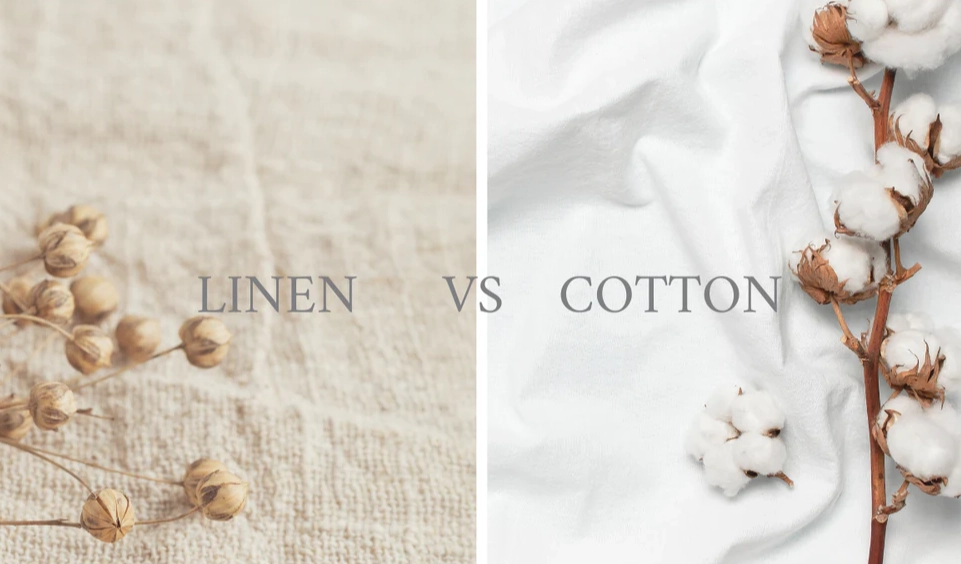
For Bedding (Especially if You Sleep Hot)
This is a game-changer. Cotton sheets, even percale, can trap body heat. Linen sheets are more temperature-regulating. They feel cool when you get in and don't overheat. The initial investment is higher, but they last for decades. Look for stone-washed linen for immediate softness.
For Items You Want to Last a Lifetime
Linen napkins, tablecloths, tea towels. My grandmother's linen tea towels are still in rotation, softer and more absorbent than any new cotton one I've bought. The strength is unreal. For hard-wearing items that get washed weekly, linen's durability pays off.
The Linen Mindset Shift
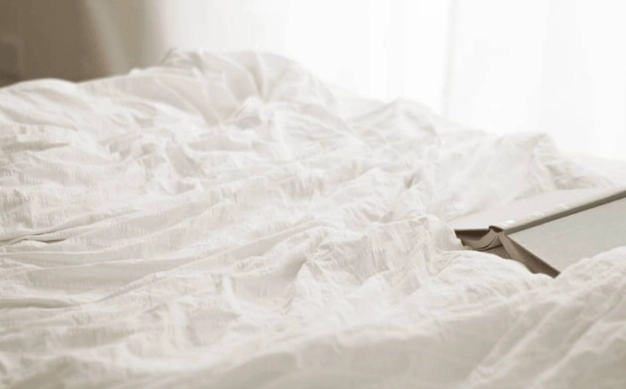
You have to embrace the wrinkle. If you fight it, you'll hate linen. The charm is in the relaxed, crumpled elegance. It's a fabric that looks better lived-in. Iron it for a formal look, or pull it slightly damp from the dryer for that perfect casual drape.
When Cotton is the Unbeatable Choice
Cotton is the versatile workhorse. It's reliable, familiar, and often the more practical pick.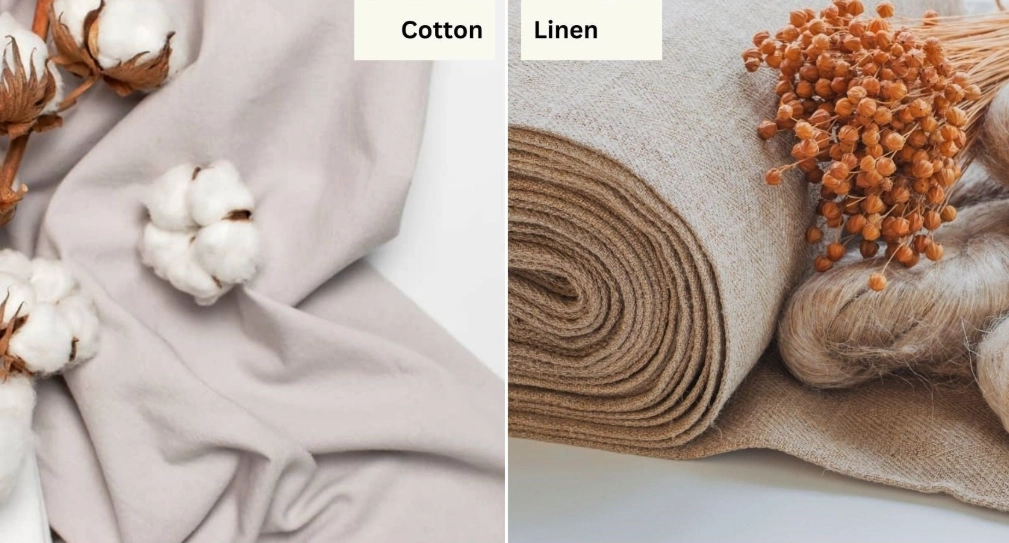
For Everyday Basics and Sensitive Skin
T-shirts, underwear, pajamas, socks. For these items, the consistent, all-over softness of cotton is king. A high-quality combed cotton tee is hard to beat for daily comfort. People with very sensitive skin often find fine cotton (like Supima or organic) less irritating than new, coarser linen.
When You Need a Polished, Crisp Look
Business shirts, dresses for a formal event, structured blouses. A good cotton poplin or broadcloth holds a press beautifully. You can achieve that sharp, neat appearance much more easily than with linen, which will start to crease the moment you sit down.
For Budget-Conscious Projects and Kid's Clothes
Cotton fabric by the yard is widely available at all price points. It's easier to sew with. And for kids who outgrow clothes in a season and stain everything, the affordability and easy care of cotton make it the logical default.
Linen Pros (The Niche Specialist)
Unmatched breathability for heat.
Gets softer and more beautiful with age.
Extremely durable and long-lasting.
Natural, textured aesthetic.
Generally more eco-friendly (flax cultivation).
Linen Cons (The Trade-Offs)
Expensive upfront cost.
Wrinkles profoundly (a dealbreaker for some).
Can feel rough at first.
Often requires more specific care (cold wash, air dry).
How to Choose the Right Fabric for You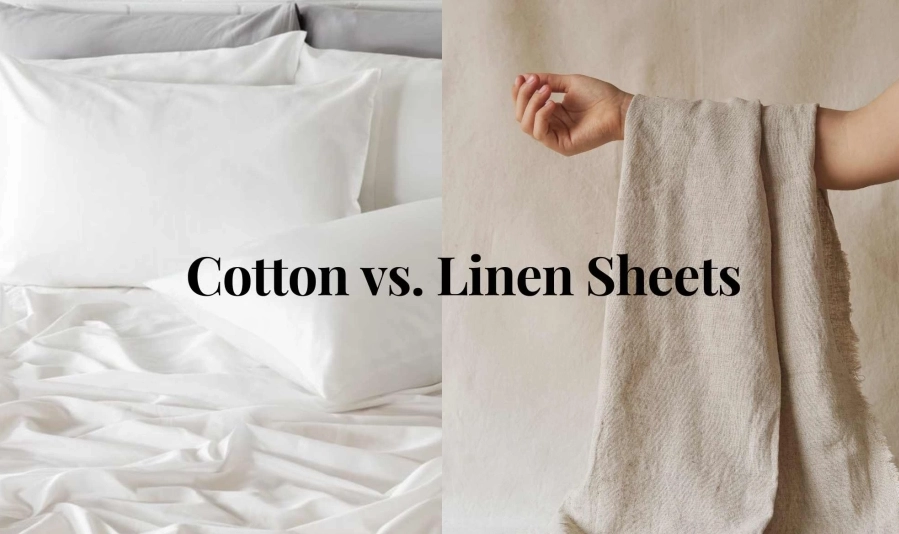
Stop asking "which is better?" Start asking these questions:
What's the climate? Humid and hot = lean linen. Temperate or variable = cotton is fine.
What's the occasion? Casual, relaxed vibe = linen. Sharp, professional, or formal = cotton.
What's your tolerance for wrinkles? Zero tolerance = cotton. Embrace the crinkle = linen.
What's your budget? Investing in a forever piece = consider linen. Need it now and affordable = cotton.
How will you care for it? Willing to air dry and maybe iron? = linen. Toss in the dryer and go = cotton.
Your lifestyle answers the question for you.
Washing and Care: Keeping Them at Their Best
Care mistakes ruin good fabric. Here’s the insider advice.
For Linen: Wash cold on a gentle cycle. Use a mild detergent. Never use bleach—it weakens the fibers. Tumble dry on low or, better yet, air dry. If you iron, do it while the fabric is still slightly damp for the smoothest finish. The more you wash linen, the softer it gets.
For Cotton: More forgiving. Can usually handle warm water. Turn printed or dark cottons inside out to prevent fading. Avoid high heat in the dryer to prevent shrinkage (especially for non-pre-shrunk cotton). Iron on a cotton setting with steam.