Let's be honest. Most wrapping paper is a one-hit wonder. You tear it off in seconds, and it goes straight to the trash. It's expensive, often not recyclable because of the plastic coating or glitter, and honestly, it can feel a bit... soulless. If you're looking for a wrapping method that's beautiful, personal, sustainable, and actually part of the gift itself, you're in the right place. This fabric gift wrap tutorial will walk you through everything, from choosing the right cloth to mastering classic Japanese furoshiki knots. I've been wrapping gifts this way for over a decade, and I'm here to save you from the common pitfalls that make most beginners give up.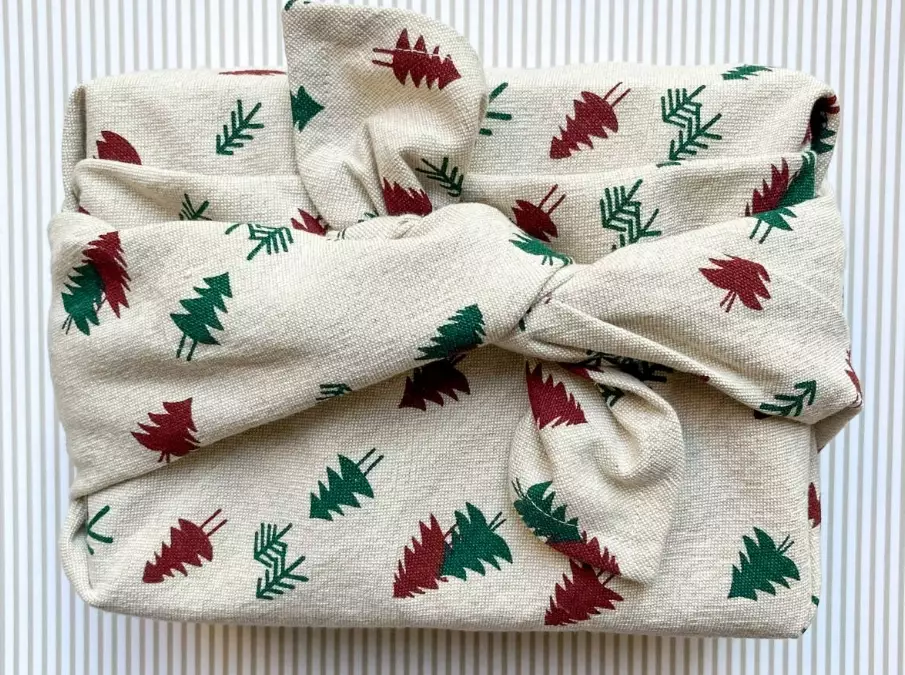
What You'll Learn Inside
Why Wrap Gifts with Fabric? Beyond Just Being Pretty
It's not just an aesthetic choice. When I switched to fabric, I stopped dreading the wrapping part of gift-giving. Here’s what changed:
The gift becomes two gifts. The wrapping cloth is a reusable treasure. A scarf, a kitchen towel, a beautiful piece of linen – it has a life long after the gift inside is revealed. I've seen friends use my wrapping fabrics as picnic blankets, wall art, or to wrap their own gifts later.
Zero waste, for real. According to a report by the Environmental Protection Agency, container and packaging waste made up a significant portion of municipal solid waste. Fabric wrapping cuts that stream off at the source. No more bags of crumpled paper on December 26th.
It's oddly satisfying. There's a meditative quality to folding and tying fabric. It feels more intentional than wrestling with sticky tape and fighting with awkward paper corners.
It handles weird shapes like a champ. Try wrapping a wine bottle, a soccer ball, or a bunch of odd-sized items together with paper. It's a nightmare. With fabric, it's often easier. The cloth conforms.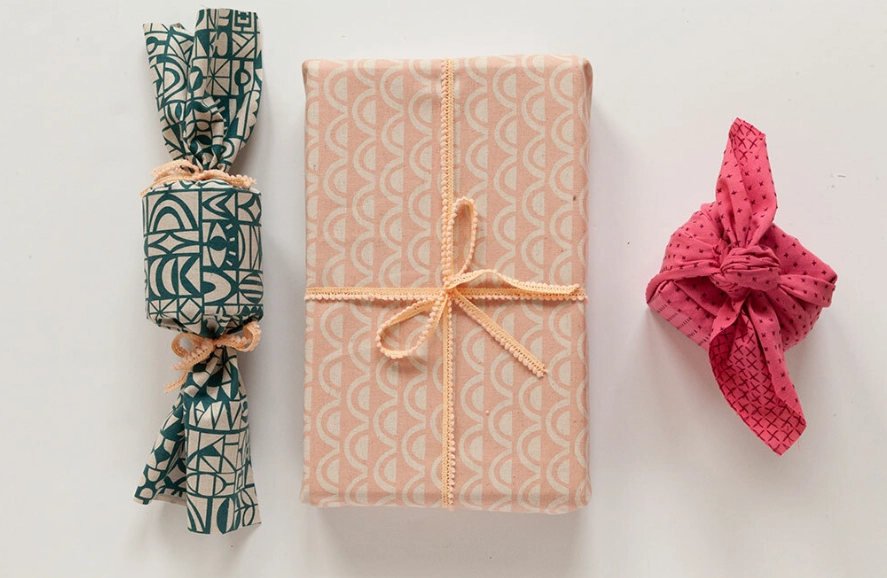
The biggest mistake beginners make? They start with fabric that's too small or too stiff. You need enough slack to create beautiful knots, and a drapey fabric that behaves. Starting with the wrong material is the #1 reason people think fabric wrapping is "too hard."
How to Choose the Right Fabric for Wrapping
You don't need special "wrapping fabric." Raid your linen closet, visit a thrift store, or buy remnants. The key is in the fiber and weave.
| Fabric Type | Best For | Beginner Friendliness | Notes & Where to Find |
|---|---|---|---|
| Cotton (Muslin, Quilting Cotton) | All-purpose, square items, practice. | Excellent. Easy to tie, holds knots well. | Thrifted sheets or pillowcases are perfect. Remnant bins at fabric stores are goldmines. |
| Linen & Linen Blends | Elegant gifts, weddings, items needing structure. | Good. Has a beautiful drape but can crease. | Feels luxurious. Look for linen napkins or tablecloths at second-hand shops. |
| Silk Scarves | Small, special jewelry gifts. The ultimate luxury wrap. | Challenging. Slippery. | Makes the fabric itself a major gift. Secure with a simple knot or a decorative pin. |
| Fleece & Flannel | Cozy winter gifts, soft items. | Very Good. Thick and forgiving. | Creates a soft, padded wrap. Great for baby gifts. Doesn't create crisp knots. |
| Vintage Bandanas & Tea Towels | Themed gifts, kitchen items, rustic style. | Excellent. Usually the perfect size (22\" square). | Adds instant personality. Often found in bundles at flea markets. |
Size matters. A basic rule: your fabric square should be at least three times the length of your box and twice the height. For a 6-inch cube, aim for an 18-inch square minimum. When in doubt, go bigger. You can always fold excess fabric underneath for a cleaner look.
Gathering Your Toolkit (It's Simpler Than You Think)
You probably have everything already.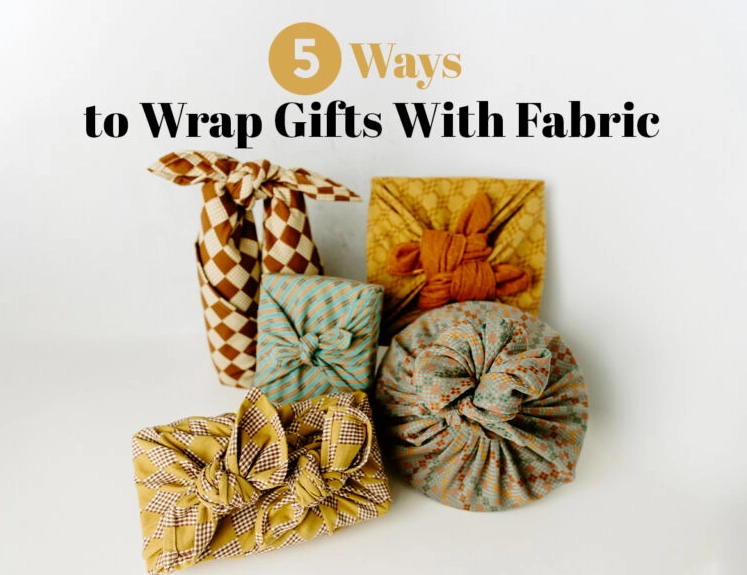
- The Fabric: A square piece, pressed if it's very wrinkled.
- Scissors: For trimming threads, not for cutting the fabric during wrapping!
- Your Hands: The main tool.
- Optional - Decorative Elements: Dried flowers, sprigs of evergreen, a nice pen for writing directly on light-colored fabric.
- What You WON'T Need: Tape. Glue. Ribbon (unless you want it). Those plastic ribbon curl things. See? Liberating.
How to Master the Basic Two-Knot Wrap (The Workhorse)
This is the technique you'll use for 80% of boxed gifts. Let's wrap a standard book-sized box.
Step-by-Step Walkthrough
Place your fabric square wrong-side-up on a table (the "pretty" side facing down). Center your box face-down on the fabric. This is crucial – you want the final knot on the top of the box, not the bottom.
Bring two opposite corners of the fabric up to the top center of the box. Don't pull them tight yet. Just lay them across.
Now, take the other two corners and bring them to the top center. You should now have all four corners meeting on top of the box. Adjust them so they're neatly overlapping.
Here's the secret for a neat finish: tie the two corners from one side together in a simple, loose overhand knot. Then, tie the two corners from the opposite side together in another knot. You now have two separate knots sitting side-by-side.
Finally, tie those two knots together. This creates the classic, balanced look. Adjust the tension by gently pulling on the fabric tails. You want it snug, not straining. Fluff the ends or twist them for a decorative touch.
See? No tape. The tension of the fabric and the knots hold everything securely.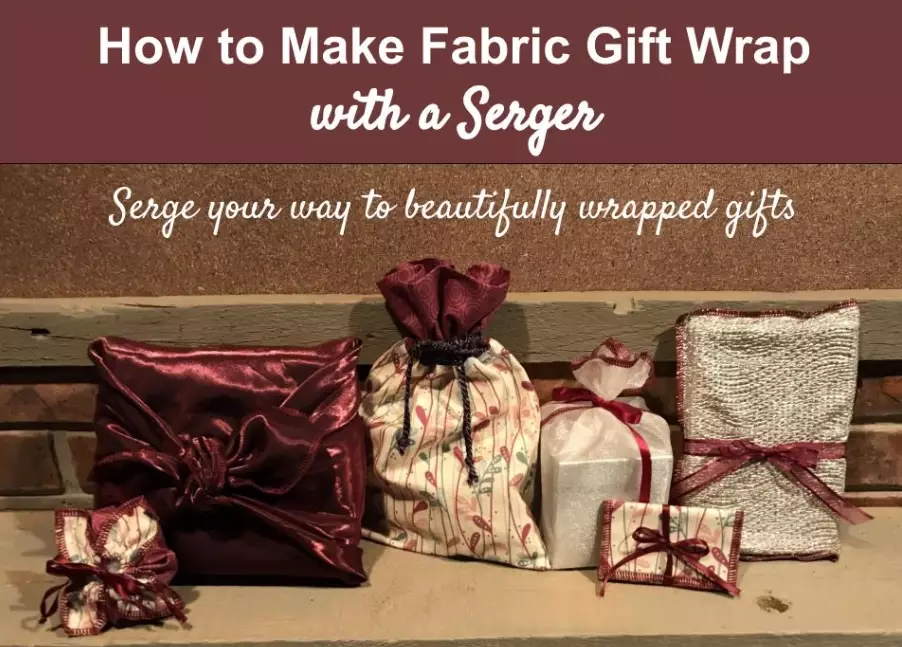
5 Essential Furoshiki Wrapping Techniques
Furoshiki is the traditional Japanese art of wrapping with cloth. It's a game-changer. These techniques solve specific wrapping problems beautifully.
1. The Bottle Wrap (Happo Tsutsumi)
Perfect for wine, olive oil, or any cylinder. Place the bottle in the center of a diagonal fabric square. Roll the bottle toward one corner, then fold the side corners in, and finally roll it to the last corner and tie the two long ends together at the neck. It creates a elegant, secure carry handle. I use this every holiday season.
2. The All-Purpose Carry Bag (Futatsu Tsutsumi)
This is my favorite for odd-shaped items or multiple small gifts. You essentially create a knotted handle on two opposite corners, turning the fabric into a little sack. It's perfect for a set of mugs, a few books, or a awkwardly shaped toy. The items are cradled, not constrained.
3. The Book/Flat Object Wrap (Sho Tsutsumi)
Similar to the basic wrap, but optimized for flat things. You fold the edges in like you're wrapping a burrito before bringing the ends up to tie. It gives a very clean, rectangular finish with no excess bulk.
4. The Two-Bottle Carry
A party lifesaver. You use a larger square to wrap two bottles together, creating a central partition with the fabric and two sets of handles. It looks impressive and is incredibly functional. No more plastic six-pack rings.
5. The Simple Twist for Small Items
For a piece of jewelry or a chocolate bar. Place the item in the center, gather all the fabric corners together above it, and twist. Secure the twist with a ring, a piece of twine, or a small knot. It looks like a little candy.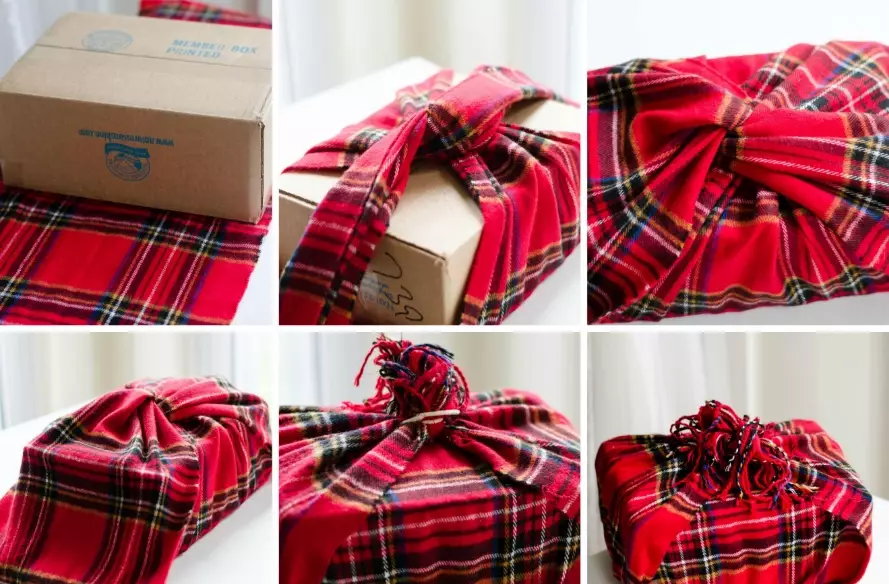
Adding Creative & Personal Touches
This is where it becomes art. Forget the premade bow.
Use a sprig of rosemary or pine tucked into the knot. It smells amazing. Write the recipient's name directly on the fabric with a fabric marker or even a calligraphy pen if the cloth is light-colored. Attach a found object – a seashell, a vintage key, a Lego minifig – with a bit of jute string.
My personal favorite is using fabric with a pattern or map meaningful to the person. A botanical print for a gardener, a nautical map for a sailor. The unwrapping becomes a discovery of the fabric itself.
Answers to Your Burning Questions
Can I use any fabric for gift wrapping, like an old t-shirt?
You can, but jersey knits (like t-shirt material) are tricky. They stretch, so your knots can come loose, and the edges curl. If you want to upcycle a t-shirt, cut it into a square and serge or hem the edges first to prevent curling. For a first project, I'd recommend a stable woven cotton instead.
My fabric keeps slipping when I tie it. What am I doing wrong?
You're likely using a fabric that's too silky or synthetic. Switch to a natural fiber with more "grip" like cotton or linen. Also, ensure your initial knots are the foundational overhand knots, not just loose loops. Tie them firmly before doing the final decorative knot. A little friction is your friend.
How do I get the fabric back after giving the gift?
You don't, and that's the point. The fabric is part of the gift. The expectation is that the recipient will reuse it. If it's a very special cloth you need back (like a family heirloom linen), you have to communicate that clearly beforehand: "I'd love for you to enjoy this wrap, and I'm happy to take the cloth back to reuse if you don't have a plan for it!" But generally, let it go. The sustainability cycle continues with them.
 Is fabric wrapping actually faster than using paper?
The first few times? No, it's slower. You're learning. But after you've done the basic wrap five times, it becomes as fast, if not faster. No searching for tape, no measuring and cutting paper, no wrestling with unruly rolls. For odd shapes, fabric becomes dramatically faster once you know the techniques.
Where can I learn more authentic furoshiki patterns?
The Japanese Ministry of the Environment has historically promoted furoshiki to reduce waste, and their resources (when available) are excellent. Look for cultural centers or museums with Japanese collections. Books like "Furoshiki: The Art of Japanese Wrapping" by Tomoko Kakita are also fantastic for diving deeper into the traditional patterns and their history.