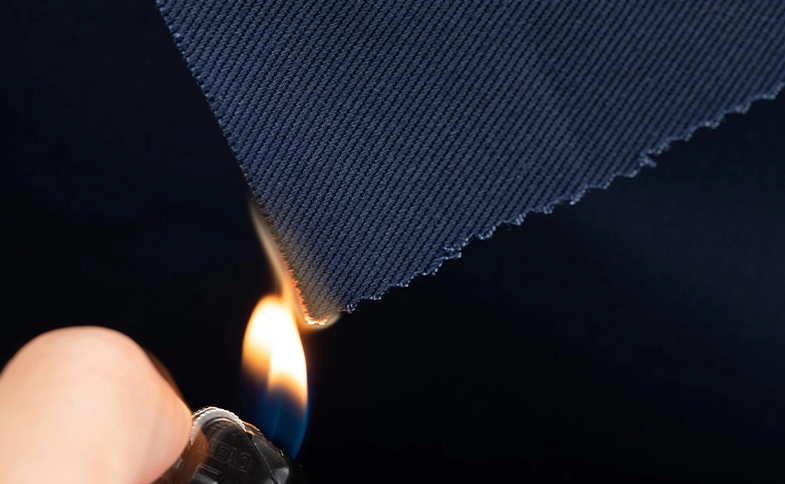
Let's clear something up right away. Flame retardant fabric isn't some magical cloth that laughs in the face of a blowtorch. If you expect that, you'll be disappointed. What it does, and does brilliantly, is buy you critical time. It resists ignition, slows the spread of flames, and often self-extinguishes once the ignition source is removed. That 10, 30, or 60 seconds can be the difference between a small incident and a catastrophe. Whether you're sourcing curtains for a theater, uniforms for factory workers, or upholstery for a public space, understanding this material isn't just about compliance—it's about a tangible layer of safety.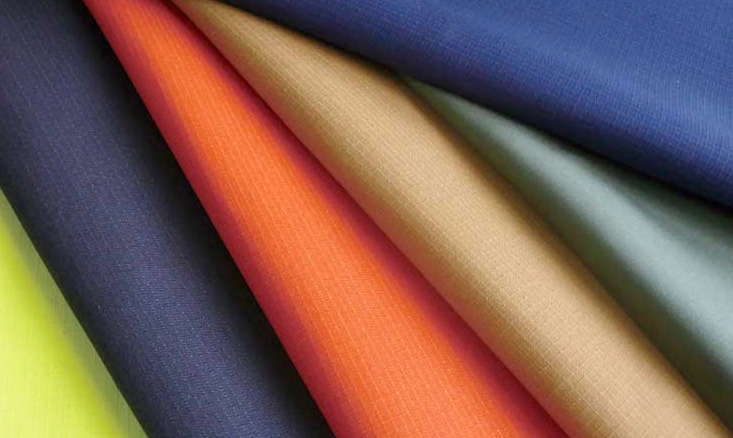
What's Inside This Guide
- How Flame Retardant Fabric Actually Works (The Science, Simplified)
- Why Standards and Certifications Are Your Best Friend
- A Step-by-Step Framework for Choosing the Right Fabric
- Beyond the Lab: Real-World Applications and Pitfalls
- The Care & Maintenance Most People Get Wrong
- Expert Answers to Your Burning Questions
How Flame Retardant Fabric Actually Works (The Science, Simplified)
Forget the complex chemistry for a moment. Think of a regular piece of cotton. It's like dry kindling—great fuel. A flame retardant treatment or inherently resistant fiber works in one of a few key ways:
- Creating a Barrier: Some treatments, when heated, swell up into a stable, insulating char (like a protective foam) that shields the underlying material from heat and oxygen.
- Cooling Things Down: Certain chemicals release water vapor or other cool gases when heated, effectively lowering the fabric's temperature below its ignition point.
- Diluting the Fuel: Others release non-flammable gases that dilute the flammable gases being produced by the fabric, starving the flame.
Here's the expert nuance most suppliers won't emphasize: the "inherent" vs. "treated" debate is often oversimplified. Inherently flame resistant (IFR) fibers, like certain aramids (Nomex, Kevlar), modacrylics, or FR-treated viscose, have the property built into their chemical structure. Treated fabrics (like FR cotton or polyester) have a chemical finish applied. The common wisdom is that "inherent is always better." Not necessarily true for all applications.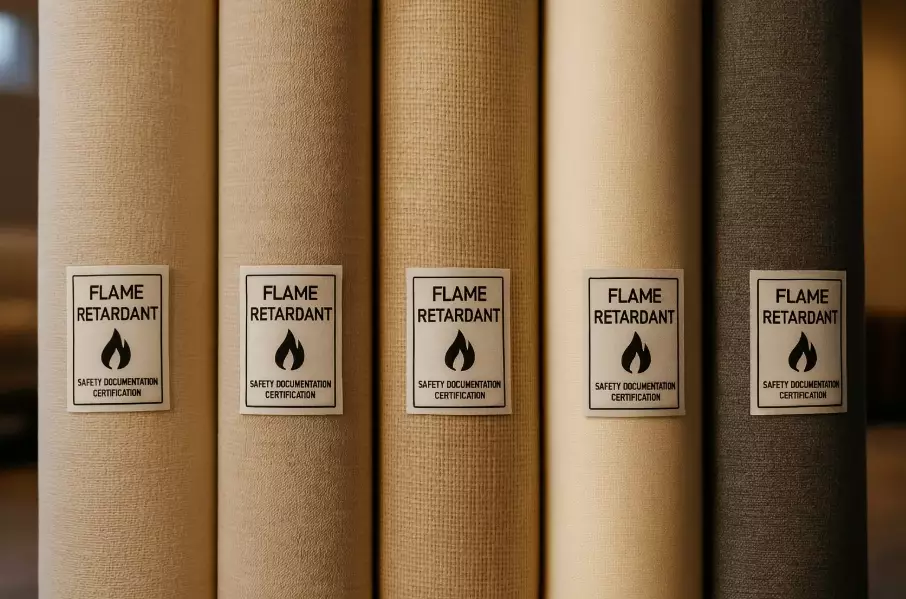
I've seen projects blow their budget on a top-tier IFR fabric for a low-risk application where a durable, certified treated fabric would have performed perfectly for half the cost. The real question isn't just "inherent or treated?" It's "what specific performance do I need for this specific use case, and for how long?" Durability of the FR property after repeated washing and wear is often the deciding factor.
Why Standards and Certifications Are Your Best Friend
This is where you separate credible suppliers from storytellers. Never, ever take a vendor's word that their fabric is "flame resistant." Demand the test standard. These are not suggestions; they are legally defined benchmarks. Using the wrong standard is a classic, costly error.
| Standard Code | Common Name / Scope | Typical Applications | What It Basically Tests |
|---|---|---|---|
| NFPA 701 | Fire Tests for Flame Propagation of Textiles and Films | Drapery, curtains, window treatments in public buildings. | How a vertically hung fabric sample burns after exposure to a small flame. Measures char length and afterflame time. |
| NFPA 2112 | Flame-Resistant Garments for Protection of Industrial Personnel | FR workwear for oil & gas, electric utilities, chemical plants. | A brutal battery of tests on the complete garment, including thermal shrinkage resistance and heat transfer (how much burn injury might occur underneath). |
| ASTM D6413 | Standard Test Method for Flame Resistance of Textiles (Vertical Test) | A broad, foundational test for fabric samples. Often referenced. | Similar to NFPA 701 in setup, measuring afterflame, afterglow, and char length on a vertical specimen. |
| CAL 117 (TB 117) | Requirements, test procedure and apparatus for testing the smolder resistance of seating furniture | Upholstery fabrics for furniture in homes and public spaces (notably in California). | Resistance to ignition from a smoldering cigarette (a very common fire source). |
| EN 13501-1 | Euroclass Fire Classification | Building materials and textiles within the EU. Common for contract furnishings. | Classifies materials from A1 (non-combustible) to F (no performance). B1, C are common targets for FR fabrics. |
I once consulted on a hotel renovation where the designer sourced beautiful drapery certified to a furniture upholstery standard (CAL 117). It was utterly wrong for a vertical window application. The building inspector caught it, and $40,000 worth of curtains had to be scrapped. Match the standard to the application. If you're doing contract upholstery, look for CAL 117 or EN 13501. For hanging fabrics, it's NFPA 701 or ASTM D6413. For protective clothing, NFPA 2112 is the gold standard.
A Step-by-Step Framework for Choosing the Right Fabric
Feeling overwhelmed? Break it down. Don't start by browsing fabric swatches. Start with this checklist.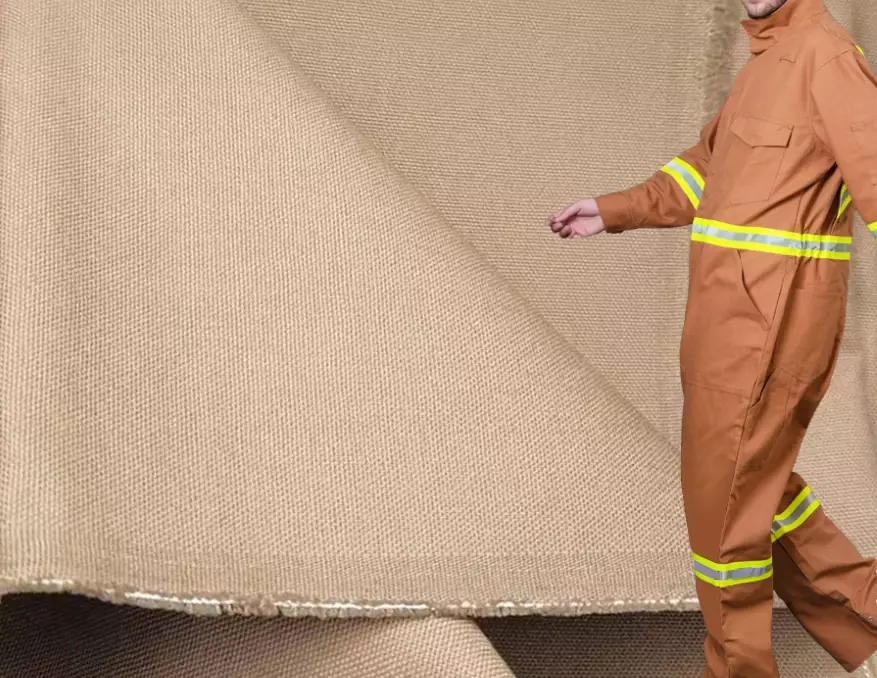
1. Define the "Threat Scenario" and Regulatory Driver
Is the primary risk a small open flame (like a candle tipping over), electrical arc flash, molten metal splash, or a smoldering cigarette? Your local building code or industry regulation (like OSHA in the US) will dictate the minimum standard. Call your local fire marshal's office or building department—they give free advice and would rather guide you than fail you later.
2. Prioritize Performance Properties Beyond Just FR
Flame resistance is one box to tick. What about the others?
- Durability & Abrasion Resistance: For upholstery on a busy restaurant banquette, this is as critical as FR.
- Colorfastness & UV Stability: Will the fabric be in direct sunlight? Some FR treatments can degrade with UV exposure.
- Cleanability: Can it handle commercial cleaning chemicals? Get a maintenance guide from the supplier.
- Comfort & Breathability: Crucial for workwear. A non-breathable FR suit in a hot factory is a safety hazard itself.
- Aesthetics: It has to look good. Thankfully, modern FR fabrics come in endless colors and textures.
3. Get Physical Samples and Test Them (Yes, Really)
Any reputable supplier will send you a sizable swatch (at least 8"x8"). Do your own due diligence. Feel it. Is the hand (drape and feel) appropriate? Check the back. Is the treatment evenly applied? Ask for a "lemon test." Any supplier confident in their product should be willing to send you a certified test report from an accredited third-party lab, like UL or SGS. Not an in-house report—a third-party one.
Beyond the Lab: Real-World Applications and Pitfalls
Let's get concrete. Where does this stuff actually get used, and what goes wrong?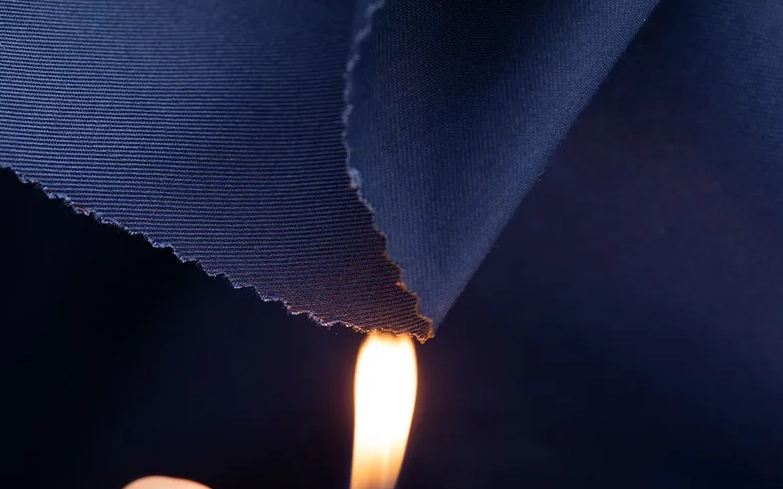
Theater & Event Drapery: This is NFPA 701 territory. The pitfall here is ignoring the hardware. I've seen 701-certified velour hung with non-FR lining, blackout cloth, or even regular polyester thread. The entire assembly must be compliant. Ask your drapery maker for a certificate for the complete assembly.
FR Workwear: Governed by NFPA 2112 or similar (like ARC rating for arc flash). The biggest mistake is improper fit. Baggy FR clothing can snag on machinery; too-tight clothing can reduce its protective insulating air layer and tear more easily. Follow the sizing guides from reputable manufacturers like Carhartt FR, Ariat FR, or Bulwark.
Public Space Upholstery: Hotels, airports, cinemas. Standards like CAL 117 or EN 13501-1 are key. The pitfall is assuming "once FR, always FR." Spills happen. If you spot-clean an FR fabric with a harsh solvent or bleach, you might strip the treatment in that spot, creating a weak point. Always use the cleaner recommended by the fabric maker.
The Care & Maintenance Most People Get Wrong
This is where performance dies. Treating FR fabric like any other textile will ruin it.
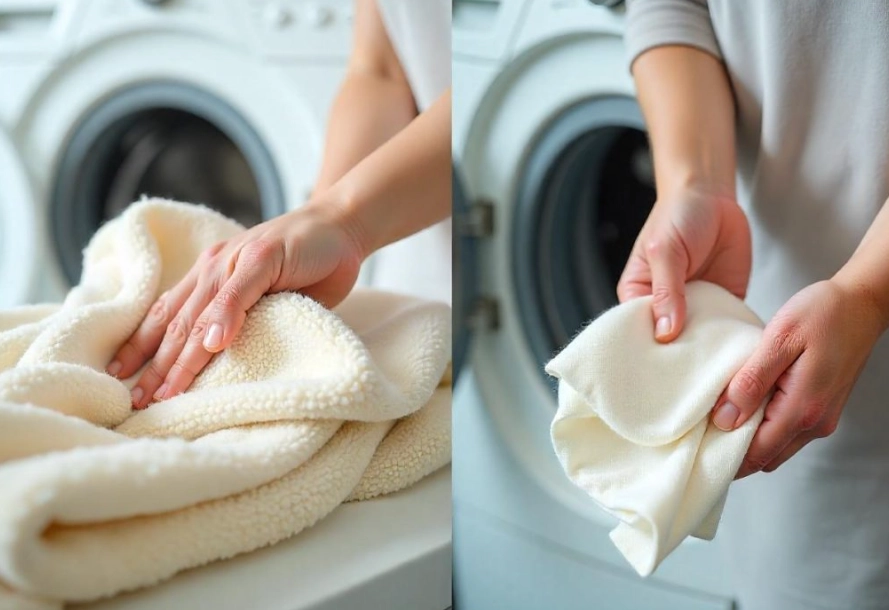
- Washing FR Clothing: Never use fabric softener or chlorine bleach. They coat or break down the FR chemicals. Use a standard liquid detergent. Tumble dry on low or medium heat—high heat can degrade some treatments over time.
- Cleaning FR Upholstery/Drapery: Vacuum regularly to remove dust (which can be fuel). For spills, blot—don't rub. Use a mild, water-based upholstery cleaner, test in an inconspicuous area first, and don't oversaturate.
- The Re-Testing Question: For critical life-saving garments (like for electricians), the standard (e.g., NFPA 2112) mandates periodic inspection and retirement based on wear. For drapery in a stable environment, if it's not damaged or excessively soiled, the FR property should last the life of the fabric. When in doubt, a small sample can be sent to a lab for verification.
Expert Answers to Your Burning Questions
Can I make regular fabric flame retardant at home with a spray?
How many washes will a treated FR work shirt last?
Is "flame retardant" the same as "fireproof"?
Can I wash flame retardant curtains at home?
Are there eco-friendly or non-toxic flame retardant options?