You pull out your favorite sweater, only to find it covered in those annoying little balls of fuzz—pills. It's frustrating, and it makes clothes look old before their time. But here's the good news: pilling is largely preventable. I've spent years dealing with fabrics, and I've seen how small changes in care can make a huge difference. Let's dive into how you can stop pilling and keep your garments looking fresh.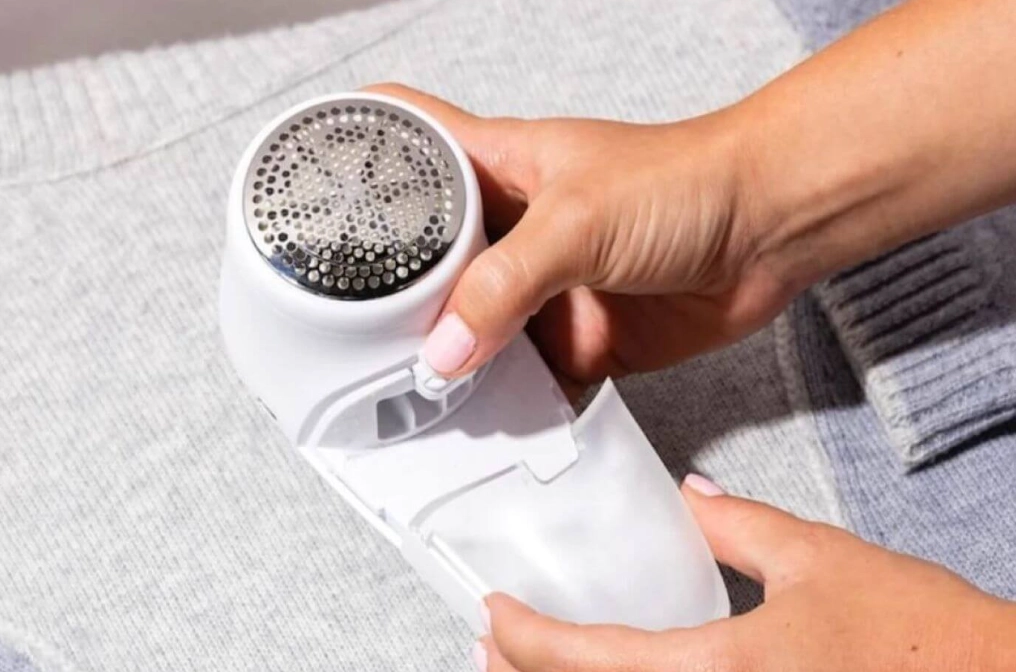
What You'll Learn
What is Pilling and Why Does It Happen?
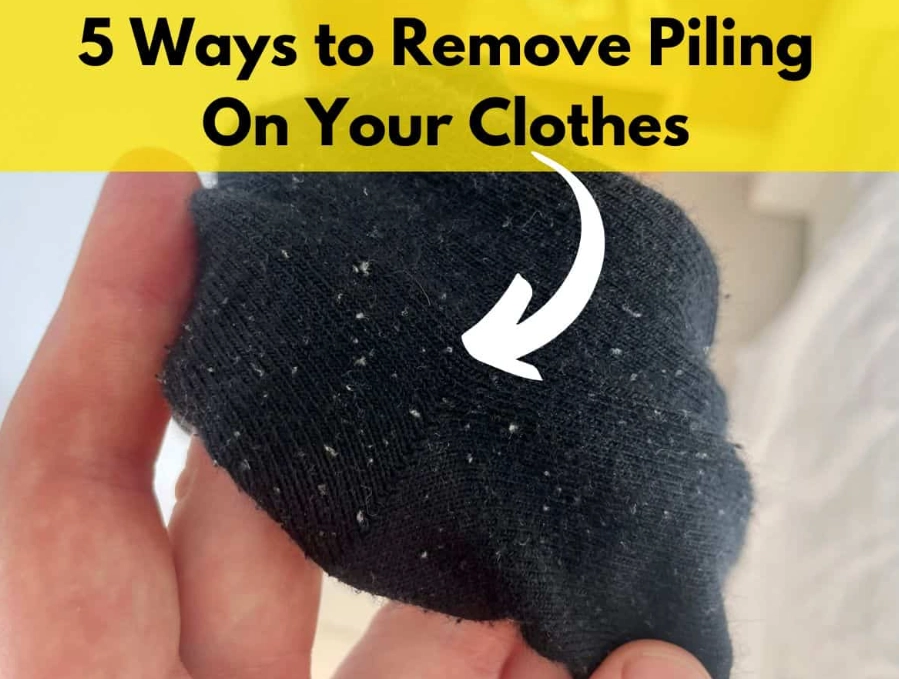
Pilling happens when loose fibers on fabric surfaces tangle together from friction, forming those pesky little balls. It's not a sign of poor quality—even expensive wool or cashmere can pill. The main culprits are friction during wear and washing, and the type of fiber. Short fibers, like in some cotton blends, are more prone to pilling than long, smooth fibers like silk.
I remember buying a premium merino wool sweater, thinking it was immune. After two washes, it started pilling because I tossed it in with jeans. Lesson learned: friction is the enemy. According to the International Textile and Apparel Association, mechanical action in washing machines is a leading cause of pilling, especially for delicate fabrics.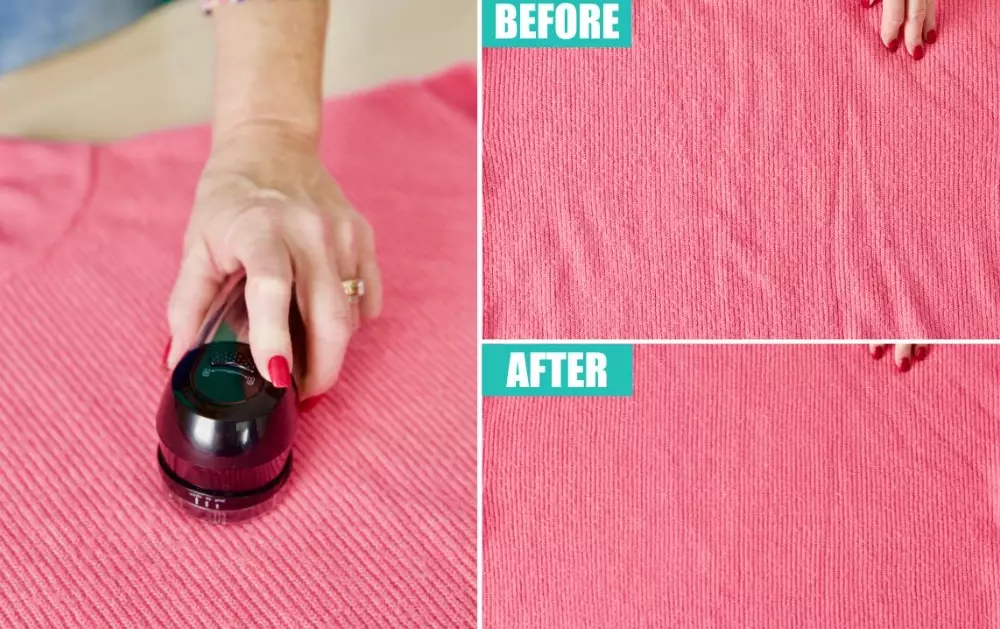
The Golden Rules of Washing to Prevent Pilling
Washing is where most pilling starts. Get this right, and you're halfway there.
Sort Before You Wash
Never wash sweaters with rough items like denim or towels. The abrasion will pull fibers loose. I separate my laundry into three piles: delicates (wool, cashmere), mediums (cotton blends), and heavy (jeans, jackets). It takes an extra minute, but it saves clothes.
Temperature Matters: Always Go Cold
Hot water weakens fibers, making them more likely to break and pill. Use cold water for almost everything. For synthetics, cold water also reduces static, which can contribute to pilling. I switched to cold washes years ago, and my clothes last twice as long.
The Gentle Cycle is Your Best Friend
Aggressive cycles are pilling machines. Use the gentle or delicate cycle, which reduces tumbling. If your machine has a hand-wash setting, even better. And avoid overloading—clothes need room to move freely without rubbing.
Pro tip: Turn garments inside out? It's common advice, but for some synthetic blends, it can expose the inner surface to more friction. For natural fibers like wool, it helps. Know your fabric—when in doubt, check the care label.
Use a Garment Bag
Mesh laundry bags are lifesavers. They create a barrier that minimizes friction. I use them for all my sweaters and delicate tops. You can find affordable ones online; just make sure they're large enough so clothes aren't cramped.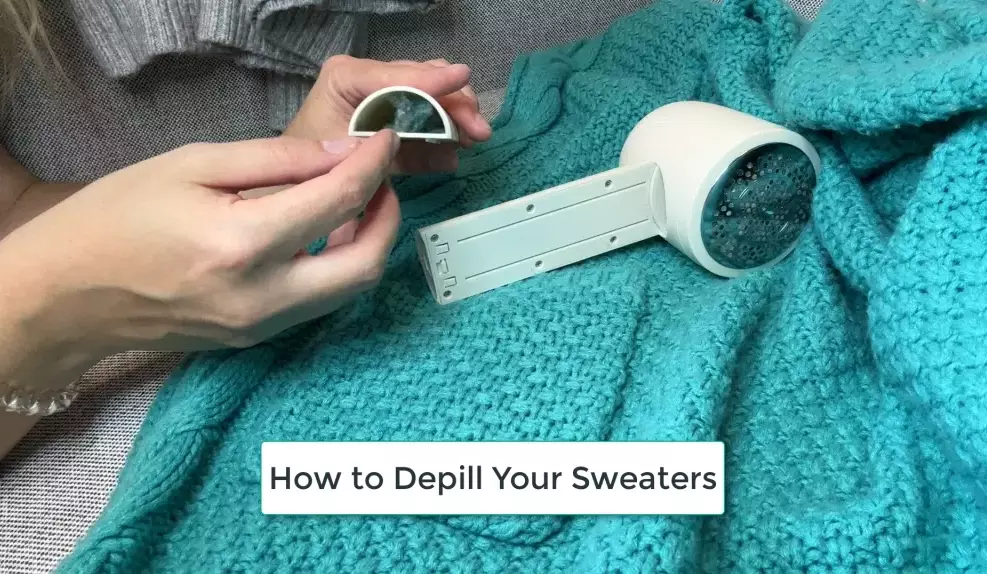
Drying and Storage: Don’t Ruin Your Efforts
How you dry and store clothes is just as important as washing.
Air drying is the safest bet. Lay sweaters flat on a towel, reshape them, and let them dry away from direct heat or sun. Tumble drying on low heat might seem convenient, but the constant tumbling causes friction that leads to pilling. I learned this the hard way with a cotton sweater that pilled after one dryer cycle.
For storage, fold sweaters instead of hanging them. Hanging can stretch fibers, making them more susceptible to pilling. Use cedar blocks or breathable containers to prevent moisture buildup, which can weaken fibers.
Essential Tools for Pilling Prevention
Having the right tools can make prevention easier. Here’s a quick comparison of popular options:
| Tool | Best For | How It Helps Prevent Pilling |
|---|---|---|
| Fabric Shaver | Removing existing pills quickly | Shaves off pills without damaging fabric; regular use reduces future pilling by smoothing fibers |
| Mesh Laundry Bags | Washing delicates and sweaters | Reduces friction during wash cycles |
| Lint Roller | Quick surface cleanup | Removes loose fibers before they tangle |
| Gentle Detergent | All fabric types | Cleans without harsh chemicals that break down fibers |
I recommend investing in a good fabric shaver. The Conair Fabric Shaver is under $20 and works wonders. Use it lightly every few wears to catch pills early. But don't overdo it—shaving too aggressively can thin the fabric.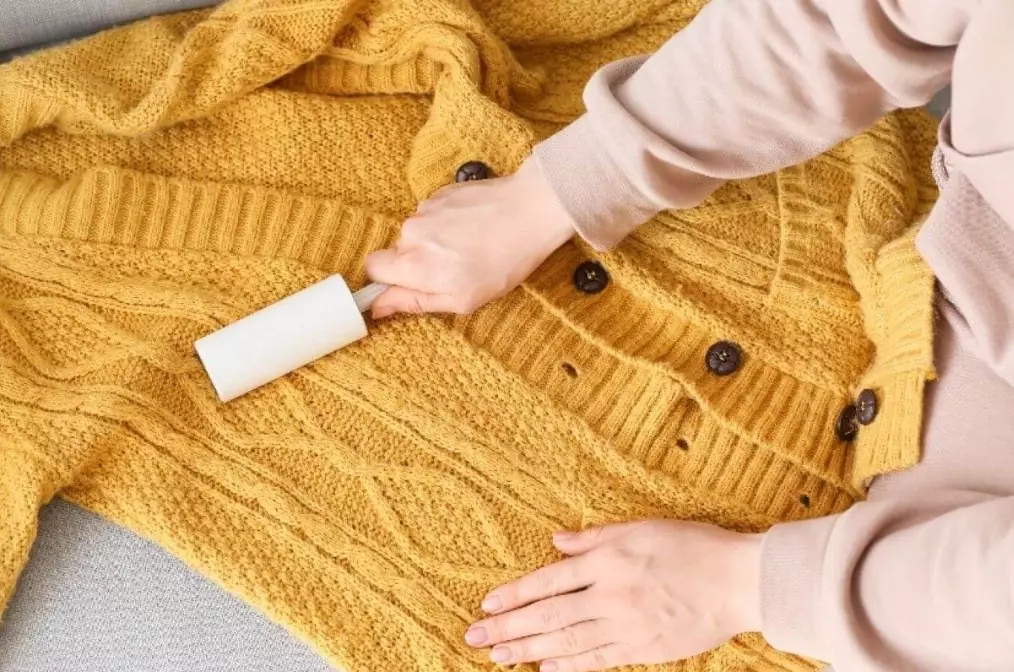
Fabric-Specific Advice: Know Your Materials
Different fabrics pill differently. Here’s a breakdown:
- Wool and Cashmere: High pilling risk due to short fibers. Hand wash in cold water with wool-specific detergent. Air dry flat. Avoid wringing—gently press out water.
- Cotton: Generally low pilling, but blends with polyester can pill. Wash inside out on gentle cycle. Tumble dry on low if needed, but air drying is better.
- Synthetics (Polyester, Nylon): Prone to pilling from static and friction. Use fabric softener sparingly—it can coat fibers and make them sticky, leading to more pilling. Wash with similar fabrics.
- Silk: Low pilling risk. Hand wash or dry clean. Never wring or twist.
I had a polyester blend shirt that pilled like crazy until I stopped using fabric softener. Now, I add a half cup of white vinegar to the rinse cycle instead—it softens without residue.
Your Pilling Prevention Questions Answered
 Pilling doesn't have to ruin your clothes. By understanding the causes and adopting these practical steps, you can keep your sweaters and garments looking new for years. Start with sorting your laundry, using cold water, and air drying—it's that simple. And remember, a little care goes a long way.