That moment you find a hole in your favorite shirt, a tear in the couch, or a rip in your trusty backpack is frustrating. Your first thought might be to toss it. Don't. Learning how to fix a hole in fabric is easier than you think, and it saves money, reduces waste, and often adds character. I've been repairing everything from delicate silks to heavy-duty canvas for over a decade, and the biggest mistake I see is people using the wrong technique for the fabric and the type of damage. This guide cuts through the fluff and gives you the exact steps, tools, and insider tricks to make your repairs invisible or intentionally beautiful.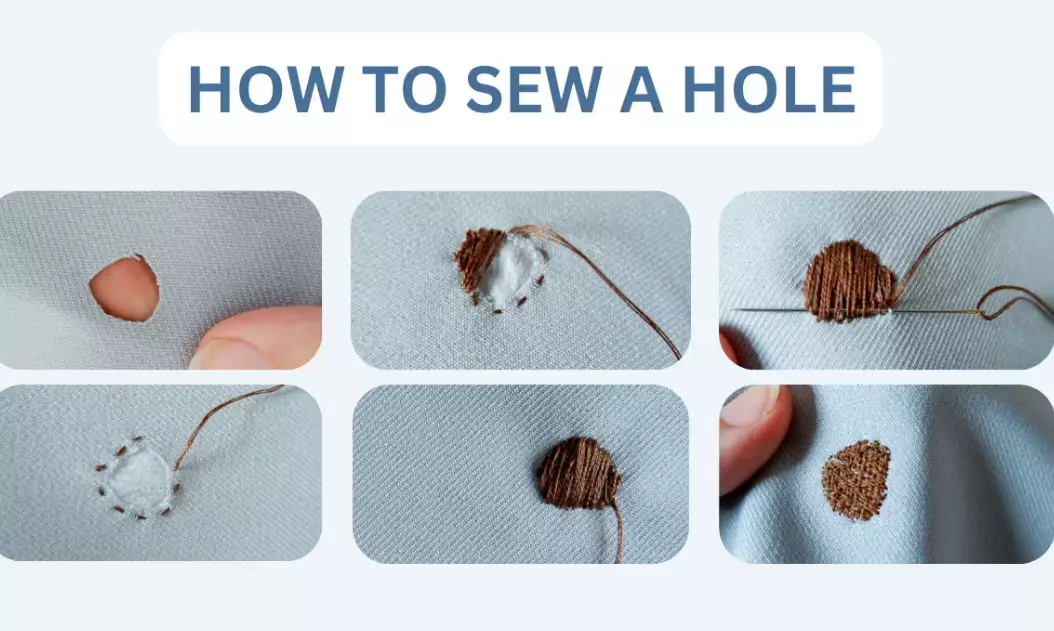
What You'll Learn in This Guide
- First Step: Assess the Damage (Don't Skip This!)
- The Right Tools for the Job: Your Repair Kit Essentials
- Method 1: Stitching the Hole Closed
- Method 2: Patching from Behind or On Top
- Method 3: The Quick Fix with Fabric Glue & Fusible Web
- Fabric-Specific Repair Strategies
- 5 Common Mistakes That Ruin a Good Repair
- Your Fabric Repair Questions, Answered
First Step: Assess the Damage (Don't Skip This!)
Jumping straight in with a needle and thread is a recipe for a puckered, obvious repair. Take 30 seconds to look closely.
What kind of hole is it? A clean slit from a sharp object? A frayed, worn-through area from friction? A small puncture? A large tear with ragged edges? The answer dictates your entire approach.
Where is it located? A hole in a high-stress area like a knee or elbow needs a stronger solution (like a patch) than one in a low-stress area like a shirt front.
What is the fabric? This is the most critical question. A stretchy knit, a woven cotton, a delicate chiffon, and heavyweight denim all demand different handling. We'll get into specifics later.
The Right Tools for the Job: Your Repair Kit Essentials
You don't need a professional sewing kit, but having the right few items makes all the difference. Here’s what I always have on hand.
| Tool/Material | What It's For | Pro Tip & Why It Matters |
|---|---|---|
| Sharp Sewing Scissors | Cutting thread and trimming frayed edges cleanly. | Dull scissors mash fabric fibers, creating more fraying. Dedicate a pair solely to fabric. |
| Hand Sewing Needles (Assorted) | Different sizes for different fabrics. | A fine “sharps” needle for wovens, a ballpoint needle for knits (it slips between fibers instead of piercing them). Using a thick needle on thin fabric leaves visible holes. |
| Thread (Polyester or Cotton) | Matching the repair to the original fabric. | Polyester is stronger and more elastic. For an invisible repair, match color and sheen (matte vs. glossy). Don't just grab the closest white spool. |
| Fusible Web (like Stitch Witchery) | Bonding fabric without sewing for quick fixes or stabilizing patches. | A game-changer for beginners. It's an iron-on adhesive tape. Test heat on a seam first! Too hot and it can scorch delicate fabric. |
| Fabric Glue (Flexible, Clear-Drying) | Securing edges, applying patches, or emergency repairs on non-washables. | Look for a washable, flexible formula like Aleene's Flexible Stretch. School glue will crack and wash out. |
| Patch Material | Reinforcing from behind or creating decorative fixes. | Use a scrap of similar weight and fiber content. A denim patch behind a silk blouse will be stiff and obvious. Iron-on patches are convenient but often stiff. |
| Embroidery Hoop (Small) | Holding fabric taut for stitching. | This is my secret weapon for clean stitches, especially on large holes or stretchy fabric. It prevents puckering. |
Quick Kit Build: If you're starting from zero, buy a small pack of assorted needles, a spool of gray and a spool of beige polyester thread (they blend with many colors), sharp scissors, and a roll of 1/2" fusible web. This covers 80% of basic repairs.
Method 1: Stitching the Hole Closed
Best for: Small holes, clean slits, and tears in woven fabrics where the edges can be brought together.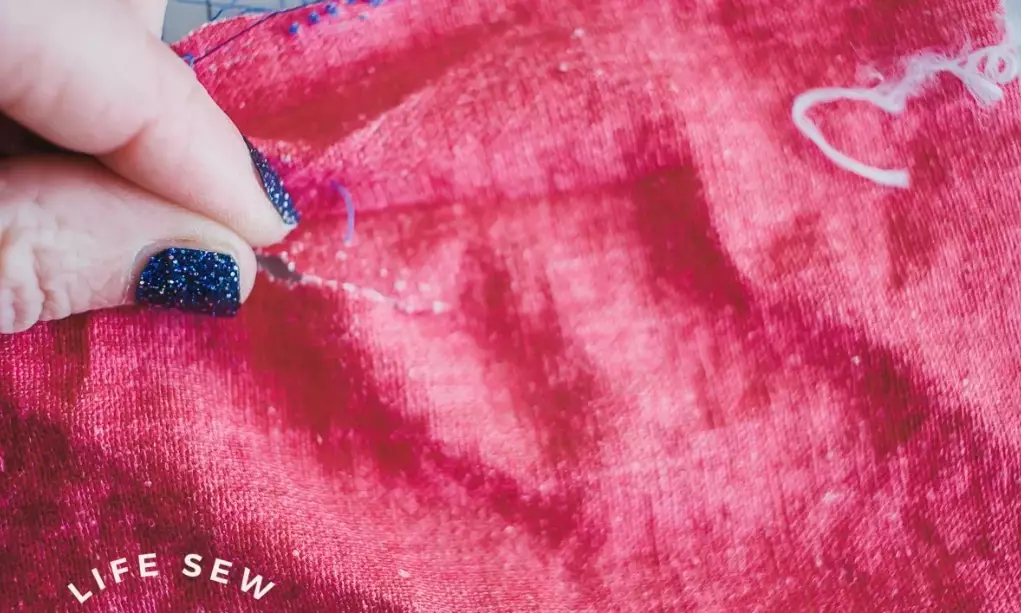
The Whip Stitch (The Everyday Workhorse)
This is the simplest, strongest stitch for closing an edge. Think of the hole as a canyon you're building a bridge across.
First, if the edges are frayed, carefully trim any long threads. Turn the garment inside out if you want the repair hidden.
Bring the edges together as neatly as possible. Start your stitch from the backside, coming up through both layers about 1/8" from the edge. Go back down through both layers just ahead of where you came up, pulling the thread through to form a diagonal stitch over the edge. Repeat, keeping stitches even and close together.
The key is tension. Pull snug, but not so tight that the fabric gathers. If the hole is under tension (like a knee), reinforce it by going back over the line of stitches a second time.
The Darning Stitch (For Worn-Through Areas)
Darning rebuilds the fabric where it's worn thin or has a small hole. You weave new threads over the gap. It takes practice but is incredibly satisfying and durable.
Place the area in an embroidery hoop. Start by creating a base of parallel running stitches (just in and out) beyond the hole, covering the thin area. Then, weave your needle perpendicularly over and under these base threads, mimicking the weave of the fabric. The goal is to create a new piece of fabric.
Most tutorials show perfect weaving. In reality, on a worn t-shirt, a looser, faster weave works fine. The point is to redistribute stress.
Method 2: Patching from Behind or On Top
Best for: Larger holes, frayed areas, high-stress points, or when you want a decorative touch (visible mending).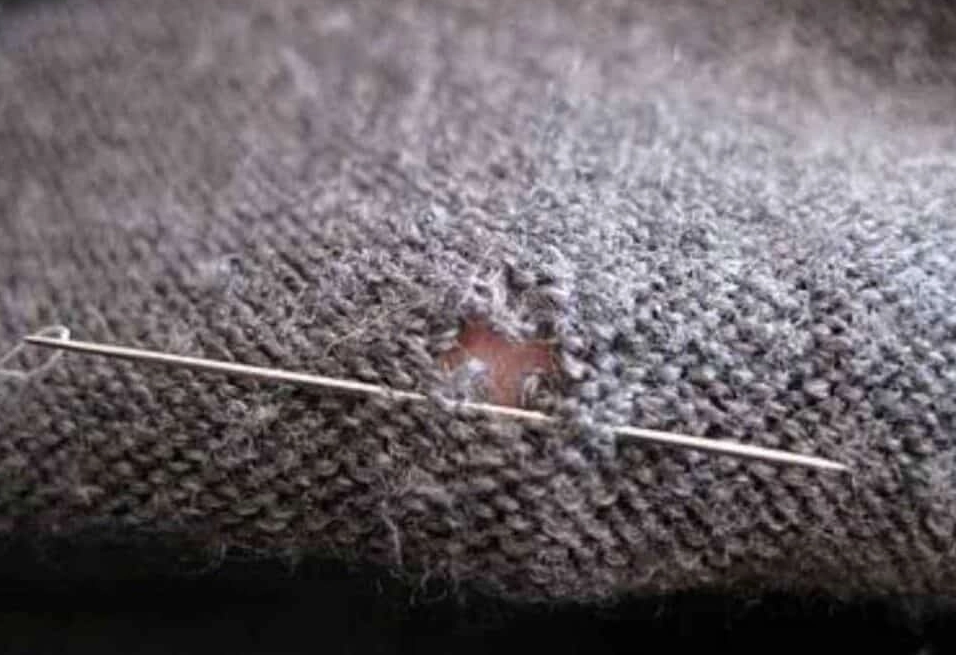
The #1 Patching Mistake: Using a patch that's too small. It should extend at least 3/4" beyond the hole in all directions. A small patch just concentrates stress on its edges, leading to a new tear right beside your repair.
The Invisible (or Set-In) Patch
This is the gold standard for a discreet repair on pants or shirts. You cut away the damaged area and insert a new piece of fabric.
1. Cut a clean square or rectangle around the hole.
2. Find a matching fabric scrap (from a hem or seam allowance is perfect). Cut a patch 1" larger than the hole on all sides.
3. Place the patch behind the hole, right side up if the garment is inside out. Pin.
4. Turn the raw edges of the hole inward, press, and pin them down onto the patch.
5. Use a slip stitch or ladder stitch to sew the folded edges of the hole to the patch. The stitches should be nearly invisible on the right side.
It sounds involved, but it creates a flat, professional finish. For a quicker version, use fusible web to bond the patch behind the hole before stitching.
The Decorative Top Patch
This is where visible mending shines. Embrace the repair as part of the item's story. Use a contrasting fabric, sashiko stitching, or embroidery floss.
Cut your patch with pinking shears to prevent fraying and add a decorative edge. Pin it directly over the hole. Use a simple running stitch, blanket stitch, or satin stitch around the perimeter. This method is forgiving, strong, and full of personality. I fixed a hole in my favorite canvas tote with a bright floral patch five years ago; it's still my strongest bag.
Method 3: The Quick Fix with Fabric Glue & Fusible Web
Best for: Non-washable items (curtains, some upholstery), temporary repairs, securing edges before stitching, or when you have no sewing skills.
Fusible web is magical. For a small hole in a t-shirt:
Cut a small piece of matching fabric for a patch. Cut a piece of fusible web slightly smaller than the patch. Sandwich it: fabric item (right side down), fusible web, patch fabric (right side up). Iron with a hot, dry iron (no steam) for the time specified on the package. The web melts and bonds the layers.
Limitation: The bond can weaken over many washes and high heat. For a permanent fix, add a few hand stitches around the edge after fusing.
Fabric glue is perfect for securing a fraying edge on a jacket lining or a small tear in a Halloween costume. Apply a thin line, press together, and let it cure fully. Check the bottle for washability.
Fabric-Specific Repair Strategies
Here’s where generic advice fails. Let's get specific.
Jersey Knits & T-Shirts: The enemy is stretching. Use a ballpoint needle and polyester thread for stretch. A patch (fused or sewn) is almost always better than just stitching a hole closed, as it stabilizes the stretched-out area. If you just stitch it, it will often pucker.
Denim: It's thick and the threads are heavy. Use a heavy-duty needle and thick thread (or embroidery floss). Darning or a top patch with reinforcing stitches works great. For holes at the inner thigh, a large patch on the inside, secured with a crisscross stitch pattern, is the only lasting fix.
Delicate Wovens (Silk, Chiffon): Fine needle, fine thread. A tiny whip stitch or slip stitch is best for small holes. For larger damage, an invisible patch with lightweight silk organza as the backing fabric is a professional technique. Go slow.
Waterproof Fabrics & Coats: Sewing can compromise the waterproof membrane. Your best bet is a specialty repair tape like Tenacious Tape or Gear Aid tape, applied to a clean, dry surface according to the instructions. It's incredibly strong and flexible.
5 Common Mistakes That Ruin a Good Repair
I've seen these over and over.
- Using thread that's too thick or the wrong color. It makes the repair shout instead of whisper.
- Not securing the back of the stitch. Always knot the thread securely at the start and end, or weave the tail back through several stitches. A repair that unravels after one wear is demoralizing.
- Pulling stitches too tight. This gathers the fabric, creating a pucker that's more noticeable than the hole itself.
- Ignoring the grain of the fabric. Patches should be cut with the grain (parallel to the threads) matching the garment. A patch cut on the bias (diagonal) will behave differently when washed.
- Giving up too soon. The first few stitches might look messy. Keep going. The overall consistency matters more than each individual stitch.
Your Fabric Repair Questions, Answered
 How can I make my hand-stitched repair less visible?
The next time you see a hole, don't see an end. See a beginning. A chance to learn a skill, to extend the life of something you love, and to push back against a disposable culture. Start with a simple fix on an old pillowcase. You'll be surprised how quickly the skill grows. And that favorite sweater with the tiny moth hole? It's waiting for its second act.