Let's be honest. Most of us have no idea what happens to a t-shirt after we toss it in the donation bin or, worse, the trash. It just... disappears. But in a world waking up to the plastic microfiber crisis and overflowing landfills, that 'out of sight, out of mind' approach is crumbling. Enter biodegradable fabrics—the promise of clothes that can return to the earth. Sounds perfect, right? It's more complicated than the marketing lets on. I've spent years sourcing textiles, and the gap between the ideal and the reality of biodegradability is where most people get tripped up. This isn't just a list of 'eco-friendly' materials; it's a roadmap to understanding what you're really buying and how to make it work in the real world.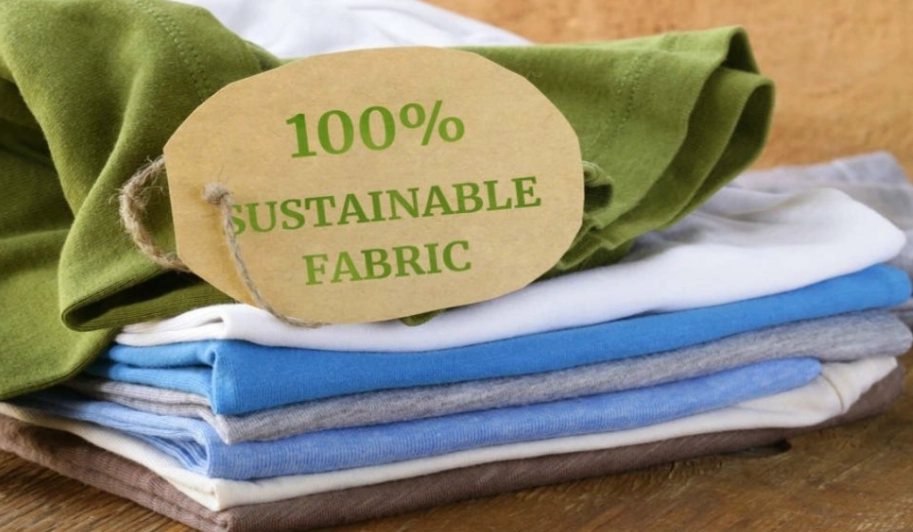
What You'll Discover in This Guide
What Are Biodegradable Fabrics? (Beyond the Buzzword)
At its core, a biodegradable fabric is one that can be broken down by microorganisms like bacteria and fungi into water, carbon dioxide, and biomass. The key word here is can. It doesn't mean it will decompose in any condition, and it certainly doesn't mean it will do so quickly on your backyard compost heap.
The biggest misconception? Assuming "natural" equals "biodegradable." A 100% cotton t-shirt is natural, but if it's dyed with synthetic pigments, treated with formaldehyde-based anti-wrinkle finishes, or has polyester stitching, its biodegradability is severely compromised. The entire product lifecycle matters.
Then there's the standard problem. Unlike terms like "organic," there's no universal, legally binding certification for "biodegradable" in textiles. A brand can use it loosely. The most credible benchmarks come from independent testing against standards like ISO 14855 (for industrial composting) or ASTM D6691 (for marine environments). Look for references to these tests on a brand's sustainability page.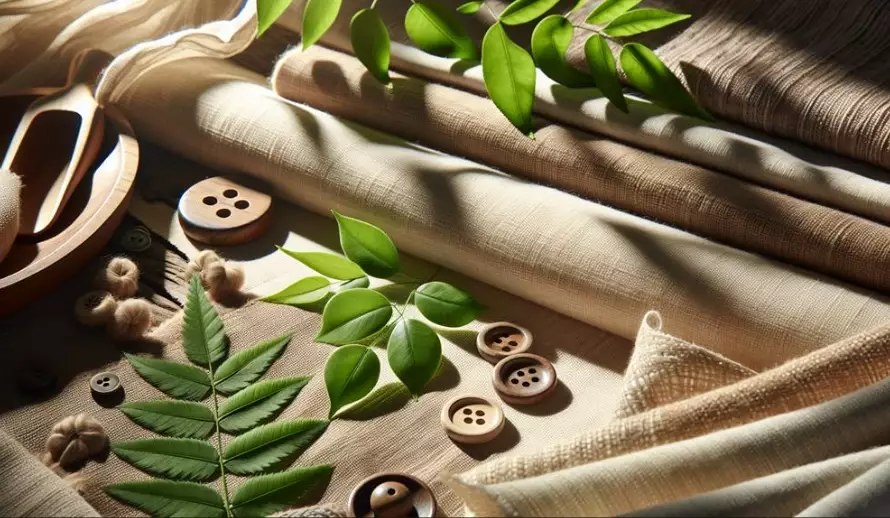
Expert Reality Check: Just because a fiber source is biodegradable (like corn) doesn't mean the processed fabric (like some PLAs) will biodegrade in a home compost system. They often require the specific high heat of an industrial composting facility. Always ask: "Biodegradable under what conditions?"
A Breakdown of Common Biodegradable Materials
Not all biodegradable fabrics are created equal. Their performance, feel, and end-of-life requirements vary wildly. Here’s a no-nonsense look at the main players.
| Material | Source & Process | Biodegradation Context | Best For | Watch Out For |
|---|---|---|---|---|
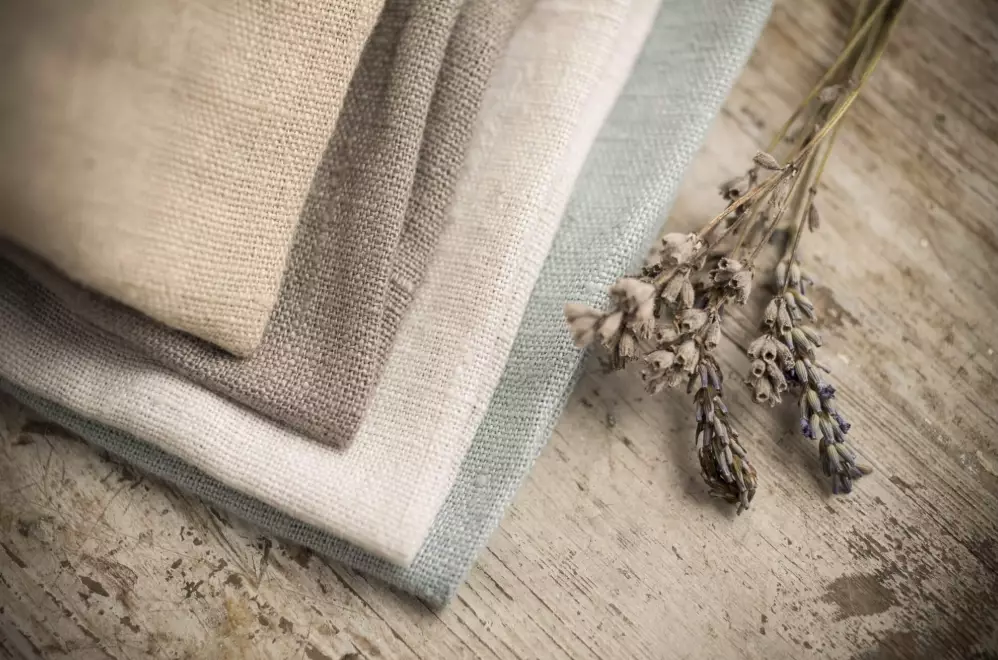
| Organic Cotton/Hemp/Linen | Grown without synthetic pesticides. Woven into fabric. | Will decompose in soil/home compost if untreated. Slow (months to years). | Basics, towels, bedding, durable bags. | Conventional versions use heavy chemicals. Look for GOTS certification. |
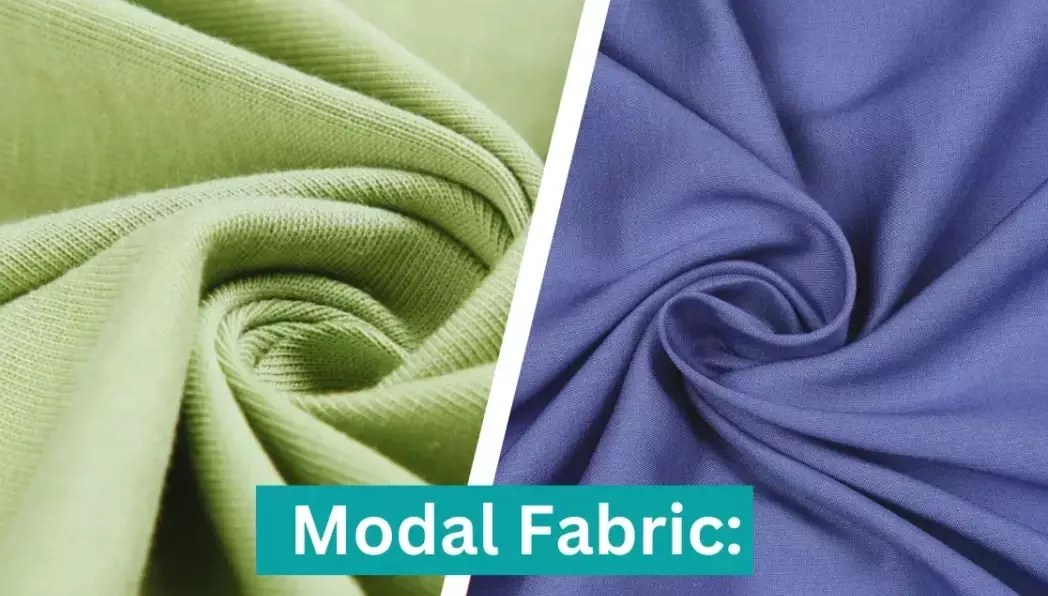
| Tencel™/Lyocell (Modal) | Wood pulp (often eucalyptus) dissolved in a non-toxic solvent in a closed-loop system. | Fully biodegradable and compostable under industrial, home, soil, and marine conditions (certified). | Soft, drapey garments, activewear, bedding. | Can be blended with non-biodegradable fibers. Stick to 100% versions. |
| Organic Wool | Sheared from sheep raised per organic standards. | Natural protein fiber that biodegrades in soil, releasing nitrogen. | Winter wear, blankets, felted items. | |
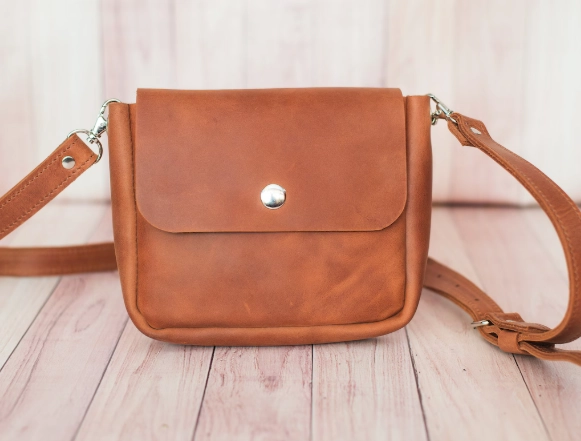
| Piñatex | Fibers from pineapple leaves, a by-product of agriculture. | Biodegradable under industrial composting conditions. | Vegan leather alternative for bags, shoes, accessories. | Often coated with a thin PLA or PU layer for durability, which affects breakdown. |
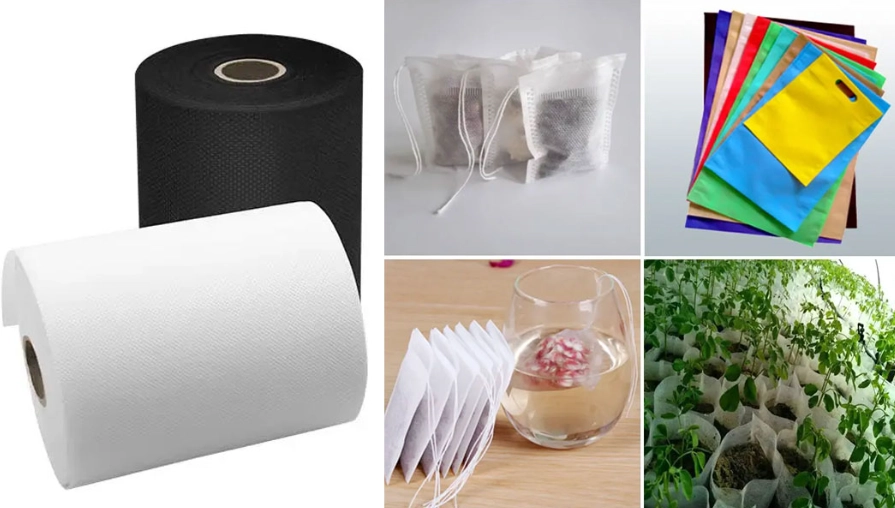
| PLA (Polylactic Acid) | Fermented plant sugars (corn, sugarcane) polymerized. | Compostable only in industrial facilities (high heat required). Won't break down in landfill. | Often used in non-wovens, linings, or as a coating. | Misleading if labeled as "home compostable." Requires specific disposal. |
I'm particularly cautious about materials like bamboo viscose. While bamboo itself is a fast-growing grass, the process to turn it into soft fabric typically involves heavy chemical processing (the viscose method). Unless it's specifically labeled as "bamboo lyocell" (using a closed-loop system), its environmental credentials and biodegradability are questionable due to chemical residues.
The Durability Paradox
Here's a tension we don't talk about enough. We want clothes to last, but we also want them to disappear when we're done. A truly biodegradable fabric, by nature, is susceptible to microbial attack. How do you balance that with needing a jacket to survive five winters of rain?
The answer isn't a magic fiber. It's design for disassembly. Think of a coat where the biodegradable shell is separate from a recyclable zipper and removable, biodegradable insulation. At end-of-life, you can separate the components for their appropriate stream. Brands like Patagonia are experimenting with this, but it's far from mainstream.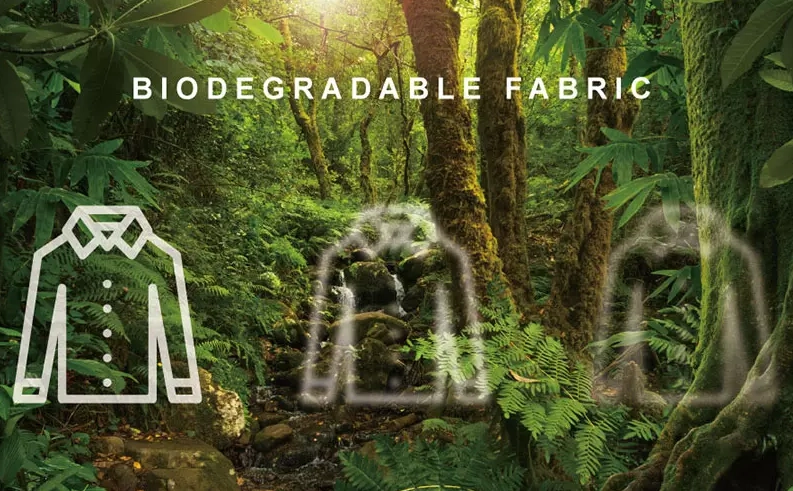
How to Choose the Right Biodegradable Fabric
Don't just grab the first "eco" label you see. Your choice should be a strategic match for the item's purpose and your local disposal options.
Scenario 1: You need a basic, everyday t-shirt.
Go for 100% GOTS-certified organic cotton or hemp. It's durable, breathable, and if it eventually wears out and you have a compost bin, you can cut it up and add it in small pieces. It might take a year, but it'll go.
Scenario 2: You want luxurious, soft bedding or loungewear.
Tencel™ Lyocell is your winner. It's reliably biodegradable, has a gorgeous drape, and is produced in an environmentally sound way. Check for the Lenzing certification.
Scenario 3: You're looking for a raincoat or performance gear.
This is the hardest category. A fully biodegradable, fully waterproof fabric is the holy grail. Current options are compromises. You might find a PFC-free water-resistant coating on a organic cotton canvas—better, but not fully biodegradable. For now, prioritize durability and recyclability here, and look for brands with robust take-back programs.
Always, always check the care label and brand website for end-of-life instructions. If there are none, that's a major red flag.
The Real Deal on Care and Disposal
This is where good intentions fail. You buy a compostable t-shirt, wear it for years, then throw it in a plastic trash bag headed for a sealed landfill. Game over. Landfills lack the oxygen microbes need to work. The shirt will mummify, not decompose.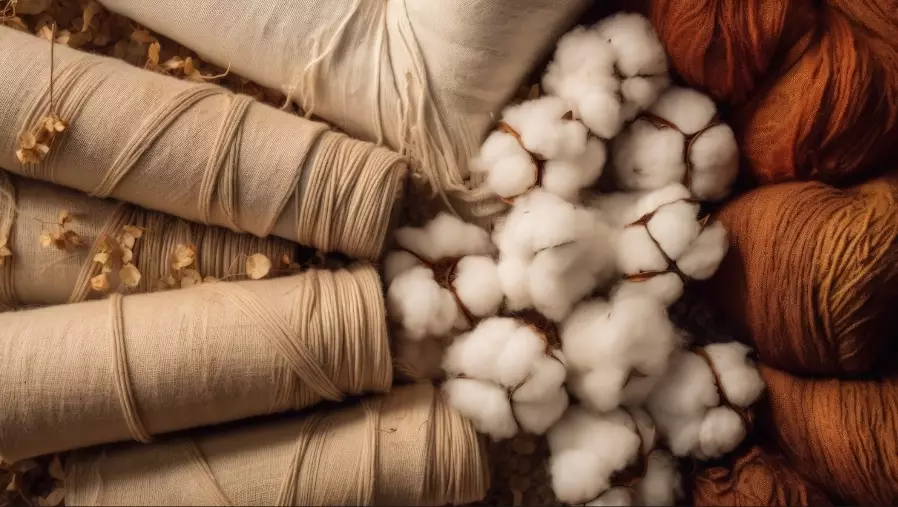
Your Action Plan:
- Maximize Use: The greenest garment is the one you wear 100 times. Mend it, love it, pass it on.
- Home Composting: Only for 100% untreated natural fibers (cotton, linen, hemp, wool). Cut into small pieces, mix with greens and browns. No synthetic blends, dyes, or elastane.
- Industrial Composting: For items labeled as industrially compostable (like some PLAs). You must find a facility that accepts textiles—this is rare. Contact your local facility first. Don't contaminate your green bin.
- Brand Take-Back: Some innovative brands, like For Days or Girlfriend Collective, have recycling programs where they'll take back their worn-out items (even from other brands) to be properly processed or recycled.
Washing matters too. Use a GUPPYFRIEND washing bag to catch microfibers, even from natural fabrics, as they can still carry chemical residues into waterways.
What's Next? Future Trends and Innovations
The frontier is moving beyond plant-based to lab-grown and waste-based.
Mycelium Leather: Companies like Bolt Threads (Mylo) are growing leather-like materials from mushroom roots. It's inherently biodegradable and doesn't require farming land.
Algae and Seaweed Fibers: Fabrics like SeaCell blend lyocell with seaweed. They offer skin benefits and are fully biodegradable, tapping into the ocean's rapid regenerative potential.
Enzyme-Triggered Biodegradation: The most exciting, I think, is research into polymers that are durable in use but will rapidly biodegrade when exposed to a specific enzyme or compost environment. Imagine a polyester-like performance fabric that only starts to break down when placed in a commercial compost heap. It's in early stages, but it addresses the durability paradox head-on.
The goal isn't just to make stuff that disappears. It's to create a system where materials flow in loops, designed from the start for their next life. Biodegradability is one crucial tool in that toolbox, but it's not the only one.