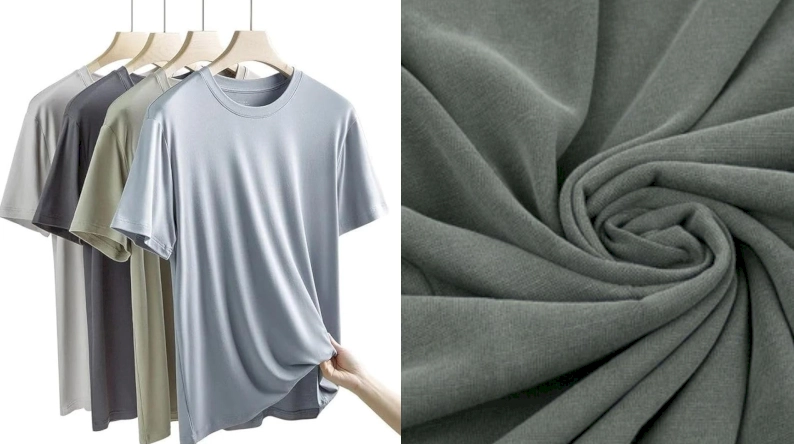
You just bought a perfect linen shirt or a set of beautiful flax-colored bedsheets. They feel amazing. Then the worry hits: will washing this ruin it? Does linen shrink? The short, honest answer is yes, it can. Quite a bit, actually. But here's the thing—that doesn't have to be a disaster. In fact, understanding why and how linen shrinks is the key to preventing it. This guide cuts through the generic advice. We'll look at the science, the real-world washing mistakes I've seen (and made), and the precise steps that keep linen soft, relaxed, and exactly the size you bought it.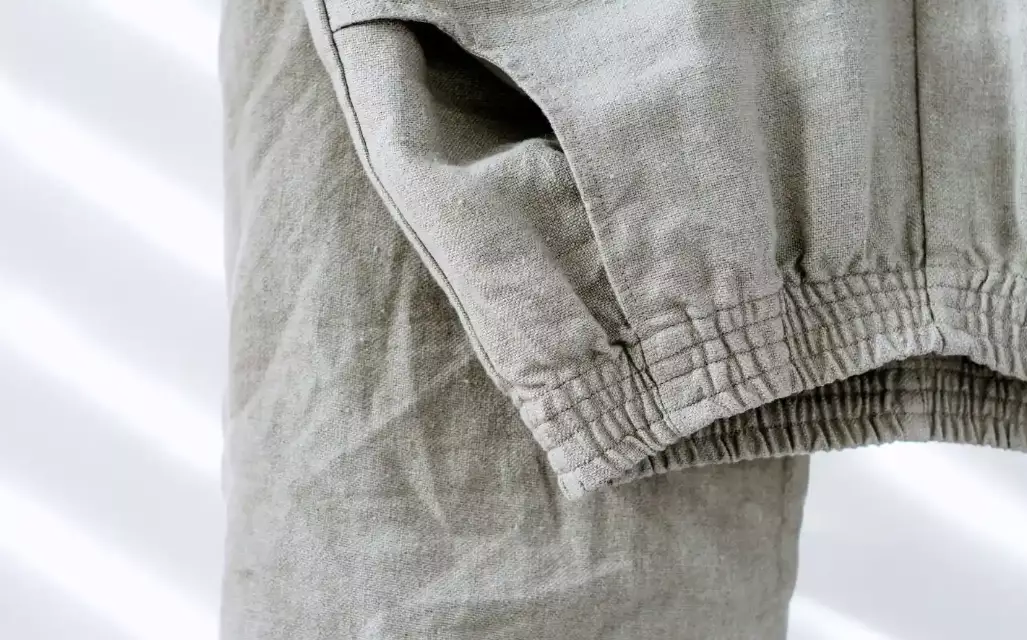
What You'll Learn in This Guide
Why Linen Shrinks: It's Not a Flaw, It's Physics
Linen comes from the flax plant. Its fibers are naturally strong but have a lot of "give" in their raw, woven state. When you first get a linen item, those fibers are in a tense, stretched-out position from the weaving and finishing processes.
Think of it like a coiled spring. Heat, moisture, and agitation—the three main ingredients of a wash cycle—act like releasing the spring's tension. The fibers relax and contract back to their natural, more compact state. This is "relaxation shrinkage," and it's the primary reason linen gets smaller. It's not the fiber degrading; it's just settling into itself.
Most of this shrinkage happens in the first few washes. According to the International Linen Association, you can expect anywhere from 3% to 10% shrinkage in pure linen on the first wash if you're not careful. That 10% is huge—a shirt that was 40 inches around the chest suddenly becomes 36 inches.
A key detail most miss: The direction of the weave matters. Linen often shrinks more in the length (the warp threads) than in the width (the weft). That's why a dress might become noticeably shorter more than tighter.
How to Wash Linen: A Step-by-Step Method to Stop Shrinkage
Forget the vague "wash gently" instructions. Here's the exact protocol I follow for my own linen pieces, developed after a regrettable incident with a favorite pair of trousers.
1. The Golden Rule: Cold Water is Your Best Friend
Heat is the biggest trigger for fiber relaxation. Always, always use a cold water setting. Lukewarm is the absolute maximum I'd risk. The idea that hot water cleans linen better is a myth; modern detergents are formulated to work perfectly in cold water.
2. Choosing Detergent and Cycle
Use a mild, liquid detergent. Avoid heavy powders or detergents with optical brighteners or heavy fragrances, as they can weaken fibers over time. Select the delicate, hand-wash, or slow spin cycle on your machine. The goal is to minimize agitation.
3. Pre-Treatment and Sorting
Turn your linen items inside out. This protects the outer surface from friction. Treat any stains individually with a stain remover before washing. Wash linen with similar colors and fabric weights—don't throw a heavy linen tablecloth in with a delicate blouse.
Common mistake I see: People overload the machine. Linen needs room to move freely in the water. Cramming it in creates more friction and twisting, which can lead to uneven shrinkage and wrinkling. Give it space.
Drying and Ironing: Where Most People Go Wrong
This is the make-or-break stage. You've washed it perfectly, now don't ruin it here.
Drying Linen
Tumble Drying: Generally not recommended for pure linen. If you must, use the lowest heat setting (air fluff or no heat) and remove the item while it's still slightly damp. Never let it bake bone-dry in there.
Air Drying: The champion method. Hang your linen item on a padded hanger or lay it flat on a drying rack. Reshape it gently while it's damp. Avoid direct, harsh sunlight for prolonged periods as it can fade the fabric.
Here’s a quick comparison of drying outcomes:
| Drying Method | Shrinkage Risk | Wrinkle Level | Best For |
|---|---|---|---|
| Air Dry, Flat | Very Low | Medium (easiest to iron) | Sweaters, structured items |
| Air Dry, Hung | Very Low | High (can set creases) | Shirts, dresses, pants |
| Tumble Dry, Low Heat | Medium to High | Low | Towels, blend fabrics (if needed) |
| Tumble Dry, High Heat | Very High | Low | (Not recommended for linen) |
Ironing Linen for That Crisp Look
Iron linen while it's still slightly damp. Use a medium to high steam setting. If the fabric is dry, mist it lightly with a spray bottle. The steam helps relax the fibers again, allowing you to smooth out wrinkles without scorching. Iron on the reverse side or use a pressing cloth to avoid shine marks.
Linen Blends: Cotton, Viscose, and Polyester
Blends change the game. A common search is for "does linen and cotton shrink?" or "linen viscose shrinkage."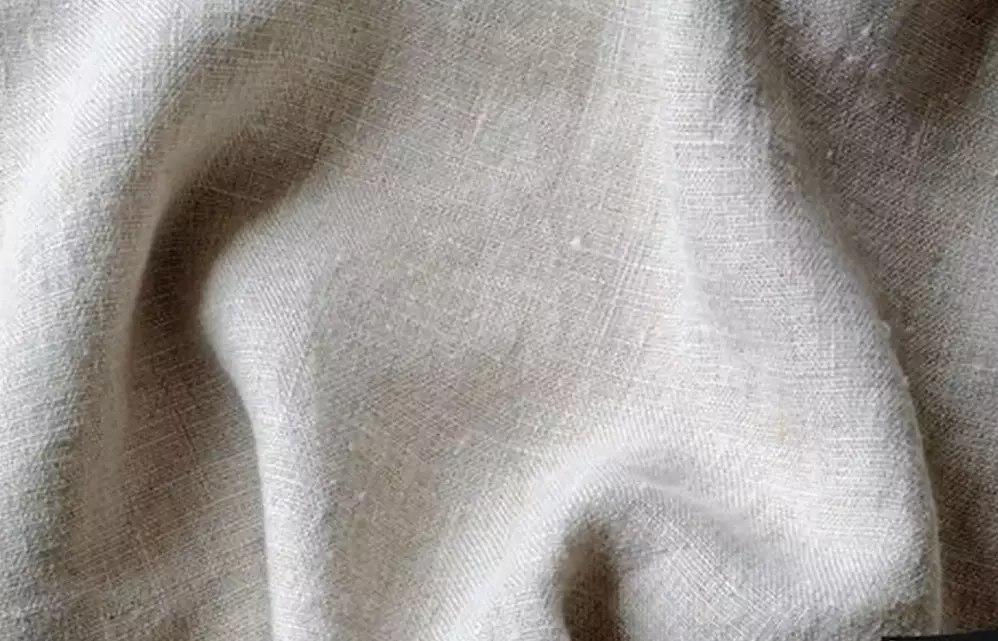
Linen-Cotton: This blend is very common. It will still shrink, but often less than pure linen because cotton fibers have different relaxation properties. The care rules are similar—cold wash, gentle cycle, air dry.
Linen-Viscose/Rayon: Be extra careful. Viscose is notoriously fragile when wet and can shrink dramatically. Always hand wash or use a very gentle machine cycle and never wring it out. Lay flat to dry.
Linen-Polyester: Polyester is synthetic and highly resistant to shrinkage. A linen-polyester blend will be much more stable and often easier to care for, sometimes even allowing a tumble dry on low. Check the label, but this blend is your safest bet for minimal size change.
Help! I Already Shrunk My Linen. Can I Fix It?
Maybe. You can't magically regrow fibers, but you can often coax them back into a more stretched state. It's not guaranteed, but worth a try for a beloved item.
Fill a sink with lukewarm water and a generous amount of hair conditioner or a fabric softener. The goal is to lubricate the fibers. Soak the shrunken item for 30 minutes. Gently squeeze out the water (don't rinse).
Lay the item flat on a large, clean towel. Roll the towel up, pressing to absorb more moisture. Then, carefully start stretching the garment back to its original shape and size. Work section by section. Pin it to a blocking board or a clean carpet in its desired dimensions and let it air dry completely. This method has saved a couple of my tops with moderate success.
Your Linen Care Questions, Answered
 How much does linen shrink in the first wash?