If you've shopped for summer clothes or bedding lately, you've probably seen "ice silk" popping up everywhere. Shirts, pajamas, sheets—all promising a miraculously cool and silky feel. But what is ice silk fabric, really? Is it some high-tech miracle fiber, or just clever marketing? After years working with textiles and seeing countless fabrics come and go, I can tell you ice silk is interesting, but it's not what many people think. It's not silk, and it doesn't contain ice. Let's cut through the hype and look at what this fabric actually is, where it shines, where it falls short, and how to make the most of it.
What You'll Learn in This Guide
What Exactly is Ice Silk Fabric?
The name is the first clue to the misunderstanding. "Ice silk" sounds exotic, but it's primarily a type of polyester. More specifically, it's usually made from fine, chemically modified polyester fibers engineered to have a smoother cross-section and different moisture-wicking properties than regular polyester. The "ice" feeling comes from a combination of this smooth fiber structure and often a specific knitting or weaving technique that creates a lightweight, airy mesh.
Some versions might blend polyester with rayon (viscose) or spandex for stretch. But the core cooling sensation is a property of the synthetic fiber treatment, not a natural characteristic like linen or cotton.
A quick reality check: Don't be fooled by names like "Ice Silk" or "Jade Silk." They are almost always marketing terms for premium-feeling synthetics. True silk comes from silkworms and has a very different chemical structure (protein-based vs. plastic-based). If the price seems too good to be true for silk, it's probably ice silk.
The manufacturing process involves extruding the polyester polymer to create very fine filaments, which are then textured and sometimes treated with a cooling agent or finish during dyeing. This is why it often feels cool to the touch right out of the drawer—a trick that pure cotton can't pull off.
Key Properties & Benefits: Why It's So Popular
So, if it's just fancy polyester, why the craze? Because for specific uses, its engineered properties solve real problems.
The signature cool touch is the biggest sell. The fabric dissipates body heat quickly upon initial contact. This makes putting on an ice silk shirt or sliding into ice silk sheets on a hot night instantly relieving.
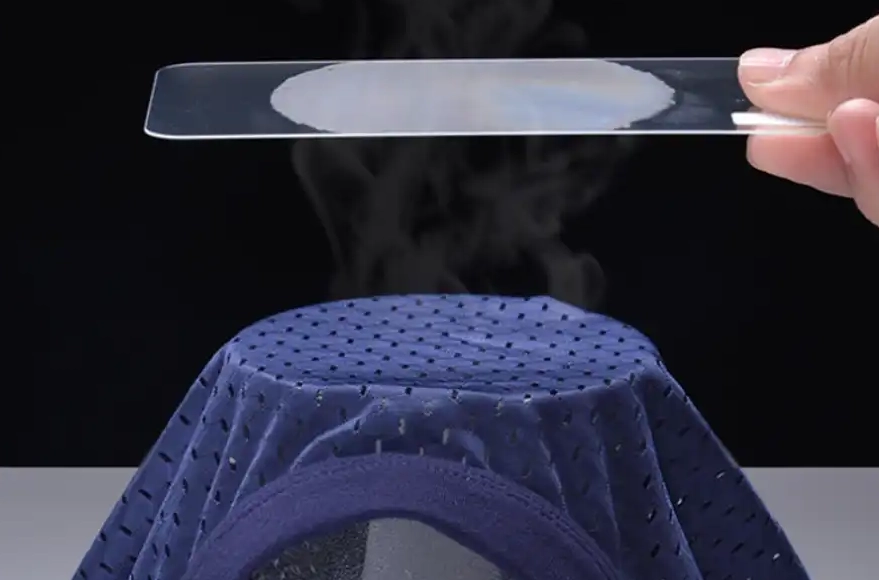
Excellent moisture-wicking is another key feature. The fibers are designed to pull sweat away from your skin to the fabric's surface, where it evaporates faster. You feel drier than in a cotton tee that can get soaked and clingy.
It's incredibly lightweight and breathable when woven into a mesh or loose knit. Air flows through easily, which is crucial for ventilation.
On a practical note, it's wrinkle-resistant and durable. Being polyester-based, it holds its shape well, doesn't wrinkle as easily as linen, and generally withstands washing better than delicate natural fibers. It also dries lightning-fast.
The Honest Pros and Cons of Ice Silk
Let's lay it all out clearly. No fabric is perfect, and ice silk has trade-offs you need to know before buying.
| Advantages (The Good) | Disadvantages (The Not-So-Good) |
|---|---|
| Instant Cooling Sensation: Unmatched initial cool feel against the skin. | Can Feel Plastic-y: Lower quality versions feel synthetic and slippery, not breathable. |
| Superb Moisture Wicking: Keeps you drier during sweat than cotton. | Heat Trapping Potential: If not well-ventilated, it can trap heat as body temperature rises. |
| Lightweight & Breathable (in good knits): Ideal for loose summer garments. | Static Electricity: Prone to static cling, especially in dry climates. |
| Wrinkle-Resistant: Travel-friendly, looks neat with little effort. | Environmental Impact: Made from polyester, a petroleum-based plastic. Microfiber shedding is a concern. |
| Durable & Easy Care: Machine washable, dries quickly, colorfast. | Odor Retention: Can hold onto body odor more than natural fibers like merino wool. |
| Affordable: Much cheaper than real silk or high-end technical fabrics. | Pilling: Some blends can pill with friction over time. |
That last point in the disadvantages is a big one that's often glossed over. The cooling effect is fantastic at minute one. But if you're doing high-intensity activity in humid heat, some ice silk weaves can become a bit clammy. The moisture wicks away, but the fabric itself isn't absorbent like cotton—the sweat sits on the surface. For most casual summer use, this isn't an issue, but it's worth knowing.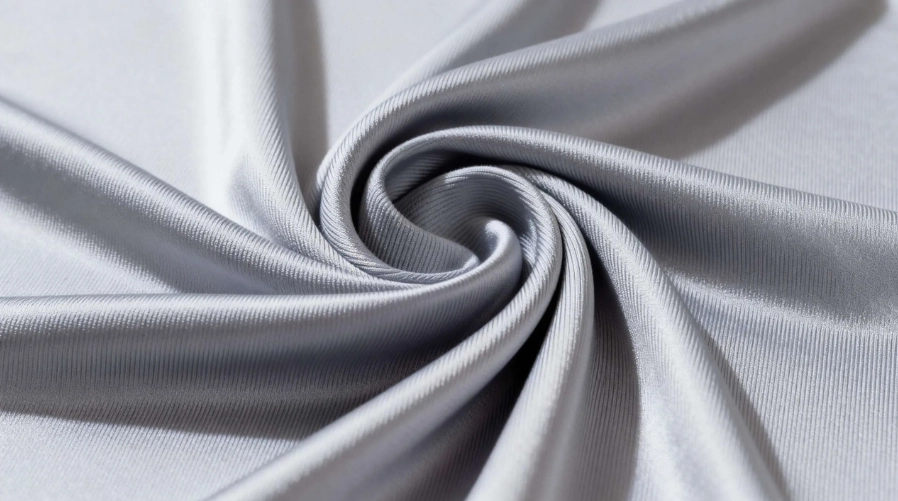
Ice Silk vs. Other Fabrics: A Quick Comparison
How does it stack up against the classics? Think of ice silk as a specialist, not an all-rounder.
Compared to cotton, ice silk wins on initial coolness, wicking, and drying speed. Cotton wins on softness over time, natural feel, and overall breathability for extended wear. A high-quality pima cotton shirt might feel less cool initially but more consistently comfortable all day.
Against linen, ice silk wins on wrinkle resistance and that cool touch. Linen is the king of breathability and heat dissipation over hours, and it's a natural fiber. Linen gets better with age; ice silk doesn't really change.
Compared to real silk, there's no contest in terms of luxury and natural temperature regulation. Silk is a protein fiber that breathes beautifully. Ice silk is a budget-friendly, easy-care alternative that mimics the slinky feel, not the performance.
Versus regular polyester, ice silk is a clear upgrade in terms of skin feel and breathability. It's the performance-oriented cousin designed for comfort.
How to Care for and Wash Ice Silk Properly
This is where I've seen people ruin perfectly good garments. They treat it like tough polyester athletic wear or like delicate silk. Both are wrong.
First, always check the label. But for most 100% ice silk or ice silk blends:
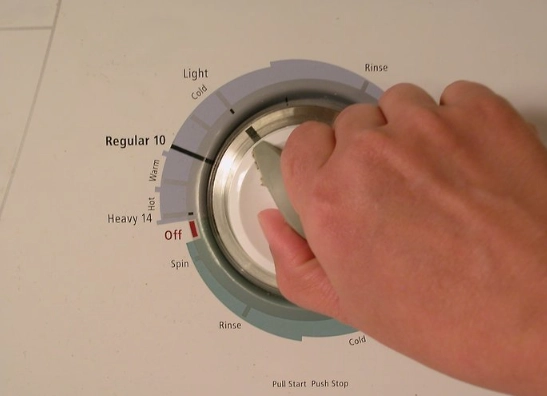
- Machine wash cold on a gentle cycle. Hot water can damage the fibers and set in odors.
- Use a mild liquid detergent. Avoid heavy powders or fabric softeners—they can coat the fibers and wreck their moisture-wicking ability. This is a critical tip most people miss. Fabric softener is the enemy of technical fabrics.
- Turn garments inside out to minimize pilling and friction on the outer surface.
- Air dry flat or on a line is best. Tumble dry on low heat if you must, but high heat can melt or shrink the fibers. It dries so fast that air drying is effortless.
- Do not iron on high heat. Use a low synthetic setting if needed, but the wrinkle-resistant nature usually makes ironing unnecessary.
I learned the fabric softener lesson the hard way. I had a favorite ice silk polo that suddenly lost its cool feel and started feeling sticky. A few washes later with regular detergent restored it.
Best Uses for Ice Silk: What to Buy (and What to Avoid)
Based on its properties, here’s where ice silk fabric truly excels and where you might want to pick something else.
Great Uses for Ice Silk:
Summer Pajamas and Loungewear: This is arguably its best application. The cool touch is perfect for sleeping hot. Brands like Natori and Eileen West often use it in nightwear.
Lightweight Summer Tops and Dresses: Flowy, loose-fitting blouses, shirts, and dresses benefit from the drape and cooling effect. Look for styles with a relaxed fit for maximum breathability.
Bed Sheets and Pillowcases: Ice silk bedding can be a game-changer for hot sleepers. It stays cool through the night better than many cotton blends.
Undergarments and Socks: For everyday wear, its moisture-wicking properties are a big plus.
Uses to Think Twice About:
High-Intensity Sportswear: For running or gym sessions, dedicated technical fabrics from brands like Under Armour (their CoolSwitch tech) or Nike Dri-FIT might manage extreme sweat and heat better.
Winter Clothing: It's called ice silk for a reason—it's cold! Unless it's a thermal base layer designed to wick (which is different), it's not ideal for warmth.
Formal Wear: The sheen and drape can sometimes look too casual or cheap for a formal setting compared to cotton, linen, or real silk.
Your Ice Silk Questions, Answered
Is ice silk fabric good for people with sensitive skin?
It can be, but it's not a guarantee. High-quality, well-finished ice silk is very smooth and can cause less friction irritation than rough seams. However, as a synthetic, it doesn't breathe as naturally as organic cotton or bamboo. If you have eczema or are prone to heat rashes, test a small area first. The lack of absorbency might not suit all sensitive skin types in high humidity.
Can ice silk fabric be worn in winter?
I wouldn't recommend it as a primary winter layer. Its core function is cooling. Wearing an ice silk top as a base layer in freezing weather might make you feel colder initially. For winter, look for fabrics specifically designed for thermal insulation, like merino wool or thermal-weave synthetics.
How can I tell if I'm buying real ice silk or just cheap polyester?
Feel and price are the main indicators. Real ice silk should have a distinctly smooth, slightly cool-to-the-touch feel even at room temperature. Rub it between your fingers—it should feel sleek, not plasticky or sticky. Check the fabric content label: it should list polyester, but sometimes with modifiers. If the price is rock-bottom and it feels coarse, it's likely just basic polyester with a fancy label. Reputable outdoor or lingerie brands are more reliable than random online sellers.
Does ice silk fabric shrink in the wash?
High-quality ice silk is generally pre-shrunk and very resistant to shrinking if you follow care instructions (cold wash, low/no heat dry). The biggest risk of shrinkage comes from high heat in the dryer, which can damage the fibers and cause them to contract. Always air dry to be safe.
Is ice silk considered a sustainable fabric?
This is a complex one. As a polyester derivative, it shares the environmental challenges of all synthetic fibers: it's derived from non-renewable petroleum, and washing it can release microplastics. Its sustainability edge comes from durability—it lasts a long time with proper care, reducing frequent replacements. If you're eco-conscious, look for brands using recycled polyester (often called rPET) in their ice silk blends and use a Guppyfriend washing bag to catch microfibers. For a more sustainable cool fabric, consider linen or Tencel™ lyocell.
 So, what is ice silk fabric? It's a cleverly engineered, cool-touch polyester that's fantastic for beating the heat in specific applications like sleepwear and summer casuals. It's not a magic fabric, but when you understand its strengths and limitations, it can be a valuable and comfortable part of your warm-weather wardrobe. Just manage your expectations, care for it properly, and you'll enjoy that refreshing chill all summer long.