You've seen "modal" on clothing tags, heard it's sustainable, and maybe even own a piece. But if you're standing in a store or browsing online, the real question is simple: what does modal fabric actually feel like against your skin? Is it worth the price tag over cotton? I've been working with fabrics for over a decade, and modal is one of those materials where the hype often misses the subtle, practical truth. Let's cut through the marketing. In a single sentence: modal feels like a luxurious, cooler, and significantly more fluid version of high-thread-count cotton, with a touch of silk's smoothness but none of the fussiness. It drapes beautifully, breathes well, and gets softer with every wash—but it's not without its quirks.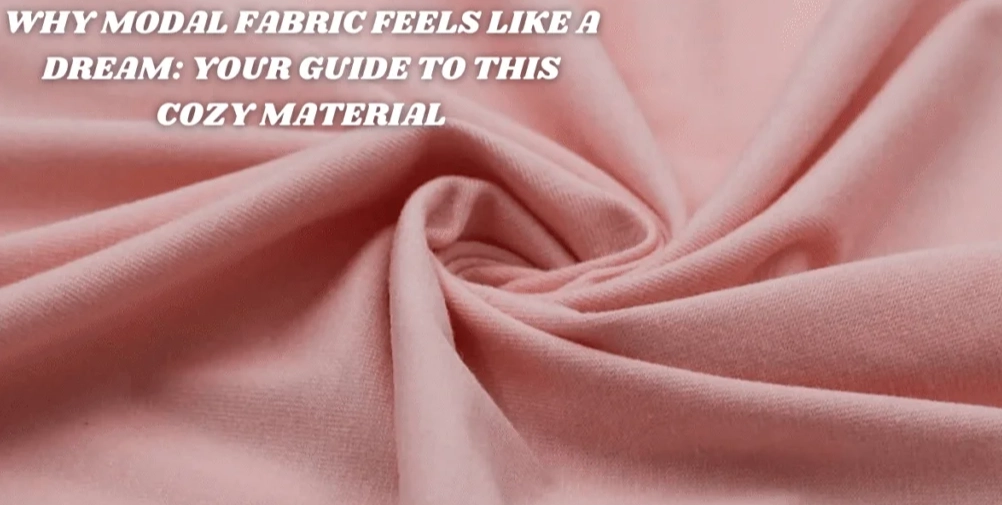
What You'll Discover in This Guide
How Modal Fabric Feels Against Your Skin: The Sensory Breakdown
Describing a feel is tough. Let's use concrete comparisons you know.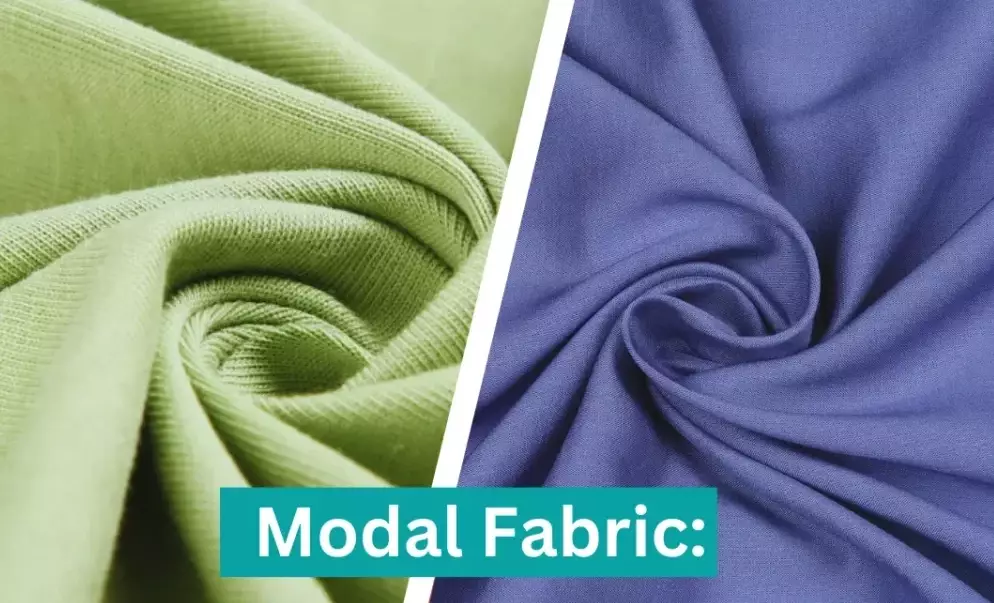
The Initial Touch: Pick up a modal t-shirt. Your first impression will be coolness and surprising weightlessness. It's not clingy or staticky like some polyester. It flows through your fingers. This is because modal fibers are fine and smooth, creating a surface with less friction than raw cotton.
During Wear (The Big Test): This is where modal wins people over. Put it on. You'll notice two things immediately. First, the silky-smooth drape. It doesn't sit stiffly on your body like a standard cotton tee; it conforms and flows. Second, the temperature regulation. It feels cooler in warm weather because it wicks moisture (sweat) away from your skin efficiently and dries fast. Unlike cotton, which can get soggy and heavy, modal manages moisture without that cold, damp feeling.
Here’s a nuance most miss: the softness evolves. New modal is very soft, but after 3-4 washes, it reaches its peak softness—a broken-in, cloud-like feel that high-quality cotton might achieve after years. I've had modal pajamas that felt nicer in year two than on day one.
Personal Anecdote: I bought a modal-cotton blend bed sheet set skeptical of the claims. The first night was good—soft, cool. But the real magic happened a month later. They hadn't pilled, the color was vibrant, and the texture had become indistinguishably luxurious from far pricier linen. That's modal's secret: its feel improves with responsible use.
The Texture Vocabulary: Putting Feel into Words
When people ask me to describe it, I use these specific adjectives, avoiding fluffy marketing terms:
- Liquid Drape: It falls and moves like a heavier fabric but feels light.
- Cool-to-the-Touch: A physical property, not just a perception.
- Finely Textured: Not fuzzy like flannel or ribbed like thermal weave. It's a flat, smooth knit or weave.
- Substantially Soft: It has a density to its softness, not a thin, cheap softness that washes away.
- Breathable: You feel air moving through it. It doesn't trap heat.
Modal vs. Cotton vs. Viscose: A Side-by-Side Feel Test
You understand modal best by how it differs from its cousins. Viscose (rayon), modal, and cotton are all cellulosic, but their processing creates distinct hands.
| Aspect of Feel | Modal Fabric | Cotton (Combed/Pima) | Viscose/Rayon |
|---|---|---|---|
| Initial Softness | Very High. Silky and smooth out of the package. | Medium to High. Can be crisp or soft depending on finish. | High. Often feels very soft and luxurious initially. |
| Drape & Flow | Excellent. Fluid and elegant, clings gently to contours. | Fair to Good. More structured, can be boxy unless blended. | Excellent. Very fluid and drapey, sometimes too clingy. |
| Breathability | Excellent. Wicks and dries quickly, feels cool. | Good. Breathable but can retain moisture and feel damp. | Variable. Can be less breathable and feel clammy if cheap. |
| Durability of Feel | High. Gets softer with proper care, maintains integrity. | Medium. Can become rough, thin, or pill over time. | Low. Often weakens, loses shape, and feels frail when wet. |
| Weight & Substance | Lightweight yet feels substantive. Doesn't feel flimsy. | Can range from light to heavy. Often has a hearty feel. | Often lightweight but can feel insubstantial and slippery. |
| After-Wash Feel | Improves. Softer, more relaxed drape. Minimal shrinkage. | Can stiffen. May shrink and require ironing for smoothness. | Risky. Can shrink dramatically, lose softness, or deform. |
The big differentiator from viscose? Strength when wet. Grab a piece of modal and a piece of viscose, get them damp. The viscose will feel mushy and weak, like it could tear easily. Modal retains about 85-90% of its dry strength, so it feels robust even in the wash. This directly impacts long-term feel—modal lasts, cheap viscose disintegrates.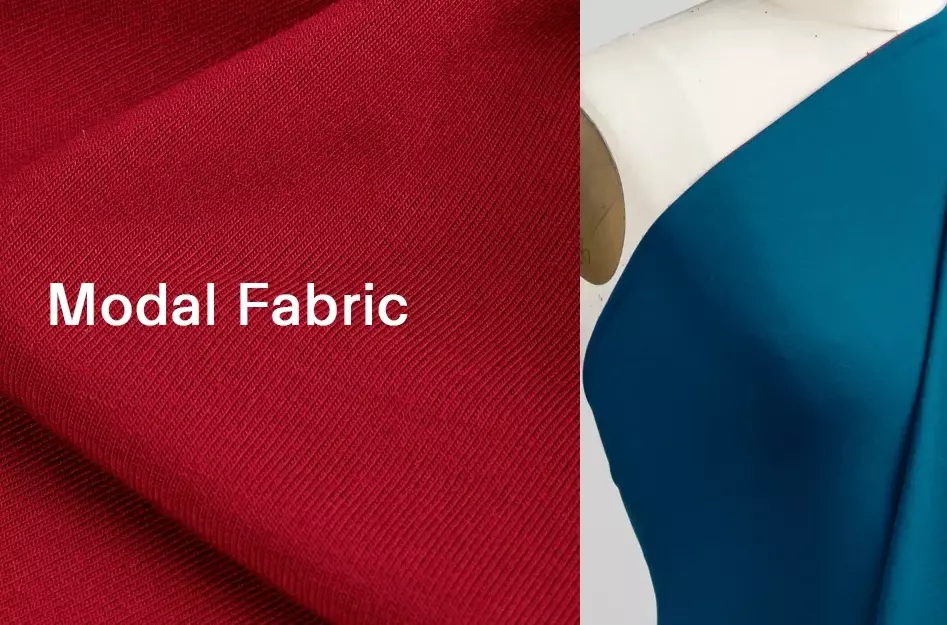
Compared to cotton, modal's feel is more consistent and performance-oriented. Cotton is the reliable friend; modal is the friend who's also great at yoga and never seems to sweat.
How Care Drastically Changes the Feel of Modal
This is the expert-level insight. How you treat modal defines its long-term hand feel. Most care labels are overly cautious.
Washing: Use cold or warm water (not hot). Hot water can cause excessive relaxation of the fibers, leading to permanent stretching. A gentle cycle is best. I use a mild liquid detergent. Powder can sometimes leave residues on the smooth fibers, subtly stiffening the feel.
Drying: Here's the #1 mistake: high heat. Modal's kryptonite is the dryer on a high setting. It will shrink and the fibers can become harsh. Always tumble dry low or air dry. I lay my modal knits flat to dry. The result? Zero shrinkage and that coveted, soft-as-butter feel is preserved and enhanced.
Ironing: You rarely need to. If you must, use a low steam setting. The fabric's natural drape usually means wrinkles fall out.
Follow these steps, and your modal garments will feel premium for years. Ignore them, and they'll quickly lose their signature feel, becoming just another shrunken top in the drawer.
Where to Experience Modal's Feel (And What to Buy First)
You need to touch it to believe it. But where?
Underwear & Socks: This is modal's masterpiece category. Brands like Calvin Klein, Tommy John, and MeUndies use it heavily for boxers, briefs, and socks. Why? The moisture-wicking, anti-odor (due to breathability), and ultra-soft feel against sensitive skin are unbeatable. It feels like wearing nothing, but comfortably.
T-Shirts & Loungewear: Look for brands like Everlane, Kotn, or Organic Basics. A modal-cotton blend tee (like 60% modal, 40% cotton) gives you the best of both: modal's soft drape and cotton's familiar structure. For pajamas, it's a game-changer for temperature regulation.
Bedding & Towels: Higher-end home brands are incorporating modal into sateen weaves for sheets. The feel is cool, slippery, and decadent. Modal-blend towels are incredibly absorbent and dry faster than pure cotton, feeling plush without the musty dampness.
Dresses & Flowy Tops: Any garment that benefits from drape—maxi dresses, blouses, kimonos—is elevated by modal. It moves with you photogenically.
When shopping, touch the fabric. If it feels cool, heavy for its weight, and flows through your fingers, you've found good modal. If it feels stiff, papery, or overly shiny, it might be a poor blend or cheap viscose masquerading as modal.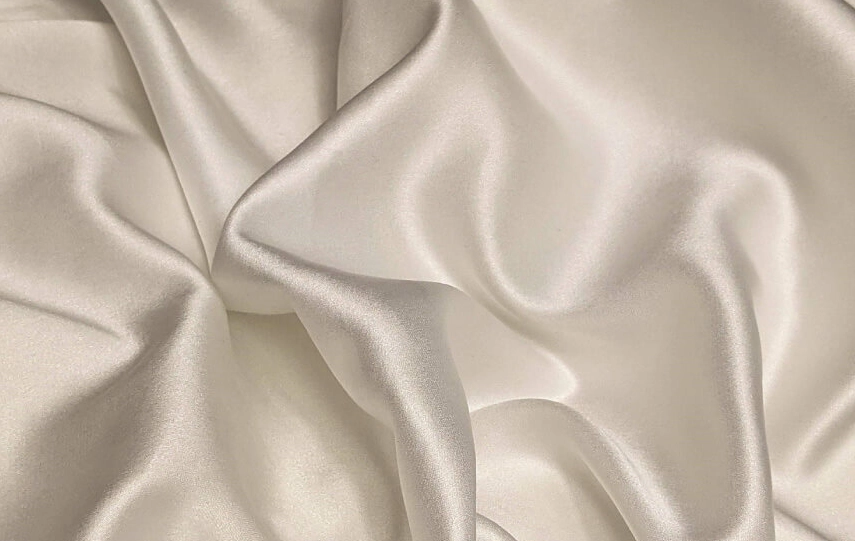
Your Modal Feel Questions, Answered
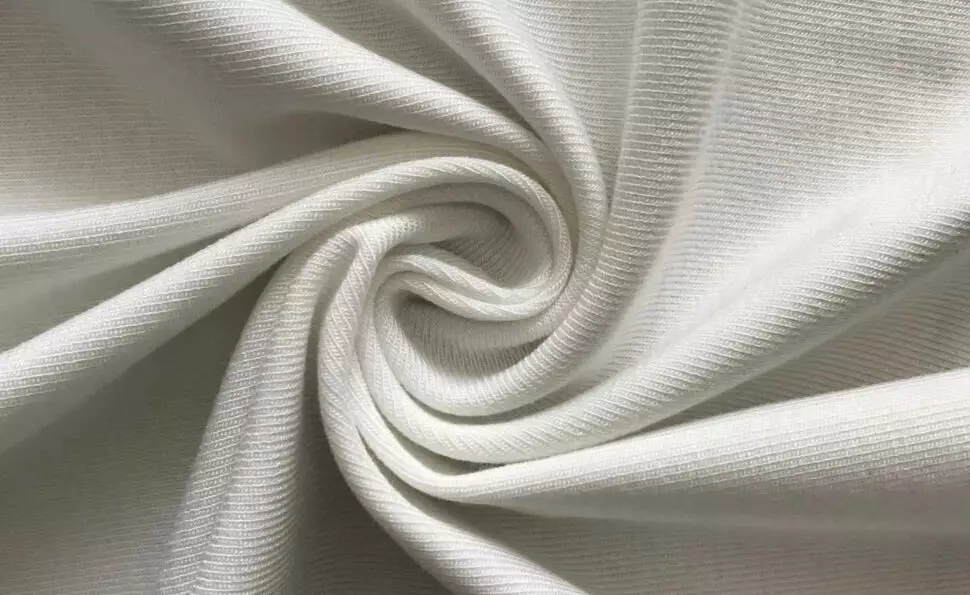 So, what does modal fabric feel like? It feels like an upgrade. It's the tangible difference between clothing that just covers you and clothing that actively contributes to your comfort. It’s not a miracle fabric—it has its care demands—but for a combination of silky touch, intelligent moisture management, and durable softness, few other materials come close. Your skin will notice the difference.