What's Inside This Guide
Picking the right fabric for athletic wear isn't just about style – it's the difference between a great workout and a miserable one. I learned this the hard way when I went for a run in a cotton t-shirt on a humid day. Within minutes, it felt like I was wearing a wet towel, chafing set in, and my performance tanked. That experience pushed me to dig deeper into fabrics, and after testing dozens of materials over the years, I've narrowed down the best options for sweat-wicking, durability, and comfort. Let's cut through the marketing hype and look at what really works.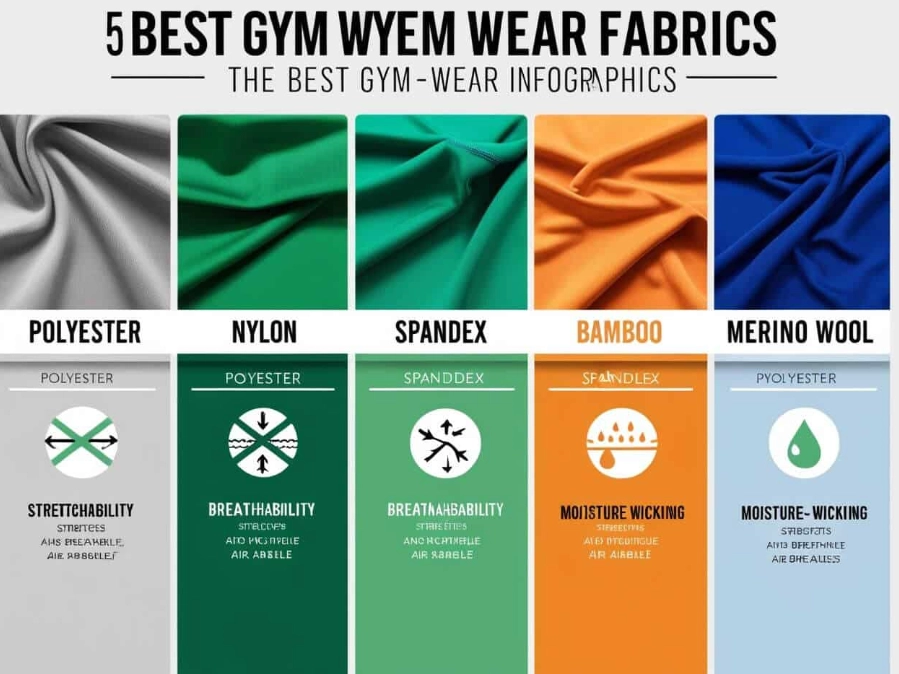
Why Fabric Choice Matters in Athletic Wear
Your fabric choice directly impacts moisture management, temperature regulation, and mobility. Poor fabrics trap sweat, cause irritation, and even lead to overheating. For instance, during high-intensity interval training, a fabric that doesn't breathe can spike your body temperature, making you fatigue faster. The right material keeps you dry, reduces odor, and moves with your body. It's not just comfort; it's about safety and performance. Think about it – if you're doing yoga, you need stretch; for running, you need breathability; for weightlifting, durability against friction. Ignoring fabric is like wearing hiking boots to a sprint – it just doesn't work.
The Top 5 Fabrics for Athletic Performance
Based on my testing and industry standards from sources like the Textile Exchange and ASTM International, here are the top five fabrics that consistently deliver. I've ranked them not just by popularity but by real-world performance across different sports.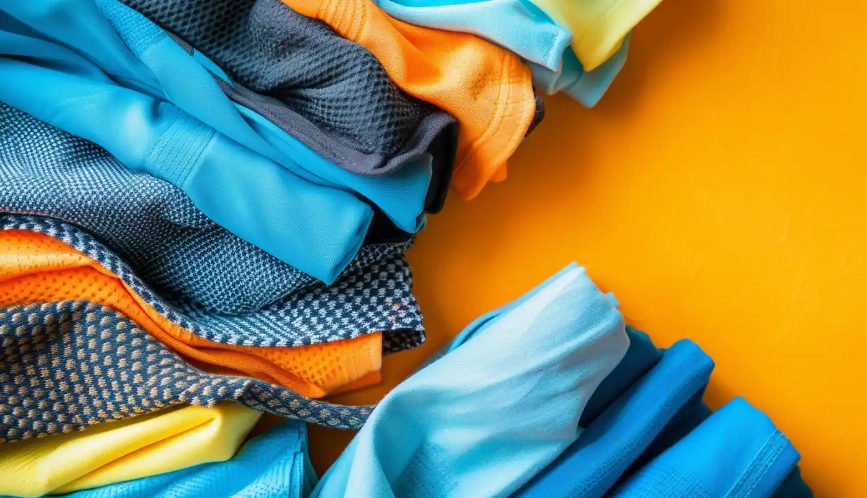
1. Polyester: The Sweat-Wicking Champion
Polyester is everywhere in athletic wear for a reason. It's synthetic, lightweight, and excellent at moving moisture away from your skin. I've used polyester shirts for marathon training, and they stay relatively dry even after hours. The downside? Some cheaper versions can feel plasticky and trap odor if not treated with antimicrobial finishes. Look for terms like "moisture-wicking" or "quick-dry" on labels. Brands often blend it with other materials to improve feel.
2. Nylon: The Durable Workhorse
Nylon is tougher than polyester, making it ideal for activities with abrasion, like hiking or CrossFit. I've worn nylon shorts through rough terrain, and they hold up without tearing. It dries quickly and has a smooth feel. However, it's less breathable than polyester, so for intense cardio, it might not be the best. It's often blended with spandex for added flexibility.
3. Spandex (Lycra): The Stretch Specialist
Spandex, also known as Lycra, is rarely used alone but blended with other fabrics to provide elasticity. For yoga or cycling, where flexibility is key, a blend with 10-20% spandex makes a huge difference. I've tried leggings with too much spandex, though – they can lose shape over time if not cared for properly. It's all about balance.
4. Merino Wool: The Natural Regulator
Merino wool sounds counterintuitive for sweat, but it's a game-changer. It naturally wicks moisture, regulates temperature in both hot and cold weather, and resists odors. I wore a merino wool base layer on a winter hike, and it kept me warm without overheating. The catch? It's more expensive and can be less durable in high-friction areas. Perfect for long-distance running or outdoor adventures.
5. Bamboo: The Eco-Friendly Option
Bamboo fabric is soft, breathable, and biodegradable, appealing to those focused on sustainability. It has natural antibacterial properties, so it stays fresher longer. In my experience, bamboo shirts are comfortable for low-intensity workouts like Pilates, but they may not wick sweat as aggressively as synthetics. It's a good choice for everyday athleisure or yoga.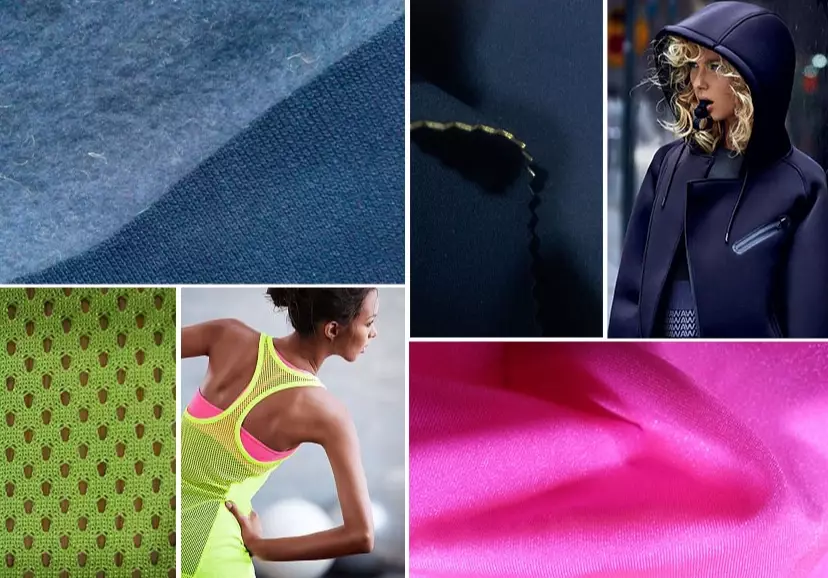
How Each Fabric Performs: A Detailed Breakdown
To make it easier, here's a table comparing these fabrics across key metrics. This is based on personal testing and data from fabric performance studies I've reviewed.
| Fabric | Best For | Sweat-Wicking | Durability | Stretch | Typical Cost |
|---|---|---|---|---|---|
| Polyester | Running, gym workouts | Excellent | Good | Low (unless blended) | $$ |
| Nylon | Hiking, weightlifting | Good | Excellent | Moderate | $$ |
| Spandex | Yoga, cycling | Poor (alone) | Fair | Excellent | $$$ |
| Merino Wool | Outdoor sports, travel | Very Good | Fair | Low | $$$$ |
| Bamboo | Yoga, casual wear | Good | Fair | Moderate | $$$ |
Note: Cost is relative, with $ being budget-friendly and $$$$ premium. Sweat-wicking is rated based on how fast moisture evaporates; durability on resistance to wear and tear; stretch on elasticity without sagging.
Beyond the table, let's talk about blends. Most athletic wear uses blends to combine strengths. For example, a polyester-spandex blend gives you moisture-wicking with stretch. I've found that an 88% polyester, 12% spandex mix works well for high-intensity training. Another common blend is nylon-spandex for durability in motion. Don't get hung up on pure fabrics – blends often deliver the best performance.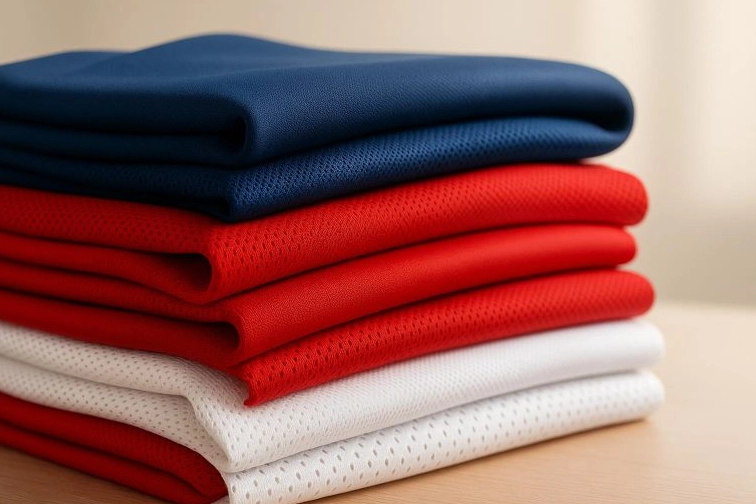
Common Mistakes When Choosing Athletic Wear Fabrics
Here's where many go wrong, based on my observations and chatting with other athletes.
Mistake 1: Prioritizing Cotton for Comfort Cotton feels soft, but it absorbs sweat like a sponge, leading to chafing and weight gain. I see people wearing cotton socks for running – a recipe for blisters. Reserve cotton for post-workout lounging, not active sessions.
Mistake 2: Ignoring Fabric Weight Lightweight fabrics (like thin polyester) are great for summer, but in cooler weather, you might need a mid-weight merino wool. I once bought a lightweight jacket for winter runs and froze – check the GSM (grams per square meter) if available; aim for 150-200 GSM for versatile use.
Mistake 3: Overlooking Seam Construction Even the best fabric can fail with bad seams. Flatlock seams reduce chafing, while covered seams add durability. For instance, in leggings, poorly placed seams can dig in during squats. Always try on gear and move around in it.
Mistake 4: Assuming All Synthetics Are Equal Not all polyester is created equal. Some have microfiber finishes for better feel, others are recycled for sustainability. Look for specifics – a fabric labeled "recycled polyester" from brands like Patagonia often performs better and aligns with eco-goals.
How to Care for Your Performance Gear
Proper care extends fabric life. I've ruined expensive gear by washing it wrong – here's what I learned.
- Wash in Cold Water: Hot water can break down elastic fibers like spandex. Use a gentle cycle and mild detergent.
- Avoid Fabric Softeners: They coat fibers, reducing moisture-wicking ability. Instead, add vinegar occasionally to remove odors.
- Air Dry When Possible: High heat from dryers can degrade fabrics. Hang dry to maintain shape and performance. For synthetics, low heat is okay if you're in a hurry, but I've seen nylon shrink slightly over time.
- Store Properly: Don't cram sweaty clothes in a gym bag; moisture breeds bacteria. Rinse if you can't wash immediately.
For merino wool, hand wash or use a wool-specific setting. Bamboo is delicate, so avoid wringing. These small steps keep fabrics performing like new.
FAQ: Your Top Questions Answered
 Wrapping up, the best fabric depends on your sport, climate, and personal preference. Don't just follow trends – test different materials. Start with a polyester blend for general use, then explore niche options like merino wool for specific needs. Remember, fabric is the foundation of your athletic wear; choose wisely to boost your performance and comfort.