You're standing in a fabric store, or scrolling online, faced with a sea of materials. That beautiful linen looks airy, but will it hold its shape? The thick canvas feels sturdy, but will it be too stiff for what you have in mind? The difference between lightweight and heavyweight fabrics isn't just about thickness—it's about function, feel, and longevity. Getting it wrong can mean a garment that sags, a bag that tears, or curtains that don't drape properly. Let's cut through the confusion.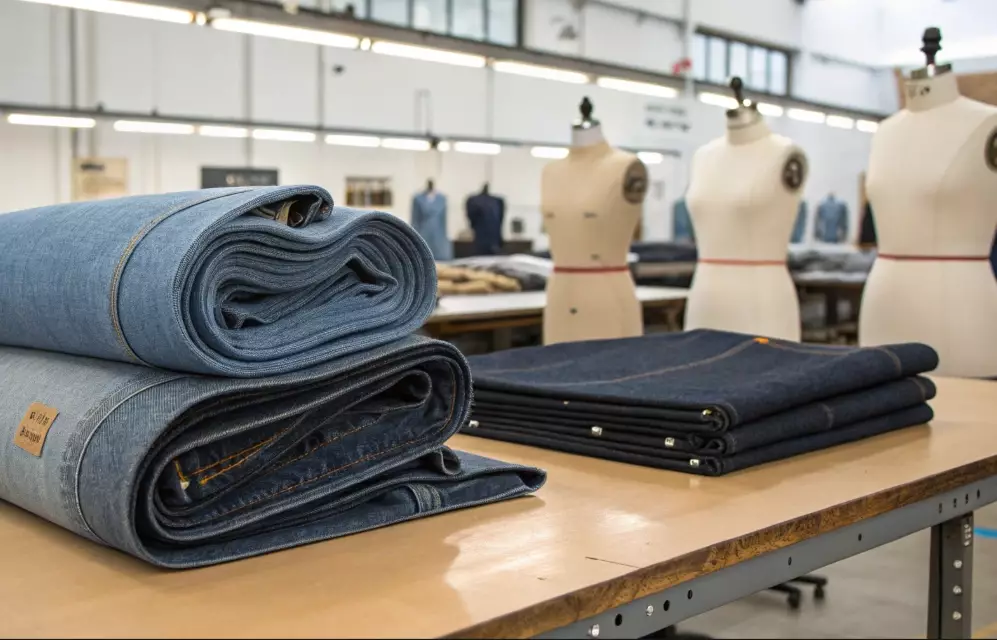
What You'll Learn in This Guide
- Fabric Weight 101: It's More Than Just Thickness
- The World of Lightweight Fabrics: Breathability & Drape
- The Strength of Heavyweight Fabrics: Structure & Durability
- How to Choose: A Practical Decision Framework
- Common Fabric Selection Mistakes (And How to Avoid Them)
- Your Fabric Weight Questions, Answered
Fabric Weight 101: It's More Than Just Thickness
First, let's define our terms. Fabric weight is typically measured in grams per square meter (GSM) or ounces per square yard (oz/yd²). It's a precise way to talk about density.
Here's a quick mental map: A standard cotton t-shirt is around 150-180 GSM. Denim jeans can range from 10 oz (about 340 GSM) to a heavyweight 14+ oz (475+ GSM). Silk chiffon might be as low as 30 GSM.
But weight isn't everything. A common trap is equating weight with quality. A high-GSM fabric made from poor-quality, short-staple cotton will pill and wear out faster than a mid-weight fabric made from long-staple Egyptian cotton. The fiber content (cotton, linen, wool, synthetic) and the weave (twill, plain, satin) are just as critical. A tightly woven mid-weight poplin can feel crisper and more durable than a loosely woven, heavier linen.
The World of Lightweight Fabrics: Breathability & Drape
Lightweight fabrics (generally under 200 GSM / 6 oz) are the champions of warm weather and flowing silhouettes.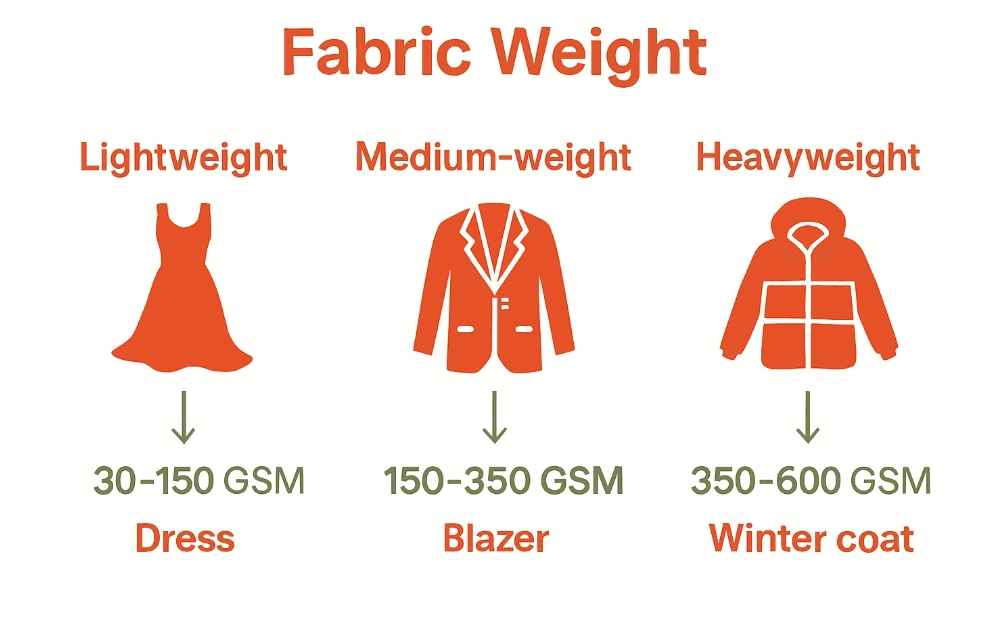
Key Characteristics and Best Uses
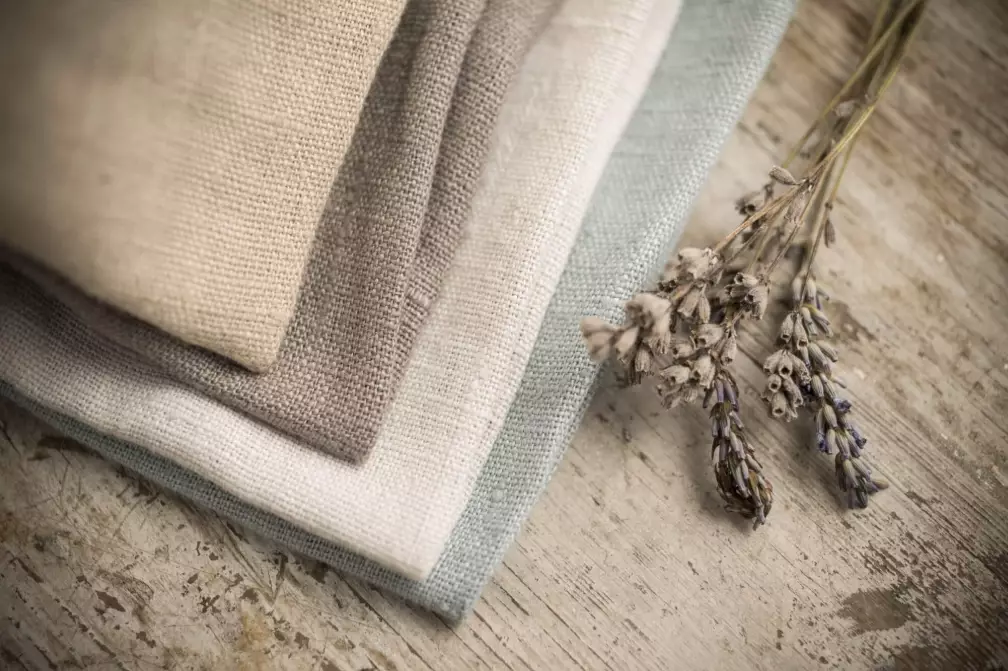
They excel in breathability, drape, and often have a softer hand feel. Think of a linen button-down on a summer day or a silk slip dress. They're not just for clothing, though. Lightweight cotton voile makes stunning, airy curtains, and lightweight canvas is perfect for delicate tote bag linings.
But they have a reputation for being delicate. It's partially deserved. A sheer chiffon blouse requires more care than a flannel shirt. However, durability isn't solely a function of weight. A well-made, lightweight Merino wool base layer from a brand like Icebreaker can outlast a cheap, mid-weight acrylic sweater because of the inherent strength and resilience of the wool fiber. The weave matters immensely—a percale weave (a type of plain weave) in cotton gives you that crisp, light bedsheet that still feels substantial.
My personal go-to for summer shirts is a mid-weight linen-cotton blend (around 160 GSM). Pure linen is glorious but wrinkles if you look at it funny. The cotton blend adds a bit of stability and reduces wrinkling, hitting a sweet spot between breathability and everyday practicality that pure, very lightweight linen often misses.
The Strength of Heavyweight Fabrics: Structure & Durability
Heavyweight fabrics (generally over 300 GSM / 10 oz) are the workhorses. They provide structure, warmth, and exceptional durability.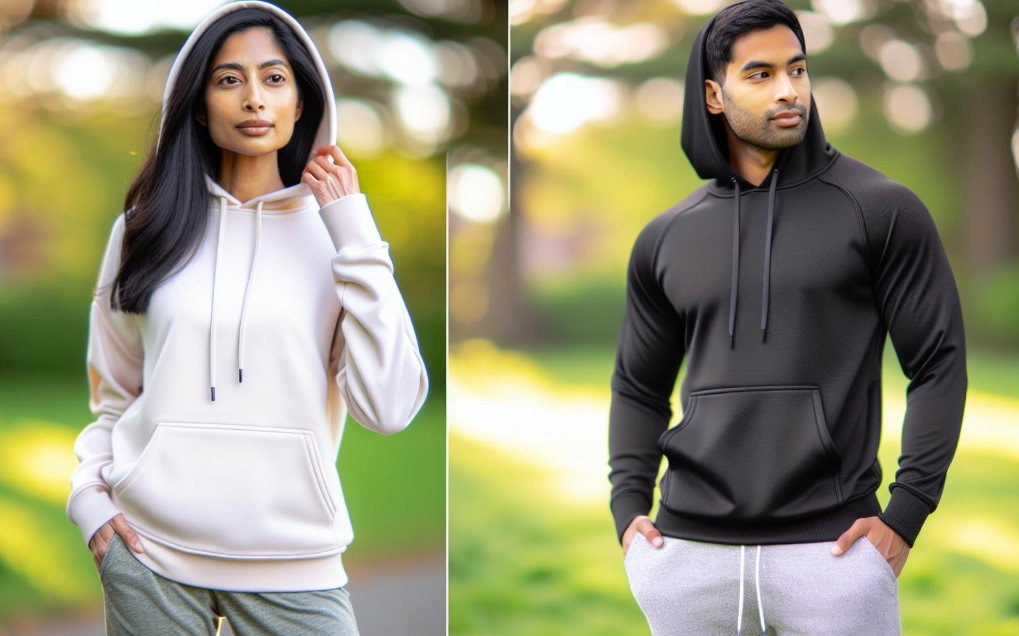
Where Heavyweight Fabrics Shine
This category includes denim for jeans, canvas for bags and upholstery, coating wools for winter coats, and thick fleece. They hold their shape, resist wear, and often provide insulation. A 12-ounce canvas tote will carry groceries for years. A heavyweight wool melton coat will block the wind like nothing else.
The trade-off is often in comfort and drape. Stiffness can be an issue initially. That famous raw denim stiffness? It's a feature, not a bug, for denim enthusiasts who prize the unique fade patterns, but it requires a break-in period. For upholstery, a heavy fabric might not gather or pleat as gracefully on a curtain rod.
One nuance beginners miss: a fabric can be heavyweight but still soft. French terry cloth and heavyweight jersey (like what's used in premium sweatshirts) are perfect examples. They have high GSM for warmth and durability but maintain a soft, looped texture that makes them comfortable against the skin. It's the weave and finish that create the softness, proving again that weight is just one part of the story.
How to Choose: A Practical Decision Framework
Stop guessing. Ask these questions before you buy.
- Season & Climate: Summer/hot weather leans lightweight (linen, cotton voile, chambray). Winter/cold weather demands heavyweight (wool, corduroy, fleece).
- Desired Drape vs. Structure: Flowing dress or soft curtains? Go light. Structured blazer, rigid tote bag, or tailored trousers? Go heavy.
- Intended Use & Durability Needs: Is this for daily wear (heavier), a special occasion (lighter), or an item that gets heavy use like workwear or upholstery (definitely heavier)?
- Care Willingness: Are you okay with hand-washing or dry-cleaning a delicate, lightweight silk? Or do you need a machine-washable heavyweight cotton?
This table breaks down common fabrics to make the choice visual:
| Fabric Type | Typical Weight Range | Best For | Watch Out For |
|---|---|---|---|
| Silk Chiffon | Very Light (20-50 GSM) | Evening wear, sheer overlays, scarves | Extremely delicate, can snag easily |
| Cotton Lawn/Voile | Light (70-100 GSM) | Summer blouses, dresses, lightweight bedding | Can be semi-sheer |
| Linen | Light to Mid (120-200 GSM) | Hot-weather clothing, tablecloths, towels | Wrinkles significantly |
| Standard Cotton Poplin | Mid (110-150 GSM) | Shirts, dresses, quilting, lightweight bags | The "default" weight—versatile but not special |
| Denim | Mid to Very Heavy (8-14+ oz) | Jeans, jackets, durable bags | Heavier weights are stiff and need breaking in |
| Canvas/Duck Cloth | Heavy to Very Heavy (300-600+ GSM) | Totes, upholstery, workwear, sneakers | Can be stiff and hard to sew on home machines |
| Wool Melton | Very Heavy (400-600+ GSM) | Coats, jackets, blankets | Expensive, usually requires dry cleaning |
Common Fabric Selection Mistakes (And How to Avoid Them)
I've seen these errors countless times, even with experienced hobbyists.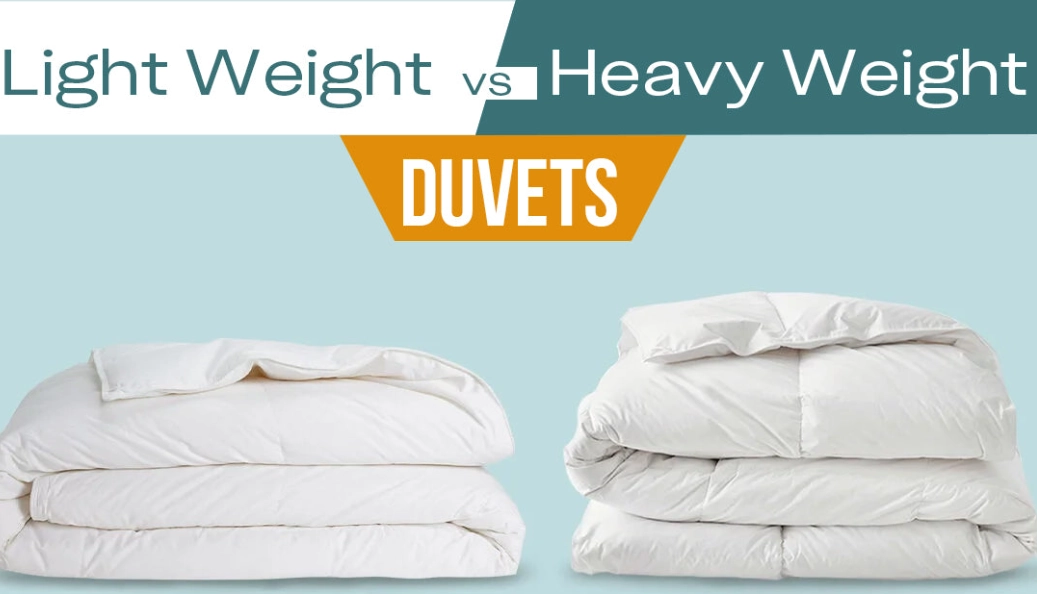
Mistake 1: Choosing a Lightweight Fabric for a Structured Design. You fall in love with a drapey viscose to make a tailored blazer. The result? A saggy, sloppy jacket with no shape. The pattern is designed for a fabric with body. If the pattern envelope suggests wool crepe or coating, a fluid viscose won't work.
Mistake 2: Assuming Heavyweight = Bulky and Uncomfortable. Not true. As mentioned, fabrics like French terry, double-knit jersey, and some brushed flannels are heavyweight yet incredibly soft and flexible. They're designed for comfort and warmth, not rigidity.
Mistake 3: Ignoring Fiber Content Because the Weight "Seems Right.". A mid-weight polyester blouse will feel clammy and trap odor compared to a mid-weight cotton or linen one of the same GSM. For activewear or baselayers, a lightweight synthetic (polyester, nylon) wicks moisture, while a lightweight cotton gets soggy. Always pair weight with the right fiber for the job.
Mistake 4: Not Testing Drape and Hand Feel. If you can, get a swatch. Drape it over your hand. Crumple it in your fist. Does it bounce back or hold wrinkles? Does it flow or stand stiff? This simple test tells you more than any spec sheet.
Your Fabric Weight Questions, Answered
What's the best heavyweight fabric for a beginner to sew a durable tote bag?
The right fabric choice transforms a project from "just okay" to exceptional. It's the foundation. Weight is your starting point—a crucial filter that immediately narrows down the endless options. Combine that with smart questions about fiber, weave, and purpose, and you'll stop feeling overwhelmed in the fabric store. You'll start seeing not just pretty materials, but the right tools for the job.