You found that perfect modal shirt, but the color is just wrong. Or maybe you have a set of beige modal bedsheets that desperately need a refresh. The thought of dyeing modal fabric can be intimidating. I get it. I ruined a beautiful modal blend dress years ago by treating it like cotton. The color came out uneven and washed out after one cycle. That failure sent me down a rabbit hole of research and experimentation. Now, after helping dozens of people in my sewing circle, I can tell you that dyeing modal is absolutely possible—you just need to respect its unique personality.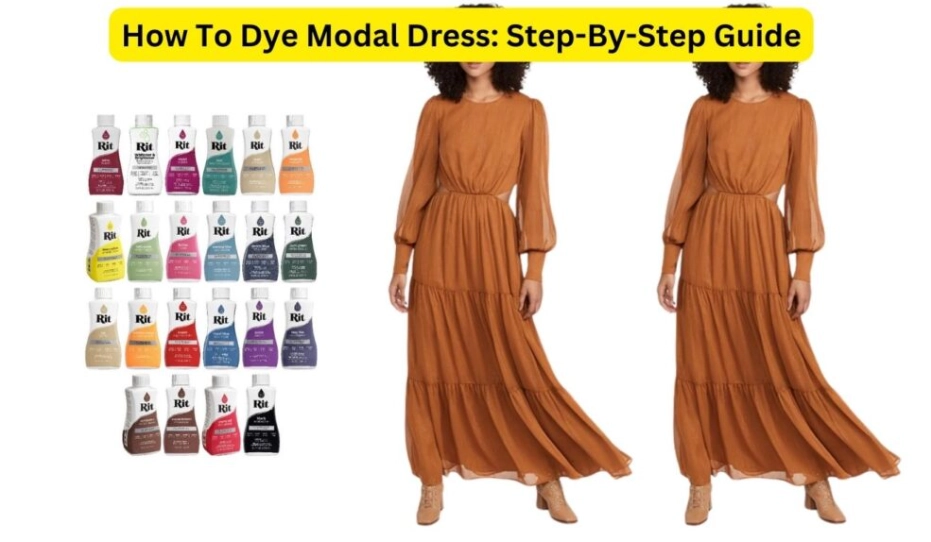
Modal, a type of rayon made from beech tree pulp, is beloved for its silk-like softness and breathability. But its smooth, non-porous fiber structure and high wet strength make it behave differently than natural fibers when it comes to accepting dye. Most guides treat it like cotton, and that's where projects go wrong.
What You'll Learn in This Guide
What is Modal Fabric and Why is it Tricky to Dye?
Let's clear something up first. Modal isn't synthetic like polyester; it's a regenerated cellulose fiber. It comes from wood, but it's heavily processed. This gives it a unique set of properties that affect dye absorption.
The main challenge is its low reactivity. The fiber molecules are packed tightly and are less accessible to dye particles compared to the rough, open scales of cotton. Think of trying to stain a polished marble floor versus a rough concrete one. The dye tends to sit on the surface of modal if you don't create the right conditions for it to penetrate.
Another sneaky issue is its strength when wet. Modal is actually stronger wet than dry. While great for durability, this means it doesn't swell as much in hot water as cotton does. That swelling is what opens up fibers for dye entry. If your water isn't hot enough, you're just giving the fabric a colored bath.
I always check the fiber content label. Is it 100% modal? Or a blend with cotton, spandex, or polyester? A 95% modal/5% spandex blend is common in activewear. That spandex (which is synthetic) won't take most dyes meant for cellulose, potentially leaving lighter streaks. You need to know what you're working with.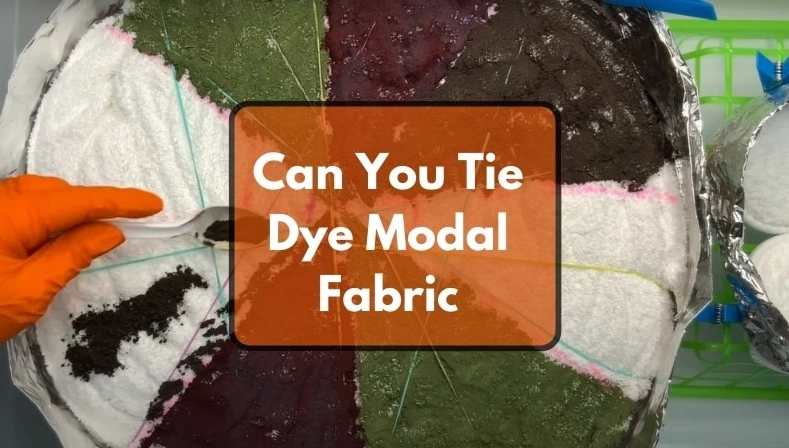
Choosing the Right Dye for Modal Fabric
This is the most critical decision. Using all-purpose dye from the craft store is the #1 reason for faded, disappointing results on modal.
You need a dye that forms a strong chemical bond with cellulose fibers. Here’s a breakdown of your best options:
| Dye Type | Best For | Key Advantage for Modal | Brand Examples | My Personal Take |
|---|---|---|---|---|
| Fiber Reactive Dye (Cold Water) | 100% Modal, Modal/Cotton blends | Forms a covalent bond with fiber = Extremely wash-fast, vibrant colors. | Procion MX, Dharma Trading Co. Fiber Reactive | The gold standard. Requires more steps (soda ash fixative) but the color payoff and durability are unmatched. This is what professional dyers use. |
| All-Purpose Dye (Hot Water) | Blends with | Easy to find, simple process. | Rit All-Purpose, Dylon Multi-Purpose | Results are often less vibrant and can fade faster. I only use this if the item is mostly another fiber or I'm okay with a pastel, weathered look. |
| Natural Dyes | 100% Modal, for eco-conscious projects | Unique, subtle colors; sustainable. | Avocado pits, onion skins, madder root | Beautiful but inconsistent. You must use a mordant (like alum) to help the dye bind to the modal. It's a whole art form. |
For 95% of you wanting to dye modal fabric at home successfully, I strongly recommend starting with a fiber reactive dye. Yes, it's a bit more involved than just shaking a bottle into a pot. But the difference is night and day. The color becomes part of the fiber, not just a coating.
I learned this from a textile chemist's blog post on the Textile School site, which explained the bond formation in detail. It changed my approach completely.
The Step-by-Step Process to Dye Modal Fabric
Let's walk through dyeing a 100% modal garment with fiber reactive dye. This isn't a rushed job. Set aside 2-3 hours.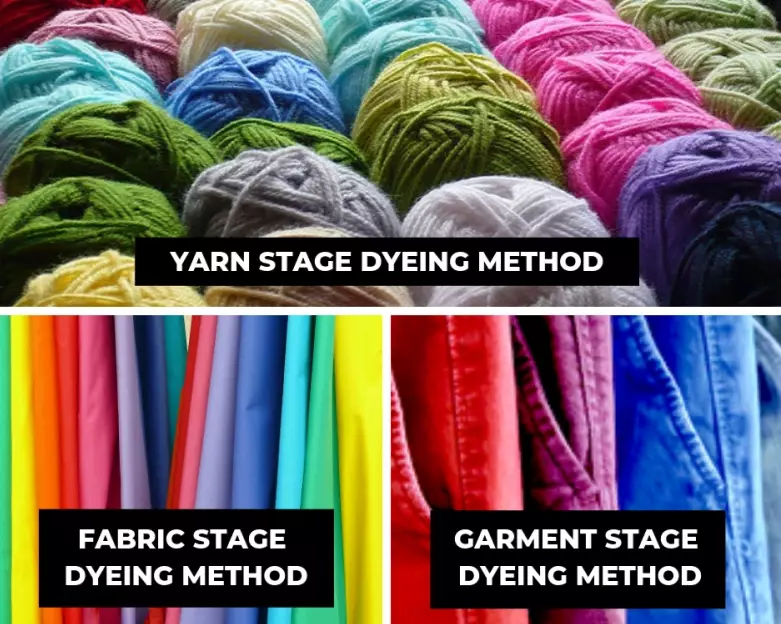
Before You Start: The Prep Work
Scour, don't just wash. Modal often has residual spinning oils or softeners from manufacturing that repel dye. Wash it in the hottest water safe for the fabric (check the label) with 1/4 cup of soda ash (sodium carbonate) or a heavy-duty detergent like Synthrapol. Avoid fabric softener. Rinse thoroughly. The fabric must be spotlessly clean and completely wet before dyeing.
Gather your gear: plastic tubs/buckets (not used for food), rubber gloves, measuring spoons, a dedicated stirring stick, plastic wrap, and a thermometer.
The Dyeing Process: A Methodical Approach
1. Dissolve the Dye. In a small container, mix your powdered fiber reactive dye with a little warm water to make a smooth paste, then dilute with more water. Use more dye powder than the package suggests for modal—I add about 25% more for deep shades.
2. Prepare the Dye Bath. Fill your main tub with enough warm water (about 105°F / 40°C) for the fabric to move freely. Add the dissolved dye and stir well.
3. Add the Fabric. Wring out your pre-wetted modal item and submerge it in the dye bath. Work it in thoroughly for 10-15 minutes, ensuring every part is saturated.
4. The Magic Step: Add the Fixer. Dissolve the required amount of soda ash (the fixative) in warm water. Slowly pour this solution into the dye bath while constantly agitating the fabric. This raises the pH and triggers the chemical bond.
5. Let it Bond. Keep agitating occasionally for the first hour. Then cover the tub with plastic wrap and let it sit for 4-24 hours. Longer time = stronger bond. I leave mine overnight.
Aftercare is Part of the Process
Rinsing is crucial. Wearing gloves, rinse the fabric in cool water until it runs mostly clear. Then gradually increase to warm water. Finally, wash it alone in the washing machine with a mild detergent on a warm cycle. This removes any unattached dye molecules. Hang to dry away from direct sunlight initially.
The first time you do this, the waiting feels long. But when you pull out that vividly colored, evenly dyed modal item and the rinse water is clear, you'll understand why the process matters.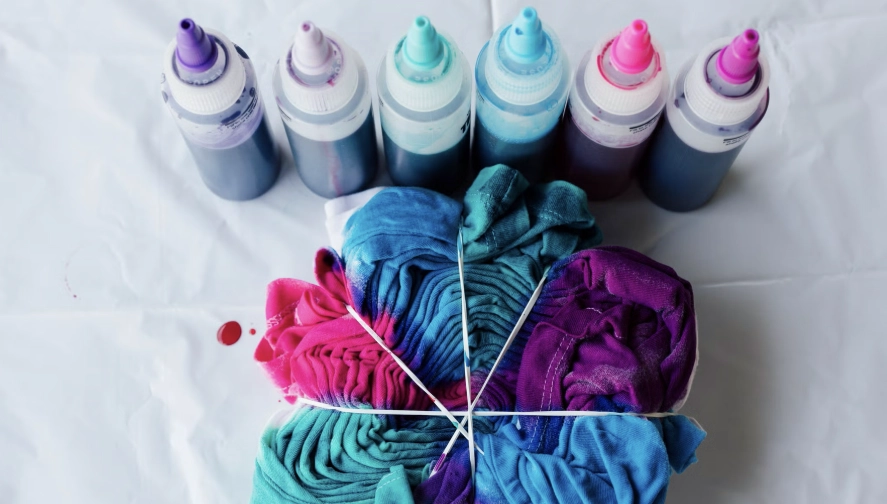
Fixing Common Dyeing Mistakes (The Color is Patchy!)
So your modal came out splotchy. It happens. Here's how to diagnose and fix it.
Problem: Uneven, speckled color.
Likely Cause: The dye powder wasn't fully dissolved before adding the fabric. Tiny granules landed on the fabric and created dark spots.
The Fix: Always make a paste first. Strain the dye liquid through a fine mesh or old stocking if you're paranoid. For a finished piece, you can try over-dyeing it in a much darker shade to even things out.
Problem: Color is too light or washed out after first wash.
Likely Cause: Insufficient dye concentration, water too cold, or not enough soda ash/fixing time.
The Fix: Modal is a dye hog. Use more dye. Ensure your dye bath is consistently warm (not hot). Did you accurately measure the soda ash? Did you let it sit long enough? There's no shortcut here.
Problem: Stiff fabric after dyeing.
Likely Cause: Mineral deposits from hard water reacting with the soda ash.
The Fix: A final rinse with a cup of white vinegar in a basin of cool water can help soften it. Follow with a normal wash.
My biggest early mistake was impatience. I'd rush the bonding time because I wanted to see the result. The color always paid the price. Now I treat the waiting period as non-negotiable.
How to Care for Your Newly Dyed Modal
You've done the hard work. Protect your investment.
Wash separately for the first 3-4 washes. Use cool or warm water, never hot. Turn the garment inside out. A mild, color-safe detergent is best. I avoid heavy-duty detergents with optical brighteners as they can dull the color over time.
Air dry whenever possible. Tumble drying on high heat can stress the fibers and fade the dye faster. If you must use a dryer, choose the lowest heat setting.
Store away from direct sunlight, which will fade any dye, even the well-bonded ones, over months of exposure.
Following these steps, a fiber-reactive dyed modal piece should retain its vibrancy for years, fading gracefully rather than washing out in chunks.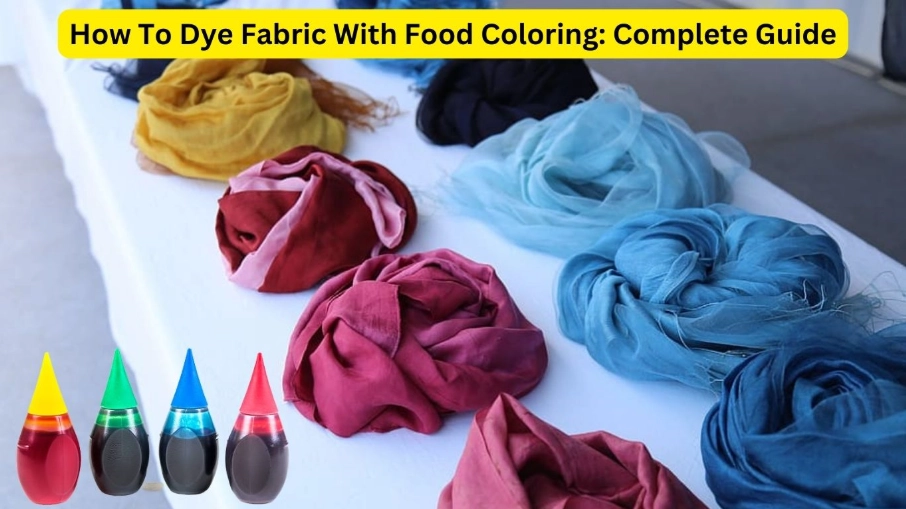
Your Dyeing Questions, Answered
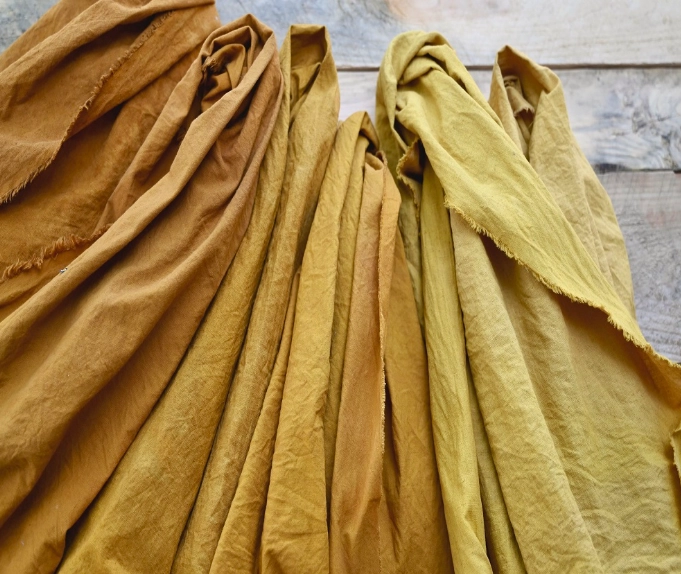 Dyeing modal fabric requires a shift in mindset. You're not just coloring cloth; you're facilitating a chemical reaction. Respect the fiber's nature, choose your dye wisely, and follow the process with care. The reward is a custom-colored piece of luxury that feels and looks professionally done. It's worth the extra effort.