You know that feeling. It's a humid summer day, or you're halfway through a tough workout, and your shirt feels like a plastic bag. It's sticky, heavy, and frankly, miserable. The problem often isn't you—it's your fabric. Choosing the most breathable fabric can be the difference between comfort and clammy discomfort. But with so many options—linen, cotton, "performance" polyester—what actually works? After years of testing fabrics for travel, hiking, and everyday wear, I've learned it's not about a single "best" fabric, but about matching the right fabric structure and fiber to your specific needs. Let's cut through the marketing and dive into what truly makes a fabric breathable.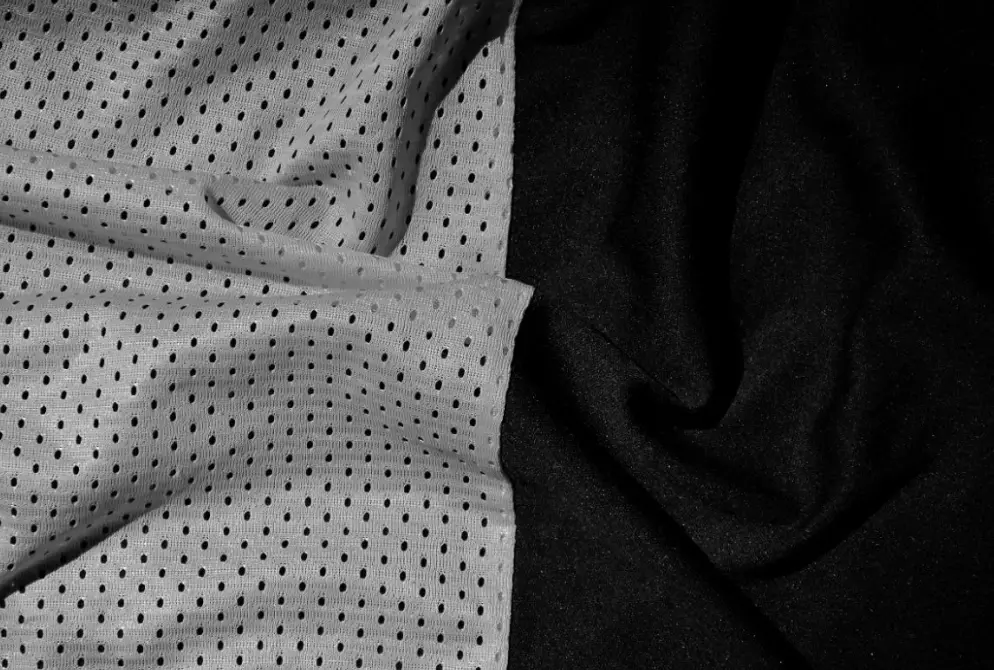
What's Inside This Guide?
What Makes a Fabric Breathable? (The Science Simplified)
Forget the complex jargon. Breathability boils down to two main jobs: letting air pass through and managing moisture (sweat).
Air Permeability: This is about the fabric's structure. Think of it like a screen door. A loose weave or knit (like in a classic linen shirt) has bigger "holes" for air to flow through, cooling your skin. A tight weave (like in many cheap rain jackets) traps air and heat.
Moisture Management: This is where fiber science gets interesting. It's not just about absorbing sweat. Cotton is a champion absorber—it can hold over 25 times its weight in water. Sounds great, right? The problem is it holds it. That soaked cotton tee gets heavy, sags, and takes forever to dry, leaving you cold and damp. True moisture management means wicking (pulling sweat away from your skin to the fabric's surface) and then quick drying through evaporation.
Many synthetic performance fabrics (think polyester or nylon used in running gear) are hydrophobic—they hate water. They don't absorb it; instead, they use capillary action in specially engineered fibers to move moisture away fast so it can evaporate. Natural fibers like wool are hygroscopic—they can absorb a fair amount of moisture vapor (not liquid sweat) directly into the fiber without feeling wet, which also helps with temperature regulation.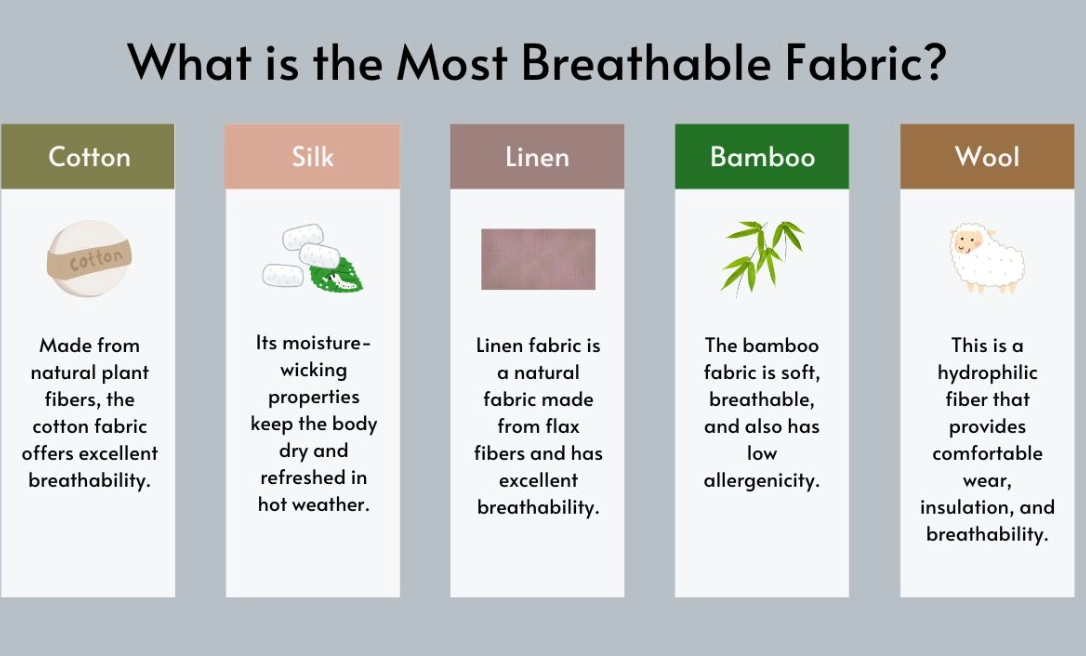
Key Takeaway: The most breathable fabric for you depends on your activity. For low-sweat, casual wear, air permeability (like linen) is king. For high sweat, intense activity, moisture-wicking and quick-dry capabilities (like merino wool or certain polyesters) are non-negotiable.
The Top 5 Most Breathable Fabrics, Ranked
This isn't just a list; it's a breakdown of where each fabric excels and where it falls short. I've ranked them based on a combination of air flow, moisture handling, and overall practicality.
| Fabric | Why It's Breathable | Best For | Watch Out For |
|---|---|---|---|
| 1. Linen | Its loose, irregular weave creates exceptional air permeability. It absorbs moisture quickly and dries faster than cotton. | Hot & dry climates, casual summer wear, pajamas, bed sheets. | Wrinkles easily, can feel rough initially, not great for high-sweat activities as it gets damp. |
| 2. Merino Wool | Nature's high-tech fiber. Wicks moisture brilliantly, regulates temperature (warm when wet), and is naturally odor-resistant. | Hiking, travel (versatile layering), workouts in cooler weather, everyday baselayers. | Can be expensive, requires gentle washing, some find it itchy (though fine merino is soft). |
| 3. Tencel/Lyocell | Made from sustainably sourced wood pulp. Has incredible moisture-wicking properties and a smooth, cool feel against the skin. | Underwear, activewear, summer dresses, sensitive skin. | Can be prone to pilling if low quality, sometimes blended with other fibers. |
| 4. Bamboo Rayon/Viscose | Exceptionally soft and has micro-gaps that enhance breathability and wicking. Often has a cooling sensation. | Socks, t-shirts, bedding, loungewear. | The "bamboo" label is often misleading (it's processed into rayon). Durability can vary, may shrink. |
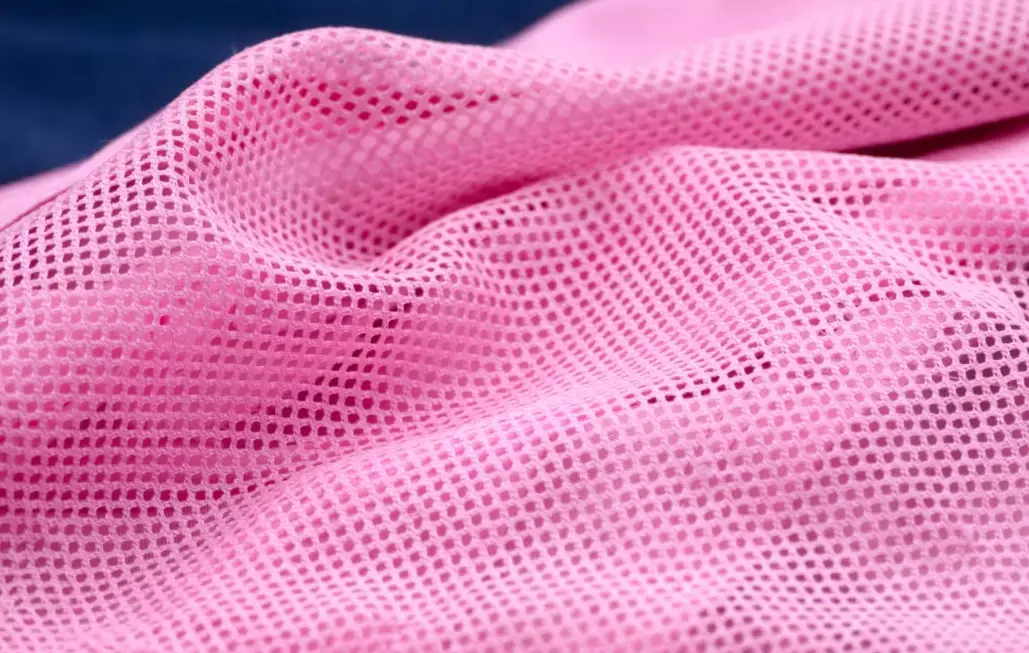
| 5. Lightweight, Mesh-Knit Polyester | Modern performance polyesters are engineered with micro-channels for superior wicking. Dries in minutes. | Running, gym workouts, any high-intensity sport where sweat is a given. | Can retain body odor if not treated, feels less natural, environmental concerns with virgin polyester. |
Notice something? Cotton, the classic "summer fabric," isn't in the top five. Here's why: while a lightweight, loose-weave cotton (like seersucker or gauze) can be very airy, its poor moisture management knocks it down for anything beyond a leisurely stroll. Once soaked, it's a drag.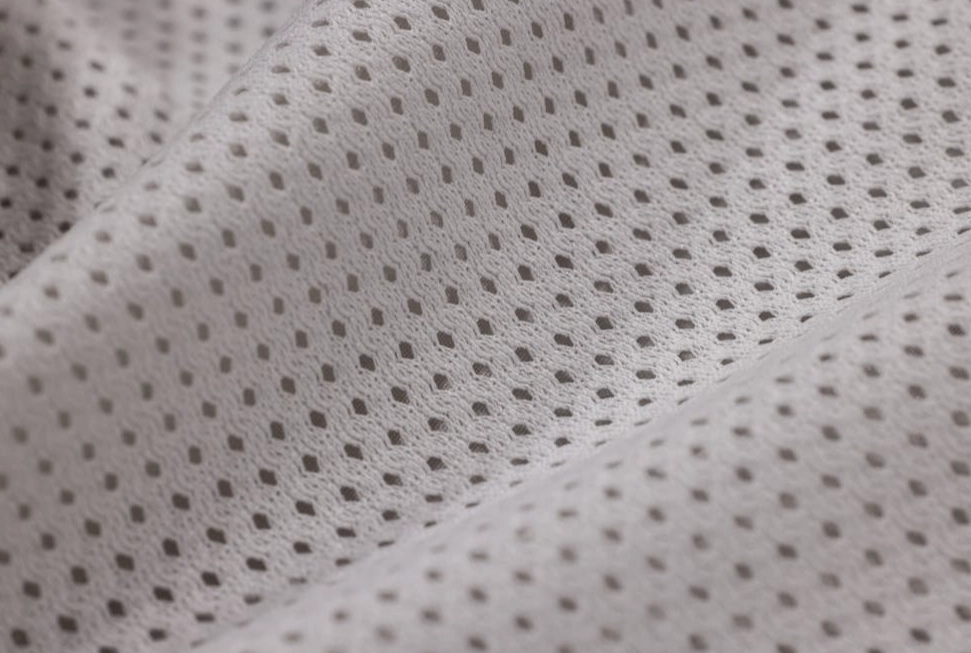
A personal note on linen: I used to hate it for the wrinkles. Then I spent a week in Greece in July. Nothing—not fancy tech fabric, not cotton—came close to the constant coolness of a loose linen shirt. I embraced the crumpled look. It's a trade-off for supreme comfort.
How to Choose the Most Breathable Fabric for Your Needs?
Stop looking for a unicorn fabric. Instead, match the fabric to the scenario.
For Intense Workouts & Running
Moisture-wicking is your top priority. Look for terms like "moisture transport" and "quick-dry." A lightweight, mesh-knit polyester or nylon blend is usually the winner here. Brands like Patagonia's Capilene or many running-specific shirts use these. Merino wool blends (like 80% merino/20% polyester) are also fantastic for multi-day hikes where odor control matters.
For Hot & Humid Everyday Wear
You need air flow first. Linen and lightweight cotton-linen blends are ideal. A breezy linen shirt or dress allows heat to escape. Look for a loose fit and an open weave. Tencel and bamboo viscose also work beautifully here, offering a silkier feel.
For Travel & Versatile Layering
You need a fabric that adapts. Merino wool is the undisputed champion. A 150-200gsm merino t-shirt can keep you cool in a warm airport, resist odors for days, and provide a bit of warmth if the plane gets cold. It's the ultimate "one-bag travel" fabric. I've worn the same merino tee for three days of city exploring without a whiff of odor—it's a game-changer.
For Bedding & Sleepwear
Temperature regulation is key. Linen sheets are famously cool. Bamboo viscose or Tencel sheets are also highly breathable, moisture-wicking, and incredibly soft, which is great for hot sleepers. Avoid flannel or high-thread-count cotton sateen in summer—they trap heat.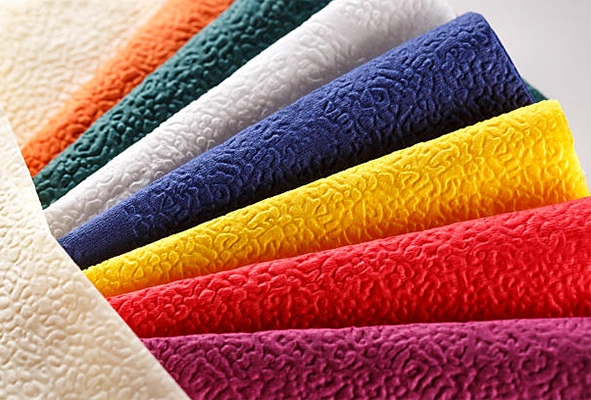
Common Myths and Mistakes About Breathable Fabrics
Let's clear up some confusion I see all the time.
- Myth: "100% Cotton is the most breathable for summer." It's breathable until you sweat. Then it becomes a wet blanket. For active summer days, it's a poor choice.
- Mistake: Ignoring the knit/weave. You can have a 100% linen fabric that's woven too tightly, killing its breathability. Always feel the fabric. Can you see light through it slightly? That's a good sign.
- Myth: "Synthetics don't breathe." This is outdated. Modern engineered synthetics breathe (wick moisture) far better than cotton for sweat-intensive activities. The issue is often with cheap, non-wicking polyester used in fast fashion.
- Mistake: Choosing fit over fabric. The most breathable fabric in the world won't help if your clothes are skin-tight. A slightly loose fit allows for crucial air circulation between the fabric and your skin.
Care and Maintenance for Breathable Fabrics
Treat them right, and they'll last longer and perform better.
Merino Wool & Tencel: Wash in cold water on a gentle cycle. Use a mild detergent. Avoid fabric softener—it coats the fibers and ruins their wicking ability. Tumble dry low or, better yet, air dry.
Linen: It actually gets softer with washing. You can machine wash it, but air drying minimizes wrinkling (if you care about that). Iron while slightly damp if you want a crisp look.
Synthetic Performance Fabrics: Wash after every use to remove salt and oil buildup that can lead to odor retention. Consider a technical sports detergent occasionally. Avoid high heat in the dryer, as it can melt microfibers.
Your Burning Questions Answered (FAQ)
The quest for the most breathable fabric isn't about finding one magic bullet. It's about understanding the principles of air and moisture, then applying them to what you're actually doing. Stop suffering in the wrong material. Choose linen for that summer brunch, merino for your next trip, and a smart synthetic for your run. Your comfort level will thank you.