The short answer is yes, but with major caveats. Sublimating directly onto 100% modal fabric is a recipe for disappointment—faint, washed-out prints that won't survive a single wash. However, by understanding the material and tweaking your approach, you can achieve stunning, durable results. I've spent a decade in textile printing, and the number of ruined modal batches I've seen is staggering. Most tutorials gloss over the critical details, leading to wasted time and materials. Let's fix that.
What You'll Learn
- What Modal Really Is (It's Not Just "Soft")
- The Science Behind Sublimation & Why Modal Fights It
- The Practical Guide: How to Successfully Sublimate Modal Blends
- 3 Costly Mistakes Everyone Makes (And How to Avoid Them)
- Project Ideas & Case Study: Making It Work
- Your Sublimation-on-Modal Questions Answered
What Modal Fabric Is (And Why It's Not Polyester)
Modal is a type of rayon, made from reconstituted cellulose from beech trees. It's celebrated for its silky feel, breathability, and excellent moisture-wicking properties—think high-end underwear, luxury bedding, and premium activewear. The key point most miss is its molecular structure. Unlike polyester, which is a synthetic polymer with long, non-polar chains perfect for bonding with disperse dyes, modal's cellulose fibers are hydrophilic and have a different chemical affinity.
This isn't just academic. It explains why a dye formulated for polyester won't properly bond with pure modal. The dye molecules need a synthetic "host" to latch onto during the gas-to-solid transition of sublimation. Pure natural or regenerated cellulose fibers like modal don't provide that.
The Science of Sublimation: Why Pure Modal Says "No"
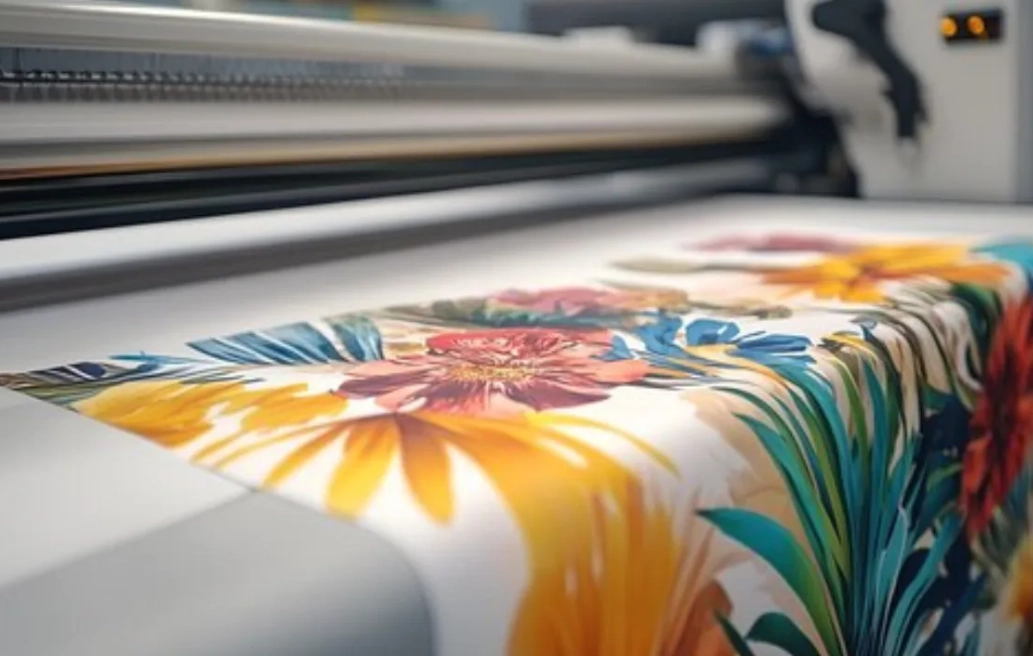
Sublimation printing works by turning solid dye particles into a gas using heat and pressure. This gas then penetrates the surface of a synthetic polymer (like polyester) and solidifies inside the fiber upon cooling. The print becomes part of the fabric, not just on it.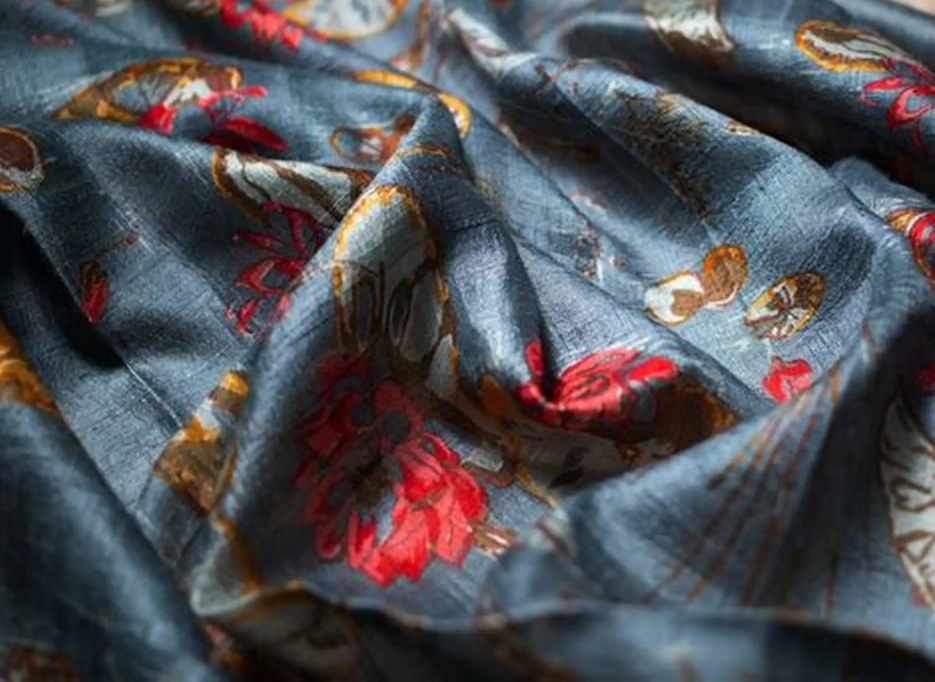
Modal's cellulose fibers don't open up under standard sublimation heat (around 400°F/205°C) in the same way. The dye gas mostly bounces off or sits superficially. The result? A print that looks decent off the heat press but becomes a ghost image after its first encounter with water or detergent.
How to Successfully Sublimate on Modal: A Step-by-Step Guide
You need a synthetic component for the dye to bond with. This means your target fabric must be a modal-polyester blend.
Step 1: Source the Right Fabric
Don't guess. Look for fabrics with a minimum of 50% polyester content. A 50% Modal / 50% Polyester blend is a good starting point. 60/40 or 70/30 (polyester/modal) ratios are even more reliable. The higher the polyester percentage, the more vibrant and wash-fast your print will be. Always check the garment's content label before you buy in bulk.
Step 2: Optimize Your Heat Press Settings
Modal is more heat-sensitive than pure polyester. You need to adjust to avoid scorching that silky feel.
| Parameter | Recommended Setting for Modal/Poly Blends | Notes |
|---|---|---|
| Temperature | 385°F - 395°F (196°C - 202°C) | Start at 390°F. Slightly lower than pure poly to protect modal fibers. |
| Time | 40 - 50 seconds | Ensure full dye transfer without over-exposing fabric to heat. |
| Pressure | Medium to Firm | Even pressure is critical. Too light causes patchy transfer. |
| Paper & Dye | Standard Sublimation Paper/Ink | No special ink needed. Ensure your design is mirrored. |
| Post-Press | Peel hot, cool flat | Prevents dye migration while fabric is still warm. |
Step 3: Pre-Press and Post-Press are Non-Negotiable
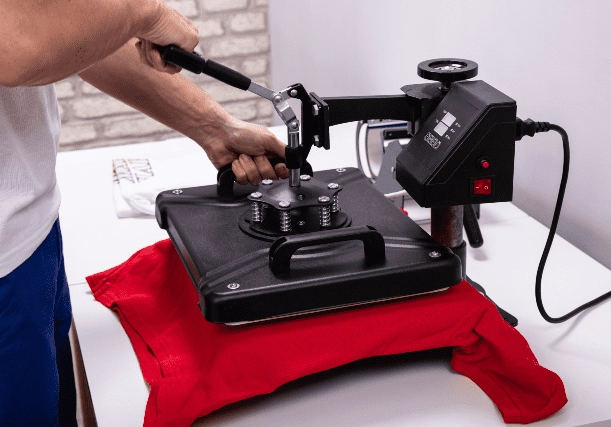
Pre-press your blank garment for 5-7 seconds to remove moisture and wrinkles. Any moisture trapped under the paper will turn to steam and blur your design. Post-press, peel the paper off immediately while the fabric is still hot (but use gloves!). Let the garment cool completely before handling it for packaging.
3 Costly Mistakes (And How to Avoid Them)
I've seen these sink hundreds of dollars in product.
1. Assuming All "Modal" is the Same. Some fabrics labeled "modal" might be blends with spandex or cotton, not polyester. Spandex can melt under sublimation heat. Always, always verify the full fiber content.
2. Using a Teflon Sheet as a Cover. For modal blends, I skip the Teflon sheet on top and use clean, white butcher paper instead. Teflon can sometimes trap a tiny bit of moisture or create a slight barrier that affects dye penetration on these more delicate blends. Butcher paper absorbs excess moisture and provides a consistent surface.
3. Skipping the Wash Test. Never ship a product from a new fabric batch without doing a brutal wash test. Wash it in warm water with detergent, dry it on medium heat. Check for fading or bleeding. This simple step saves your reputation.
Project Ideas and a Real-World Case Study
Where do modal-poly blends shine? Anywhere you want the drape and feel of modal with the graphic potential of sublimation.
- Premium Sportswear: Yoga leggings, performance tees where comfort is key.
- Loungewear & Robes: Soft, breathable, with personalized designs.
- High-End Promotional Apparel: For brands wanting a luxury feel on custom polos or scarves.
Case Study: A client wanted a run of custom yoga tops that were "butter-soft" but needed a full-back, intricate mandala print. Pure polyester felt too synthetic against the skin. We sourced a 60% Polyester / 40% Modal blend. We ran test prints, adjusting the temperature down to 388°F and time to 45 seconds. The result was a vibrant, crack-free print that maintained the fabric's signature softness and survived dozens of washes without fading. The key was refusing the 100% modal they initially proposed.
Frequently Asked Questions
 The path to sublimating on modal isn't about forcing a square peg into a round hole. It's about choosing the right peg—a fabric engineered with both comfort and printability in mind. By respecting the material science and following these process tweaks, you can unlock a product category that blends luxury feel with limitless custom design. Start with a trusted blend, test relentlessly, and you'll move past the question of "can you" to mastering exactly "how you do it best."