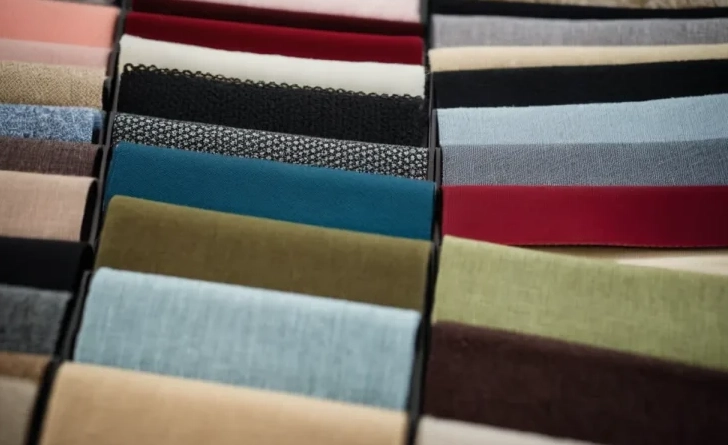
You've seen the tags. "Modal." It's on underwear, t-shirts, bedsheets. It's often right next to "sustainable" and "luxuriously soft." But when you're standing in a store or browsing online, that nagging question pops up: is modal good fabric, or is it just marketing fluff?
Here's my take after years of buying, wearing, and sometimes regretting modal items: It's fantastic for specific things and surprisingly mediocre for others. The blanket "yes" or "no" you find on most blogs is useless. Whether modal is good for you depends entirely on what you're using it for, how you care for it, and what you value more—absolute softness or long-term durability.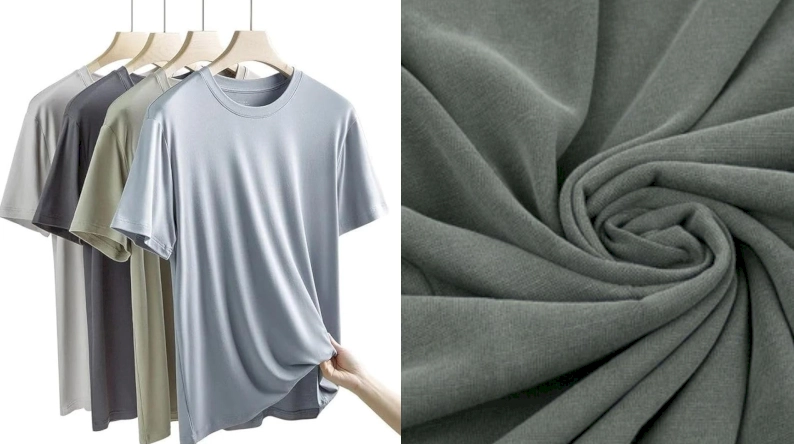
I bought a modal blend sweater that pilled into a fuzzy mess after three washes. I also have modal pajamas that feel like a second skin and have lasted five years. See the difference?
What You'll Find in This Guide
What Is Modal Fabric, Really?
Let's skip the overly technical textbook definition. Modal is a type of rayon. Think of rayon as a family tree. Viscose rayon is the common, older cousin. Modal is a more refined, stronger version of it. Both start with wood pulp, usually from beech trees.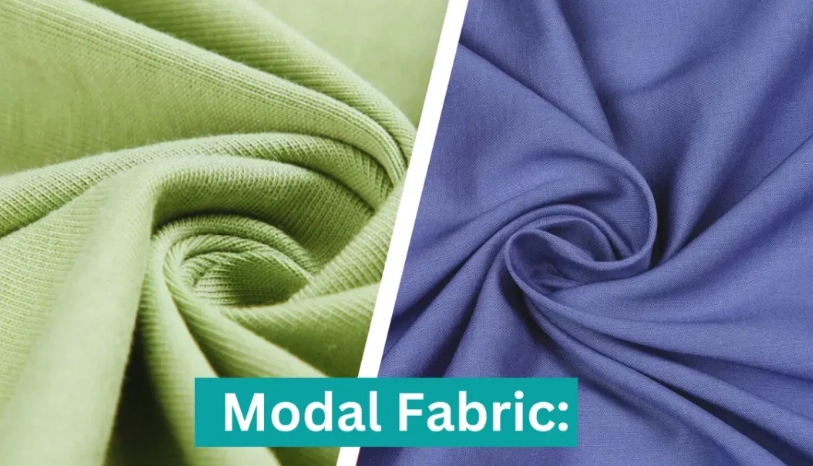
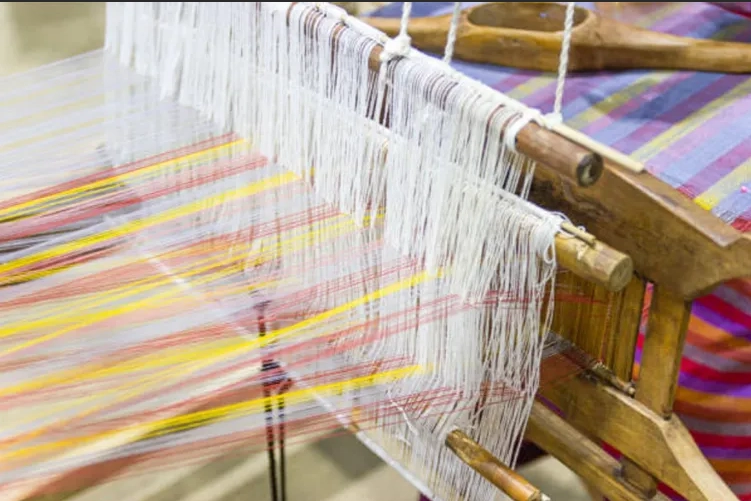
The key is the processing. The wood pulp is dissolved, pushed through tiny holes to make fibers, and then spun into yarn. Modal goes through an extra processing step that changes the fiber's structure, making it stronger when wet and giving it that signature silky feel. Lenzing AG, an Austrian company, is the big name behind most high-quality modal (often branded as TENCEL™ Modal). Their closed-loop process recovers and reuses most of the chemicals, which is where the eco-friendly claims come from.
But here's the non-consensus bit everyone misses: Not all modal is created equal. "Modal" on a tag doesn't guarantee it's from a sustainable source like Lenzing. A cheap fast-fashion brand might use generic modal from who-knows-where with a less responsible process. The quality and environmental footprint can vary wildly.
The Good, The Bad, The Pilly: Modal's Pros and Cons
To figure out if modal is good, we need to look at both sides. It's not a superhero fabric.
The Bottom Line Up Front: Modal is a champion of comfort and breathability but has a real weakness against friction. It's a specialist, not an all-rounder.
Why People Love Modal (The Pros)
- Insanely Soft & Drapey: This is its superpower. Modal fibers are fine and smooth, resulting in a fabric that feels luxurious against the skin. It has a beautiful drape, meaning it flows and hangs well, unlike stiff cotton.
- Breathable & Moisture-Wicking: It absorbs moisture (sweat) better than cotton and releases it quickly. This makes it feel cool and dry, a huge win for sleepwear or summer tops.
- Color Vibrancy: Modal takes dye exceptionally well, leading to rich, deep colors that are less prone to fading than cotton—if you wash it right.
- Resists Shrinkage: Unlike cotton, which can shrink dramatically, modal is much more stable in the wash when cared for properly.
- Generally Wrinkle-Resistant: It tends to come out of the dryer or off the line with fewer creases than pure cotton.
Where Modal Falls Short (The Cons)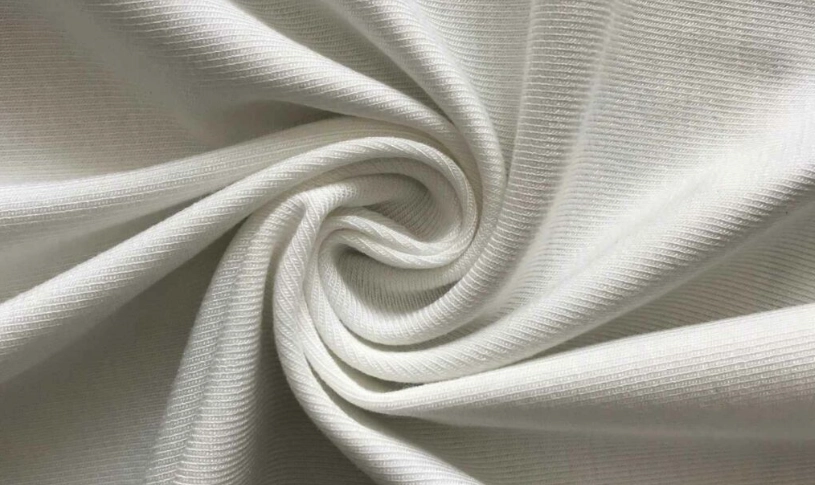
- Pilling is Its Achilles' Heel: This is the biggest, most glossed-over flaw. Those fine fibers love to loosen up and form little balls of fuzz (pills) with friction. Areas like underarms, where a bag strap rubs, or seat cushions are prime pilling zones. A 100% modal knit sweater? A pilling nightmare waiting to happen.
- Heat is the Enemy: Modal is more sensitive to high heat than cotton. A hot dryer or iron can scorch, melt, or weaken the fibers, leading to premature wear or shiny patches.
- Can Stretch Out Over Time: That beautiful drape can become saggy, especially in looser knits. A modal t-shirt might lose its shape after many wears.
- Environmental Claims Need Scrutiny: As mentioned, the "eco-friendly" label depends entirely on the manufacturer. Unless it specifies a brand like TENCEL™, take it with a grain of salt.
- Often More Expensive: Good quality modal typically costs more than basic cotton.
Modal vs. Cotton: The Showdown for Everyday Wear
This is the most common comparison. Let's break it down in a way that helps you decide.
| Feature | Modal | Cotton (esp. Pima or Supima) |
|---|---|---|
| Initial Softness | Wins. Softer right out of the package. | Can be soft, but often gets softer with washes. |
| Breathability | Excellent. Wicks moisture faster. | Excellent, but can hold onto moisture longer. |
| Durability & Pilling | Loses. Prone to pilling with friction. | Wins. Generally more durable and pill-resistant. |
| Shape Retention | Can stretch out over time. | Better. Holds its shape well, especially in tighter weaves. |
| Care | More delicate. Prefers cold water, low heat. | More forgiving. Can handle warmer washes. |
| Best For | Underwear, pajamas, loose loungewear, summer dresses. | T-shirts, jeans, button-downs, towels, bedding, anything needing structure. |
My rule of thumb? If the garment will experience a lot of rubbing (like a fitted t-shirt under a backpack, or leggings), go with a high-quality cotton or a cotton-modal blend. If it's for low-friction comfort against the skin (sleepwear, camisoles), pure modal is heavenly.
Where Modal Shines (And Where It Doesn't)
Let's get specific. This is where you can make a smart buying decision.
Modal is a GREAT Choice For:
Underwear & Socks: The breathability and softness are unmatched. It helps keep you dry and comfortable. Most of my favorite underwear is a modal blend.
Pajamas & Robes: This is modal's best application. The goal is maximum comfort with minimal abrasion. A modal pajama set feels like a luxury.
Loose-Fitting Loungewear & Dresses: Flowy kaftans, loose tunics, and A-line dresses where the fabric isn't constantly pulled tight against surfaces. The drape is beautiful.
Bed Sheets (Blends): Modal-cotton or modal-bamboo blend sheets offer a cool, silky feel. I'd avoid 100% modal sheets as they might not withstand frequent washing as well.
Think Twice About 100% Modal For:
Fitted T-Shirts & Tops: The constant friction from seat belts, backpack straps, or even just your arms against your sides will invite pilling.
Leggings or Tight Pants: Rubbing against chairs, couches, or your own thighs is a fast track to a fuzzy, worn-looking garment.
Heavy Sweaters or Cardigans: The weight and the likelihood of friction make this a poor choice. You'll be de-pilling constantly.
Towels or Washcloths: Modal lacks the surface texture and robust absorbency/durability needed. Stick to cotton or linen here.
Look for blends in these categories. A 50% modal / 50% cotton t-shirt gives you the softness and breathability of modal with the durability and structure of cotton. It's the best of both worlds.
How to Make Your Modal Last
Treat it gently, and it will reward you. Treat it like denim, and it will fall apart.
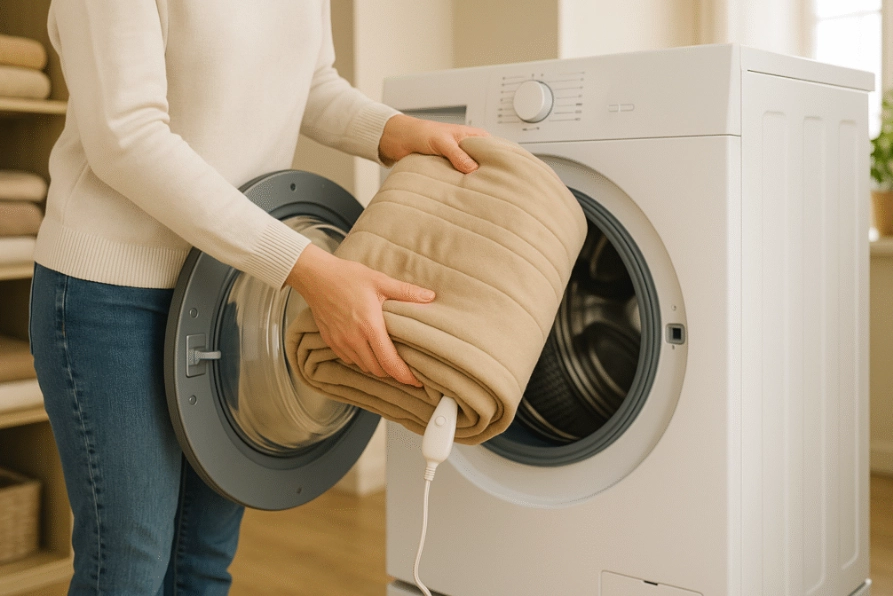
Wash in cold water on a gentle cycle. Hot water can damage the fibers.
Turn garments inside out to minimize surface friction during the wash.
Use a mild detergent. Harsh chemicals or bleach will break it down.
Air dry is king. Hang it up or lay it flat. If you must use a dryer, choose the absolute lowest heat setting or no-heat tumble dry, and remove while still slightly damp.
Iron on low heat, and always use a cloth between the iron and the fabric. Better yet, steam it.
Store it folded, not on thin wire hangers that can distort the shape.
I learned the hard way with that sweater. Now, my modal items live longer, pill-free lives.
Your Modal Questions, Answered
It's very likely, especially if it's 100% modal and you're sitting in the same spot regularly. The friction between the fabric and the cushion is a primary cause of pilling. For loungewear you plan to live in on the couch, opt for a modal-cotton blend or a brushed cotton instead.
In my experience, yes, but with a caveat. Modal's superior moisture-wicking pulls sweat away from your body faster, helping you feel cooler. However, for sheets, a high-thread-count percale cotton might feel cooler to the touch initially. For pajamas, modal is the clear winner for temperature regulation.
Check the label for a branded fiber. "TENCEL™ Modal" from Lenzing is the gold standard for responsibly sourced, high-performance modal. A generic "modal" tag from an unknown fast-fashion brand is a gamble. Also, feel it. High-quality modal should feel dense and smooth, not thin and flimsy.
 I've heard modal is eco-friendly. Is that always true?
No, and this is a critical point. The sustainability depends on the manufacturer's process. Lenzing's closed-loop system is exemplary. However, generic modal production can still involve harmful chemicals if not managed properly. Look for certifications like the EU Ecolabel or the company's own sustainability reports. Don't just trust the word "eco" on the tag.
It's tough. Unlike cotton, which you can sometimes shrink back with heat, applying heat to modal risks damaging it. Your best bet is prevention: always air dry and store folded. For a slightly stretched neckline or hem, a gentle steam might help fibers tighten a bit, but don't expect miracles.
So, is modal good fabric? The answer isn't simple. It's an excellent fabric for specific, comfort-focused applications where softness and breathability are paramount. It's a poor choice for high-friction, hard-wearing items. Your job is to match the fabric to the purpose. Now you have the real-world details to do just that.