You know that feeling. You pull on a well-worn sweatshirt, wrap yourself in a favorite blanket, or slip into a pair of soft pajamas. That instant, comforting softness that seems to hug you? That's the magic of brushed fabric. It's not a specific material like cotton or polyester, but a finishing process that transforms ordinary textiles into something extraordinarily cozy. If you've ever wondered why some fabrics feel like a cloud while others feel flat, you're in the right place. This guide will strip away the mystery and give you the insider knowledge on what brushed fabric really is, how it's made, and how to care for it so it stays soft for years.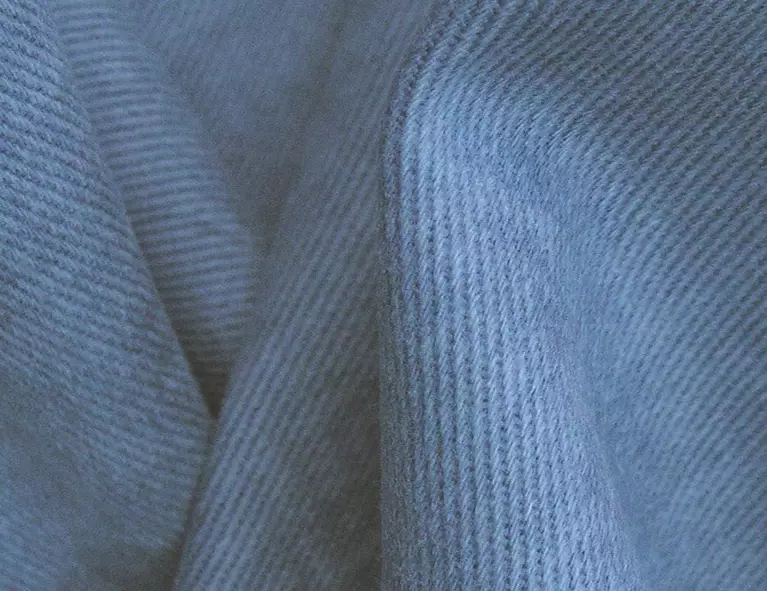
What You'll Learn in This Guide
What Is the Brushing Process? It's All in the Fuzz
Think of brushing fabric like brushing your hair to create volume, but for cloth. The core idea is simple: raise the tiny, loose fibers on the surface of a woven or knitted fabric to create a soft, fuzzy nap. This isn't a chemical treatment; it's a mechanical one. The fabric is passed over a series of rotating cylinders or brushes covered with fine, flexible wires (often made of steel or nylon). These brushes gently tease out the ends of the yarns, breaking the surface slightly to form that characteristic pile.
There are usually two main passes: a pre-brushing to open up the fabric and remove impurities, and the main finishing brush that sets the depth and direction of the nap. The speed, pressure, and type of brush all change the final hand-feel. More pressure and slower speed create a heavier, denser nap—think a thick flannel shirt. Lighter brushing gives you that subtle, peach-skin softness on some t-shirts.
The base fabric matters immensely. A loosely woven cotton will brush up into a deep, fluffy nap but may be less durable. A tight polyester knit will yield a softer, more uniform surface that's great at wicking moisture. This is where most online explanations stop, but here's a practical detail many miss: the direction of the nap. On better-quality brushed items, like a nice flannel shirt, the nap runs vertically. This feels smoother when you run your hand down it. Cheaper brushing might be haphazard, leading to a less uniform feel and more pilling down the road.
Major Types of Brushed Fabrics: From Flannel to Fleece
"Brushed fabric" is an umbrella term. Under it, you'll find specific fabrics defined by their base material and brushing style. Here’s a breakdown of the most common ones you'll encounter shopping for clothes or home goods.
| Fabric Name | Base Material | Key Characteristics | Best Used For |
|---|---|---|---|
| Brushed Cotton / Flannel | 100% Cotton or Cotton Blend | Breathable, natural, gets softer with washes. Can shrink if not pre-shrunk. The classic cozy feel. | Shirts, pajamas, bed sheets, lightweight blankets. |
| Brushed Polyester / Microfleece | 100% Polyester | Lightweight, excellent moisture-wicking, dries fast, very pill-resistant. Can feel less "breathable" and may generate static. | Activewear, base layers, lightweight jackets, throw blankets. |
| French Terry | Usually Cotton or Cotton Blend | Brushed only on the *back* side. Smooth, sturdy face with a soft, looped back. Very absorbent. | Premium sweatshirts, hoodies, loungewear. |
| Brushed Wool / Melton | Wool | Brushed to create a felted, dense surface that obscures the weave. Extremely warm, wind-resistant, and durable. | Coats, military uniforms, heavy blankets. |
| Brushed Twill | Cotton or Synthetic | A diagonal weave fabric that's been brushed. Offers a soft hand while retaining the durability and drape of twill. | Chinos, casual pants, workwear. |
You'll notice a trend. Natural fibers like cotton and wool, when brushed, offer breathability and a classic comfort but often require more careful care. Synthetics like polyester offer performance and easy care but can sacrifice a bit of that natural feel and breathability. My personal favorite for everyday wear is a cotton-polyester blend (like 60/40). It finds a sweet spot, blending the softness and breathability of cotton with the durability and shrink-resistance of polyester.
The Real Pros and Cons: Is Brushed Fabric Right for You?
Let's move beyond the obvious "it's soft" statement. What are you really signing up for when you buy a brushed fabric item?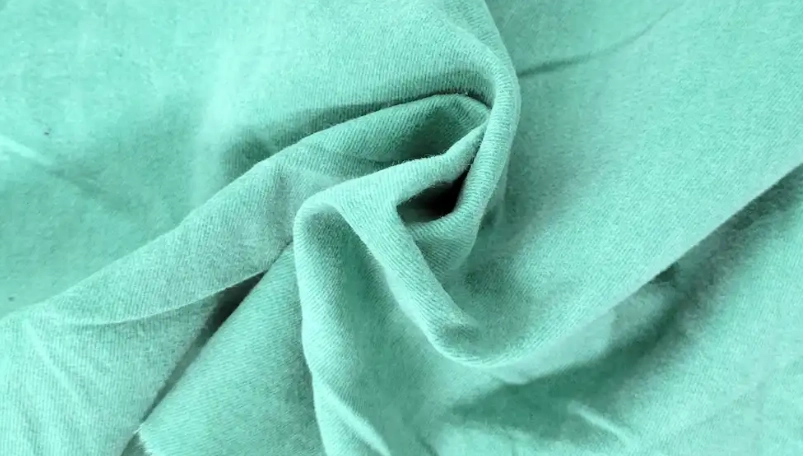
Why You'll Love It (The Pros)
Unmatched Comfort: This is the big one. The raised nap creates thousands of tiny air pockets that feel soft against the skin and provide a light layer of insulation.
Improved Warmth: Those same air pockets trap body heat, making brushed fabrics inherently warmer than their unbrushed counterparts without adding significant weight. A brushed cotton sheet can make a noticeable difference on a cool night.
Enhanced Absorbency: For natural fibers, brushing increases the surface area, helping the fabric absorb moisture more quickly. This is why brushed cotton towels are so effective.
Opaque Appearance: The fuzzy surface diffuses light, making fabrics look less sheer and more substantial, which is great for lightweight t-shirts and sheets.
What to Watch Out For (The Cons)
Pilling is Inevitable: This is the number one complaint. Those loose fibers will eventually tangle into little balls on the surface, especially in high-friction areas (underarms, sides where a bag rubs). The quality of the base yarn and the brushing intensity dictate how soon and how badly it happens. A tightly spun, long-staple cotton will pill far less than a loose, short-fiber one.
Durability Trade-off: By raising the fibers, you're slightly weakening the surface of the fabric. A heavily brushed fabric may not be as abrasion-resistant as a flat-woven canvas of the same weight.
Can Attract Lint and Pet Hair: That fuzzy nap acts like a magnet. If you have a pet that sheds, a black brushed cotton sweater will show every single white hair.
Washing Challenges: Wrong washing can flatten the nap permanently or accelerate pilling. We'll get into the specifics of care next.
Here's a non-consensus point from years of dealing with fabrics: many people think brushing is just for softness. Its biggest functional impact is actually on thermal regulation and moisture management. A brushed inner layer in activewear keeps a warm air layer close to the skin while pulling sweat to the outer surface to evaporate.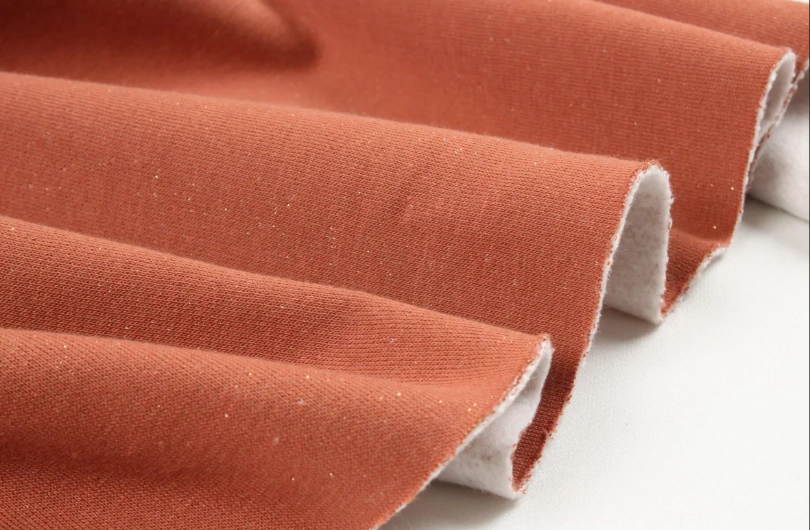
Where You'll Find Brushed Fabric: More Than Just Sweatshirts
Its application is everywhere you prioritize comfort.
Apparel: This is the most common use. Think loungewear, pajamas, sweatshirts and hoodies (especially French Terry), t-shirts, flannel shirts, base layers for cold weather, and even the lining of some jackets.
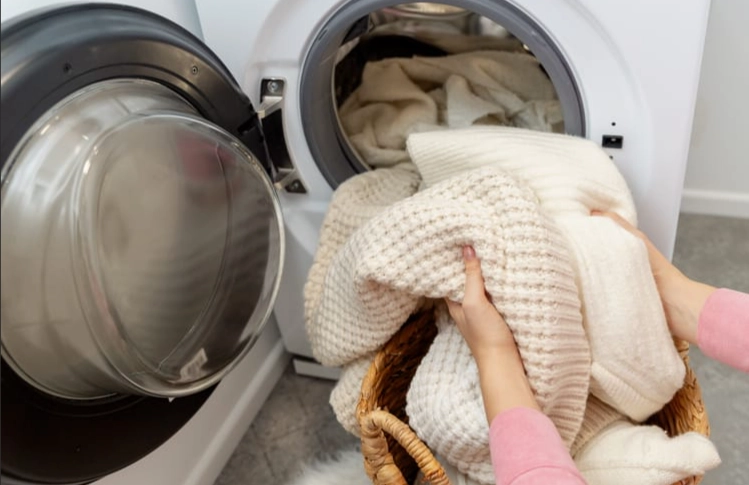
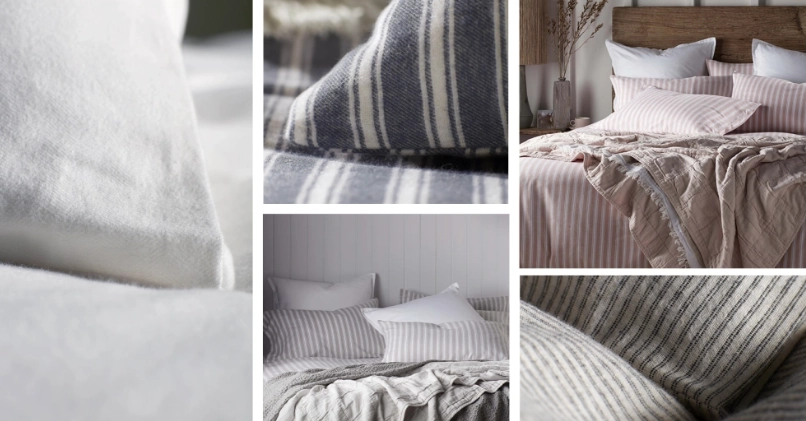
Home Textiles: Your bed might be full of it. Brushed cotton or polyester is standard in flannel sheets, cozy blankets, lightweight quilts, and some bathrobes and towels. That "brushed microfiber" blanket you love is a classic example.
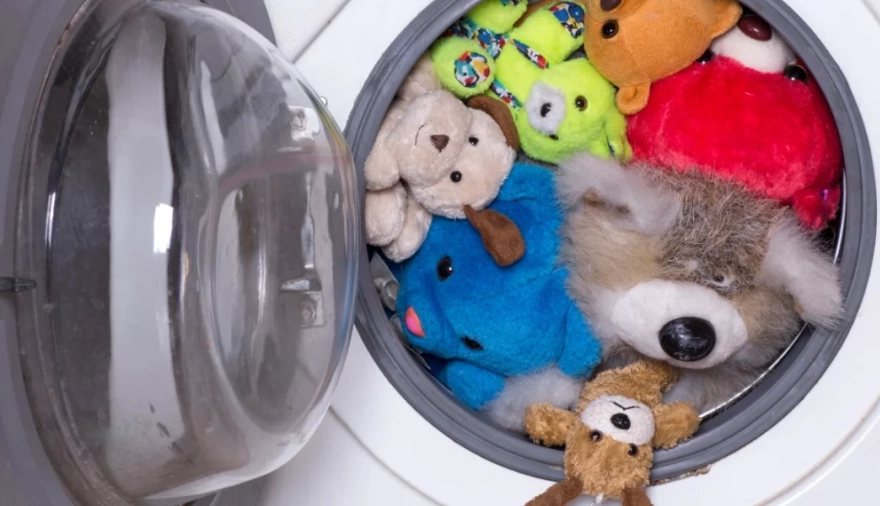
Baby & Kids' Products: For obvious reasons—softness is king. You'll find it in baby onesies, swaddles, soft toys, and kids' pajamas.
I once bought a brushed cotton duvet cover, lured by the promise of "hotel-level softness." It was divine for the first six months. But without following proper care (I was guilty of hot washes and high-heat drying), the nap eventually matted down on one side, losing its even softness. It taught me that the care instructions aren't just suggestions for these fabrics.
Expert Care & Washing Instructions to Preserve Softness
Want your brushed fabric items to last? This is the most important section. Treat them gently.
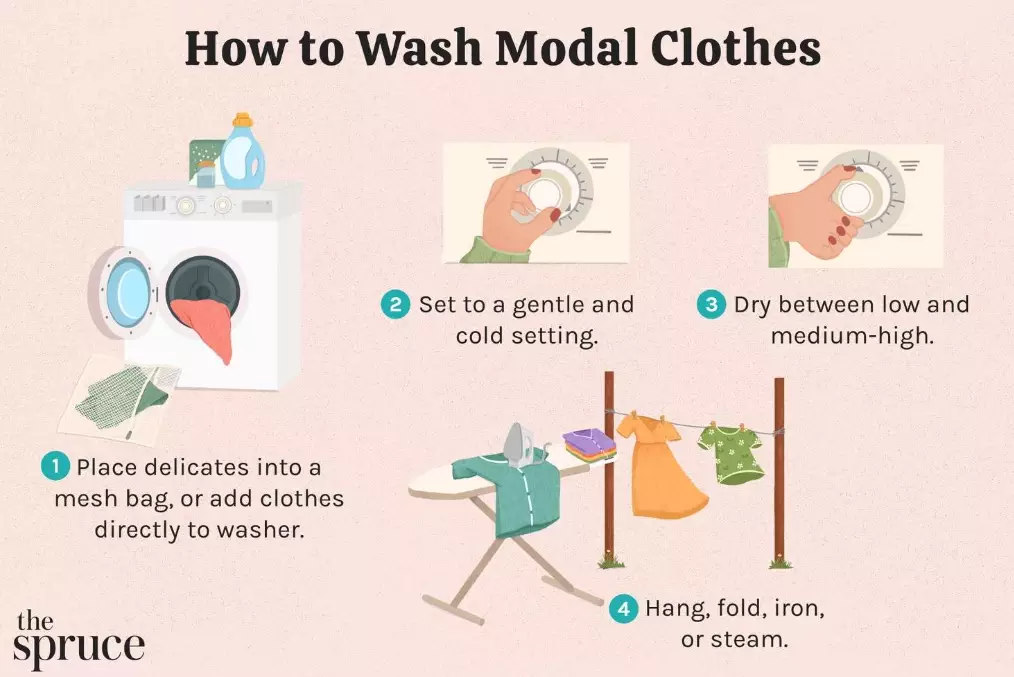
- Turn Inside Out: Always wash brushed items inside out. This minimizes friction between the brushed surface and other items (or the drum of the washer), which is the primary cause of pilling and nap damage.
- Cold Water is Your Friend: Use cold or warm water on a gentle cycle. Hot water can cause excessive shrinkage (especially in cotton) and set stains into the fuzzy fibers.
- Skip the Fabric Softener: This is a critical tip. Fabric softener coats fibers with a waxy residue. On brushed fabric, this can actually flatten the nap over time, making it feel stiff and less absorbent. Instead, use a mild detergent. For extra softness, add a half cup of white vinegar to the rinse cycle—it naturally softens fibers without residue.
- Air Dry or Tumble Dry Low: High heat is the enemy. It can melt synthetic fibers (polyester) and permanently crush the nap. The best method is to air dry flat. If you must use a dryer, choose the lowest heat setting or an air-fluff (no heat) cycle. Remove items while slightly damp to minimize wrinkles.
- Dealing with Pills: When pills appear, use a fabric shaver or a battery-operated pill remover. Don't pull them off by hand, as you might pull out good yarn. Shave gently and periodically to keep the surface smooth.
Storing brushed fabric items? Fold them, don't hang them for long periods. Hanging can stretch the fabric and cause the shoulders to lose their shape, especially with heavier items like flannel shirts.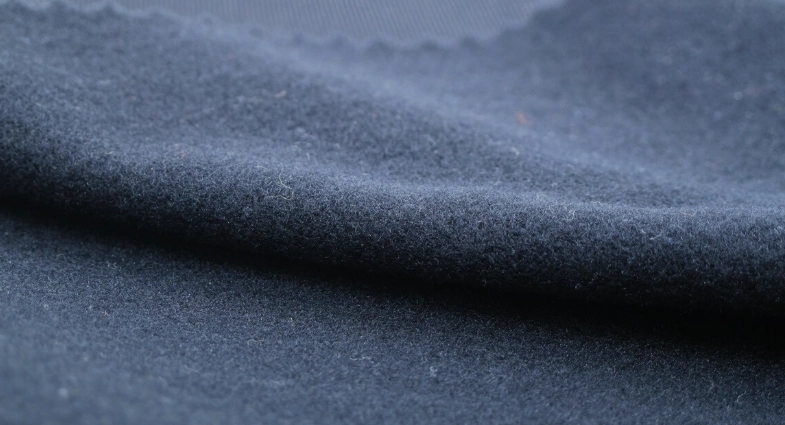
Your Brushed Fabric Questions Answered
Is brushed fabric good for summer or is it too hot?
Why does my new brushed cotton shirt feel stiff after the first wash?
What's the difference between "brushed" and "fleece"?
 Can brushed fabric be ironed?
How do I stop my brushed polyester jacket from getting so staticky?