Let's cut to the chase. You're here because you're staring at two shopping carts online, one with microfiber sheets and one with cotton, and you have no idea which one to commit to for the next few years. I've been there. I've also made the wrong choice and spent a sweaty, uncomfortable year regretting it. The truth is, there's no single "winner." The best sheet is the one that disappears when you sleep, matching your body's needs and your life's routines. This guide won't just list facts; it'll help you feel the difference before you buy.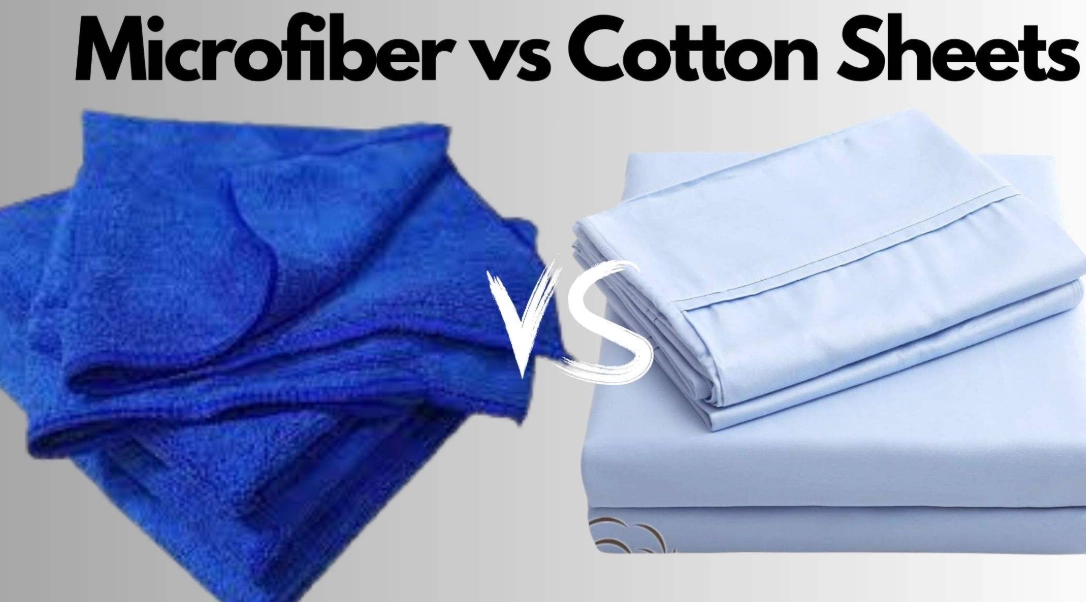
What You'll Discover in This Guide
- The Core Difference: Material and Manufacturing
- Microfiber Sheets: The Budget-Friendly Contender
- Cotton Sheets: The Natural Classic
- Head-to-Head Comparison: A Detailed Breakdown
- How to Choose: A Decision-Making Framework
- Expert Tips for Buying and Caring for Your Sheets
- Frequently Asked Questions (From Real Shoppers)
The Core Difference: Material and Manufacturing
This is where it all starts. Get this wrong, and you'll misunderstand everything else.
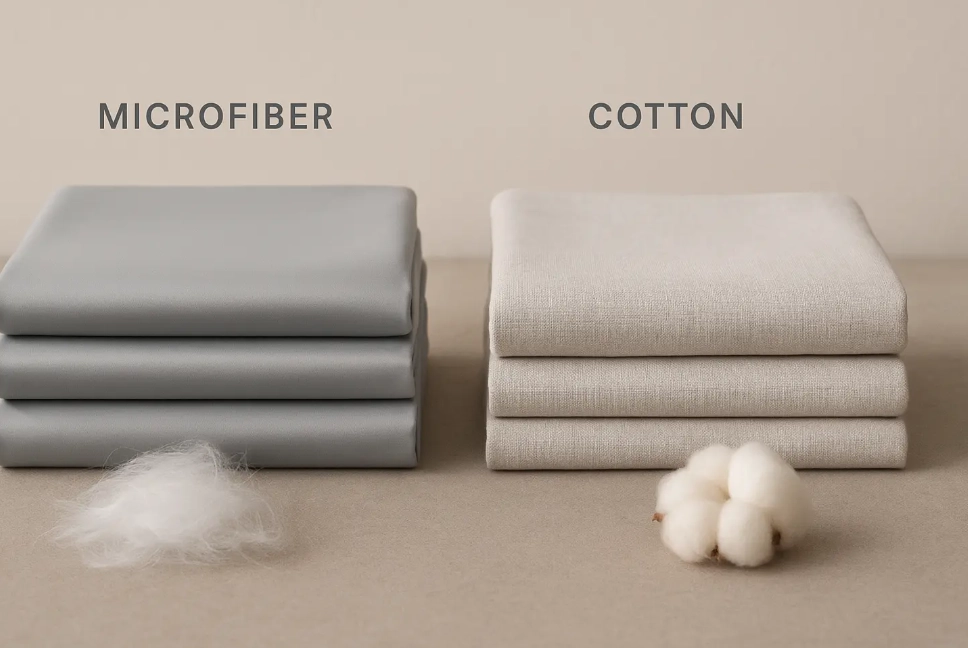
Microfiber is a synthetic textile, typically made from ultra-fine threads of polyester or a polyester-nylon blend. The name comes from the fibers being finer than one denier (thinner than a strand of silk). This fineness is what allows manufacturers to weave them tightly, creating that signature soft, sometimes slippery feel. It's essentially plastic, engineered for performance.
Cotton is a natural fiber, a fluffy boll that grows around cotton plant seeds. Its quality varies wildly based on where it's grown, how long the staple (fiber length) is, and how it's woven. Think of it like coffee beans versus instant coffee. The source and processing matter immensely. Long-staple cottons like Egyptian or Pima are the Arabica beans of the sheet world.
This fundamental split – synthetic vs. natural – dictates almost every other characteristic: breathability, moisture management, environmental impact, and how they age.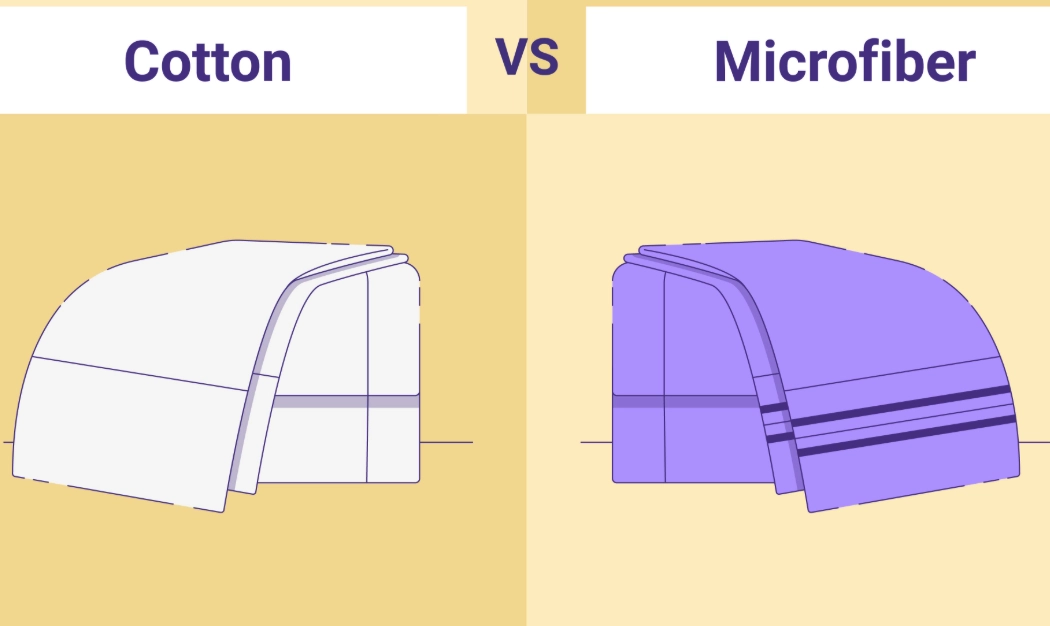
Microfiber Sheets: The Budget-Friendly Contender
I bought my first set of microfiber sheets a decade ago because they were cheap and claimed to be "brushed for luxury." For the first month, I was a convert. Then summer hit.
Where Microfiber Absolutely Shines
The Price Point: You can get a decent queen set for $30-$50. For a college student, a first apartment, or a guest room you use twice a year, this is unbeatable. Cotton at this price is often rough, low-thread-count, and pills immediately.
Wrinkle and Stain Resistance: This is microfiber's superpower. They come out of the dryer looking smooth. Spill some wine? It often beads up on the surface, giving you time to blot it. For households with kids or pets, this practicality is a major draw.
Initial Softness and Durability: That brushed finish is undeniably soft to the touch right out of the package. They also resist pilling and fading better than low-quality cotton, holding their color and texture through many washes.
The Trade-Offs You Must Consider
Breathability (The Big One): Here's the non-consensus part everyone glosses over. It's not that microfiber is "not breathable." It's that it traps heat and moisture. The tight weave that gives it softness also blocks air flow. If you're a hot sleeper, live in a humid climate, or experience night sweats, microfiber can feel like sleeping in a plastic bag. You'll wake up damp and sticky. I learned this the hard way.
The Feel Over Time: That initial velvety softness can, for some people, feel synthetic or "plasticky." It doesn't have the dry, crisp coolness of high-quality cotton when you first slide in. Some also find the static cling in dry winters annoying.
Environmental Impact: Being polyester-based, microfiber is derived from petroleum and sheds microplastics in the wash. If sustainability is a key concern, this is a significant downside.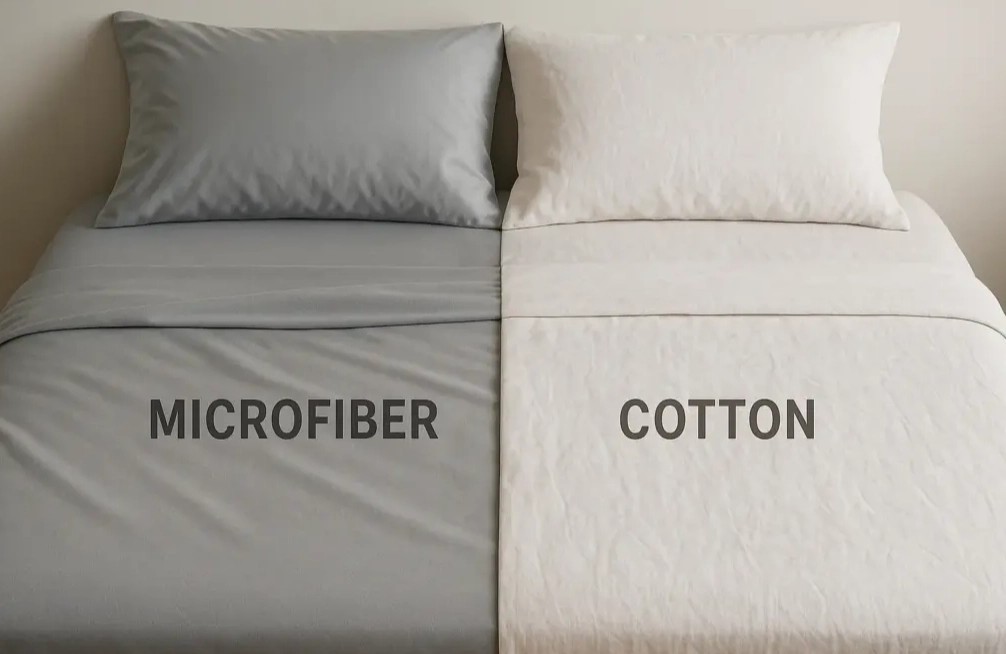
Cotton Sheets: The Natural Classic
Cotton is the benchmark. But "cotton" is too broad a term. You need to look deeper.
The Cotton Hierarchy: What Those Labels Really Mean
Thread Count is a Marketing Trap: A 1000-thread-count sheet made from short, crappy cotton is worse than a 300-thread-count sheet made from long-staple cotton. Brands inflate thread count by using multi-ply yarns. Focus on fiber quality and weave first.
Long-Staple is Key: Look for labels like Egyptian Cotton, Pima Cotton, or Supima®. These fibers are longer, stronger, and smoother. They produce softer, more durable, and less pill-prone fabric. According to Cotton Incorporated, the research arm of the U.S. cotton industry, longer staples lead to superior yarns.
The Weave Defines the Feel:
Percale: A crisp, cool, matte finish. One-over-one-under weave. Feels like a classic hotel sheet. Breathable and gets softer with every wash.
Sateen: A silky, lustrous, slightly warmer feel. A three-over-one-under weave gives more threads on the surface. Less breathable than percale but incredibly smooth.
Why People Pay More for Cotton
Temperature Regulation: Natural fibers breathe. They wick moisture away from your body and allow air to circulate. This is why you rarely hear of someone overheating in good cotton sheets.
That Authentic Feel: The comfort is dry and substantial. It's not a surface-level softness; it's a feeling of quality that improves with age. A well-made cotton sheet can last 10-15 years.
For Sensitive Skin: Natural fibers are generally less likely to cause irritation or allergic reactions compared to synthetics.
The catch? You have to pay for it. A good long-staple cotton sheet set starts around $100 and goes up to the hundreds.
Head-to-Head Comparison: A Detailed Breakdown
Let's put them side-by-side on the factors that actually matter when you're in bed.
| Feature | Microfiber Sheets | Cotton Sheets (Long-Staple, e.g., Pima) |
|---|---|---|
| Feel & Comfort | Very soft, velvety, sometimes slippery. Can feel synthetic/warm. | Crisp (percale) or silky (sateen). Dry, breathable, classic comfort. |
| Breathability | Low. Traps heat and moisture. Not ideal for hot sleepers. | High, especially in percale weave. Excellent for temperature regulation. |
| Durability | High resistance to pilling, fading, and wrinkles. Strong synthetic fibers. | Very high when made with long-staple cotton. Lasts decades with proper care. |
| Care & Maintenance | Easy. Machine wash/dry, low heat. Minimal ironing needed. Resists stains. | Often requires more care (check label). May need ironing for crisp look. Can shrink. |
| Cost (Queen Set) | $30 - $80. Exceptional value at the low end. | $80 - $300+. Quality demands a higher investment. |
| Best For | Budget buyers, guest rooms, kids' rooms, cool climates, low-maintenance households. | Hot sleepers, those valuing natural materials, luxury feel, long-term investment, sensitive skin. |
My Personal Rule of Thumb: I use high-quality cotton percale on my own bed year-round. But I keep a set of charcoal-gray microfiber sheets in the guest closet. They always look presentable, handle unpredictable guest spills, and I didn't break the bank on something used infrequently.
How to Choose: A Decision-Making Framework
Stop overthinking. Ask yourself these three questions in order.
1. What's your #1 sleep complaint?
If you answered "I sleep hot" or "I wake up sweaty," eliminate microfiber immediately. Prioritize cotton percale or linen.
If you answered "I hate ironing sheets" or "my kids/pets ruin everything," lean heavily towards microfiber or a cotton-polyester blend.
2. What's your budget for this item?
Under $75? Your best bet for softness and durability is microfiber.
$100+? You can now enter the world of quality, long-staple cotton. This is where the real upgrade happens.
3. What feeling do you want when you get into bed?
Do you want to sink into a soft, cozy hug? A brushed microfiber or cotton sateen might satisfy.
Do you want a cool, crisp, refreshing touch? 100% cotton percale is your answer.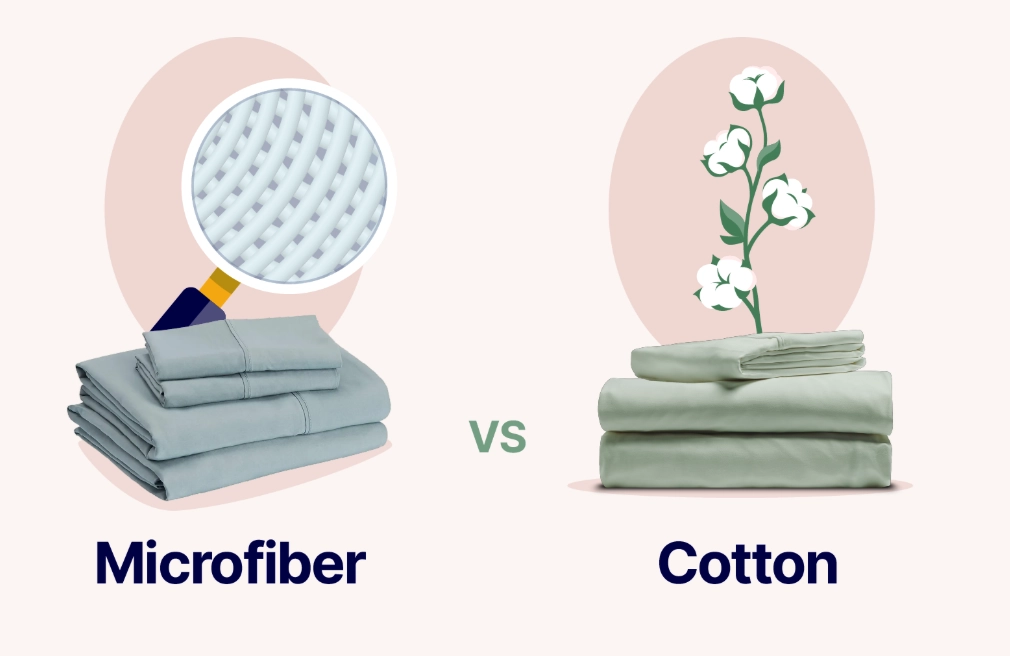
Expert Tips for Buying and Caring for Your Sheets
Buying Microfiber: Don't Just Grab the Cheapest
Look for a higher GSM (grams per square meter). 90-120 GSM is standard, but 130+ GSM will feel more substantial and less flimsy. "Brushed" microfiber is softer than unbrushed.
Buying Cotton: Ignore Thread Count Hype
For percale, aim for 200-400 thread count. For sateen, 300-500. Anything higher is likely multi-ply marketing. The label "100% Supima Cotton" is a more reliable quality indicator than "1000 Thread Count."
Care That Actually Extends Life
For Microfiber: Wash in cold water on a gentle cycle. Use low heat or air dry. High heat can melt the fine fibers and ruin the finish.
For Cotton: Wash in warm or cold water. Tumble dry on low and remove immediately to minimize wrinkles. For the first wash, do it alone in case of dye bleed. To preserve crispness, slightly damp ironing is your friend.
Frequently Asked Questions (From Real Shoppers)
I sleep hot. Will microfiber make me sweat more?
Almost certainly. The synthetic fibers and tight weave inhibit airflow and moisture-wicking. Your body heat and perspiration get trapped between you and the sheet. For hot sleepers, this is the most common reason for dissatisfaction. Opt for a cotton percale or linen instead.
Are there any microfiber sheets that feel like cotton?
Some higher-end microfibers are getting closer, using finer deniers and different brushing techniques to reduce that plasticky feel. However, they still won't replicate the natural breathability and dry hand-feel of cotton. They mimic the softness, not the function. If you want the cotton experience, buy cotton.
Why are my new cotton sheets stiff and scratchy?
This is normal for some high-quality cottons, especially percale! They often have a "sizing" or starch applied during manufacturing to make them look crisp in the package. Wash them 2-3 times before judging. Each wash softens the fibers naturally. If they're still scratchy after that, you likely have a low-quality, short-staple cotton.
 Is a cotton-polyester blend a good middle ground?
It can be, but it's a compromise, not a best-of-both-worlds. The polyester adds wrinkle resistance and lowers the cost, but it also reduces the breathability of the cotton. You get a sheet that's easier to care for than pure cotton but cooler than pure microfiber. It's a practical choice for everyday use on a moderate budget.
How often should I replace my sheets?
Don't go by a fixed timeline. Replace them when they show signs of wear: thinning fabric, persistent stains, pilling that doesn't come off, or loss of elasticity in the fitted sheet. A good cotton set can last 5-10 years with weekly washing. Microfiber might show less wear but can degrade in feel (get slick or pilly) in 2-4 years of heavy use.
The bottom line isn't about which is objectively better. It's about which is better for you, tonight. Match the material to your body's thermostat, your morning routine, and your wallet. Now you have the tools to do more than just guess.