Let's cut to the chase. You're not looking for a fabric that just looks good for a season. You need something that can survive the real world—a house full of kids and dogs, a busy office lobby, a restaurant that sees hundreds of customers a week. The term "heavy-duty upholstery fabric" gets thrown around a lot, but what does it actually mean? It's not just about being thick. True durability is a combination of three things: abrasion resistance (how well it resists wear from friction), tensile and tear strength (how hard it is to rip or stretch out of shape), and ease of maintenance (can you clean a juice spill before it becomes a permanent stain?). Getting this wrong is expensive and frustrating. I've seen clients invest in a beautiful sofa only to watch it fray at the corners in a year because they chose a delicate fabric for a high-traffic room.
Your Quick Fabric Guide
What Makes a Fabric "Heavy-Duty"? (Hint: It's a Number)
Forget vague marketing terms. In the industry, durability is measured. The gold standard is the Wyzenbeek or Martindale abrasion test. It literally rubs a piece of fabric back and forth (or in a figure-eight) until it shows wear. The result is a number of "double rubs."
Here's how to decode it:
- 15,000+ double rubs (Residential Heavy Duty): Good for everyday family furniture. Think: your main living room sofa.
- 30,000+ double rubs (Commercial Light Duty): Suitable for offices, waiting rooms, or low-traffic hospitality.
- 100,000+ double rubs (Commercial Heavy Duty): This is the serious stuff. Made for airports, hospitals, stadiums, and restaurants. It's engineered to last for years under constant use.
A common mistake? Assuming a 100,000-rub fabric is always the best choice for a home. Often, it's overkill and can feel stiff or less comfortable. The goal is to match the number to your life, not just chase the highest score.
The Top Contenders for Heavy-Duty Upholstery
Not all durable fabrics are created equal. They have different personalities, feels, and best-use cases. Let's break down the champions.
1. Performance Fabrics (Crypton, Sunbrella, Revolution)
This is where fabric technology shines. These are typically synthetic blends (polyester, nylon, olefin) engineered at the fiber level. They have a built-in barrier that repels liquids, stains, and even bacteria. I specify Crypton a lot for families with young kids or pets. The spill literally beads up on the surface, giving you time to wipe it away. They're not always the plushest to the touch, but newer generations have gotten much softer. The real win is the peace of mind.
2. Tightly Woven Natural Fibers: Canvas, Duck, & Crypton Velvet
Don't write off natural fibers. A tightly woven cotton canvas or duck cloth can be incredibly tough. It's the denim jeans of the upholstery world—it gets more character with age. The key is the weave density. Look for a high thread count and a tight, plain or twill weave. It's breathable and has a casual, textured look.
And yes, velvet can be tough. Traditional velvets are a no-go, but crypton velvet or other "performance velvets" are game-changers. They offer that luxurious, soft-nap feel but are treated to resist stains and have a high rub count. Perfect for when you want durability without sacrificing a cozy aesthetic.
3. Leather & High-Quality Faux Leather
Genuine top-grain leather is a classic for a reason. It doesn't snag, it's easy to clean, and minor scratches can add to its patina. However, not all leather is equal. Avoid thin, corrected-grain leathers. You want a full-aniline or semi-aniline finish for the best wear. The downside? It can be hot, cold, and expensive.
Modern faux leathers (polyurethane/PU or vinyl) have come a long way. The best ones are multi-layered, breathable, and have impressive abrasion ratings. They're a fantastic, often more affordable, option for commercial settings or homes with extreme mess potential. Just avoid the cheap, plasticky versions—they crack.
| Fabric Type | Best For | Abrasion (Double Rubs) | Key Strength | Watch Out For |
|---|---|---|---|---|
| Performance Fabric (e.g., Crypton) | Families with kids/pets, Hospitality, Healthcare | 50,000 - 100,000+ | Superior stain & moisture resistance | Can feel less "natural," may have a chemical treatment smell initially |
| Tight Weave Cotton Canvas | Casual living rooms, Sunrooms, Durable accent chairs | 15,000 - 30,000+ | Breathable, natural, develops a good patina | Can fade in direct sun, not inherently stain-proof |
| Top Grain Leather | Home offices, Executive seating, Classic living rooms | 100,000+ (when high quality) | Easy to wipe clean, ages beautifully, strong | Expensive, can be damaged by claws/pet nails, temperature sensitive |
| Commercial-Grade Faux Leather | Restaurants, Bars, High-traffic commercial, Modern homes | 100,000+ | Extremely durable, consistent color/ texture, often less costly than leather | Cheap versions crack and peel, can feel less breathable |
| Crypton Velvet / Performance Velvet | Luxury residential, Hotel rooms, Where softness is key | 30,000 - 75,000+ | Combines soft texture with high performance | The nap can show wear patterns (crushing) if not rotated/brushed |
How to Choose the Right Durable Fabric for Your Project
Armed with the facts, how do you decide? It's a three-step checklist.
1. Audit Your Use Case (Be Brutally Honest):
Is this for a family room where the dog claims the left cushion every night? That's a performance fabric or a tough faux leather. Is it for a formal sitting room used twice a year? You can afford to be more lenient. For a cafe, you need commercial-grade everything—fabric, foam, and frame. Write down the top three abuses the piece will face (spills, claws, sunlight, heavy sitting).
2. Prioritize Your Maintenance Willingness:
Some durable fabrics are low-maintenance (wipe and go). Others, like some natural canvases, might need a professional clean for a big stain. If you're not going to treat spills immediately, a stain-repellent finish is non-negotiable. I tell clients: your fabric's care label should match your lifestyle.
3. Feel It and Test It:
Order swatches. A big one. Don't just look at it. Spill a drop of coffee or water on it. Try to scratch it with a key (discreetly). See how the color looks in your room's light. Does it feel inviting? Durability shouldn't mean discomfort.
Pro Care Tips and Common Mistakes to Avoid
Even the toughest fabric needs proper care. Here's what I see people get wrong most often.
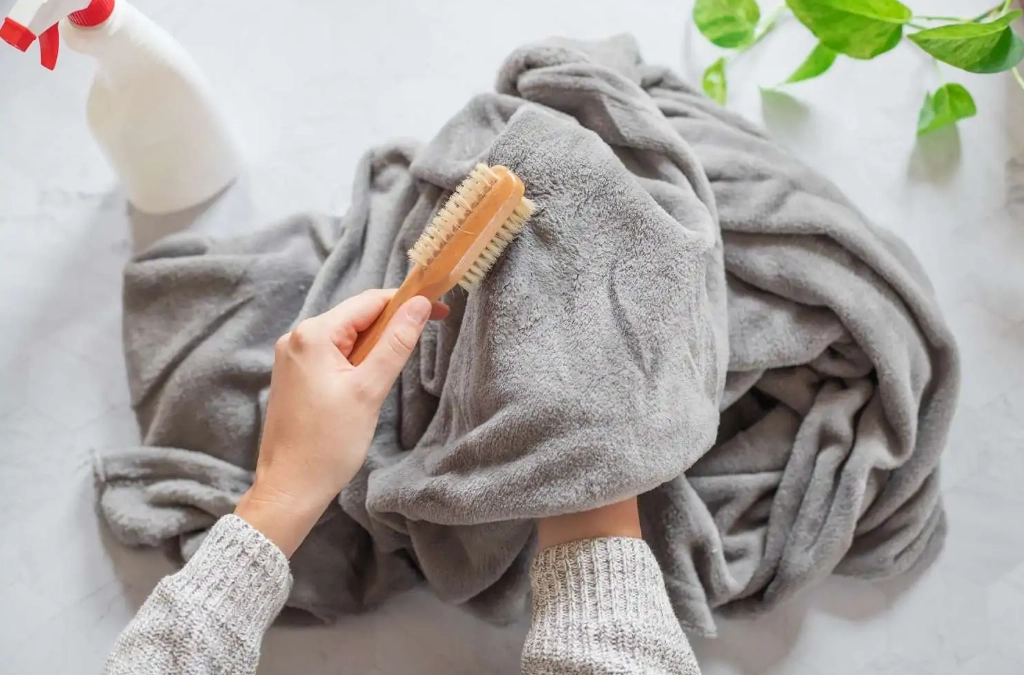
The Vacuum Myth: Thinking upholstery doesn't need regular vacuuming. Dirt and grit act like sandpaper, grinding down fibers every time someone sits down. Use a soft brush attachment weekly.
Over-Wetting Stains: Drenching a stain. It pushes it deeper into the backing and foam, which can cause mold and permanent damage. Always blot, don't rub, and use minimal moisture.
Ignoring the Sun: Direct UV light is a fabric's silent killer. It fades colors and weakens fibers. If the piece is by a window, choose a solution-dyed fabric like Sunbrella (the color is in the fiber, so it's fade-resistant) or use shades.
Using the Wrong Cleaner: That all-purpose spray might be too harsh. Check the manufacturer's label. Most performance fabrics recommend mild soap and water. Using a solvent on a treated fabric can strip its protective coating.
Rotate cushions if possible. It evens out the wear. And for heaven's sake, follow the cleaning codes on the tag (W, S, WS, X). They're there for a reason.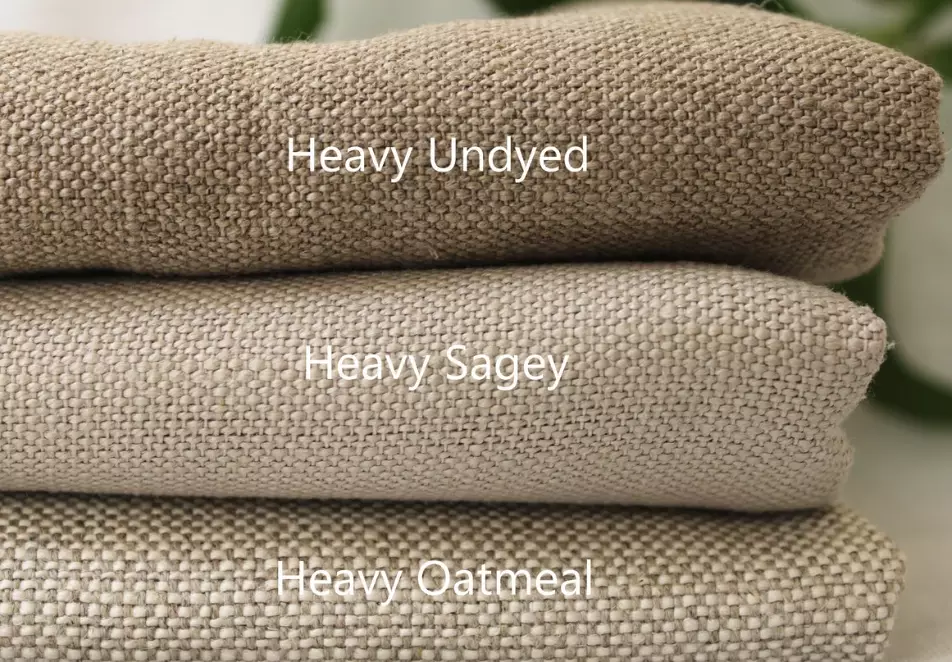
Your Heavy-Duty Fabric Questions, Answered
I have two large dogs that shed and sometimes have muddy paws. Is there any fabric that can truly handle this?
Focus on two things: texture and cleanability. A smooth, tight-weave performance fabric or faux leather is your best bet. The tight weave prevents claws from catching and snagging threads, and the non-porous surface allows you to wipe off mud and hair easily. Avoid loose weaves, nubby textures, or looped constructions (like some bouclés) that claws will destroy. Crypton, Revolution, or a high-quality commercial vinyl are top picks. Leather can work, but be prepared for potential scratch marks.
Are "performance fabrics" like Crypton actually breathable, or will they feel sticky in summer?
Early generations had this reputation, but technology has improved. Modern performance fabrics are engineered with breathability in mind. They work by creating a microscopic barrier at the fiber level that blocks liquids and stains but allows air molecules to pass through. It's not as breathable as a plain cotton, but it's far from a plastic sheet. Ask for a swatch and feel it. The best test is to hold it close to your mouth and breathe through it—you should feel air passing. If you're in a very hot climate, a solution-dyed acrylic like Sunbrella is another great, breathable option designed for outdoor/indoor use.
Can I use a heavy-duty outdoor fabric for indoor upholstery?
Absolutely, and it's a smart hack. Outdoor fabrics (like Sunbrella, Perennials, Outdura) are designed to withstand sun, mildew, and moisture. They are inherently high in abrasion resistance and are often solution-dyed for extreme fade resistance. The feel has gotten much softer. The advantage is you get a supremely durable, easy-to-clean fabric that comes in countless patterns. The potential downside is the hand-feel might be slightly different (more crisp) than a traditional indoor fabric, and they can be more expensive. For a sunroom, kitchen breakfast nook, or a household with extreme mess, they are an excellent choice.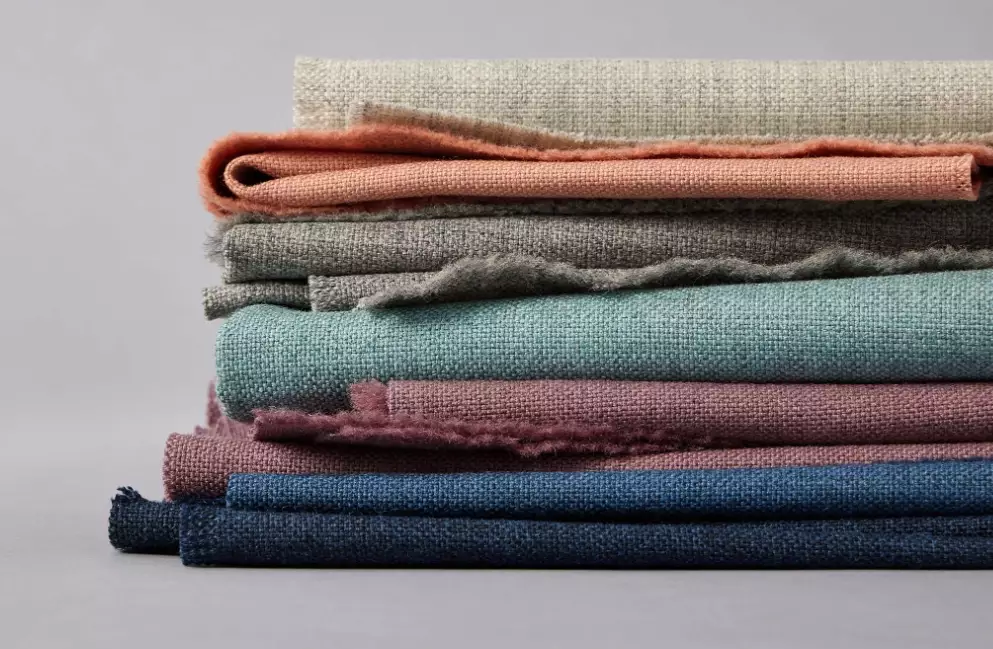
What's the biggest mistake people make when trying to DIY reupholster with a heavy-duty fabric?
Underestimating the physical challenge. Heavy-duty fabrics are often thicker, tighter, and less forgiving than standard decorator fabric. They can be hard to pull taut, difficult to hand-sew, and can dull scissors and sewing machine needles quickly. If you're not experienced, the result can look bunched and unprofessional. My advice: if it's a simple, straight-lined seat cushion, you might manage. For a fully upholstered sofa or chair with curves, welting, and complex patterns, hire a professional. They have the industrial machines and know-how to tension the fabric properly, which is crucial for both looks and longevity.
Is a higher double rub count always better for a commercial setting like a coffee shop?
Not necessarily in isolation. A coffee shop needs fabric that excels at abrasion resistance AND stain resistance (coffee, milk, sugar) AND has some moisture/mildew resistance from spills. A 100,000-rub wool might abrade slowly but could stain permanently from a latte. A 75,000-rub performance fabric with a stellar stain-release rating is often the smarter, more practical choice. Always look at the full technical data sheet, not just the rub count. Fire code ratings (like CAL 117) are also legally mandatory in many commercial spaces—don't overlook that.