Let's be honest, silk feels expensive. That cool, smooth glide against your skin, the subtle sheen that catches the light—it's unlike any other fabric. But have you ever stopped to think about where it actually comes from? It's not grown in a field or synthesized in a lab. It starts with a humble caterpillar. The journey from a silkworm's cocoon to the luxurious fabric in your wardrobe is one of the most fascinating and labor-intensive processes in the textile world. It's called sericulture, and it's been refined over thousands of years. I've visited small farms in Thailand and large-scale operations in China, and the core steps remain remarkably consistent, blending ancient tradition with modern precision.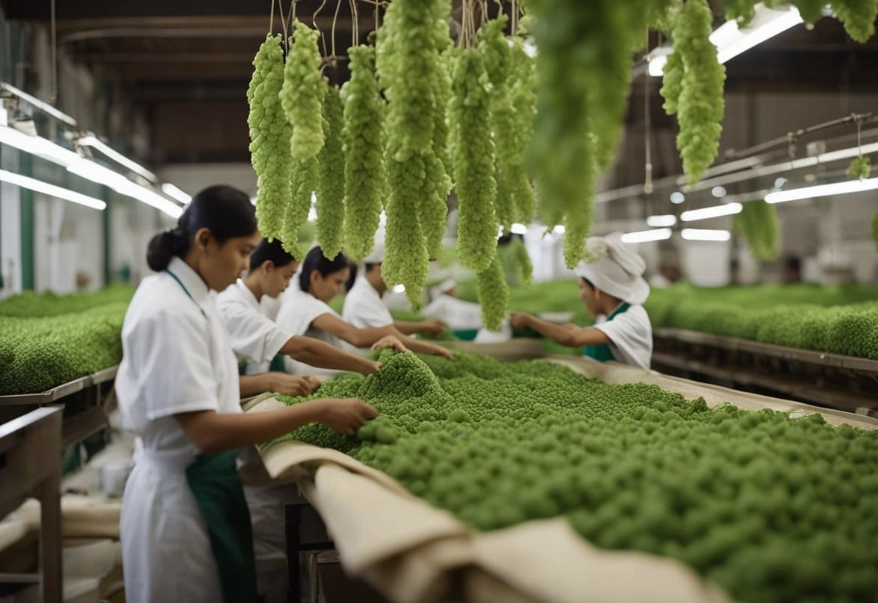
What You'll Discover Inside
The Silkworm Lifecycle: More Than Just a Bug
It all begins with the Bombyx mori moth. This insect has been domesticated for so long it can't even survive in the wild anymore. Its sole purpose, from an evolutionary standpoint, seems to be making the most perfect natural fiber for us. The process kicks off with tiny eggs, which are incubated until they hatch into larvae—what we call silkworms.
For the next 25-30 days, these worms do one thing: eat. And they're picky eaters. They almost exclusively consume fresh mulberry leaves. The quality of the leaf directly impacts the quality of the silk. I've seen farmers meticulously monitor their mulberry groves, knowing that a nutrient-rich leaf produces a stronger, more lustrous filament. The worm will increase its body weight by over 10,000 times during this stage, molting four times.
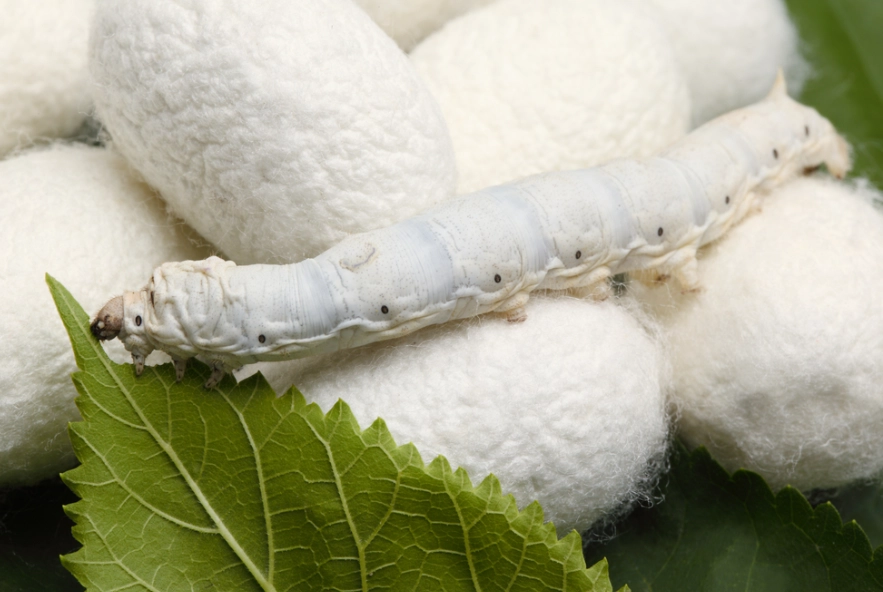
Then, the magic starts. When the worm is ready to pupate, it stops eating and starts secreting a liquid protein from two glands on its head. This liquid hardens into a single, continuous filament upon contact with air. The worm moves its head in a figure-eight pattern, wrapping itself in this filament, which can be between 300 to 900 meters long. In about 2-3 days, it completely encases itself, forming the precious cocoon.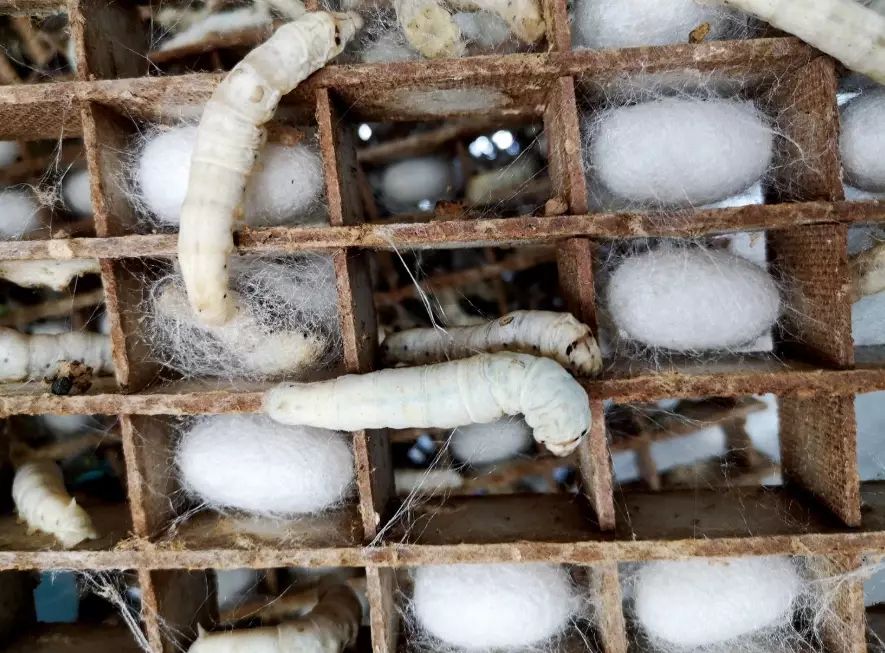
Here's a detail most articles miss: the cocoon isn't just a random ball of thread. It's a complex, layered structure designed to protect the pupa. The outer layers are coarser and gummier (sericin), while the inner layers are the finest, purest silk filament (fibroin). In traditional production, to get that unbroken thread, the pupa inside is stifled before it can mature and secrete an enzyme to cut its way out. This is a key ethical point in modern sericulture discussions.
Reeling the Silk: The Delicate Extraction
This is where the farmer's skill is paramount. The cocoons are first sorted by quality—size, color, texture. Then, they're softened. This is typically done by immersing them in hot water (around 95°C or 203°F). The heat softens the sericin, the natural gum that holds the cocoon together.
Now comes the reeling, or filature. The end of the filament from several cocoons (usually 4-8) is found and carefully wound together onto a large reel. Why multiple filaments? A single silk filament is incredibly fine, too fine to be practically used alone. By combining several, you create a thread strong enough for weaving. This combined thread is called raw silk or reeled silk. It still contains the sericin gum, which gives it a stiff, slightly rough feel.
The reeling process requires constant attention. The operator must monitor the water temperature and ensure the filaments are feeding smoothly without breaking. A single break can ruin the continuity of the entire reel. In some high-end operations, like those producing silk for premium ties, they might use only the finest, longest filaments from the choicest part of the cocoon.
From Thread to Fabric: Weaving the Magic
You now have raw silk thread. It's a long way from being a soft scarf. The next stages transform this industrial-looking thread into the fabric we know.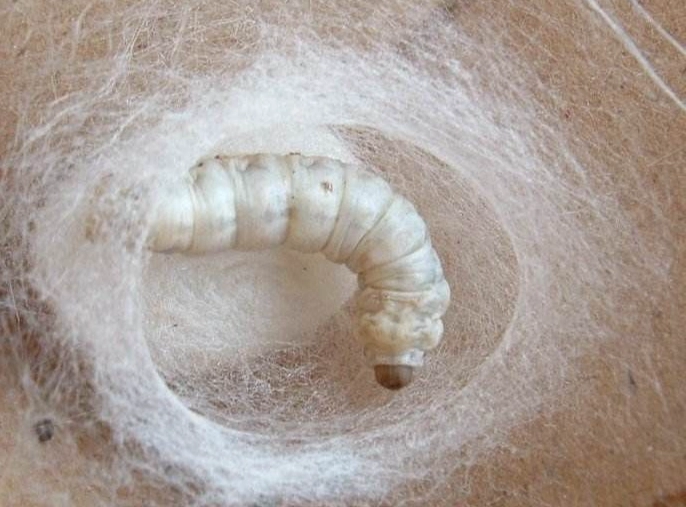
Degumming: The First Softening
The raw silk thread is boiled in a mild soap solution. This process, called degumming, removes the sericin gum. It can remove 20-30% of the thread's weight. What's left is the pure silk fibroin. This is when the silk gains its iconic softness, luster, and drape. The wastewater from this process, rich in sericin, is often reclaimed for use in cosmetics and skincare products.
Dyeing and Finishing
Silk takes dye beautifully. It can be dyed at the thread stage (yarn-dyed) or after the fabric is woven (piece-dyed). The choice affects the final look and feel. After dyeing, the fabric goes through various finishing processes. It might be calendared (pressed between hot rollers) for a smoother surface, or weighted with metallic salts (a controversial practice that adds heft but can weaken the fabric over time). A good quality silk won't be heavily weighted.
Finally, it's woven. The two most common weaves are charmeuse (shiny on one side, dull on the other) and habotai or china silk (a plain, lightweight weave). The weave pattern is what gives silk its final character.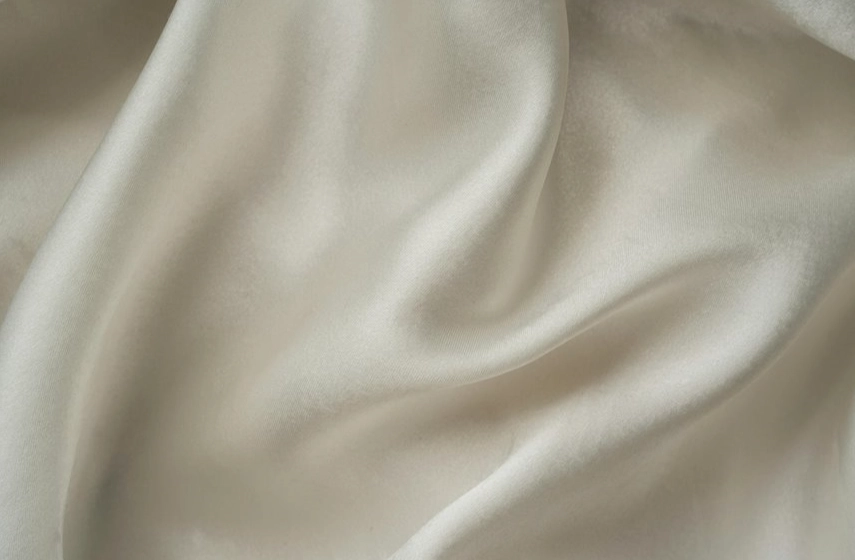
Not All Silk is Created Equal
Walk into a fabric store, and you'll see many labels. Here’s what they really mean.
| Type of Silk | Source & Key Characteristic | Best Used For | Texture & Feel |
|---|---|---|---|
| Mulberry Silk | From Bombyx mori fed only white mulberry leaves. The gold standard. | Luxury apparel, bedding, fine lingerie. | Exceptionally smooth, uniform, with a bright, long-lasting luster. |
| Tussah (or Tussar) Silk | From wild silkworms that feed on oak and juniper leaves. | Ethnic wear, suits, home decor with a natural look. | Coarser, stronger, with a natural ivory, tan, or brown color and a textured, slubbed surface. |
| Eri Silk ("Peace Silk") | From a domesticated worm where the moth is allowed to emerge, leaving an open-ended cocoon. | Shawls, wraps, winter wear. | Warm, wool-like feel, matte finish. The fibers are spun, not reeled. |
| Muga Silk | A wild silk from Assam, India, known for its natural golden-yellow hue. | Traditional Indian sarees and special occasion wear. | Extremely durable with a distinctive natural golden sheen that improves with washing. |
That "raw silk" you see advertised? It usually means it's less processed, with some sericin left in, giving it a nubby, rustic texture. It's not necessarily higher quality—just a different aesthetic.
Caring for Your Silk: Expert Tips
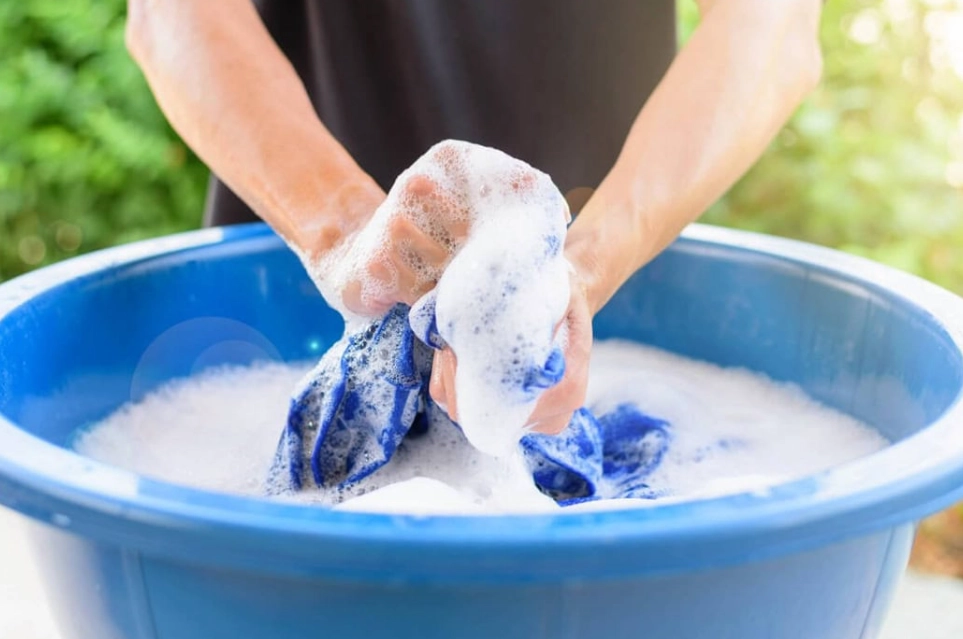
You've invested in silk. Don't ruin it with poor care. The "dry clean only" label is often a blanket warning, but many silks can be hand-washed safely if you're careful.
First, check the colorfastness. Dab a hidden spot with water. If color bleeds, stick to dry cleaning. If it's stable, use lukewarm water and a specialist silk wash or a mild, pH-neutral shampoo. Never use regular detergent or alkaline soap; they'll strip the fibers. Gently swish for a few minutes, don't rub or wring. Rinse thoroughly in water of the same temperature.
To dry, roll the item in a clean towel to absorb excess water, then lay it flat on a drying rack away from direct sunlight. Iron on the lowest setting while the fabric is still slightly damp, using a pressing cloth. Store it folded, not on a hanger, to prevent stretching.
A common mistake? Using a steamer on a water-spot. Silk shows water marks easily. If you get one, the best fix is to lightly dampen the entire garment evenly and let it dry flat—the spot will vanish.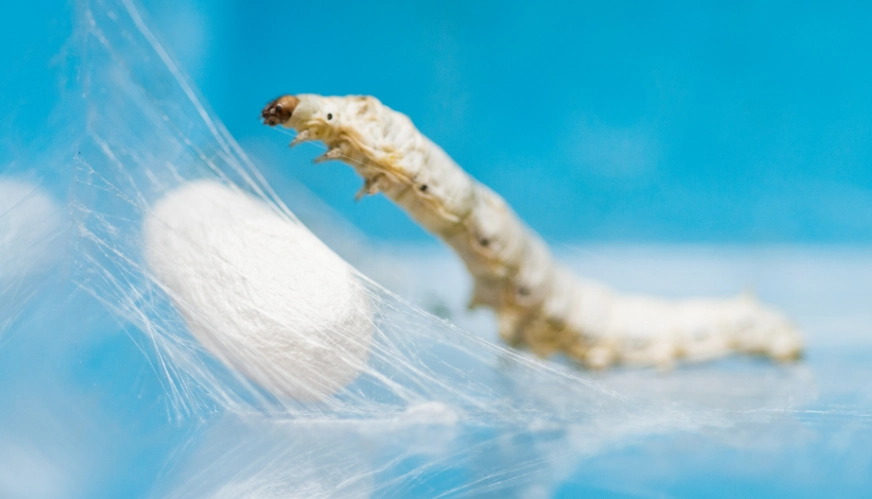
Your Silk Questions, Answered
 Why is genuine silk so expensive compared to other fabrics?