Let's cut to the chase. You've seen "modal" on clothing tags, probably felt its silky softness, and wondered what makes it different from cotton or regular rayon. Is it just marketing fluff, or is there something special about this fabric? I've worked with textiles for over a decade, and I can tell you modal isn't a gimmick. It's a specific type of rayon with a production process that gives it unique properties, sitting in a sweet spot between natural comfort and engineered performance. This guide will strip away the confusion and give you the straight facts on what modal fabric is, why you might want it in your wardrobe, and how to make it last.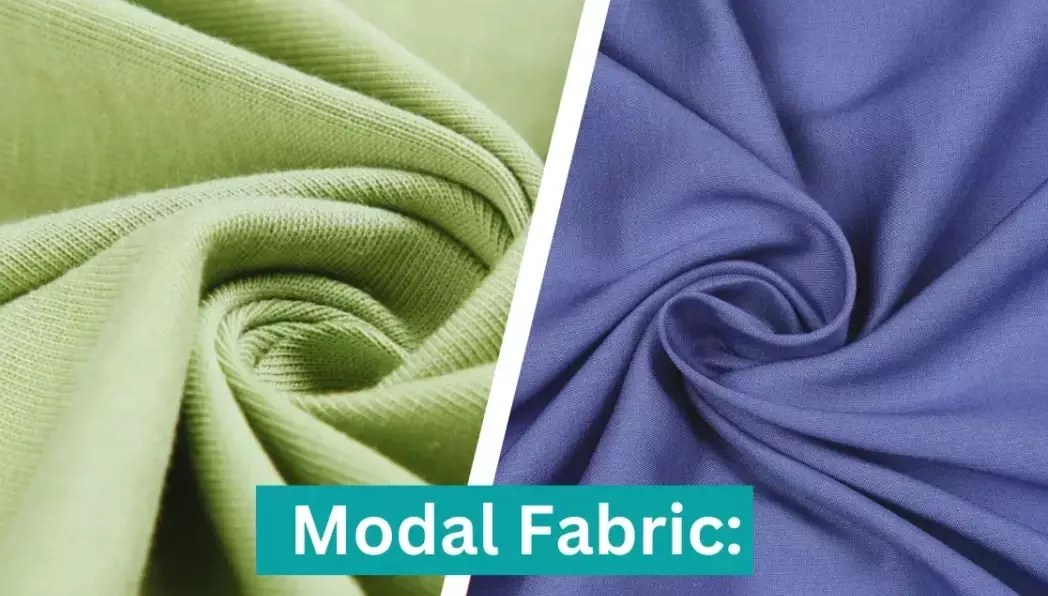
What You'll Learn
What Exactly Is Modal Fabric?
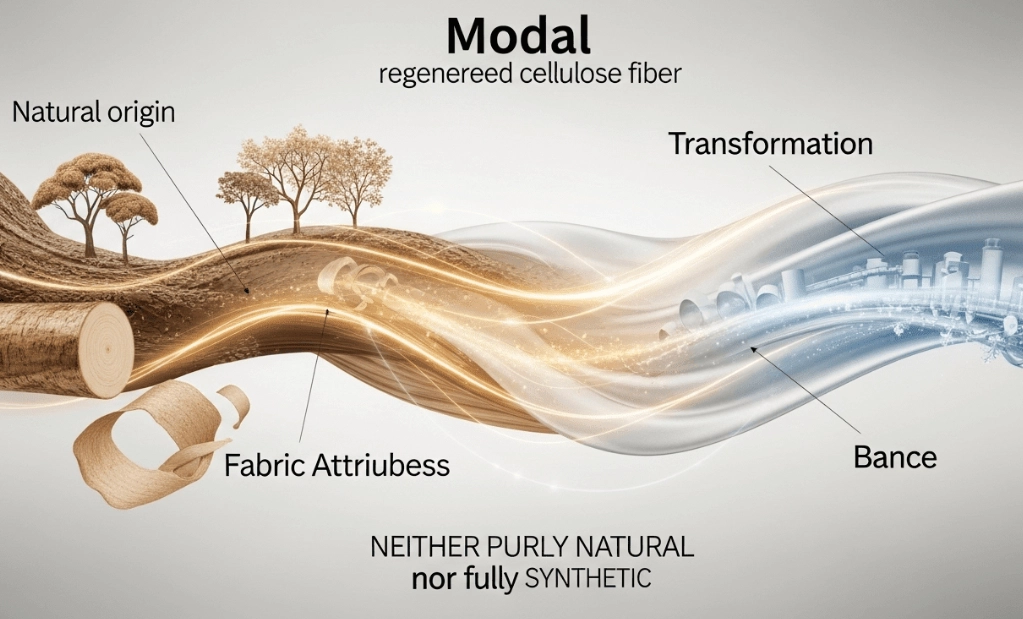
At its core, modal is a type of semi-synthetic cellulose fiber. That's a fancy way of saying it starts with a natural material (wood pulp, usually from beech trees) but undergoes a significant chemical process to become a usable fiber. It belongs to the rayon family, which includes viscose and lyocell (Tencel).
The key lies in how it's made. The process, developed by the Austrian company Lenzing AG (a major player you'll hear about), is more refined than standard viscose rayon. The wood pulp is broken down, dissolved, and then forced through tiny holes (spinnerets) to create fibers. Modal undergoes additional processing steps that result in longer, more consistent fibers compared to regular viscose. This structural difference is what gives modal its superior strength, softness, and drape.
Quick Fact: Not all modal is created equal. Lenzing Modal is a branded version that often comes from sustainably managed beech forests and uses a more closed-loop production process, recovering and reusing a high percentage of chemicals. If sustainability is a priority, looking for the "Lenzing Modal" tag is a good move.
So, it's not a natural fiber like cotton or wool, but it's also not a fully synthetic petroleum-based plastic like polyester. It's a hybrid, and that hybrid nature is its superpower.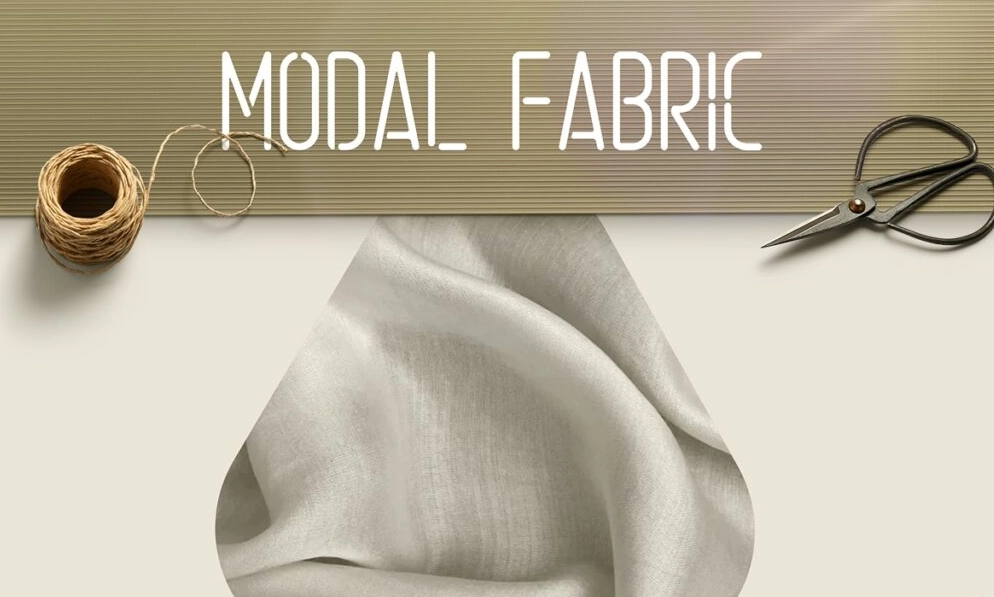
The Top Benefits of Choosing Modal
Why would you pick a modal t-shirt over a cotton one? The advantages are tangible, especially for certain types of clothing.
Breathability and Moisture-Wicking
This is modal's killer feature. The fibers are excellent at absorbing moisture—way better than polyester and even slightly better than cotton, according to some tests. It can absorb up to 50% more moisture than cotton without feeling wet. It pulls sweat away from your skin and allows it to evaporate quickly. For activewear, underwear, or bed sheets in a warm climate, this is a game-changer. You stay drier and more comfortable.
Incredible Softness (That Lasts)
Modal is famously soft, often described as having a silk-like or cashmere-like hand feel. But here's the expert nuance everyone misses: its softness is more durable than cotton's. A high-quality cotton tee gets soft after many washes, but it can also thin out and develop a pilly, worn texture. Modal starts soft and tends to stay smooth and supple wash after wash because of those longer, stronger fibers. It resists pilling much better.
Superior Drape and Color Retention
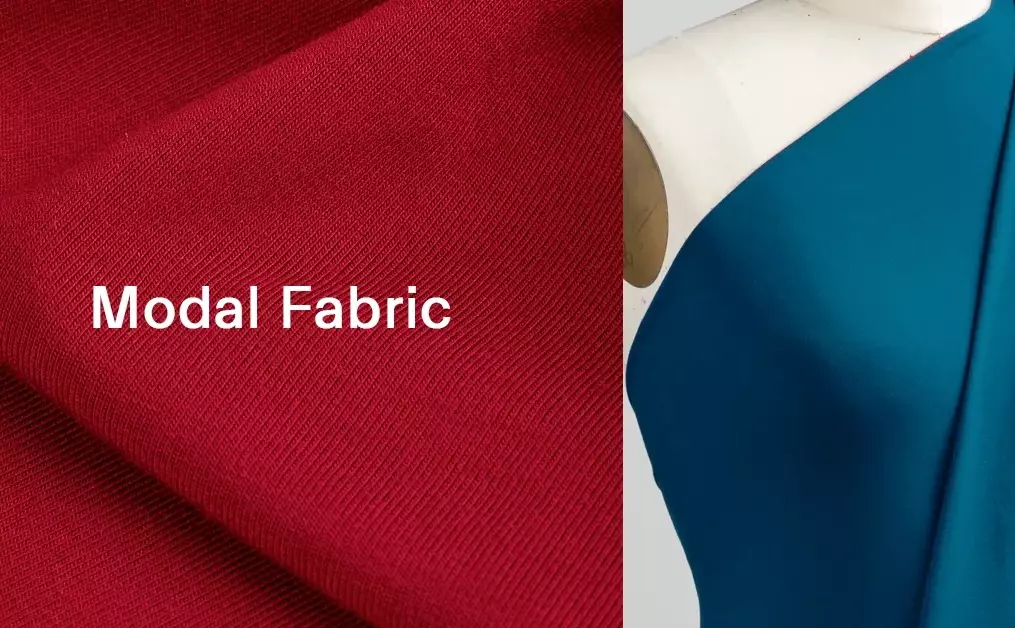
The fibers are fine and fluid, giving modal garments a beautiful, flowing drape. They hang well on the body, avoiding that stiff, boxy look. Furthermore, modal takes dye exceptionally well. Colors look vivid and rich, and they tend to hold their hue through repeated laundering better than many cottons, which can fade more easily.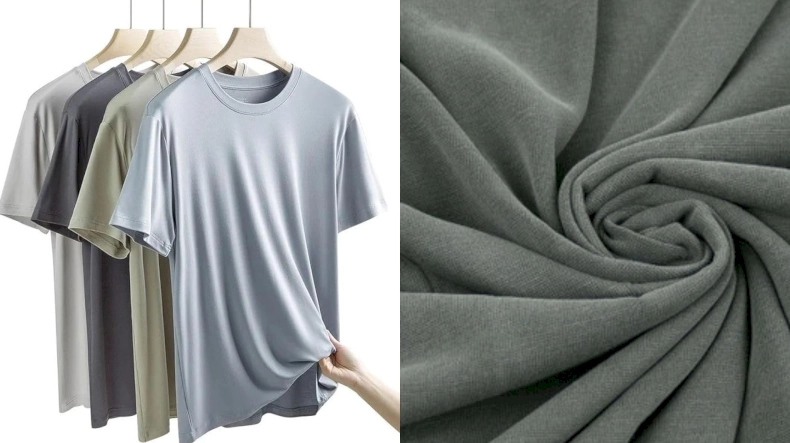
Environmental Edge (With Caveats)
Compared to conventional cotton, which is incredibly water and pesticide-intensive, modal from responsible sources (like Lenzing) has a lower environmental footprint. The beech trees often used don't require irrigation or pesticides. However, this is where you need to be a smart shopper. Generic "modal" without certification might use a less eco-friendly production process. Look for certifications like FSC (Forest Stewardship Council) for the wood pulp or the EU Ecolabel.
It's not perfect—no fabric is—but it's a more sustainable choice than conventional cotton or standard viscose when sourced responsibly.
Where You'll Find Modal: Common Uses
You won't find modal in heavy-duty workwear, but it's perfect for items where comfort against the skin is paramount.
- Underwear & Socks: This is prime modal territory. Its breathability and softness make it ideal for sensitive areas. Brands like Calvin Klein and Tommy John frequently use modal blends for their premium underwear lines.
- T-Shirts & Loungewear: For a super-soft, drapey tee or a cozy set of pajamas, modal or modal-cotton blends are a top choice. It feels luxurious for everyday wear.
- Activewear & Yoga Pants: Often blended with spandex, modal adds softness and moisture management to workout gear. You'll see it in brands focused on comfort-driven performance.
- Bed Linens & Towels: High-end sheet sets sometimes incorporate modal for a cooler, smoother sleep surface. Modal-blend towels can be incredibly absorbent and plush.
- Dresses & Blouses: Its excellent drape makes it a favorite for flowy summer dresses, skirts, and elegant tops.
Modal vs. Cotton, Viscose & Lyocell
Let's clear up the comparisons. This table breaks down the key differences.
| Fabric | Source | Feel & Drape | Strength & Durability | Moisture Management | Key Point |
|---|---|---|---|---|---|
| Modal | Beech tree pulp (semi-synthetic) | Very soft, silky, excellent drape | Stronger than viscose, good durability when wet or dry | Excellent absorption & breathability | The comfort-performance hybrid. Softer and stronger than viscose. |
| Cotton | Cotton plant (natural) | Soft (can vary), can be crisp or brushed | Strong, but weaker when wet. Can pill over time. | Absorbent, but slower to dry than modal. | The classic. Breathable but can hold moisture, feeling damp. |
| Viscose Rayon | Wood pulp (semi-synthetic) | Soft, drapey, but can feel slimy when wet | Weakest of the three, especially when wet. Prone to shrinking. | Absorbent, but less durable. | Modal's less refined cousin. Often cheaper but less durable. |
| Lyocell (Tencel) | Wood pulp (semi-synthetic) | Soft, smooth, cool to the touch | Very strong, both wet and dry. Highly durable. | Exceptional absorption & breathability. | The most high-tech. Uses a more eco-friendly closed-loop process. Often has a slightly cooler, smoother feel than modal. |
My personal take? For everyday basics where softness is key, I reach for modal over standard cotton. For structured items like denim or oxford shirts, cotton still reigns. Lyocell is fantastic but often comes at a higher price point; modal offers a lot of its benefits at a slightly more accessible cost.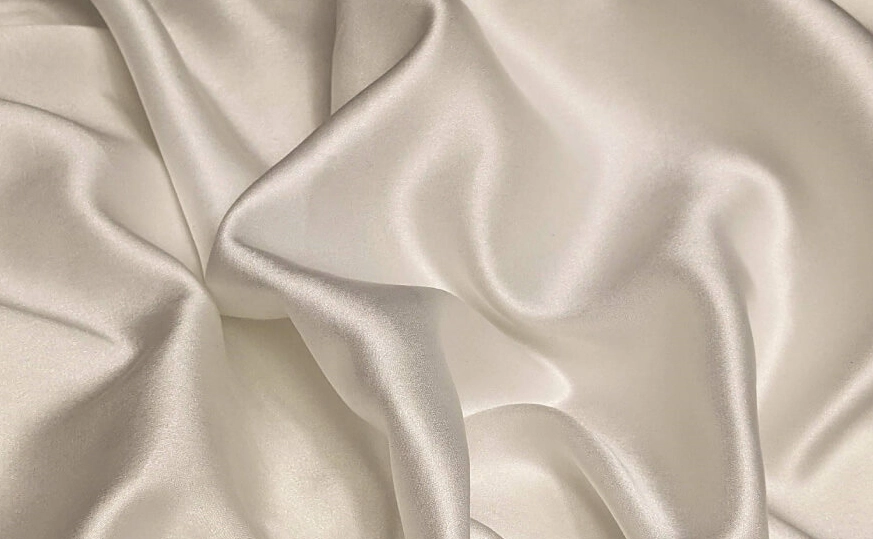
How to Care for Modal Fabric: A Simple Guide
Here's where people mess up. They treat modal like cotton and then wonder why their favorite shirt stretched or shrunk. Modal is stronger than viscose, but it still requires a gentle touch.
- Washing: Always check the label first. Generally, use cold or lukewarm water on a gentle cycle. Turn garments inside out to protect the surface. Avoid harsh detergents with bleach or optical brighteners.
- Drying: This is the most critical step. Never put modal in a high-heat dryer. The high heat can cause severe shrinkage and damage the fibers. The best method is to lay the item flat on a drying rack or towel, reshaping it as it dries. If you must use a dryer, select the lowest heat setting or an air-only (no heat) cycle and remove while still slightly damp.
- Ironing: If needed, iron on a low to medium heat setting. It's often best to iron the garment while it's still slightly damp or use a steam function. Always iron on the reverse side to prevent shine.
I learned this the hard way with a beautiful modal blend sweater. One cycle in a hot dryer, and it went from a medium to a child's size. Air-drying is non-negotiable for modal's longevity.
Your Modal Questions, Answered
 Is modal better than cotton for sensitive skin?
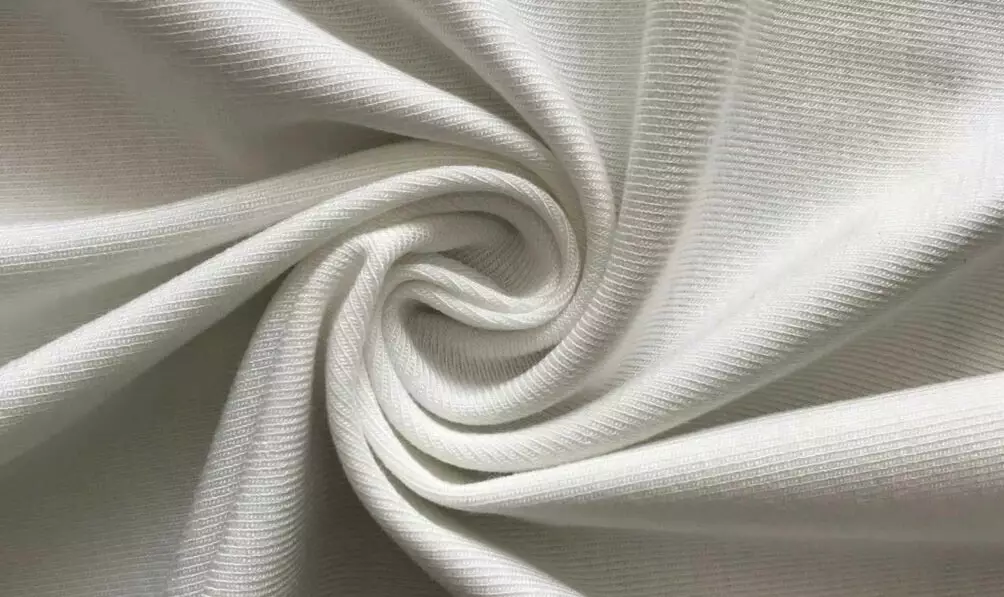 So, what type of fabric is modal? It's a versatile, high-performance semi-synthetic that delivers on its promises of softness, breathability, and comfort. It's not a magic bullet for every clothing need, but for items where you want to feel a touch of luxury against your skin while staying cool and dry, it's a standout choice. Just remember to treat it kindly when washing, and it will reward you with long-lasting comfort.