Let’s cut to the chase. You have a beautiful, soft modal fabric—maybe it’s for a premium t-shirt, athletic wear, or bedding—and you want to put a vibrant, permanent design on it using dye sublimation. You’ve heard it only works on polyester. So, can you sublimate on modal fabric?
The short answer is not on 100% modal, but absolutely yes on modal-polyester blends. The real question isn't a simple yes or no; it's "how do you do it right without ruining the fabric or getting a washed-out print?" I’ve seen too many projects go wrong because someone treated a modal blend like standard polyester. After a decade in custom apparel printing, I’ll walk you through exactly what works, what doesn’t, and the specific steps to get professional results every time.
What You’ll Learn in This Guide
The Science Behind Sublimation and Modal: Why They Clash
To understand the "how," you need the "why." Dye sublimation is a heat-transfer process where solid dye turns into a gas without becoming liquid, then bonds at a molecular level with synthetic polymer fibers. The key player here is the polymer. Polyester is a perfect host—its polymer chains open up under heat, let the gas in, and snap shut around the dye as they cool.
Modal is a type of rayon, a regenerated cellulose fiber made from beechwood pulp (you can read about its production from sources like Lenzing, a leading producer). Cellulose is natural, not synthetic. It has no open polymer chains for sublimation dyes to bond with. Apply heat and pressure with a sublimation paper to 100% modal, and the dye will just sit on the surface or wash right out. It’s like trying to stick a magnet to a piece of wood.
The Blend is Your Best Friend: Finding the Right Mix
This is where most guides stop. They say "use a blend" and move on. That’s not enough. Not all blends are created equal, and the percentage matters more than you think.
A 50/50 modal-polyester blend will sublimate, but the colors will be noticeably less vibrant than on 100% polyester. The cellulose from the modal dilutes the dye reception. For commercial-quality, photo-realistic vibrancy, you need the polyester to be the dominant fiber. My recommended sweet spot is a minimum of 60% polyester, with 40% or less modal. A 70/30 or 80/20 poly-modal blend is ideal—it retains a significant amount of modal’s softness and drape while giving the dye enough synthetic fiber to create a brilliant, durable print.
| Fabric Composition | Sublimation Viability | Expected Color Vibrancy | Final Hand Feel |
|---|---|---|---|
| 100% Modal | Poor (Dye will not bond) | Very Faint / Washes Out | Exceptionally Soft |
| 50% Modal / 50% Polyester | Fair | Muted, Pastel-like | Soft, slightly synthetic |
| 40% Modal / 60% Polyester | Good | Vibrant, but not max saturation | Soft with good drape |
| 30% Modal / 70% Polyester | Excellent | High Vibrancy, Sharp Detail | Soft, slightly more "poly" feel |
| 100% Polyester | Optimal | Maximum Vibrancy | Standard synthetic feel |
Before you buy fabric in bulk, always get a sample swatch and run a test print. The fabric’s weave, finish, and the specific type of modal used can cause subtle variations.
Step-by-Step: How to Successfully Sublimate on Modal Blends
Here’s the exact workflow I use in my shop. Deviating here, especially on heat and time, is the #1 cause of failure.
1. Pre-Press Preparation is Non-Negotiable
Modal-polyester blends are more prone to moisture and wrinkles. You must pre-press the garment or fabric blank at about 270°F (132°C) for 8-10 seconds. This does two critical things: it removes all moisture (which can cause steaming and blurry prints) and sets the fibers, creating a smooth, consistent surface for the transfer. Skipping this step is asking for a ghosted, blurry image.
2. Dialing in the Perfect Heat Press Settings
This is the most common mistake. People use their standard polyester settings (usually 400°F for 45-60 seconds). For modal blends, you often need slightly lower heat and slightly longer time. The cellulose component is more sensitive to high heat. Too hot, and you risk scorching or stiffening the modal fibers, ruining the fabric’s signature hand feel.
My Go-To Starting Point:
Temperature: 385°F - 395°F (196°C - 202°C)
Time: 50 - 65 seconds
Pressure: Medium-Firm (consistent across the platen)
Always use Teflon or silicone sheets on top for even heat distribution and to protect your press.
3. The Post-Press Cool Down
Do not peel the transfer paper while hot. Let the item cool completely to room temperature. This allows the polymer chains in the polyester to fully close and trap the dye. A hot peel can pull dye away from the modal areas, leading to a patchy, uneven print.
Case Study: The High-End Sportswear Line
A client came to me wanting a limited-run yoga wear line. They sourced a gorgeous 65% Polyester / 35% Modal brushed fabric. It was incredibly soft but their first attempts at sublimation resulted in faded colors and a slight stiffening of the fabric.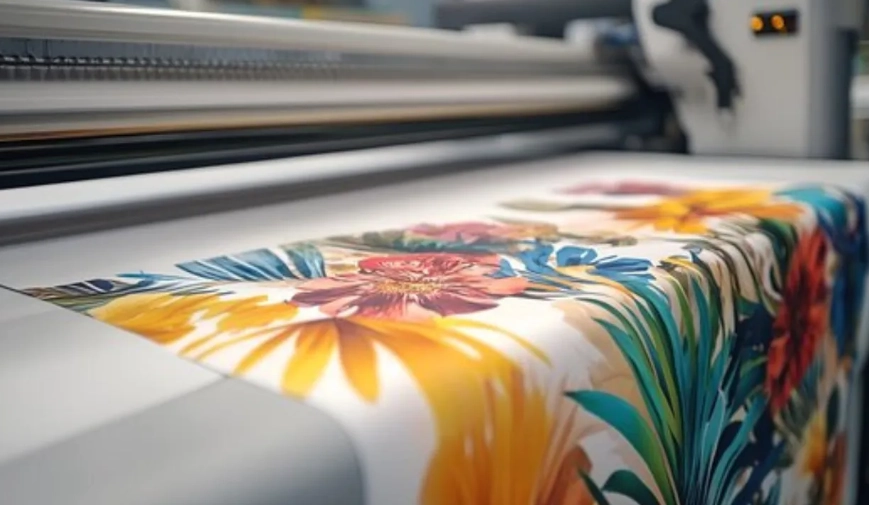
Here’s what we changed:
Their Process: 400°F for 50 seconds, light pressure, no dedicated pre-press.
Our Revised Process: We implemented a strict 10-second pre-press at 270°F. We dropped the sublimation temperature to 390°F and extended the time to 58 seconds with firmer, even pressure. We also switched to a higher-quality, fast-release sublimation paper to minimize dye holdback.
The result? Vibrant, crack-resistant prints that maintained over 95% of the fabric’s original softness. The client’s feedback was that the prints felt "part of the fabric," not on top of it. This is the goal.
How Sublimating on Modal Differs from Other Fabrics
It’s not just "sublimation." Each fabric behaves differently.
Vs. 100% Polyester: Modal blends require more careful heat management to preserve softness. The color yield will be slightly less intense on an equal poly percentage blend, but the trade-off is a vastly superior feel against the skin.
Vs. Cotton (with polyester coating): Sublimation on cotton requires a special polymer coating. Modal blends don’t need this extra coating—the dye bonds directly to the polyester fibers within the blend. This means the print on a modal blend is more breathable and has a softer hand than a print on coated cotton, which can feel plasticky.
Vs. Nylon: Nylon can sublimate but requires different dyes (disperse dyes) and often lower temperatures. Modal-polyester blends use the standard sublimation process, which is more straightforward and accessible for most shops.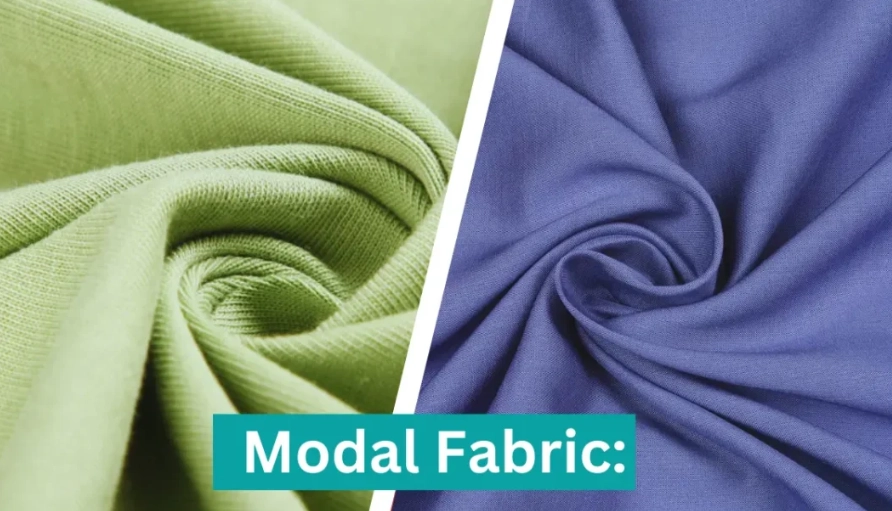
FAQ: Your Sublimation on Modal Questions, Answered
I have a 55% modal, 45% cotton blend shirt. Can I sublimate on it?
No, not with standard dye sublimation. Cotton doesn’t accept sublimation dye. This blend has zero polyester, so there’s nothing for the gas to bond with. You’d need to look at other methods like direct-to-garment (DTG) printing or using a special sublimation coating spray first, which I rarely recommend for blends as it alters the fabric hand feel significantly.
My sublimated design on a modal blend feels stiff after washing. What went wrong?
You almost certainly used too high a temperature or pressed for too long. You’ve essentially "overcooked" the cellulose fibers in the modal, causing them to lose their softness. Next time, reduce your temperature by 10-15 degrees and do a test. Also, wash in cold water and avoid high-heat drying; line dry or tumble dry low to prolong the life and softness of any sublimated garment.
Why are the colors on my modal blend shirt less vibrant than on my 100% polyester sample?
This is normal and directly related to the fabric composition. The modal fibers do not accept dye, so they remain their natural color (usually off-white), creating a translucent, muted effect over the printed areas. To compensate, in your graphic design software, slightly increase the saturation and contrast of your image before printing the transfer. A 10-15% boost can make a big difference in the final output on a blend.
Is there a specific type of modal that works better for sublimation?
Not really from a dye-acceptance standpoint. However, be aware of fabric finishes. Some modal blends have a wicking or anti-microbial finish that can act as a slight barrier to the dye. Always, always test a new fabric lot. Micro-modal, a finer variant, is even more heat-sensitive, so you’d need to be extra cautious with temperature reductions.
Can I use a heat press for shirts, or do I need a calendar for modal fabric?
A standard clamshell or swing-away heat press is perfectly fine for garments and cut pieces. You only need an industrial calendar roll press if you are doing continuous, high-volume printing on bolts of fabric. For most small to medium-sized operations, a good quality flat heat press is the right tool.
 So, can you sublimate on modal fabric? The path is clear: forget pure modal, embrace high-polyester blends, respect the heat sensitivity, and follow a meticulous process. When done correctly, you get the holy grail—durable, vibrant prints on one of the softest, most comfortable fabrics available. It’s worth the extra attention to detail.