You're holding a linen shirt, feeling its crisp texture. You're lying on linen sheets, enjoying their cool touch. It feels expensive, it feels natural. But what is linen fabric made of, really? Most people know it comes from a plant. That's about it. The real story is way more interesting, and it explains why this fabric behaves the way it does – why it wrinkles with such personality, why it gets softer over decades, and why it's having a huge comeback in sustainable fashion and home decor. Let's dig into the plant, the process, and the magic behind linen.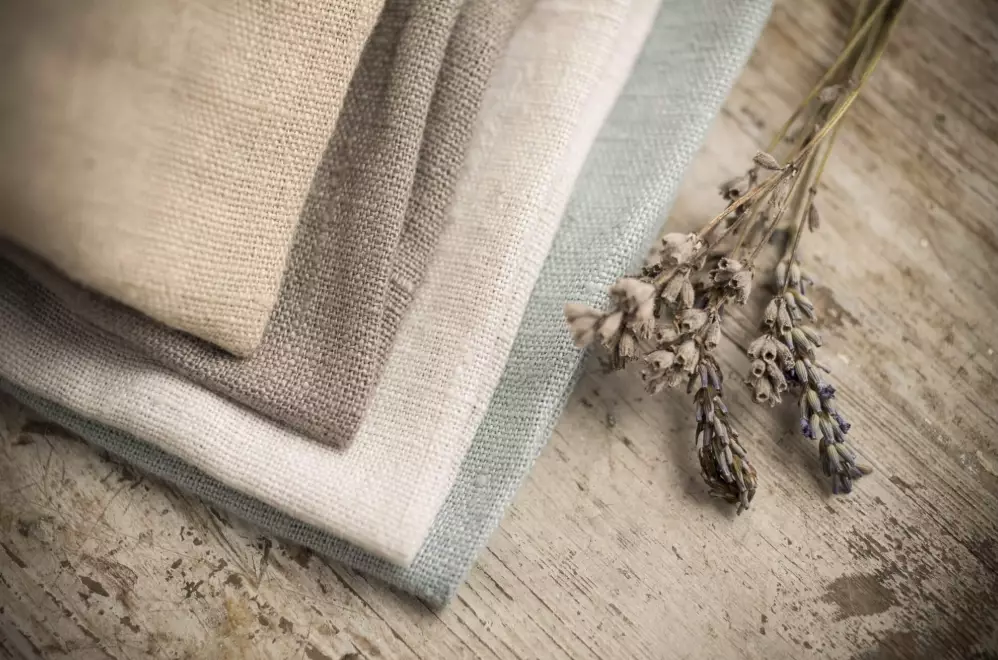
What You'll Find Inside
The One and Only Source: The Flax Plant
Linen comes from one specific plant: Linum usitatissimum. That's flax. Not bamboo, not hemp, not cotton. Flax. It's an ancient crop, grown for both its seeds (linseed, for oil) and its stems (for fiber). The best linen fiber comes from the long, slender stalks.
Think of the stalk like a tiny bundle of straws. Inside those straws are the bast fibers – the long, strong, flexible threads we want. Surrounding them is a woody core and a sticky glue-like substance called pectin. The entire manufacturing process is essentially about carefully breaking down everything *except* those precious bast fibers.
Where it's grown matters. The classic, high-quality linen you imagine often hails from Western Europe – think Belgium, France, and the Netherlands. The climate there (cool, damp) is ideal for growing flax with long, fine fibers. You'll also find great linen from Eastern Europe and China. The terroir, much like wine, influences the fiber's character.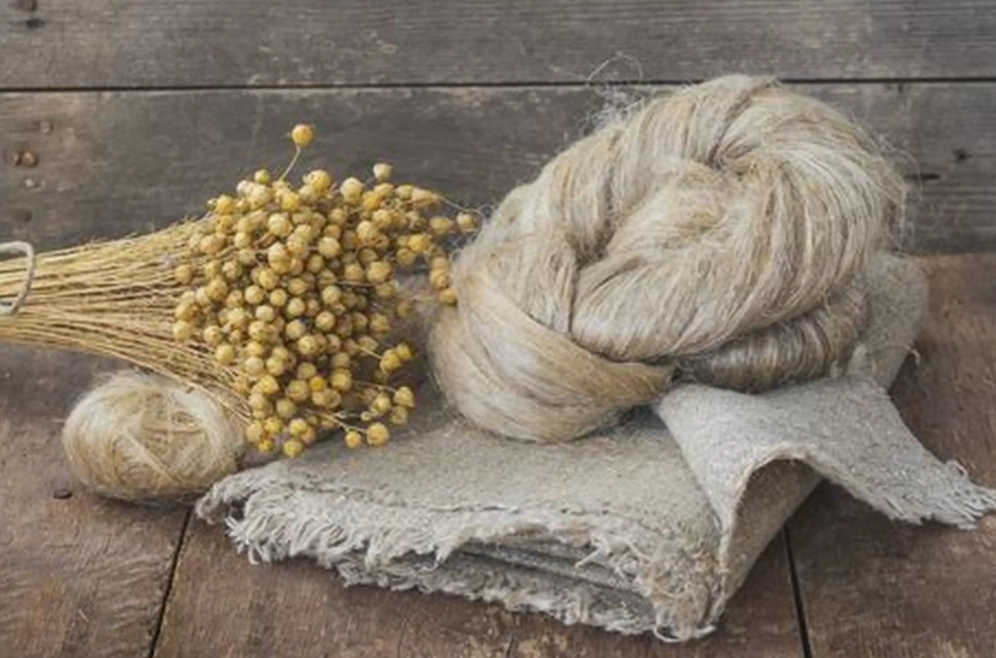
How Linen is Made: A Step-by-Step Journey
Turning a tough, woody plant stem into a soft, breathable fabric is an art form. It's a longer, more labor-intensive process than making cotton, which is a big part of why linen often costs more.
1. Harvesting & Rippling
Flax for linen is pulled from the ground, not cut. This preserves the full length of the fibers in the root. The seed heads are then removed through "rippling."
2. Retting (The Most Critical Step)
This is where the magic starts. Retting breaks down the pectin that glues the fibers to the woody stalk. It can be done in a few ways:
Dew Retting: The stalks are spread on fields for weeks, letting dew, rain, and natural bacteria do the work. This is traditional and produces a characteristic greyish-beige color. It's weather-dependent and can be inconsistent, but many purists love the natural color it yields.
Water Retting: Stalks are soaked in tanks or slow-moving rivers. It's faster and more controlled than dew retting, producing a cleaner, lighter-colored fiber. Environmental concerns about water pollution have made this method less common.
Enzyme or Chemical Retting: Modern, controlled methods using specific enzymes or mild chemicals. This is efficient and consistent, used for large-scale production of uniform, light-colored linen.
3. Breaking, Scutching, and Hackling
After retting, the stalks are dry and brittle. They're passed through rollers to break the woody core. Then, scutching beats the stalks to separate the broken wood (shives) from the fibers. Finally, hackling combs the fibers through beds of sharp pins, aligning the long fibers (line) from the short, fluffy ones (tow). The long line fibers make the finest linen cloth; tow is used for heavier, more rustic fabrics.
4. Spinning & Weaving
The long flax fibers are spun into yarn. Linen yarn is often wet-spun, which helps bind the smooth fibers together for extra strength. This yarn is then woven into fabric. The classic linen weave is plain weave, which showcases the fabric's natural slubs and texture.
Key Properties: Why Linen Feels Like Linen
The plant-based origin and manufacturing process give linen its unique personality. It's not a flawless, synthetic perfection – that's the point.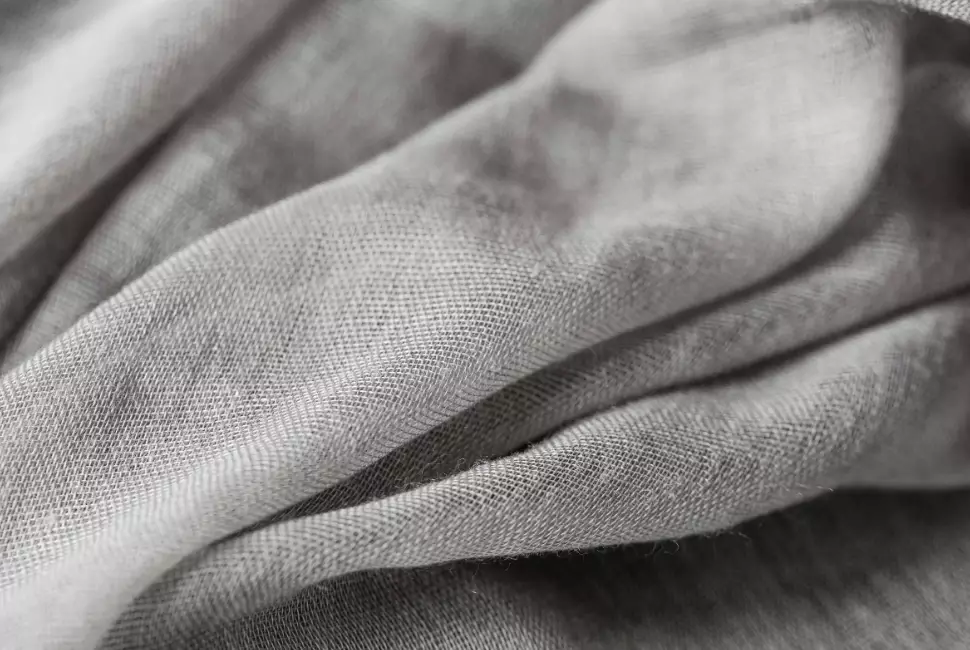
Breathability & Moisture-Wicking: Linen is champion. The hollow fiber structure allows exceptional airflow and absorbs moisture (up to 20% of its weight) without feeling damp. This is why it's cool in summer.
Strength & Durability: Linen fiber is incredibly strong, much stronger than cotton. It gets stronger when wet. A good linen item can last for generations, softening beautifully with each wash.
The Wrinkles: Let's address the elephant in the room. Linen wrinkles. It's not a defect; it's a characteristic of the rigid fiber structure. The creases are part of its relaxed, lived-in charm. A perfectly pressed linen suit looks great, but so does a slightly rumpled linen shirt – it tells a story.
Texture & Slubs: Natural slubs (small, soft knots) are part of authentic linen, evidence of its plant origin. They add visual and tactile interest.
Sustainability: Flax is a low-impact crop. It generally requires less water and pesticides than cotton. Every part of the plant is used (fiber, seeds, oil, leftover stalk), resulting in minimal waste.
Linen vs. Cotton: A Side-by-Side Breakdown
It's the classic natural fiber face-off. Here’s how they stack up for different needs.
| Feature | Linen | Cotton |
|---|---|---|
| Source | Stem of the flax plant | Boll of the cotton plant |
| Feel (New) | Crisp, slightly stiff, textured | Soft, smooth, fluffy |
| Feel (Aged) | Becomes incredibly soft, develops a drape | Stays soft, may pill or thin |
| Breathability | Exceptional. The gold standard for hot weather. | Good, but can feel clammy when damp. |
| Strength | Very strong, stronger when wet. Highly durable. | Strong, but weaker when wet. |
| Moisture Management | Wicks and dries very quickly. | Absorbs well but dries slower. |
| Wrinkling | Wrinkles easily and noticeably. | Wrinkles, but often less severely. |
| Typical Care | Often machine wash cool, tumble dry low. Iron damp. | Easy care, various wash/dry cycles. |
| Environmental Footprint | Generally lower water/pesticide use (flax). | Can be high (conventional cotton); better for organic. |
My take? Cotton is your everyday reliable friend. Linen is your sophisticated, slightly eccentric cousin who shows up looking effortlessly amazing in the heat. For bed sheets, I lean towards linen in summer for the coolness, and high-quality cotton percale the rest of the year.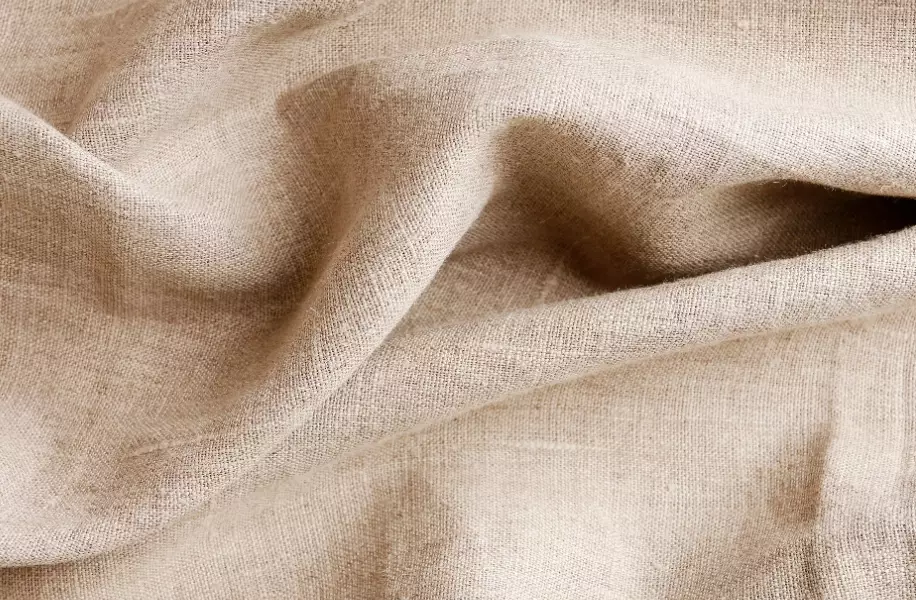
Choosing & Caring for Real Linen
With linen's popularity, you see a lot of "linen-viscon" or "linen-cotton" blends. There's nothing wrong with blends—they can reduce cost and wrinkles—but know what you're buying.
Check the Label: 100% Linen is the real deal. A 55% Linen, 45% Cotton blend will have a different feel and performance.
Embrace the Texture: Real linen has natural irregularities. If it's perfectly smooth and silky, it's probably not pure linen.
Weight Matters: Linen weight is measured in GSM (grams per square meter). A light 150-180 GSM is great for airy shirts and dresses. A 200-250 GSM is medium weight, perfect for pants and structured tops. Heavyweight linen (300+ GSM) is for upholstery and jackets.
Caring for Linen: Wash it. Don't be afraid. Machine wash on a gentle, cool cycle (30°C/86°F is ideal). Use a mild detergent. You can tumble dry on low, but removing it while slightly damp and line drying minimizes wrinkles and is more eco-friendly. Iron it while it's still slightly damp on a medium-to-high heat for a crisp finish. Or, just embrace the wrinkles. They're part of the deal.
A personal tip: I bought a Belgian linen duvet cover years ago. The first year it was crisp. Now, after countless washes, it's as soft as my oldest cotton t-shirt but still cool and breathable. That's the long-term payoff.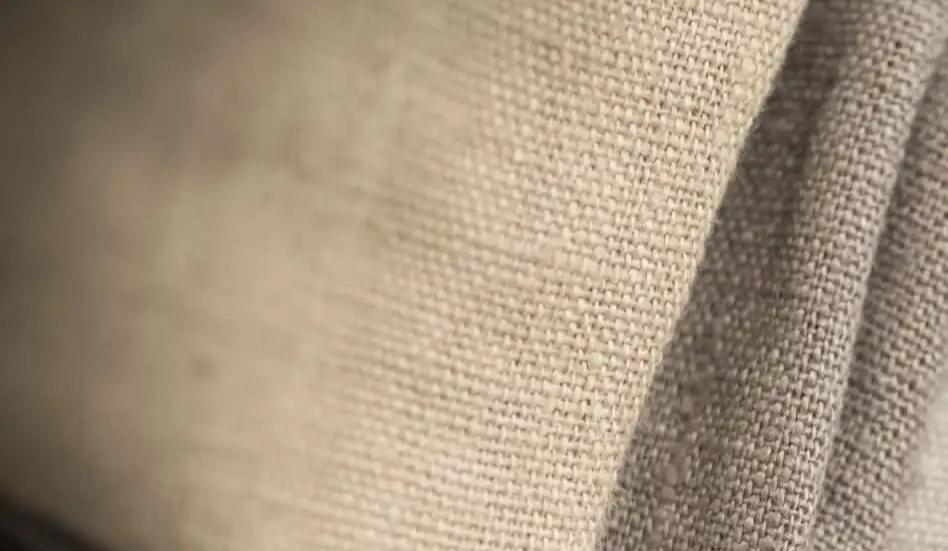
Your Linen Questions, Answered
So, what is linen fabric made of? It's made of patience. It's made of a humble plant transformed through ancient, careful processes. It's not a fabric that tries to be perfect. It's a fabric that gets better with time, telling the story of every wash and wear. That's its real luxury.