Let's be honest, we've all been there. You pull a favorite sweater from the dryer, and it's now fit for a toddler. Or maybe you bought a shirt online that's just a bit too roomy. Knowing how to shrink clothes intentionally—and how to salvage a piece from accidental shrinkage—is a crucial life skill. It's not just about heat; it's a delicate dance with fabric science.
I've been working with textiles for over a decade, and I've seen every mistake in the book. The most common one? Treating all fabrics the same. A method that works miracles on cotton can murder merino wool.
This guide cuts through the noise. We'll cover the science, the step-by-step methods for different materials, and the expert tricks to reverse shrinkage when things go wrong.
What's Inside?
The Truth About Fabric and Shrinkage
Shrinkage isn't magic. It's physics and fiber behavior. Most shrinkage happens because of relaxation and felting.
Relaxation Shrinkage is the big one for plant-based fibers like cotton and linen. During manufacturing, fibers are stretched under tension. When you apply heat and moisture, those fibers relax and return to their natural, shorter state. Think of it like a spring coiling back up.
Felting Shrinkage is what destroys wool sweaters. Animal fibers like wool have scales. Agitation—especially in a hot, soapy wash—causes these scales to lock together permanently. The fabric becomes denser, thicker, and significantly smaller. This is irreversible through normal means.
Synthetics like polyester and nylon are trickier. They're made from plastic polymers and are inherently resistant to shrinkage. To shrink them, you need enough heat to actually alter the polymer structure, which is risky and can melt or damage the garment.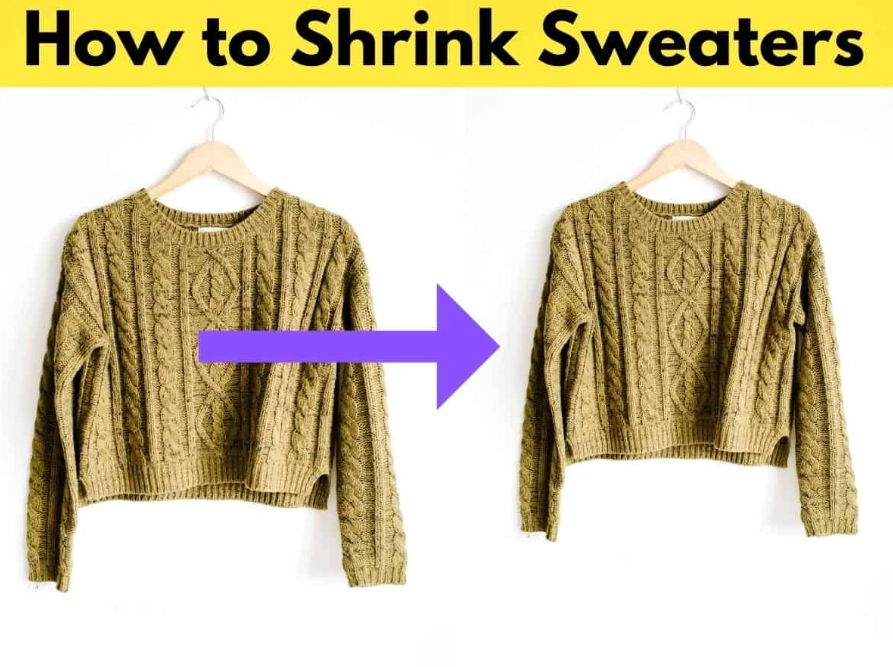
How to Shrink Clothes on Purpose: A Fabric-by-Fabric Guide
Here’s your manual. Follow these steps based on what you're working with.
How to Shrink Cotton, Linen, or Rayon
These are the easiest and most predictable. My go-to method is the washer-and-dryer combo.
First, do a test. Is the garment pre-shrunk? Many mass-produced items are. Try on a small, hidden seam first.
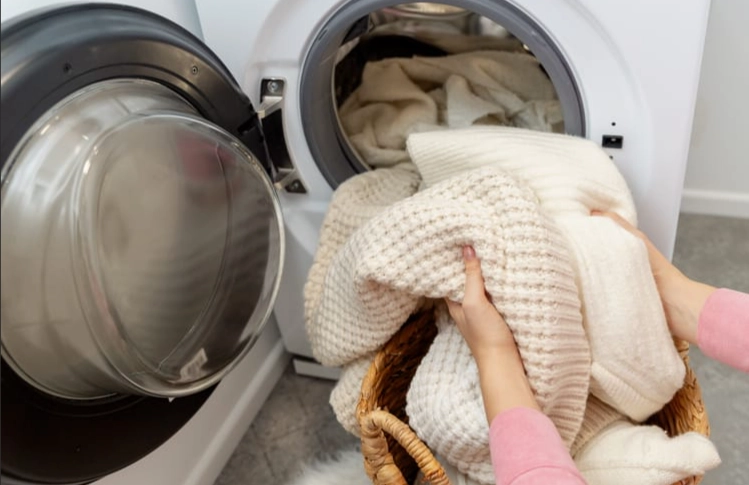
- Set your washing machine to the hottest water setting available. The heat is critical for relaxing those fibers.
- Add a regular detergent. Avoid heavy fabric softeners as they can coat fibers and inhibit shrinkage.
- Run a full cycle. After washing, immediately transfer the item to the dryer.
- Dry on the highest heat setting. Check the garment every 10-15 minutes. Cotton can shrink gradually over multiple cycles, so don't overdo it on the first try. You're aiming for a 3-5% reduction per cycle, not 20% all at once.
- Try it on while it's still warm. If it needs more, repeat the process. If it's perfect, remove it immediately to prevent further heat damage.
For more controlled shrinkage on a specific area—like the body of a shirt but not the sleeves—you can use a steaming kettle or a garment steamer directed at the damp fabric, then manually reshape and air dry.
How to Shrink Wool or Other Animal Fibers
Caution is your best friend here. Wool shrinks via felting, which is a one-way street. You want to encourage mild felting in a controlled way.
My preferred method is the hot water soak, which gives you more control than a machine.
- Fill a basin or clean sink with hot water (not boiling, but as hot as your hands can tolerate).
- Submerge the wool garment. Let it soak for 10-15 minutes, gently pressing it down to ensure it's fully saturated. Do not agitate or wring it.
- Drain the water. Gently press out excess moisture—never twist. Lay the garment flat on a clean towel.
- Here's the key: manually block it to the desired size. Gently stretch and shape it on the towel to the dimensions you want. As it dries, the fibers will tighten slightly. This method offers subtle, controlled shrinkage.
- Let it air dry completely flat, away from direct heat.
How to Shrink Polyester or Synthetic Blends
This is the high-risk category. Pure polyester is designed to resist shrinkage. You need high, sustained heat.
The only somewhat reliable method is using a dryer.
- Wash the garment on a warm or hot setting to loosen the fibers slightly.
- Place it in the dryer on the highest heat setting possible.
- Run it for a full cycle, possibly even two. Check frequently for signs of melting, warping, or a shiny, stiff texture.
Frankly, the results are often disappointing. You might get minimal shrinkage (1-3%), or you might ruin the garment. For a 50/50 cotton-polyester blend, you'll mostly shrink the cotton component, which can sometimes distort the fit.
| Fabric Type | Best Method | Key to Success | Risk Level |
|---|---|---|---|
| Cotton, Linen | Hot Wash + High Heat Dry | Check size frequently during drying | Low |
| Wool, Cashmere | Hot Water Soak + Air Dry Flat | Gentle handling, no agitation | Medium-High |
| Polyester, Nylon | High Heat Dryer Cycle | Constant monitoring for damage | High |
| Rayon, Viscose | Hot Wash + Tumble Dry Low | Can be very delicate when wet | Medium |
Emergency Protocol: How to Unshrink Clothes
So you shrunk it. Don't panic. All is not lost, especially with natural fibers. The goal is to relax the fibers again and stretch them back out before they reset.
The Hair Conditioner Soak (Works for Cotton, Wool, Cashmere):
This is my favorite hack. Hair conditioner contains surfactants that relax the fibers, mimicking the effect of a specialized textile relaxant.
- Fill a basin with lukewarm water. Add a generous glug of basic hair conditioner (about a tablespoon for a sweater). Swirl to mix.
- Submerge the shrunken garment. Let it soak for 30 minutes, gently swishing it around to ensure the conditioner penetrates.
- Drain the water. Without rinsing, gently press out excess moisture. Do not wring.
- Lay the garment flat on a thick, absorbent towel. Roll the towel up like a jelly roll to press out more water.
- Now, the crucial part: gently stretch it back to shape. Lay it on a dry towel and slowly, patiently, tug it back to its original dimensions. Use your hands to reshape sleeves, the body, and the neckline. You might not get 100% back, but you can often recover 75-90%.
- Let it air dry flat. As it dries, you can gently re-stretch it a few times.
For a severely felted wool item, the chances are slim. Some sources, like the International Journal of Clothing Science and Technology, discuss chemical treatments for unfelting, but these are industrial processes. At home, the conditioner soak is your best hope.
The Top 3 Mistakes Everyone Makes (And How to Avoid Them)
After years of fixing other people's laundry disasters, these are the errors I see constantly.
1. Assuming "Hotter is Better." Blasting a delicate wool blend with boiling water is a recipe for instant felting. Always match the heat to the fabric's tolerance. Start milder; you can always add more heat in a second cycle.
2. Ignoring the "Dry Flat" Symbol. That little square with a circle in the middle on your wool sweater's tag isn't a suggestion. It's a warning. Drying knits flat preserves their shape and size. Hanging a heavy, wet sweater will stretch it out lengthwise, creating a new problem.
3. Skipping the Pre-Test. Never run your only perfect shirt through a hot cycle without testing. Check a seam allowance inside a hem. Wash and dry just that small swatch first to see how the fabric reacts. It takes five minutes and can save your favorite garment.
Your Shrinking Questions, Answered
How to shrink a 100% cotton shirt that's too big?
Can you shrink clothes that are 100% polyester?
How to unshrink a cotton shirt that went in the dryer?
Will boiling water shrink clothes more?
How to prevent clothes from shrinking in the first place?