You're about to drop a decent amount of money on new sheets. You see "sateen" and "percale" everywhere, and all the descriptions sound lovely. Silky! Crisp! Luxurious! But which one is actually going to feel right for you? Let's cut through the marketing fluff. The real choice between sateen and percale isn't about which is objectively better—it's about matching a specific fabric personality to your sleep style, your body, and even your mood. I've spent years testing bedding, and I can tell you most people get this wrong because they focus on thread count alone. Spoiler: the weave matters more.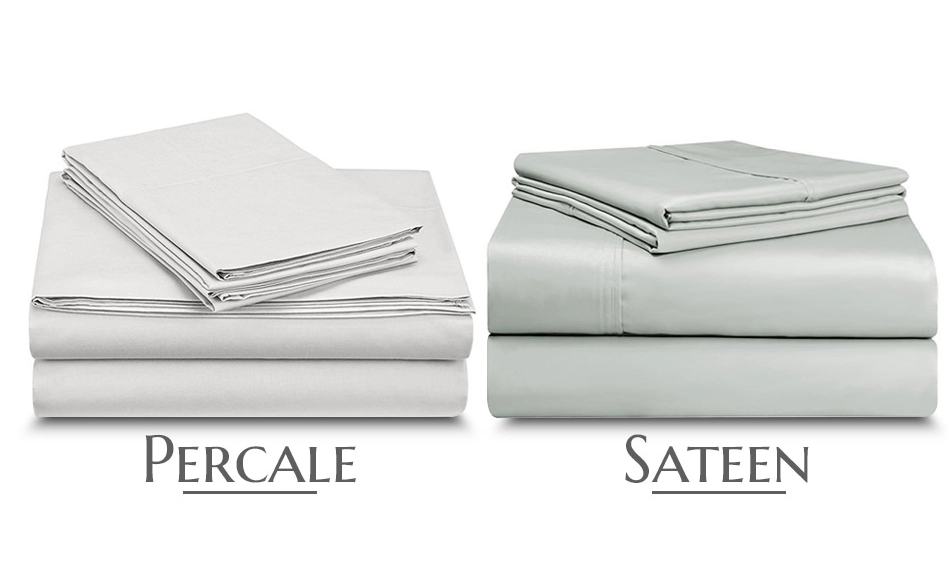
Your Quick Navigation
What is the Actual Difference Between Sateen and Percale?
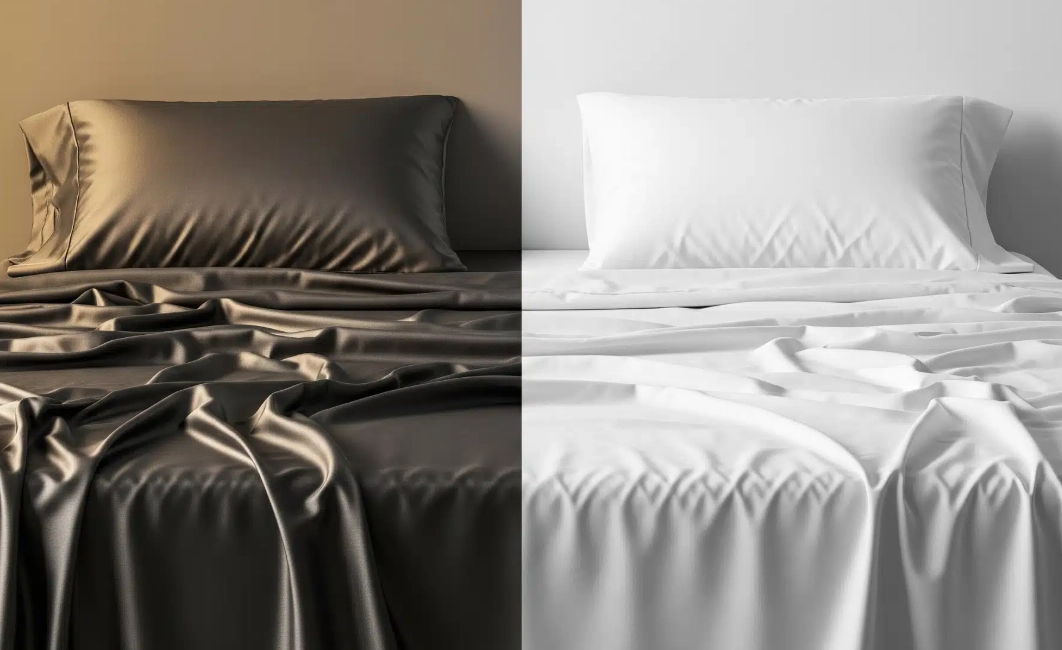
Think of it this way: both are made from threads (warps and wefts), but how they're interlaced changes everything. Percale uses a simple, classic one-over-one-under weave. It's straightforward, like a basic cotton t-shirt. Sateen uses a more complex pattern where one thread (usually the weft) floats over three or four others before going under one. This creates more surface area of that thread on top.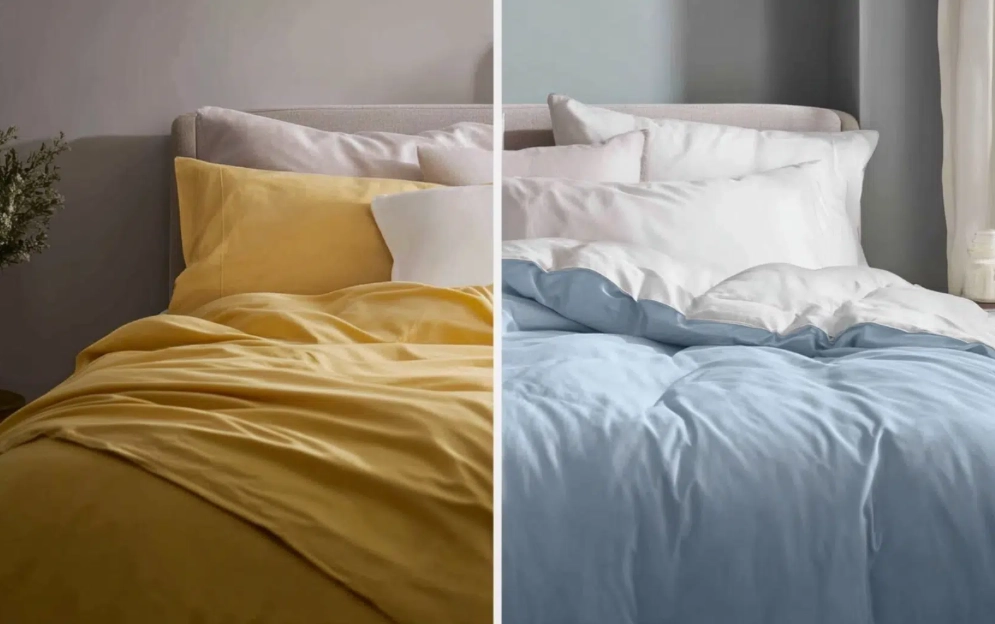
That floating thread is the magic—and the catch. Here’s the breakdown in plain terms.
| Feature | Sateen Weave | Percale Weave |
|---|---|---|
| Primary Feel & Drape | Silky, smooth, lustrous. Has a heavier, more fluid drape that feels luxurious and hugs the body. | Crisp, cool, matte. Feels light, airy, and "papery" fresh, like a well-ironed dress shirt. |
| Temperature Regulation | Warmer. The tighter surface and denser weave trap more body heat. Ideal for cooler climates or people who get chilly. | Cooler. The breathable, open structure promotes airflow. The top choice for hot sleepers or summer months. |
| Durability & Pilling | More prone to pilling and snagging over time. Those long float threads are vulnerable to friction. Requires gentler care. | Generally more durable and resistant to pilling. The tight, even interlock can withstand more frequent washing. |
| Wrinkling | Resists wrinkles naturally due to its smooth surface. Looks neat with minimal effort. | Wrinkles easily, giving that classic "rumpled linen" look. Some love this; if you hate it, you'll be ironing. |
| Common Thread Count Range | Often marketed in higher ranges (300-600). The weave naturally creates a denser feel. | True percale feel is achieved between 200-400. A 200-thread-count percale can feel better than a 500-count sateen. |
I made a mistake early on. I bought a high-thread-count sateen set because it felt "luxurious" in the store. Big error. I'm a hot sleeper. That silky feel turned into a sticky, clingy nightmare by 3 AM. I learned the hard way that the weave dictates your night more than the price tag.
Beyond the Weave: Why Cotton Type is Your Secret Weapon
Everyone obsesses over sateen vs percale, but the type of cotton is the unsung hero. The weave is the personality; the cotton is the soul. You can have a percale made from cheap, short-staple cotton that feels rough, and a sateen made from superior cotton that feels divine.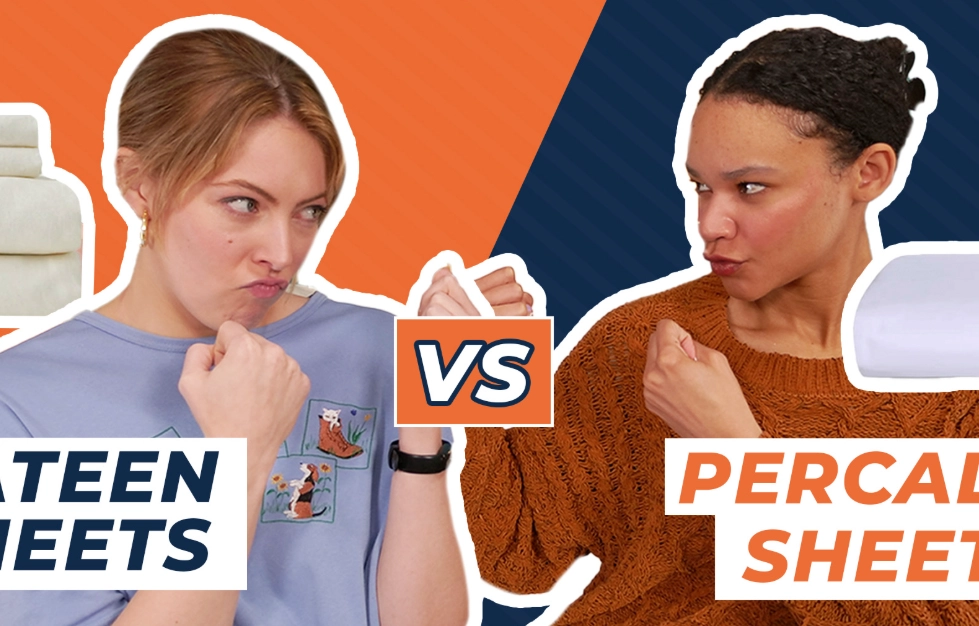
Here’s what to look for on the label:
Egyptian Cotton: Not always from Egypt, but it denotes extra-long staple fibers. This means fewer fiber ends, resulting in stronger, smoother yarns with a sublime softness. Works brilliantly in both weaves for a premium feel.
Pima or Supima® Cotton: American-grown extra-long staple cotton. Comparable to high-grade Egyptian in softness and durability. Supima is a certified trademark ensuring authenticity. A fantastic choice for durability, especially in percale.
Long-Staple Cotton: A good, reliable mid-tier. Softer and more durable than basic cotton, but not as luxe as Egyptian or Pima.
Flannel, Brushed Cotton, etc.: These are finishes or treatments, not weaves. Flannel is usually a percale or plain weave that's been brushed to raise fibers for warmth.
The Non-Consensus View: Most guides won't tell you this, but a mid-range percale made from Pima cotton will often outlast and feel better over time than a high-thread-count sateen made from generic "long-staple" cotton. Durability comes from fiber length, not just weave tightness. Feel the fabric. If it says "Egyptian Cotton" but feels thin or scratchy at a low price, be skeptical. According to the International Cotton Association, true extra-long staple cottons command a premium price for a reason.
How to Choose Between Sateen and Percale: A Step-by-Step Guide
Forget the sales copy. Ask yourself these questions.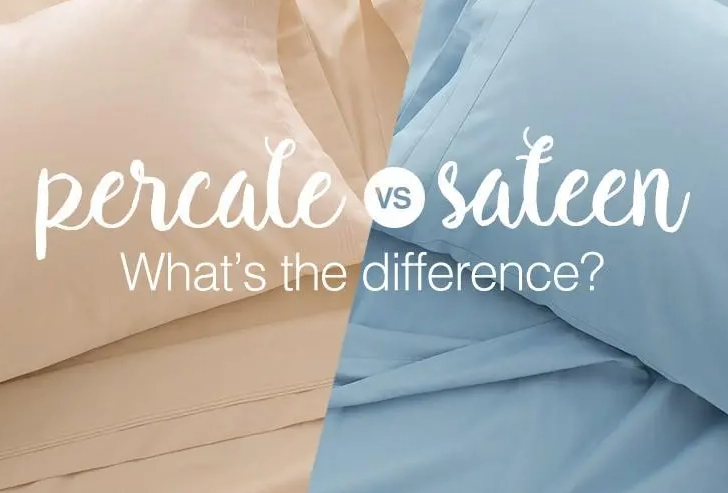
What's Your Sleep Temperature Profile?
This is the biggest deciding factor.
Choose Percale if: You wake up sweating. You stick your feet out from under the covers. You live in a hot, humid climate. The crisp, breathable feel is like constant, gentle air conditioning for your skin.
Choose Sateen if: You're always cold. You need heavy blankets even in spring. You live where winters are harsh. The dense, smooth weave cocoons you in warmth.
What Texture Do You Crave?
This is purely sensory.
Do you love the cool, crisp slide of a hotel sheet? That’s percale. It’s invigorating and clean. It never feels clingy.
Do you want to sink into a buttery-soft, smooth surface? That’s sateen. It’s decadent and cozy. It feels more like traditional "soft" bedding.
How Much Maintenance Are You Willing To Do?
Be honest.
Percale wrinkles. If a neatly made bed is important to you, you might be ironing or steaming. I don't mind the lived-in look, so it's a non-issue for me.
Sateen shows wear differently. It can develop a slight sheen in high-friction areas (like the foot of the bed) over many washes. It's also more prone to snags from rough toenails or pet claws.
My advice? Have both. I use percale from late spring to early fall. When the first chill hits, I switch to sateen. It’s like having a seasonal wardrobe for your bed.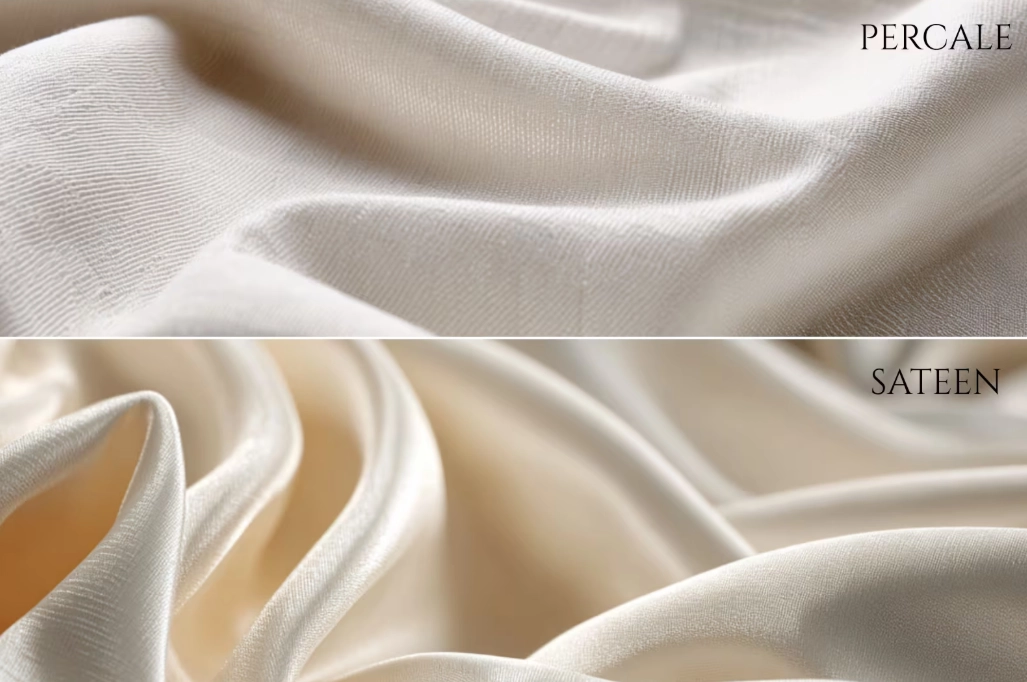
Making Them Last: Care Tips Most People Ignore
You can ruin great sheets in a few washes. Here’s how to avoid that.
- Wash Cool, Tumble Low: Always use cool or warm water, never hot. Hot water breaks down cotton fibers fast. Tumble dry on low heat and remove immediately when dry. Over-drying is the #1 cause of premature wrinkling and fiber damage.
- The Vinegar Trick: Every few washes, add half a cup of white vinegar to the rinse cycle. It naturally softens fibers and breaks down detergent residue without any smell. It’s a game-changer for maintaining softness.
- No Fabric Softener! Seriously, stop. Fabric softener coats fibers in a waxy film that reduces breathability (bad for percale's cooling) and diminishes absorbency. It also accelerates pilling on sateen.
- Rotate Your Sets: Have at least two sets. This gives the elastic and fibers time to rest between uses, extending the life of each by years.
I learned the fabric softener lesson after my favorite percale set started feeling weirdly slick and lost its crisp coolness. A few vinegar washes later, it was back to normal.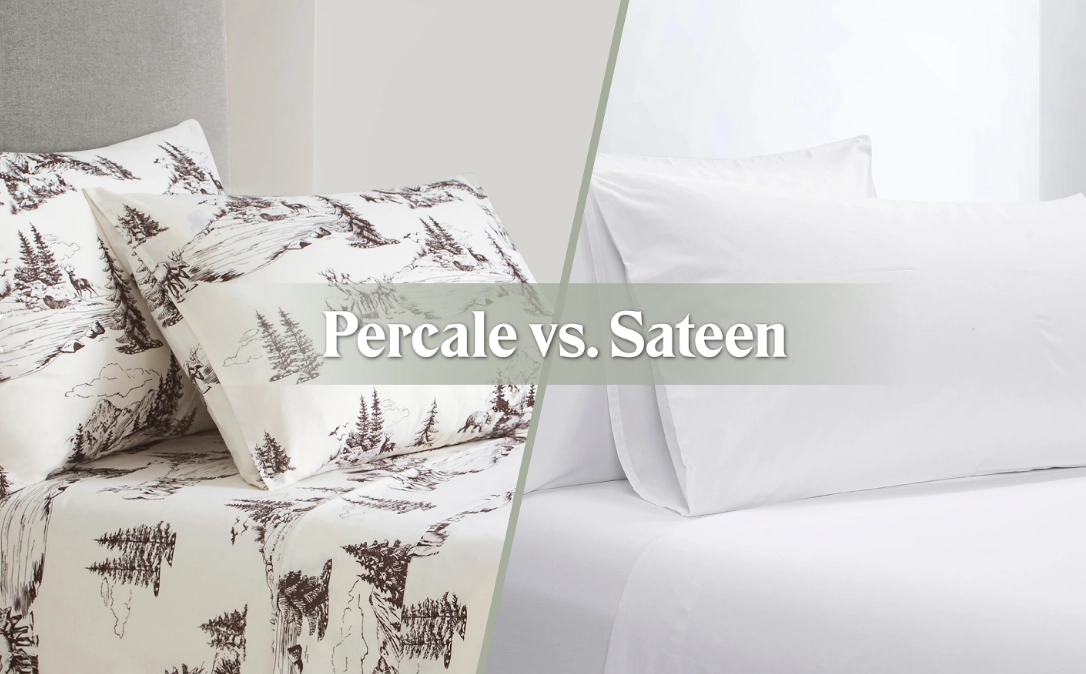
Your Burning Questions, Answered
 Do sateen sheets get hotter than percale?