You pull your favorite modal t-shirt or dress out of the dryer. It’s soft, breathable, feels amazing against your skin… and it’s covered in wrinkles. That sleek look you love is gone. Your hand reaches for the iron, but then you pause. A wave of doubt hits. Can you iron modal fabric, or will you end up with a shiny, melted mess?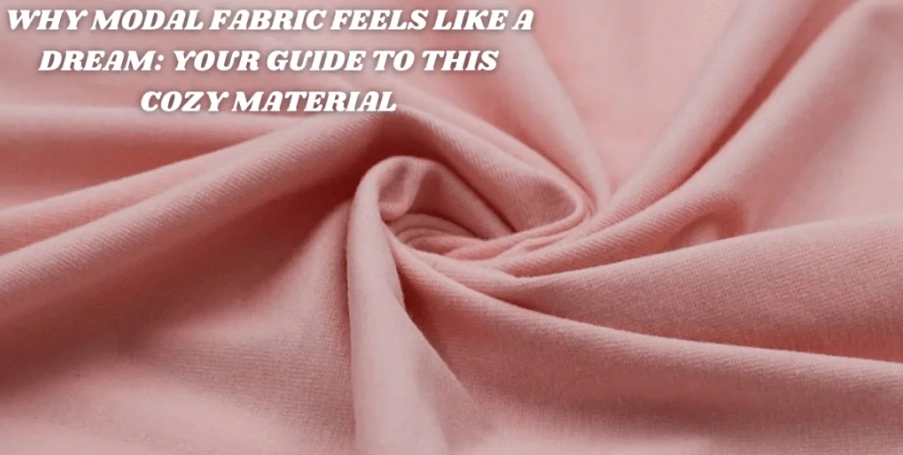
Let’s cut to the chase: Yes, you can absolutely iron modal. The panic is understandable—modal is a type of rayon, and rayon has a notorious reputation for being heat-sensitive. But modal is a more robust, modern cousin. The real question isn't "can you," but "how should you." Getting it wrong means permanent damage. Getting it right means wrinkle-free, luxurious clothes that last.
I’ve been working with fabrics for over a decade, and I’ve seen the good, the bad, and the melted. The biggest mistake people make isn't using an iron; it's assuming all "delicate" fabrics need the same babying. Modal requires a specific, confident approach.
What You’ll Learn in This Guide
What Exactly is Modal Fabric? (And Why It’s Not Rayon)
Before we touch the iron, let's understand what we're dealing with. Modal is a bio-based fabric made from beech tree pulp. It’s often lumped under the "rayon" umbrella, which includes viscose and lyocell (like Tencel). This is where the confusion starts.
Think of it this way: All modal is rayon, but not all rayon is modal. Modal goes through an extra processing step that makes its fibers stronger and more stable when wet. According to research from the Textile Institute, this gives modal better dimensional stability and resistance to pilling compared to standard viscose rayon.
What does this mean for ironing? That extra strength gives you a slightly wider margin of error with heat. But the core rule remains: it’s a plant-based cellulose fiber, and excessive dry heat is its enemy. It can scorch, glaze over (develop a shiny patch), or even become brittle and tear.
The Pro Insight: Check the blend. Pure 100% modal is less common than you think. Most "modal" garments are blends—modal with cotton, modal with spandex, modal with polyester. The blend dictates your ironing strategy. A modal-spandex blend is far more heat-sensitive than a modal-cotton one.
The Foolproof Guide to Ironing Modal Fabric
Here’s the exact process I use and recommend. It’s simple but non-negotiable if you want to avoid disaster.
Step 1: The Preparation (This is 80% of the Battle)
Never iron modal when it's bone dry. The moisture is your best friend. You have two options:
- Option A (Best): Iron the garment while it's still slightly damp from washing. Take it out of the washer, give it a gentle shake, and iron it before it fully dries.
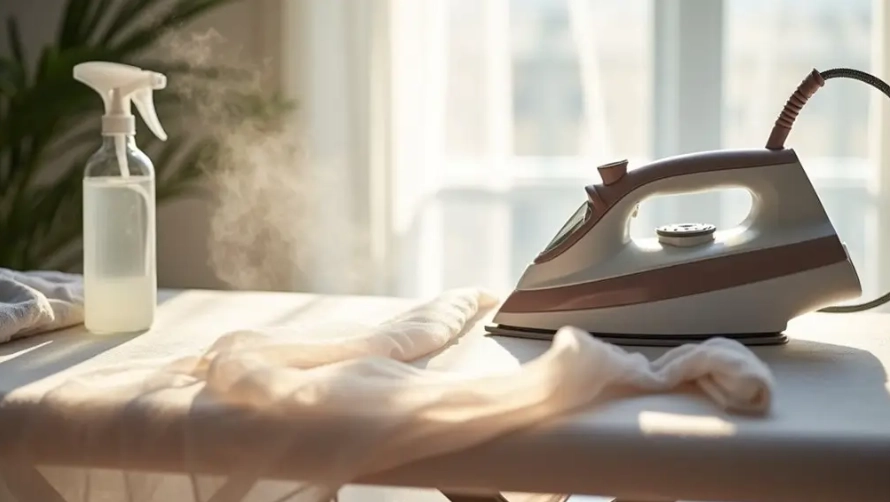
- Option B (Next Best): Use your iron’s spray function liberally. Drench the wrinkled area. Don’t be shy. You want the fabric moist, not just misted.
Why? The steam relaxes the cellulose fibers, allowing the wrinkles to fall out with minimal heat and pressure. You’re letting the steam do the work, not the hot plate.
Step 2: Temperature & Settings: The Magic Number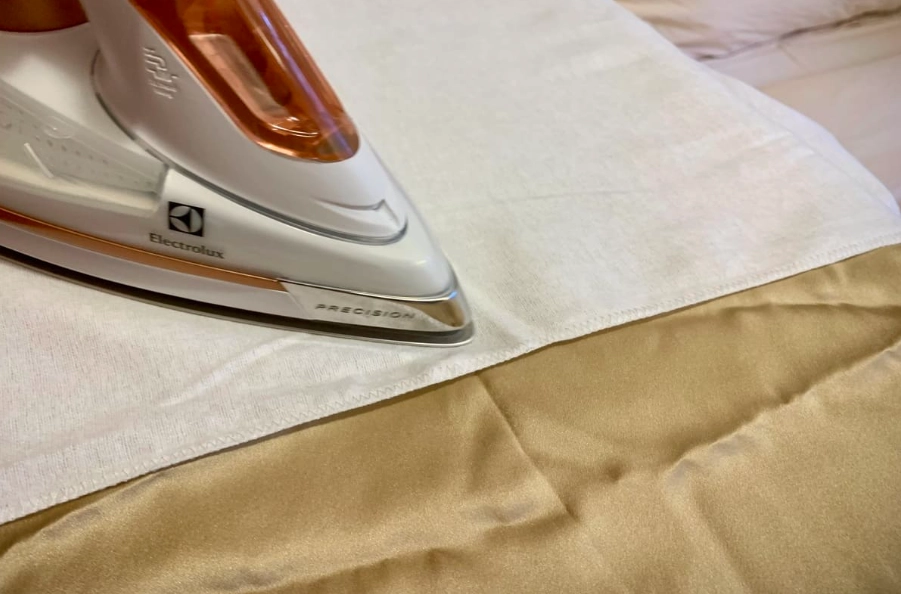
This is the most critical step. Find the fabric guide on your iron.
- Set your iron to the "Silk" or "Low" setting. If your iron uses numbers, stay between 1 and 2.
- If it has a rayon setting, that’s perfect. Use it.
- Turn the steam function ON to maximum. You need a continuous, hearty burst of steam.
I don’t trust generic "low" settings. I use an infrared thermometer to check. The soleplate should be between 275°F and 300°F (135°C - 150°C). Anything over 310°F (155°C) and you’re in the danger zone.
Step 3: The Actual Ironing Technique
Technique matters more than you’d think.
- Iron Inside-Out: Always, always turn the garment inside out. This protects the outer surface from direct heat and prevents that ugly shine.
- Use a Pressing Cloth: For extra security, especially on dark colors or delicate weaves, place a thin cotton cloth (like a pillowcase) between the iron and the modal. This diffuses the heat perfectly.
- Glide, Don’t Press: Use a light, gliding motion. You shouldn’t be bearing down on the fabric. Let the weight of the iron do the work. Hover over stubborn wrinkles with a steady stream of steam first, then glide over.
Stop Immediately If: You smell a sweet, almost woody burning scent (different from cotton burning). You see the fabric changing color or developing a glossy, wet look even when dry. That’s the fibers being damaged. Remove heat instantly.
3 Common Ironing Mistakes That Ruin Modal Clothes
I’ve repaired enough clothes to see these patterns repeatedly.
Mistake 1: Using the "Cotton" Setting. This is the #1 killer. The cotton setting is often 400°F+ (200°C+). It will scorch modal in seconds. The damage isn’t always immediate melting; it’s a gradual weakening that causes a hole after a few wears.
Mistake 2: Ironing a Completely Dry Garment. No moisture means you’re applying pure, dry heat directly to the fibers. This forces wrinkles out by literally breaking and reforming bonds, which weakens the fabric. It also causes shine.
Mistake 3: Leaving the Iron in One Spot. Modal heats up fast. Even on a low setting, holding the iron still for more than 3-4 seconds on a single spot is risky. Keep it moving.
Should You Use a Garment Steamer Instead?
Honestly, for 100% modal items, a steamer is often the superior choice. It’s all steam, no direct contact. It’s faster for dresses, skirts, and hanging items. I use my steamer for probably 70% of my modal pieces.
But the iron isn’t obsolete. For sharp creases (like on a modal-blend dress shirt collar), a crisp hemline, or stubborn, set-in wrinkles from being packed away, a controlled iron with a pressing cloth gives a precision result a steamer can’t match.
The Verdict: Use a steamer for general wrinkle removal and maintenance. Use an iron (with the precautions above) for precision finishing.
Your Modal Ironing Questions, Answered
 What’s the best way to dry modal to avoid ironing altogether?
So, can you iron modal fabric? Absolutely. It’s not a fragile museum piece. It’s a durable, modern fabric that responds well to the right care. Respect its need for low heat, high steam, and a bit of moisture, and you’ll keep your modal clothes looking sleek, smooth, and feeling incredible for years. Ditch the fear, grab your iron (set it correctly!), and reclaim those wrinkle-free favorites from the back of your closet.