You've got a beautiful, butter-soft modal t-shirt and a killer design ready to go. Your heat press is warmed up. But a nagging doubt hits: can you heat press modal fabric without turning it into a shiny, shrunken mess? The short answer is yes, absolutely. The long answer is that most tutorials skip the one critical step that makes the difference between a perfect application and a ruined garment. I learned this the hard way, scorching a $40 organic modal tee on my first try. Let's get straight to the point: you can heat press onto modal, but you must treat it like the delicate, heat-sensitive fiber it is. This guide dives into the exact settings, techniques, and common pitfalls that other guides gloss over.
What You'll Learn in This Guide
- What Makes Modal So Different From Cotton?
- How to Heat Press Modal Fabric Successfully: A Step-by-Step Guide
- What Temperature and Time Should You Use for Modal?
- HTV, Transfers, or Ink? Choosing the Right Material for Modal
- The 3 Most Common Mistakes (And How to Avoid Them)
- Your Heat Press Modal Questions, Answered
What Makes Modal So Different From Cotton?
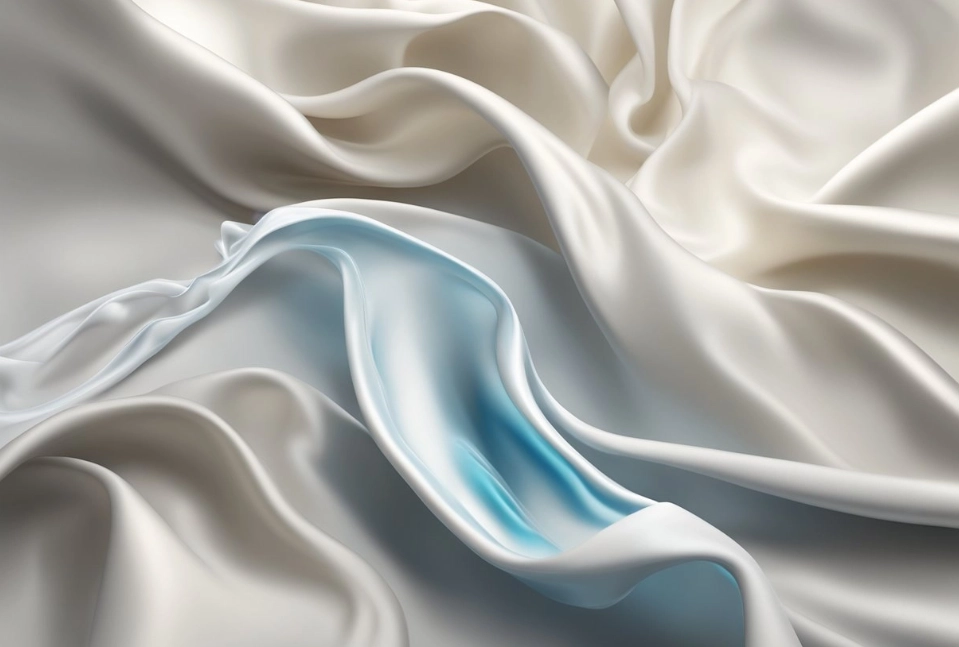
If you treat modal like cotton, you will fail. Modal is a type of rayon, made from reconstituted beech tree pulp. Its magic—incredible softness, drape, and breathability—is also its weakness under heat. The fibers are more delicate and react differently to high temperatures.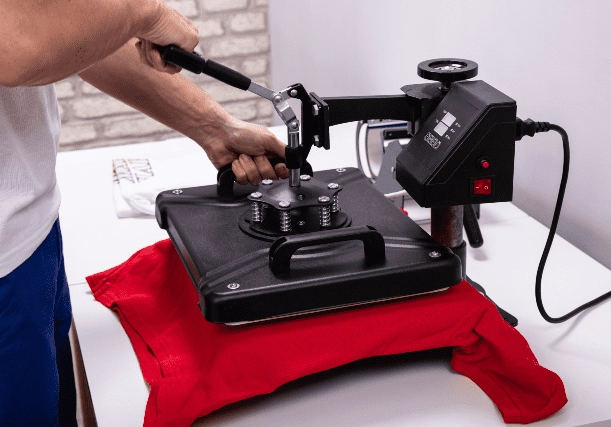
Think of cotton as a sturdy rope and modal as a smooth, strong silk thread. Both are strong, but one can handle more direct abrasion and heat. Modal has a lower melting point and is prone to thermal shrinkage and scorching (that ugly yellow or brown discoloration) much faster than cotton. The first time I saw a faint yellow halo around my freshly pressed design, I knew I'd messed up. The fabric itself was damaged, not just the transfer.
How to Heat Press Modal Fabric Successfully: A Step-by-Step Guide
This is the process I've refined after ruining a few items and perfecting dozens more. It revolves around one non-negotiable principle: moisture and pressure management.
The Critical Pre-Press Step Everyone Forgets
Do not put your design on a dry, wrinkled modal garment. You must pre-press with steam or a damp press cloth. This does two things: it relaxes the fibers, reducing post-press shrinkage, and it adds a protective layer of moisture that buffers the direct heat.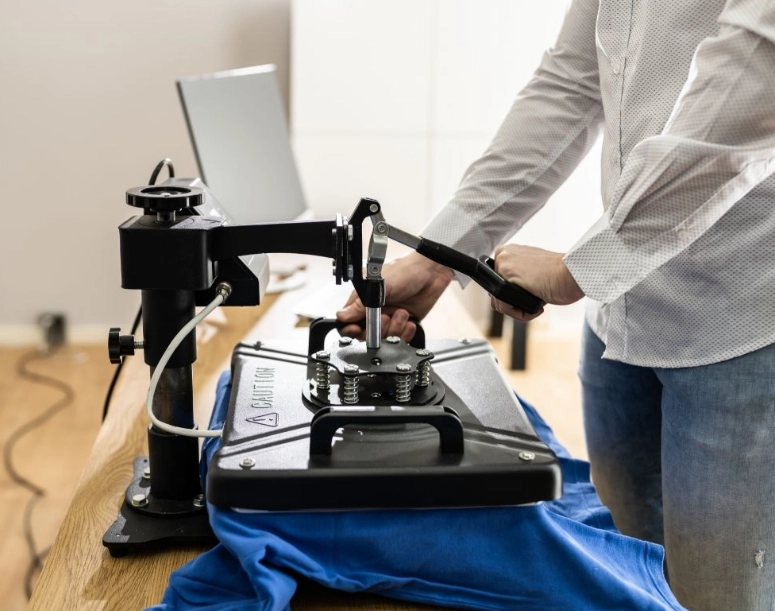
Here's my method: Lay the garment flat. Place a thin, damp cotton press cloth (like a piece of an old pillowcase) over the area you'll be pressing. Use your heat press at a low temperature (around 250°F / 121°C) with medium pressure for 5-8 seconds. You're not trying to dry it completely, just steam it evenly. Let it cool for a moment. This step alone prevents 80% of shrinkage issues.
Layering and Pressing for Perfect Adhesion
Once pre-pressed, apply your heat transfer vinyl (HTV) or transfer paper following its instructions, but with the modal-adjusted temperature we'll discuss next. Use a Teflon sheet or thin silicon pad on top of your design. This further diffuses the heat and protects the fabric's surface from getting a hard, plasticky feel.
After the press, do not pull the garment off the platen hot. Modal is pliable when warm. Let it cool completely on the press or a flat surface before moving it. This "cool peel" or "cold peel" method (depending on your HTV type) is crucial for the adhesive to set properly on the smooth modal fibers.
What Temperature and Time Should You Use for Modal?
This is where you must throw out the cotton rulebook. Always, always start lower and slower.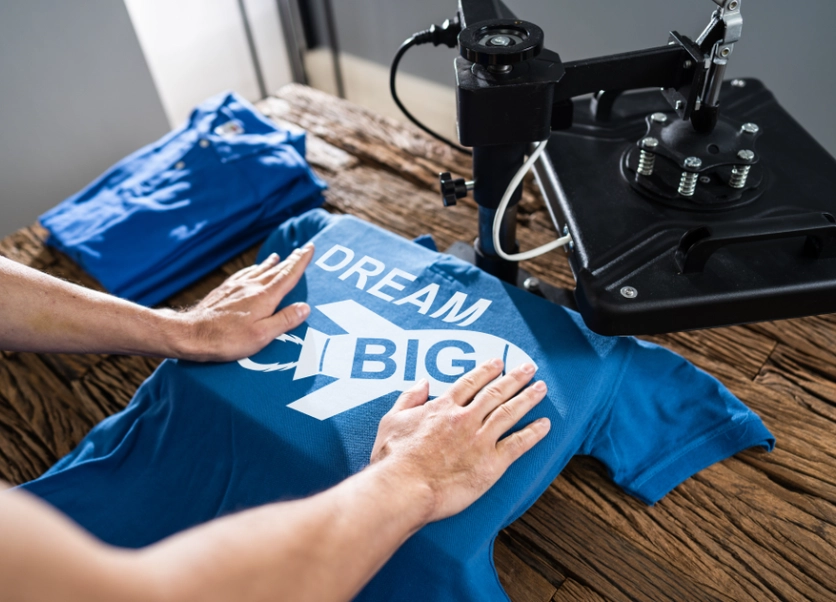
| Material Type | Recommended Temperature | Recommended Time | Pressure | Notes |
|---|---|---|---|---|
| Standard HTV (Siser EasyWeed, etc.) | 285°F - 300°F (140°C - 149°C) | 10 - 12 seconds | Medium-Firm | Always do a test press. 300°F is the absolute ceiling. |
| Stretch or Flock HTV | 270°F - 285°F (132°C - 140°C) | 8 - 10 seconds | Medium | These are even more heat-sensitive. Lower is safer. |
| Inkjet Transfer Paper | 270°F - 280°F (132°C - 138°C) | 12 - 15 seconds | Medium | High heat will cause the paper backing to fuse to the modal fibers. |
| Plastisol Transfers | Not Recommended | N/A | N/A | Requires too much heat and pressure, high risk of scorching and stiff hand-feel. |
My go-to starting point for most projects is 290°F for 10 seconds with a pre-press. I then check the adhesion at a corner. If it's not sticking well, I add 2-3 seconds, not more temperature. Increasing heat is the fastest path to damaging the fabric.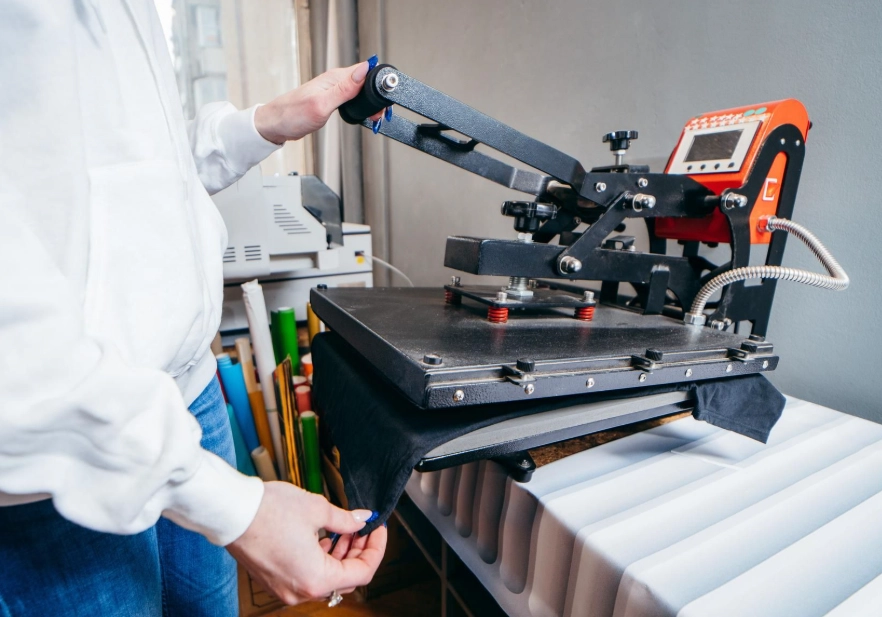
HTV, Transfers, or Ink? Choosing the Right Material for Modal
Not all decoration methods are created equal for modal. Based on durability, feel, and success rate, here's my ranking:
1. Thin, Stretchable HTV: This is the winner. Brands like Siser Stretch or Oracal 631 are designed for performance fabrics. They withstand washing, retain the fabric's stretch, and require the least aggressive heat. The final feel is almost seamless.
2. Premium Inkjet Transfer Paper (for dark garments): Some newer papers, like Neenah Jet-Opaque, are formulated for lower heat. They can work, but the result is often a slightly stiffer "layer" on the fabric compared to HTV. Wash durability can be a gamble.
3. Direct-to-Garment (DTG) Printing: If you have access to a DTG printer, this is arguably the best method for complex designs on modal. It uses cured ink that sits in the fibers, not on them, preserving the natural softness. No heat press is needed post-curing, eliminating scorch risk. The barrier is equipment cost.
4. Plastisol Transfers & Standard HTV: These are risky. They often need 320°F+, which is squarely in the danger zone for modal. The result is usually a stiff, uncomfortable print on an otherwise soft shirt. I avoid them.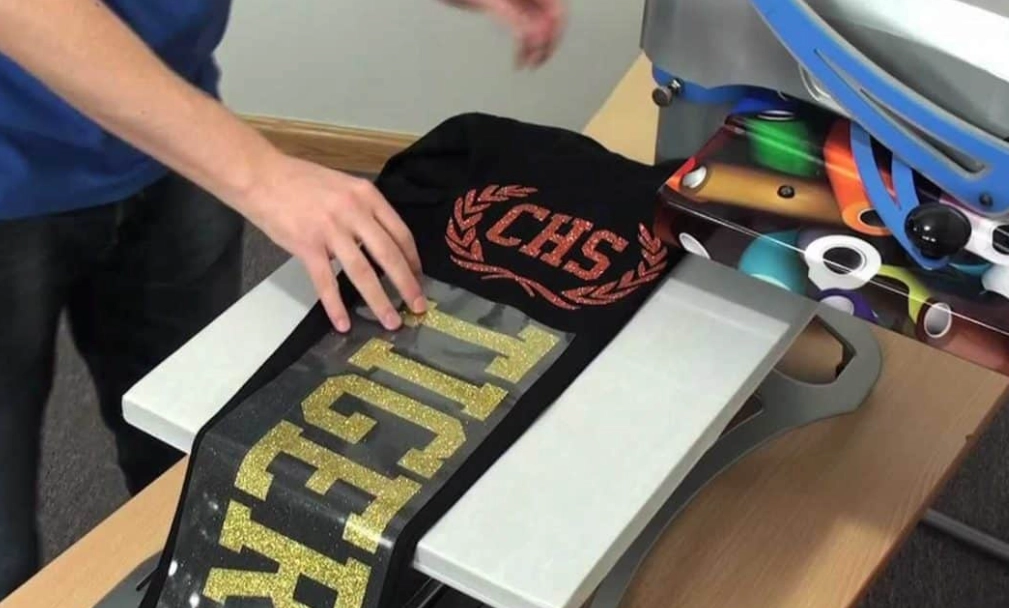
The 3 Most Common Mistakes (And How to Avoid Them)
Let's talk about where things go wrong. I've made these errors so you don't have to.
Mistake 1: Assuming "Rayon" Settings Work. Care labels often say "rayon." While modal is a rayon, its heat tolerance can vary from other rayons like viscose. Never use the maximum ironing temperature on the label as your heat press guide. The press applies sustained, even heat—it's more intense than an iron.
Mistake 2: Skipping the Pre-Press. I mentioned it before, but it's the #1 savior. That quick steam pre-press is the difference between a shirt that fits after washing and one that's now a crop top.
Mistake 3: Overcompensating for Poor Adhesion. If your design isn't sticking, your first instinct might be to crank the heat or press longer. On modal, this burns the fabric. The real fix is often more pressure or checking that your platen is perfectly level. An uneven press won't transfer heat uniformly, causing weak adhesion in spots.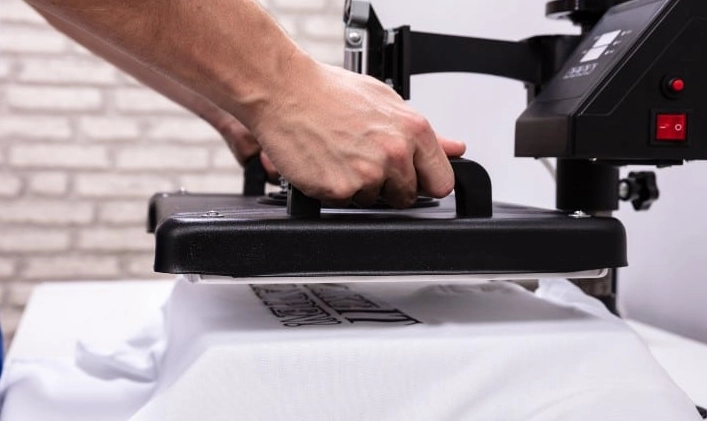
Your Heat Press Modal Questions, Answered
Can I use a regular iron instead of a heat press on modal?
My modal fabric got shiny after heat pressing. How do I fix it?
Will heat pressing make my modal shirt stiff?
How do I wash a modal garment with a heat-pressed design?
Is there a type of modal blend that's easier to heat press?
So, can you heat press modal fabric? You can, and you should. It opens up a world of customization for incredibly soft, premium-feeling apparel. The secret isn't a special trick; it's respect for the material. Lower heat, a mandatory pre-press, and choosing the right transfer media will consistently give you professional results. Now go press that design—just turn the dial down first.