You slather on SPF 50 sunscreen, wear a hat, and seek shade. But if you're serious about blocking harmful UV rays, you're missing your most powerful tool: UPF fabric. Unlike sunscreen that sweats off, rubs off, and needs constant reapplication, UPF clothing provides consistent, worry-free protection. Let's cut through the marketing fluff. This isn't just about a tag on a shirt; it's about understanding the engineering behind the fibers that can significantly lower your risk of skin damage. I've spent years testing gear in harsh sun, from desert hikes to long sailing days, and the difference proper UPF clothing makes is not subtle.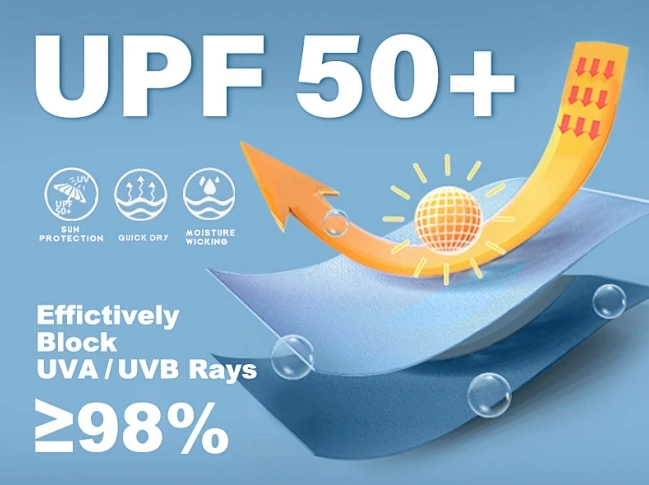
What You'll Learn Inside
What Is UPF? (And Why The Number Isn't Just a Marketing Gimmick)
UPF stands for Ultraviolet Protection Factor. Think of it as the SPF rating for your clothes. But here's where people get confused: the scale works differently.
A UPF 50 rating means only 1/50th (or 2%) of the sun's UV radiation can penetrate the fabric to reach your skin. Conversely, a regular white cotton t-shirt might offer a measly UPF of 5-7, letting nearly 20% of UV rays through. On a long beach day, that's a massive difference in cumulative exposure.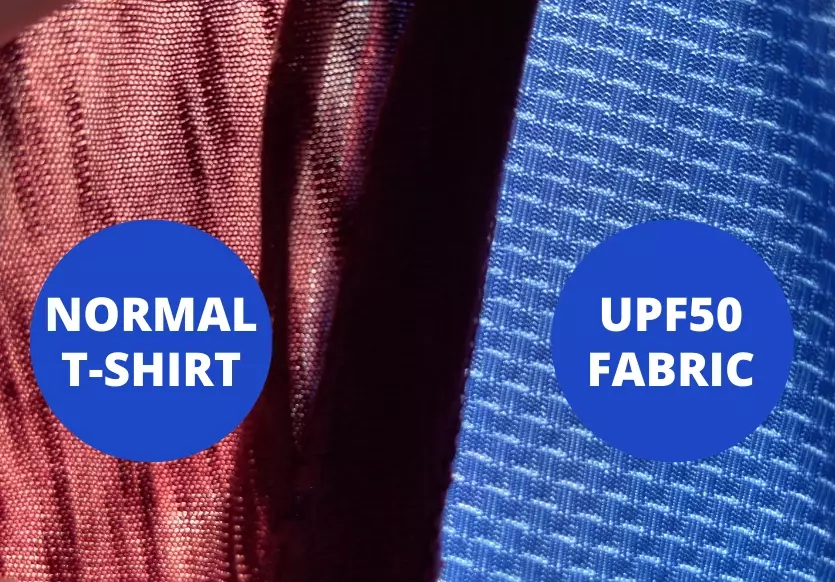
The rating is determined by standardized lab tests (like the Australian/New Zealand Standard AS/NZS 4399:1996) that measure how much UV-A and UV-B rays pass through a fabric sample. Reputable brands will have their fabrics certified by independent labs.
How UPF Fabric Actually Works: The Science in the Threads
It's not magic. UPF performance boils down to three physical and chemical factors working together. Most brands focus on one, but the best fabrics leverage all three.
1. Fabric Construction: Density is King
Tight weaves or knits create smaller holes for UV rays to sneak through. Hold a potential UPF garment up to a bright light. If you see a lot of light passing through, you'll see a lot of UV too. A dense denim or tightly woven nylon will naturally have a higher UPF than a loose, airy linen.
This is the most permanent factor. It doesn't wash out.
2. Fiber Type: Some Materials Are Just Better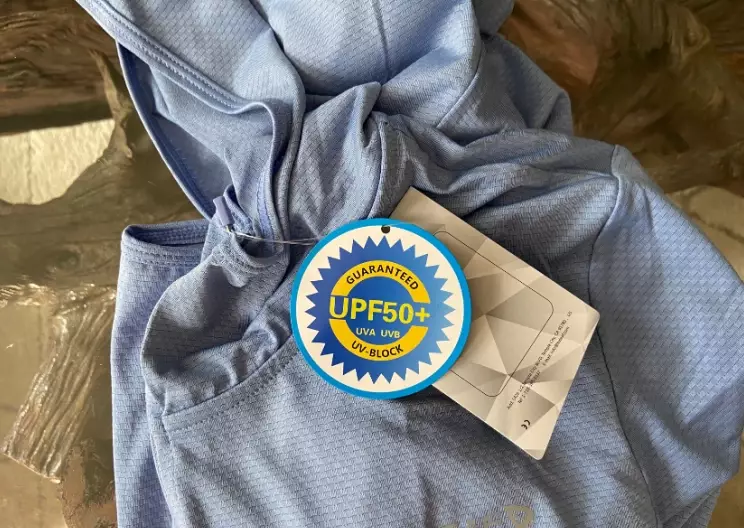
Different fibers absorb or reflect UV differently. Polyester and nylon are inherently better at absorbing UV radiation than untreated cotton or rayon. Wool and silk also offer moderate natural protection. The molecular structure of synthetic fibers often gives them a head start.
3. Chemical Treatments: The Invisible Shield
This is where specialty UPF fabrics shine. Manufacturers can add UV-absorbing compounds (like titanium dioxide or zinc oxide nanoparticles) during the fiber production or apply them as a finish to the fabric. These compounds act like thousands of microscopic sunblocks embedded in the material.
Here's a practical comparison of common fabrics and their typical UPF range:
| Fabric / Garment Type | Typical UPF Range (Untreated) | Notes & Considerations |
|---|---|---|
| Standard White Cotton T-Shirt | UPF 5 - 7 | Wet, stretched, or worn thin, this can drop to UPF 3 or less. It's barely better than nothing. |
| Denim Jeans | UPF 100+ | Extremely dense weave. The ultimate in casual sun protection, but not exactly beachwear. |
| Typical Summer Polo Shirt | UPF 10 - 15 | Color and fit cause huge variation. A dark, snug-fitting polo will perform better. |
| Certified UPF 50+ Rash Guard | UPF 50+ | Engineered with tight knit synthetics and often chemical treatments. The gold standard for active use. |
| Unbleached, Tight-Woven Canvas | UPF 20 - 30 | A good example of natural fiber performing well due to construction. |
UPF vs. SPF: The Critical Difference Everyone Misses
Mixing up UPF and SPF is the most common mistake. It leads to a false sense of security.
SPF (Sun Protection Factor) is a measure of time, primarily against UV-B rays (the burning rays). SPF 30 means it would take you 30 times longer to burn with the sunscreen than without it. It degrades with sweat, water, friction, and time. You must apply it perfectly, and reapply religiously. Most people don't.
UPF (Ultraviolet Protection Factor) is a measure of blockage, against both UV-A (aging rays) and UV-B. A UPF 50 fabric blocks 98% of all UV radiation, period. It doesn't wash off in water (if properly constructed). It doesn't need reapplication. It protects consistently from the moment you put it on until you take it off, regardless of how much you sweat.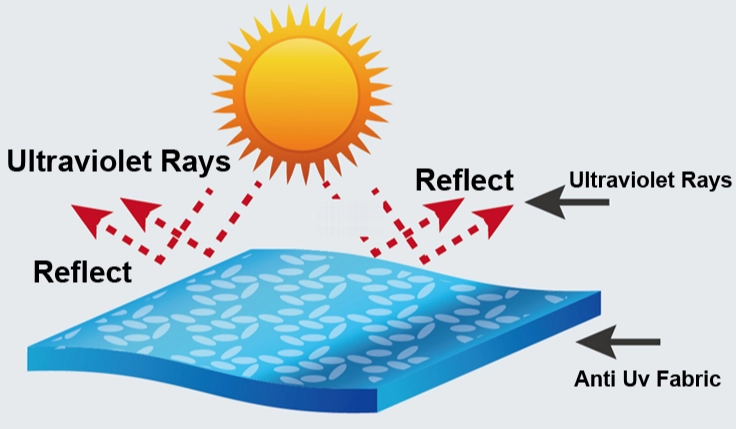
How to Choose UPF Clothing That Actually Lasts
Not all UPF clothing is created equal. A $20 UPF shirt from a discount store might not offer the same durability or sustained protection as a $70 one from a technical outdoor brand. Here’s what to look for beyond the tag.
Look for the Certification
Trust brands that specify a testing standard (like AS/NZS 4399, ASTM D6603, or EN 13758). A vague claim of "UPF 50" without a cited standard is a red flag.
Color Matters More Than You Think
Dark or bright colors absorb more UV light, preventing it from passing through to your skin. A black UPF shirt will often have a slightly higher effective rating than an identical white one. For maximum protection, choose darker hues.
Fit and Coverage are Part of the Rating
A UPF rating is tested on a flat, unstretched fabric sample. When you stretch that fabric over your shoulders or knees, the weave opens up, and the UPF decreases. Opt for a relaxed fit over a skin-tight one for better sustained protection. Also, consider coverage: long sleeves, a high neck, and a wide-brimmed hat are part of the UPF "system."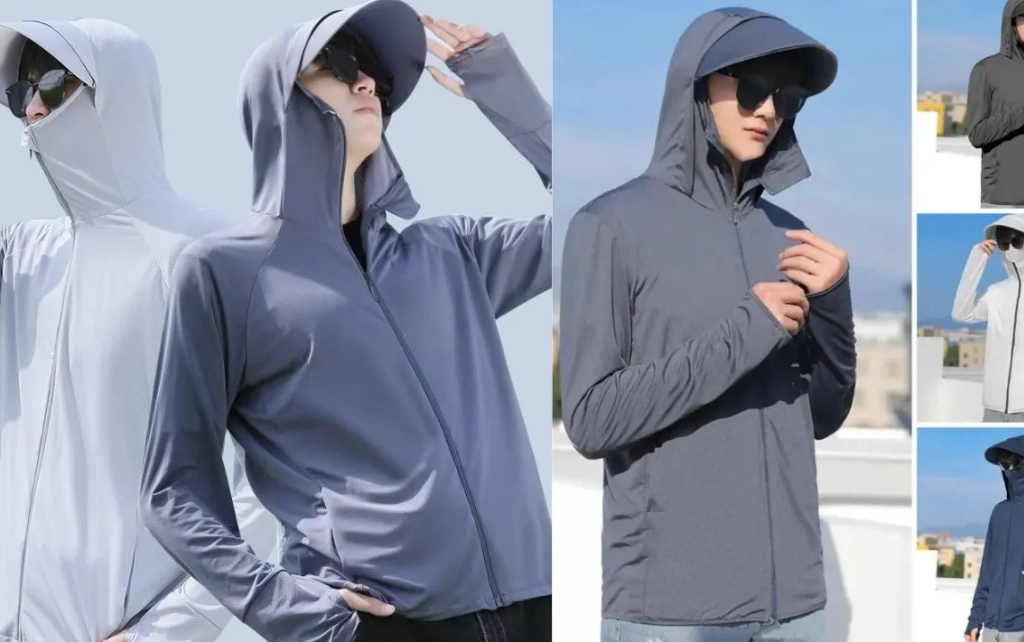
Activity-Specific Features
- For Swimming & Water Sports: Look for chlorine-resistant fabrics (like PBT or specific polyester blends) that won't degrade quickly. A rash guard should feel snug but not restrictive when dry—it will tighten in water.
- For Hiking & Running: Prioritize breathability and moisture-wicking. A UPF mesh panel on the back can be a game-changer for ventilation. Lightweight, woven fabrics often work better than thick knits here.
- For Gardening & Casual Wear: Look for soft, comfortable fabrics with a UPF 30+ rating. A looser-weave linen-cotton blend with a treatment might be perfect, offering protection without overheating.
Washing & Caring for UPF Gear: The Big Mistake That Ruins Protection
Here's the expert insight most people never hear: How you wash UPF clothing can damage its protection more than wearing it.
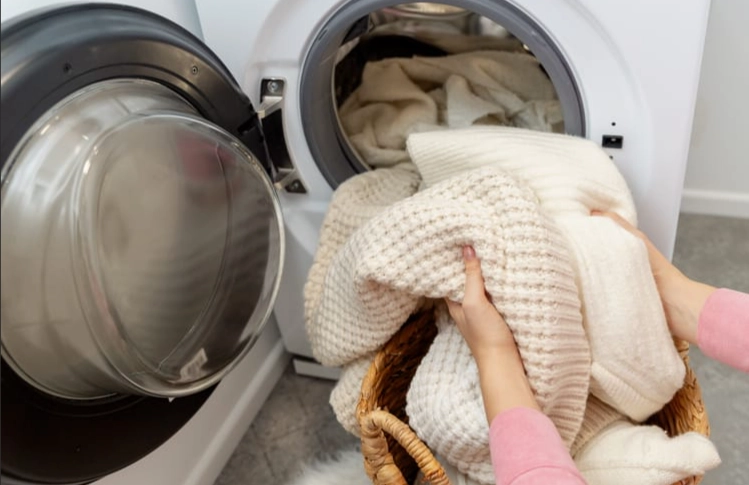
The biggest enemy is fabric softener and dryer sheets. They coat the fibers with a thin, oily film. This film can block the moisture-wicking properties of technical fabrics and, crucially, it can fill in the tiny gaps in the fabric's weave, potentially reducing its breathability. More importantly, for fabrics relying on chemical treatments, this coating can interfere with the UV-absorbing agents.
My routine after years of trial and error:
- Wash in cold water with a mild, liquid detergent. Skip the softener entirely.
- Hang dry whenever possible. High heat from dryers can break down elastic fibers (like Lycra) and may degrade chemical treatments over time. It also causes more shrinkage, which tightens the weave unpredictably.
- If you must use a dryer, use the lowest heat setting and remove items while slightly damp.
A well-made, construction-based UPF garment (relying on dense weave and fiber type) will maintain its rating for years. A garment relying heavily on a chemical finish will see its protection diminish gradually with repeated washes and abrasion. This is why investing in good construction is key for long-term use.
Your UPF Questions, Answered
 Do I still need sunscreen with UPF clothing?
UPF fabric isn't a trendy gimmick; it's a practical, engineered solution to a real health risk. By understanding how it works, you can make smart choices that protect your skin every day, not just when you remember to reapply cream. Start by auditing your outdoor wardrobe. That thin white shirt? Retire it for gardening. Invest in one or two well-made, certified UPF pieces for your most sun-intensive activities. Your skin will thank you for decades to come.