Let's get straight to it. There's no single "winner" between wool and synthetic insulation. Anyone who tells you otherwise is probably trying to sell you something. The right choice lives in the messy details of how you'll actually use the gear. I've spent over a decade testing jackets, sleeping bags, and boots in everything from Scottish drizzle to Colorado dry cold. The biggest mistake I see? People buy for the label or a single feature, not for the specific conditions they'll face. This guide is about avoiding that.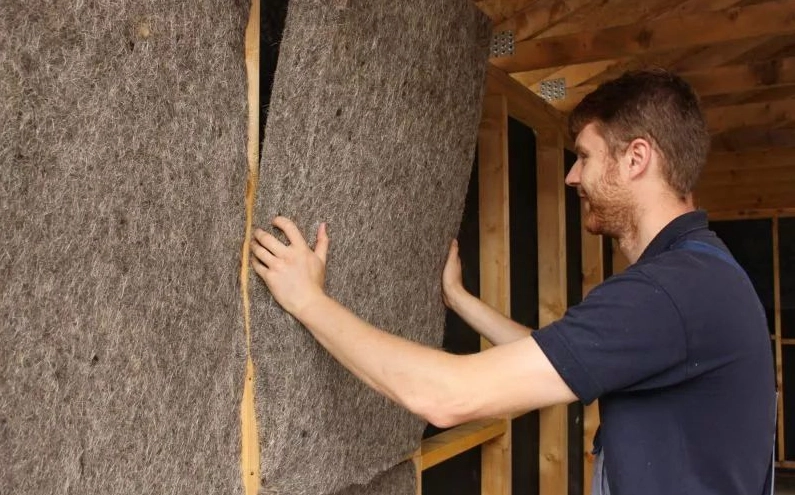
Your Quick Navigation Guide
How Wool and Synthetic Insulation Actually Work
Understanding the "why" behind the performance is key. They trap heat in fundamentally different ways.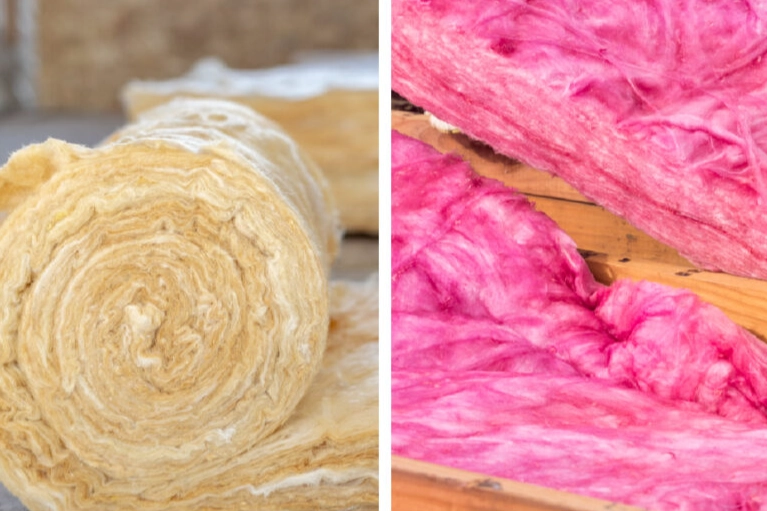
Wool: The Natural Regulator
Wool, particularly merino wool, isn't just a bunch of fibers. It's a complex protein structure. Each fiber has a scaly outer layer (the cuticle) and a spongy core that can absorb a huge amount of moisture vapor—up to 30% of its weight—without feeling wet. This is where its magic lies. As it absorbs your body's moisture vapor, it releases a small amount of heat, a process called adsorption. It also wicks that moisture away to evaporate.
The fibers are naturally crimped, creating millions of tiny air pockets that trap still air, which is the real insulator. High-quality wool insulation for gear often uses a needle-punch felt or a lofty batt, maximizing these air pockets. Brands like Ibex (before they shifted focus) and Smartwool pioneered this in apparel. A common misconception is that all wool is itchy. For insulation, they use fine merino fibers (often 18-22 microns), which feel soft against the skin.
Synthetic: The Engineered Air Trap
Synthetic insulation is a feat of chemical engineering. Materials like polyester are extruded into continuous filaments, which are then arranged to create a lofty, airy structure. The goal is to mimic down's loft but with water resistance. The fibers themselves are hydrophobic—they repel water.
Major types you'll see:
- Continuous Filament (e.g., PrimaLoft Gold, Thermolite): Long, springy fibers that resist compression well and dry fast.
- Short Staple (e.g., classic polyester batting): Shorter fibers, often less expensive, can clump more over time.
- Bi-Component and Special Shapes (e.g., PrimaLoft Bio): Fibers designed with different polymers or star-shaped cross-sections to increase loft, durability, or biodegradability.
The innovation never stops. Companies like PrimaLoft constantly tweak fiber diameter, shape, and blend to improve warmth-to-weight ratios. According to the Outdoor Industry Association's material trend reports, synthetics dominate the performance outerwear market for a reason.
Head-to-Head Performance Breakdown
Here’s the raw data and real-world feel. This table isn't just specs; it's what happens on the trail.
| Performance Factor | Wool Insulation | Synthetic Insulation |
|---|---|---|
| Warmth When Dry | Excellent, with a deep, steady warmth. Less "puffy" feel than high-loft synthetics, more like a consistent thermal layer. | Excellent. Modern high-end synthetics (e.g., PrimaLoft Gold, Alpha Direct) rival down in warmth-to-weight when dry. |
| Warmth When Damp/Wet | Its superpower. Retains most of its insulating ability even when saturated because the fibers themselves don't collapse. You'll be warm but heavy. | Good. Loses less warmth than down, but wet fibers can mat down, reducing loft. Dries much faster than wool. |
| Drying Speed | Slow. Can take a full day or more to dry completely after a thorough soaking. A major drawback for multi-day trips. | Fast. Often dry within hours, sometimes less, especially in low humidity or with body heat. |
| Weight & Packability | Heavier for a given warmth level. Doesn't compress as small. A wool-insulated jacket is a substantial piece of kit. | Generally lighter and more packable than wool. Compresses well, though it may not rebound as fully as down after long compression. |
| Breathability & Moisture Management | Superior. Actively moves moisture vapor away from the body, reducing clamminess during activity. Feels more comfortable over a wider range of effort levels. | Varies. Some newer fabrics are very breathable (like Polartec Alpha), but many traditional synthetics can feel clammy during high output as they rely more on loft than active wicking. |
| Durability Over Time | Fibers are resilient and resist permanent compression. Can felt slightly with extreme abuse but generally maintains loft for years. | Can lose loft (and thus warmth) over time with repeated compression, washing, and wear. Higher-quality blends resist this better. |
| Feel & Next-to-Skin Comfort | Often softer, less "crinkly." Can be used without a liner in some garments. Naturally odor-resistant. | Can feel plasticky or synthetic. Usually requires a separate wicking liner. Tends to hold body odor more unless treated. |
The Ultimate Wet Weather Test
This is where theory meets mud. I took two mid-layer jackets—a 250g merino wool sweater and a 100-weight PrimaLoft synthetic jacket—on a rainy Pacific Northwest hike.
The Scenario: Steady, cold rain for two hours, moderate activity (hiking with a pack).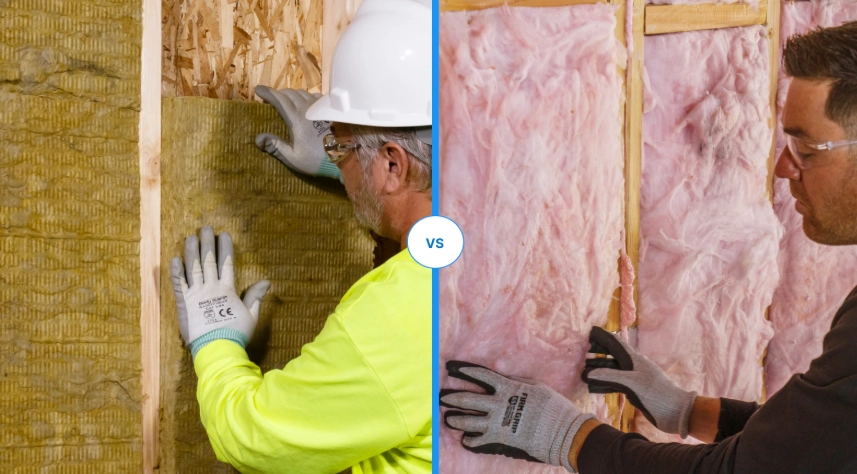
The Wool Jacket: After 30 minutes, the outer fabric was soaked. But inside? Just slightly damp to the touch. My core stayed warm, even when we stopped for a break. No chill. The downside? At the end of the hike, it weighed what felt like twice as much. Hanging it in a damp tent vestibule overnight, it was still damp in the thickest seams the next morning.
The Synthetic Jacket: It beaded water for a while, then wetted out. I felt a noticeable drop in warmth when the outer layer saturated, a cool feeling creeping in. However, during a 20-minute lunch break under a tree with my shell off, I could feel the synthetic starting to dry from my body heat alone. By the time we made camp, it was merely damp, not soaked.
The Takeaway: Wool kept me warmer during the continuous wet. Synthetic recovered faster after the wet stopped. Your priority decides the winner.
Durability and The Environmental Elephant in the Room
Which Lasts Longer?
Wool fibers are incredibly durable. They can bend thousands of times without breaking. A good wool insulation layer, if cared for, will deliver consistent warmth for a decade or more. The main wear point is the outer fabric, not the insulation.
Synthetics face fiber fatigue. The constant compression in a stuff sack, washing, and abrasion can break the fine filaments, leading to thinning spots and reduced loft. A high-end synthetic jacket might see a noticeable warmth drop after 3-5 years of hard use. You're trading longevity for lower initial cost and weight.
The Sustainability Question
This is messy, and brands oversimplify it.
Wool's Impact: It's a renewable resource. Sheep regrow their coats. Natural fiber, biodegradable at end of life. But. It requires land, water, and feed. There are concerns about methane emissions, land use change, and animal welfare practices in some large-scale operations. Look for brands using ZQ Merino or Responsible Wool Standard (RWS) certified wool—it's a step toward better practices.
Synthetic's Impact: Made from petroleum, a non-renewable resource. Energy-intensive production. The big issue: microplastics. Every wash sheds tiny plastic fibers that enter waterways. On the plus side, recycling programs are growing. PrimaLoft Bio is a step forward—it's designed to biodegrade in specific environments (landfills, oceans) while maintaining performance. Patagonia's environmental reports are a good source for transparent discussions on this trade-off.
There's no clean answer. The most sustainable jacket is the one you already own, worn for as long as possible.
How to Choose: A Scenario-Based Guide
Forget generic advice. Match the insulation to your actual plans.
Choose Wool Insulation If:
- You run cold and are often in damp, humid climates (e.g., UK hiking, Pacific Northwest, New Zealand). Its wet performance is unmatched.
- Your activity level varies wildly. Think alpine climbing where you swing between intense exertion and freezing belays. Wool manages moisture and heat better across these shifts.
- You prioritize long-term durability and natural materials. You want a buy-it-for-decades piece.
- For static camp wear or sleep systems where packability isn't critical but consistent, reliable warmth is.
Choose Synthetic Insulation If:
- Weight and pack size are your top concerns (e.g., backpacking, fast-packing).
- You face intermittent wet conditions and need gear that dries fast during breaks or overnight (e.g., multi-day canoe trips, ski touring).
- You need an affordable, high-performance piece. You get more warmth per dollar and per gram than with wool.
- For an emergency layer or a versatile mid-layer that will be stuffed and restuffed frequently.
A hybrid approach often wins. Use a synthetic-insulated puffy for weight and packability in your bag, and a wool base or mid-layer for active moisture management.
Your Burning Questions Answered
 How do I wash a wool-insulated garment without ruining it?