You’re browsing online, looking for a soft, breathable t-shirt or bedsheet. You see “modal” on the tag, often paired with words like “eco-friendly” and “natural.” It feels smooth, looks luxurious, and the marketing makes it sound like the perfect green choice. But a nagging question pops up: is modal fabric natural, really? The short answer is: it’s complicated. Modal isn't natural like cotton picked from a plant, but it’s not synthetic like polyester made from crude oil either. It sits in a middle ground called semi-synthetic or regenerated cellulose, and where it lands on the “natural” and “sustainable” scale depends entirely on how it’s made. Let’s untangle the hype from the reality.
What You'll Learn in This Guide
What Exactly is Modal Fabric?
Think of modal as a high-tech upgrade to rayon. Both start with the same basic stuff: cellulose. That’s the natural polymer that gives plants their structure. For modal, the primary source is beechwood trees. The wood is chipped, and through a chemical process (more on that later), the pure cellulose is extracted, dissolved into a honey-like liquid, and then forced through tiny holes (spinnerets) into a chemical bath that solidifies it into fine, continuous fibers. These fibers are then spun into yarn and woven or knitted into fabric.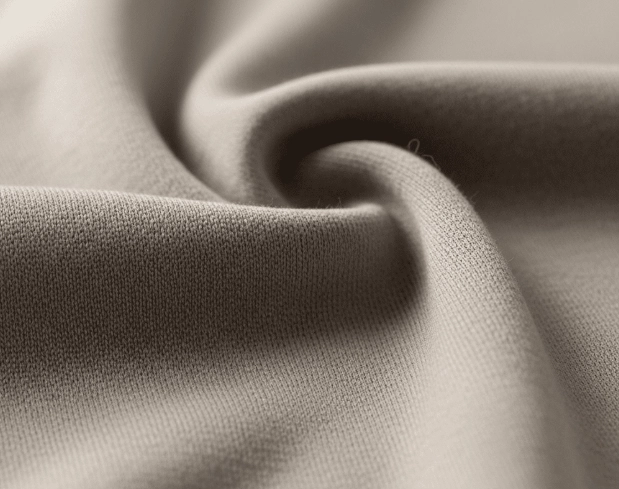
The magic—and the controversy—is in that chemical process. The most common method uses sodium hydroxide and carbon disulfide, a solvent with environmental and worker safety concerns if not managed in a closed-loop system. The result, however, is a fiber that feels incredibly soft, has a beautiful drape, is highly breathable, and resists shrinkage and pilling better than standard rayon or even some cottons.
Modal Fabric: Natural or Man-Made?
This is the core of the debate. Calling modal “natural” is a bit of a marketing stretch that makes me cringe. Here’s a more accurate breakdown:
The Natural Part: Its origin. The cellulose comes directly from beechwood trees, a renewable resource. Beech trees often grow on land unsuitable for food crops and don’t typically require irrigation or pesticides. The fundamental building block is 100% plant-based.
The Man-Made (Semi-Synthetic) Part: The transformation. The wood doesn’t magically turn into silky threads. It requires a significant industrial chemical process to break down the wood pulp and reconstitute it into fibers. You cannot make modal in your backyard.
So, is it natural? Not in the literal sense of being a directly harvested material like wool or linen. It’s more precise to call it a “regenerated natural fiber” or a “bio-based fabric.” This distinction matters because the “natural” label can lull consumers into thinking the entire lifecycle is benign, which isn’t automatically true.
How Sustainable is Modal Really?
Sustainability isn’t a yes/no switch; it’s a spectrum. Modal’s eco-cred depends on several factors, and this is where most generic articles stop. Let’s go deeper.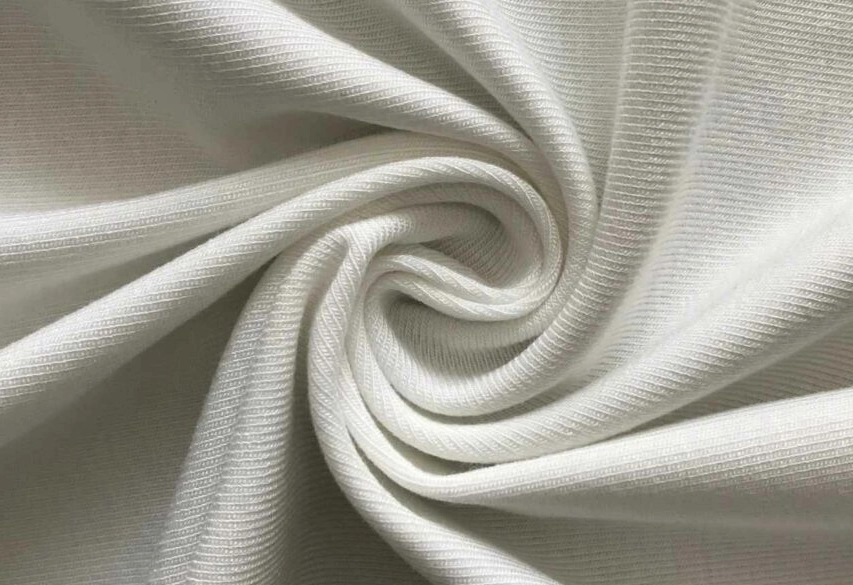
The Critical Factor: Closed-Loop Processing
The biggest differentiator between “okay” modal and “great” modal is the manufacturing system. Brands like Lenzing (which makes TENCEL™ Modal) use a patented closed-loop process. Over 99% of the water and solvents used to dissolve the wood pulp are captured, purified, and reused repeatedly. This drastically cuts pollution, water waste, and chemical runoff.
If a brand just says “modal” without specifying a source like TENCEL™, the fiber might be produced in an open-loop system where chemicals are discharged as wastewater. That’s a major red flag.
Wood Sourcing: FSC-Certification is Non-Negotiable
Renewable doesn’t automatically mean sustainable. Beechwood should come from sustainably managed forests certified by the Forest Stewardship Council (FSC). This ensures no deforestation, protection of biodiversity, and respect for indigenous rights. Always look for FSC-certified modal.
Energy and Water Use
Modal generally requires less water to grow its raw material than cotton (no irrigation needed for beech trees). However, the production process is energy-intensive. The greenest manufacturers power their plants with renewable energy. It’s a detail most brands don’t advertise, but it’s a key part of the full picture.
Modal vs. Cotton: A Detailed Showdown
Since cotton is the default “natural” comparison, let’s put them side-by-side. This isn't about declaring a winner, but about matching the fabric to your needs.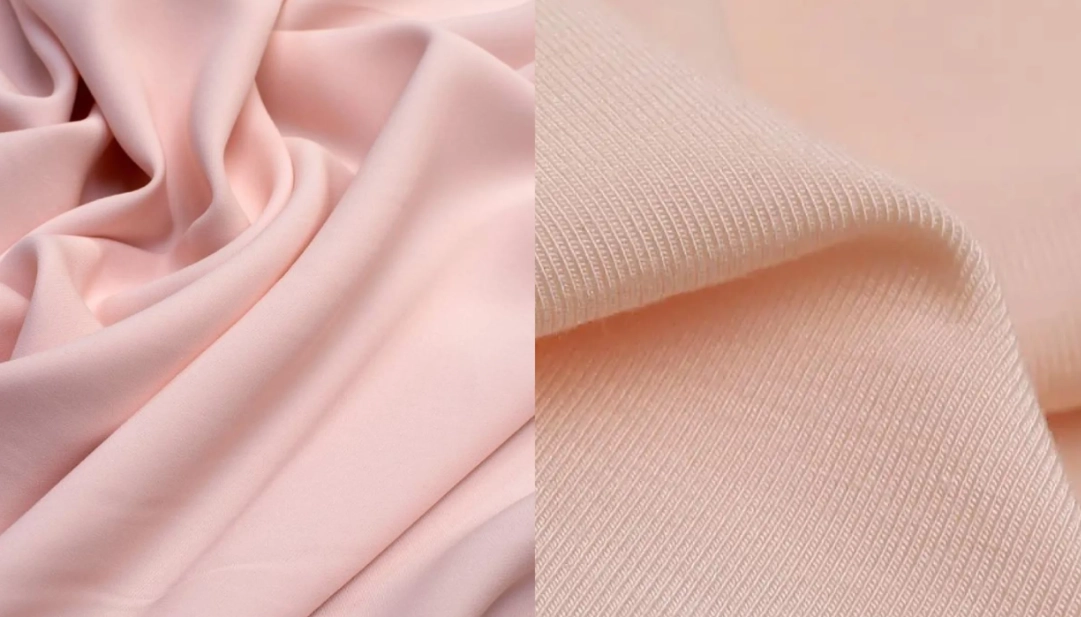
| Factor | Modal (TENCEL™ Example) | Conventional Cotton | Organic Cotton |
|---|---|---|---|
| Raw Material Source | Beechwood pulp (often FSC-certified) | Cotton plant | Cotton plant (no synthetic pesticides/GMOs) |
| Water Usage (Growing) | Very Low (rain-fed) | Extremely High | High (but often rain-fed/ better managed) |
| Chemical Use (Growing) | Typically none | Heavy pesticide/fertilizer use | Minimal (organic standards) |
| Production Process | Chemical dissolution (closed-loop ideal) | Mechanical processing (ginning, spinning) | Mechanical processing |
| Feel & Drape | Exceptionally soft, silky, excellent drape | Can be soft, but often crisper | Soft, can be slightly crisp |
| Breathability | Excellent | Excellent | Excellent |
| Durability (When Wet) | Stronger when wet than dry | Weakens when wet | Weakens when wet |
| Environmental Impact | Low-impact feedstock, process-dependent | High water, high chemical footprint | Lower chemical, still high water |
My take? For items where drape and silky softness are paramount—like lingerie, premium t-shirts, or flowing dresses—high-quality modal is hard to beat. For sturdy items like denim or canvas bags, cotton still reigns. Organic cotton is a fantastic natural choice, but it doesn’t replicate modal’s specific luxurious hand-feel.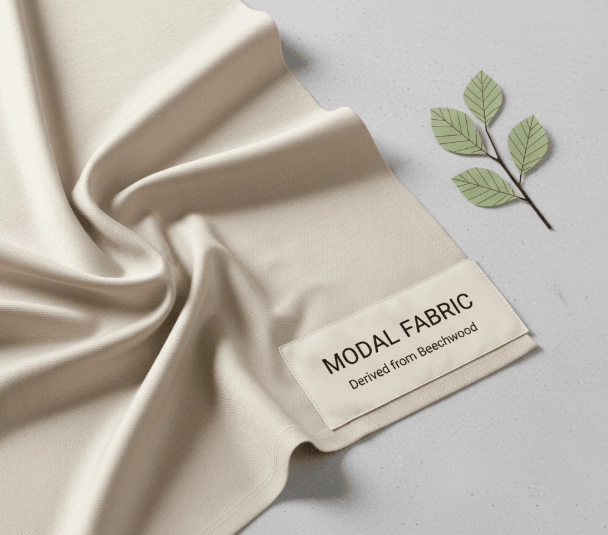
How to Buy Better Modal: A Practical Checklist
Don’t just trust the word “modal” on the tag. Be a detective. Here’s what I look for, honed from years of buying (and sometimes regretting) sustainable fabrics.
1. Look for the Brand Name Fiber: “TENCEL™ Modal” by Lenzing is the gold standard. It guarantees a closed-loop process and responsible wood sourcing. Other reputable producers exist, but TENCEL™ is the most transparent and widely available.
2. Check for FSC Certification: This should be on the hangtag or website description. No FSC claim? The wood could be coming from questionable sources.
3. Examine the Blend: Pure modal is great. But be wary of blends with synthetic fibers like polyester. A “modal blend” that’s only 40% modal mixed with 60% polyester largely inherits the environmental downsides of plastic.
4. Research the Brand’s Overall Ethics: A brand using TENCEL™ but practicing fast-fashion models (ultra-cheap, rapid turnover) is sending mixed signals. Look for brands that discuss fair labor, durability, and circularity (like take-back programs).
5. Feel It and Read Care Labels: True high-quality modal feels luxuriously soft and smooth. If it feels rough or plastic-like, it’s likely poor quality or a mislabeled blend. Also, check if it requires dry cleaning—sustainable modal shouldn’t; it’s easy to care for at home.
Caring for Your Modal Clothes
Modal is low-maintenance, but a few tips will make your garments last for years, which is the ultimate sustainable act.
Washing: Use cold water on a gentle cycle. Turn garments inside out to protect the surface. I avoid washing with heavy items like denim that can cause friction.
Detergent: Skip the harsh bleaches and optical brighteners. A mild, liquid detergent works best.
Drying: This is crucial. Never tumble dry modal on high heat. High heat is its kryptonite—it can weaken the fibers and cause severe shrinkage. Always air dry flat or on a line. If you must use a dryer, choose the absolute lowest heat or no-heat setting.
Ironing: If needed, use a low-temperature steam iron. The fabric usually drapes so well that ironing is rarely necessary.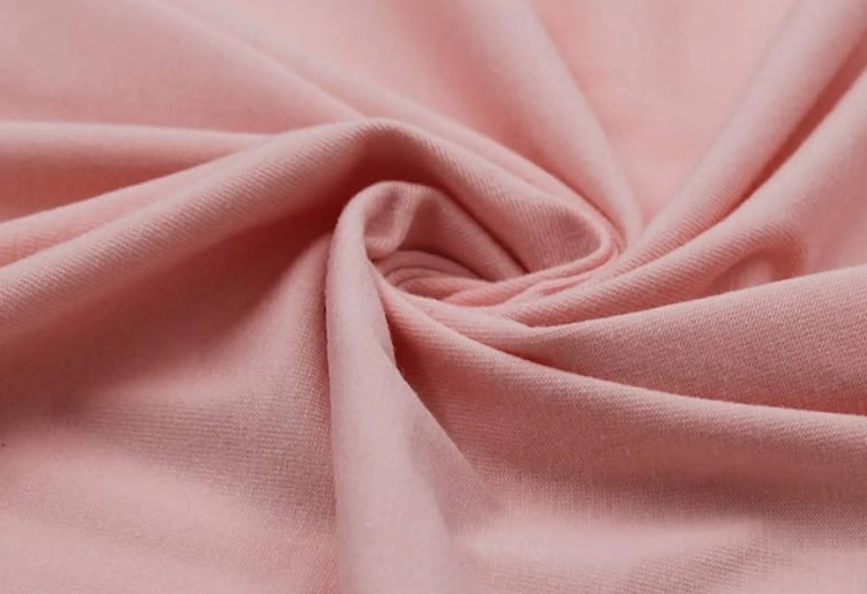
Your Modal Questions, Answered
So, is modal fabric natural? It’s a plant-based fabric transformed by human ingenuity. Don’t get hung up on the semantics of the word “natural.” Focus instead on the tangible markers of responsibility: closed-loop production, FSC-certified wood, and brands that are transparent about their entire process. When you find modal that checks those boxes, you’re getting a material that offers a fantastic, durable, and relatively low-impact alternative to conventional cotton—one that feels wonderful to wear with a clearer conscience.