You're looking at a soft, silky modal t-shirt or a set of bedsheets, and the question pops up: will this make me sweat? It's a fair concern. Nobody wants to feel clammy. The short answer is no, modal fabric generally does not make you sweat; in fact, it's one of the better plant-based fabrics for moisture management. But that's just the headline. The real story is in the details—the fiber's origin, how it's woven, and what you're comparing it to. As someone who's spent years sourcing and testing fabrics for activewear and loungewear, I've seen modal perform brilliantly in some scenarios and fall short in others where marketing claims led people astray. Let's cut through the hype and get into what actually matters for staying dry.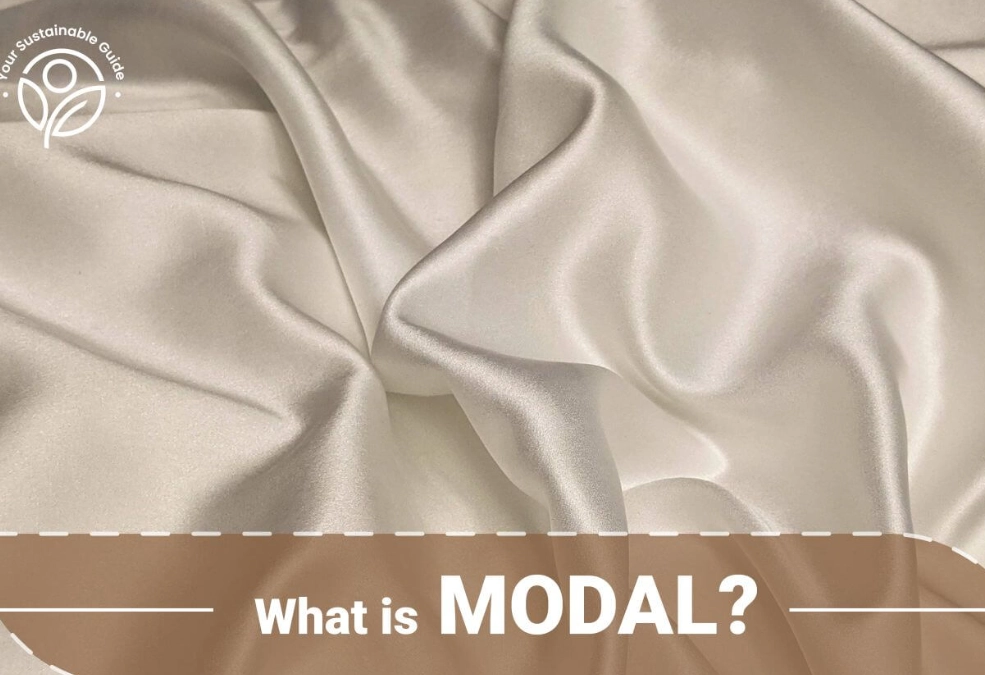
What's Inside This Guide?
What is Modal Fabric and How is it Made?
First, let's get our terms straight. Modal isn't a synthetic like polyester. It's a type of rayon, which means it's regenerated cellulose. The raw material is beechwood pulp, usually from sustainably managed forests. The wood chips are broken down into a pulp, then dissolved into a liquid solution, and finally pushed through tiny holes (spinnerets) to create fibers. This process is more refined than making standard viscose rayon, resulting in a stronger, more consistent fiber.
The key player here is Lenzing AG, an Austrian company. When you see "Lenzing Modal®," you're getting a specific, high-quality version. They've perfected a closed-loop process that recycles most of the water and chemicals, making it notably eco-friendly. Generic "modal" might not follow the same strict standards, which can sometimes affect performance.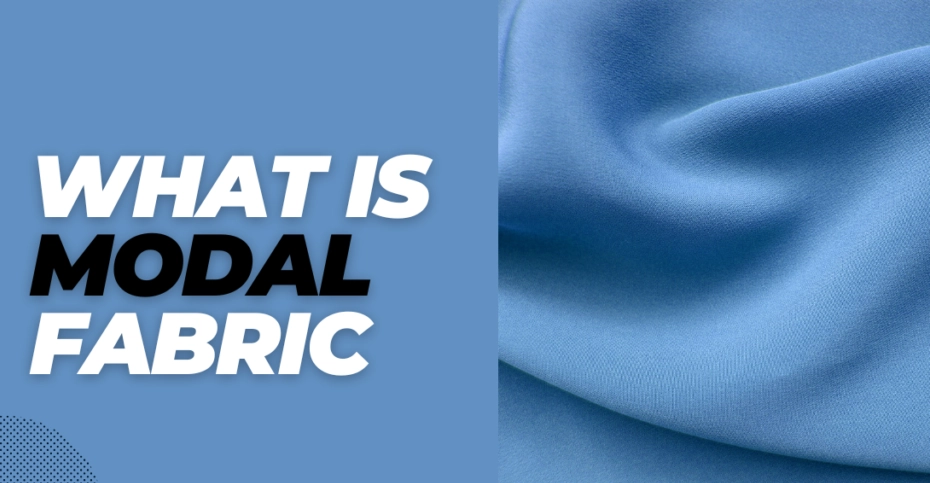
Why the source matters: The manufacturing process directly impacts the fiber's cross-section and surface smoothness. Lenzing Modal fibers have a rounded cross-section and an incredibly smooth surface. This isn't just a technical detail—it's why the fabric feels so soft and has less friction against your skin, which influences how moisture moves.
Many brands blend modal with other fibers like cotton, spandex, or polyester to add stretch, reduce cost, or alter the drape. This is crucial: a 95% modal/5% spandex blend behaves differently than a 50/50 modal-cotton mix. We'll come back to how blends affect sweating later.
The Science of Sweat and Fabric: How Modal Performs
Sweating is your body's cooling system. Whether a fabric makes you feel sweaty depends on two main things: moisture-wicking and breathability.
Moisture-wicking is about liquid transport. Can the fabric pull sweat (liquid moisture) away from your skin and spread it across the fabric's surface to evaporate? Modal is hydrophilic, meaning it loves water. Its cellulose structure readily absorbs moisture—about 50% more than cotton by weight. This sounds like it could be a problem, but it's the first step in wicking. The moisture gets absorbed into the fiber itself.
Here's where modal's smoothness pays off. Because the fibers are so smooth, the moisture can move along them relatively easily. In a well-knit modal fabric, this absorption and spreading action happens quickly, preventing that cold, wet patch from sitting directly on your skin. It doesn't "wick" in the aggressive, capillary-action way that some technical polyester does, but it manages light to moderate perspiration effectively through absorption and evaporation.
Breathability is about air permeability. Can air pass through the fabric to carry away vapor (the gaseous form of sweat) and heat? Modal fabrics, especially in knits used for t-shirts and underwear, are typically quite breathable. The fibers can be spun into fine yarns that are knitted into open, lightweight structures that allow for good airflow.
The catch? Breathability has more to do with the fabric construction (how it's woven or knitted) than the fiber alone. A thick, tightly woven modal canvas will be less breathable than a loose, gauzy modal knit.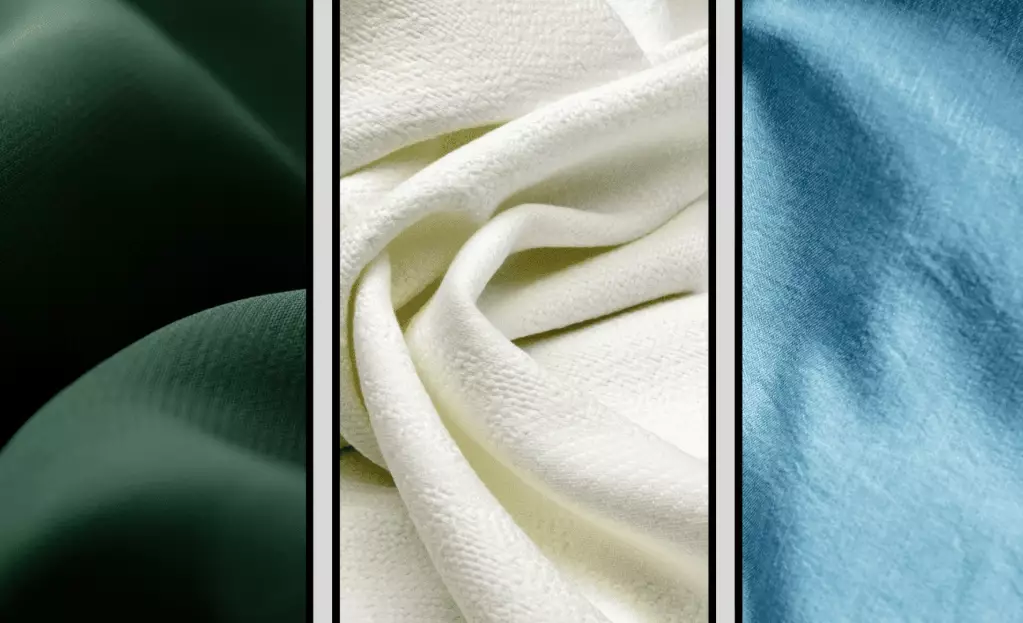
The Microclimate Effect
This is a term you don't hear often outside of textile labs. It refers to the tiny layer of air between your skin and the fabric. A good fabric helps maintain a comfortable microclimate. Modal's combination of softness (which keeps it from clinging too tightly) and moisture absorption helps regulate this space. It doesn't stick to wet skin like cotton can, which is a major plus.
Modal vs. Other Fabrics: A Breathability Showdown
Let's put modal in the ring with its main competitors. This table breaks down the sweat-factor from a practical, lived-in perspective.
| Fabric | Moisture Absorption | Drying Speed | Breathability (Typical) | The Sweat Verdict |
|---|---|---|---|---|
| Modal | Very High (Absorbs into fiber) | Moderate to Fast | High (in knits) | Excellent for light/moderate sweat. Feels cool and dry. Can feel damp if fully saturated. |
| Cotton | High (Holds on surface) | Slow | High | Absorbs well but holds moisture. Feels wet and clammy, can stick to skin. |
| Polyester | Very Low (Repels) | Very Fast (surface only) | Low to Moderate (varies widely) | Wicks quickly but can feel slick with sweat. Traps odor. Poor breathability can cause overheating. |
| Merino Wool | High (Absorbs into core) | Moderate | High | Superior temperature regulation. Can absorb a lot without feeling wet. Best for variable conditions. |
| Linen | High | Very Fast | Exceptionally High | King of breathability. Dries incredibly fast. Can feel crisp, not as soft as modal. |
Looking at this, modal's advantage over cotton is clear: it gets wet but doesn't stay miserably wet for as long. Compared to polyester, it feels more natural and breathable, though it won't dry as fast after a heavy workout. The common mistake is treating modal like a performance fabric for high-intensity sports. It's not. It's a comfort fabric for everyday life, light activity, and sleep.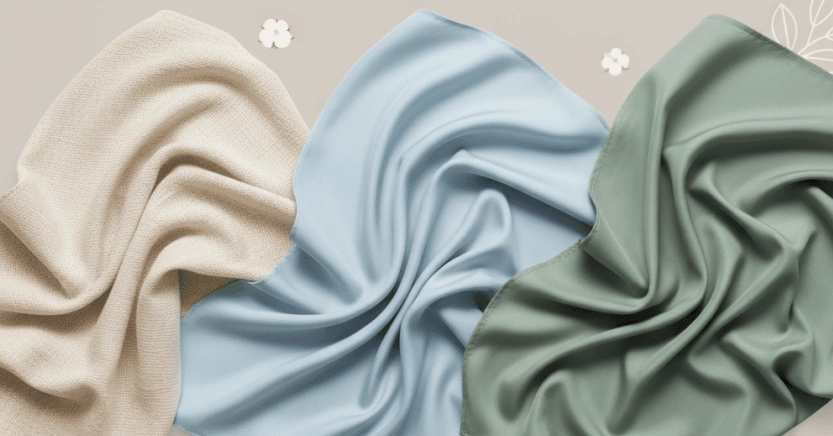
When Modal Might Make You Sweat (And When It Won't)
Based on my experience, here’s where modal shines and where you might want to pick something else.
Modal is a great choice to avoid sweating in:
Sleepwear and loungewear. This is modal's sweet spot. Your body temperature fluctuates at night. Modal's breathability and moisture absorption help maintain comfort without you waking up in a sweat. I switched to modal blend pajamas years ago and noticed a real difference over cotton flannel.
Everyday underwear and t-shirts. For standard daily wear in moderate climates, modal keeps you feeling fresh. It handles the incidental moisture from a warm commute or a busy day far better than a cheap polyester blend.
Travel clothing. It's lightweight, resists wrinkles, and its odor resistance (better than cotton, not as bad as polyester) is a bonus when you're on the move.
You might want to avoid 100% modal for:
High-intensity workouts. Running, spinning, heavy gym sessions. Modal will absorb your sweat, become heavy, and dry too slowly. You'll feel bogged down. This is where technical synthetics or merino wool are superior.
Extremely hot and humid climates. In 95°F with 90% humidity, any fabric that absorbs moisture will struggle because the air is too saturated for evaporation to work. Linen or very loose, lightweight cotton might be better here, as they promote maximum airflow.
Garments with very tight fits. A skin-tight 100% modal dress might not breathe as well if there's no air gap. Looser fits leverage modal's breathability better.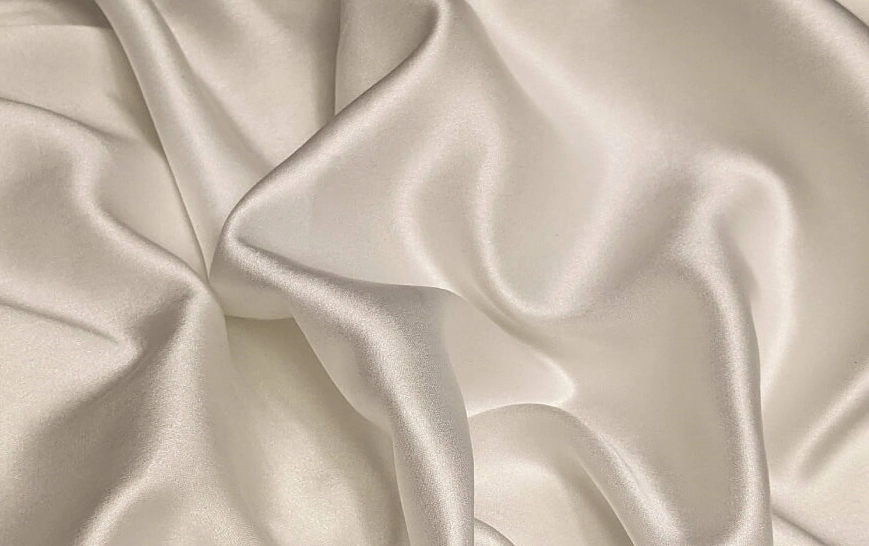
How to Choose Modal Garments That Won't Make You Sweat
Don't just buy something because it says "modal." Look deeper.
Check the blend. The care label is your best friend. A modal-spandex blend (e.g., 95%/5%) is fantastic for leggings or fitted tops—the modal provides comfort, the spandex provides recovery and prevents sagging when damp. A modal-cotton blend (e.g., 50%/50%) is very common. It combines modal's softness with cotton's familiarity and often lowers cost. Breathability is usually still good. Be wary of modal-polyester blends for hot weather. The polyester can reduce breathability significantly, trapping heat.
Assess the fabric weight and weave. Hold it up to the light. Can you see some light through it? That's a good sign for breathability. A dense, opaque modal fabric will be warmer. Jersey knits are common and breathable. Look for terms like "gauze," "mesh," or "lightweight jersey."
Consider the garment's purpose. Match the fabric to the activity. A modal robe? Perfect. Modal sheets? Excellent for temperature regulation. Modal hiking shirt? Maybe not for a strenuous summer hike.
Trust (but verify) the brand. Brands known for quality basics like Pact, Organic Basics, or those using Lenzing Modal specifically, tend to have better, more consistent fabric constructions. Fast fashion modal can be hit or miss—sometimes it's thin and poorly finished, which affects performance.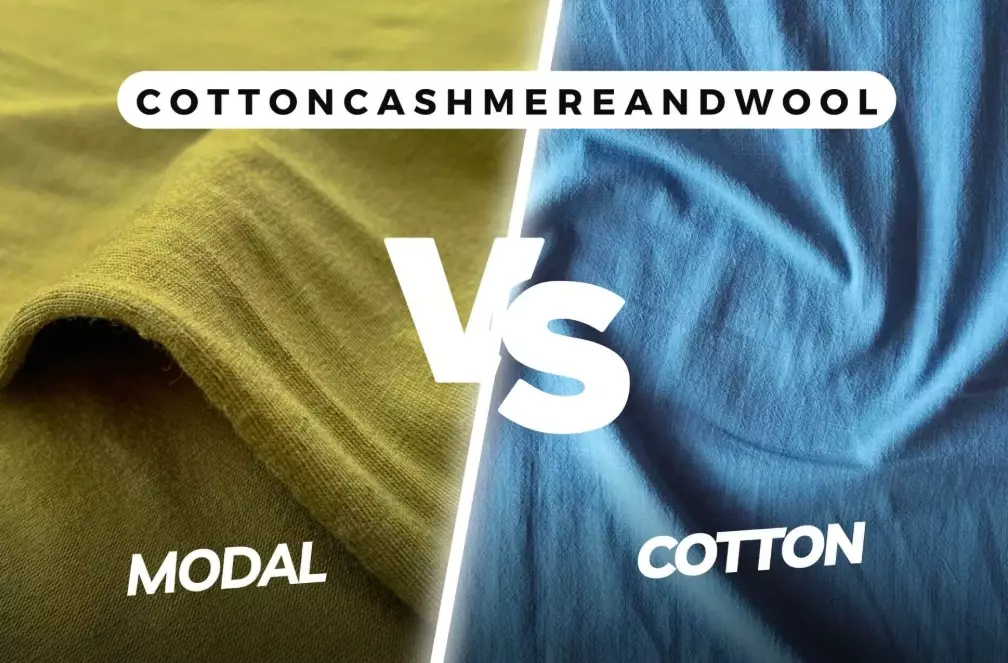
FAQs: Your Top Questions on Modal and Sweating
Is modal or cotton better for sweating?
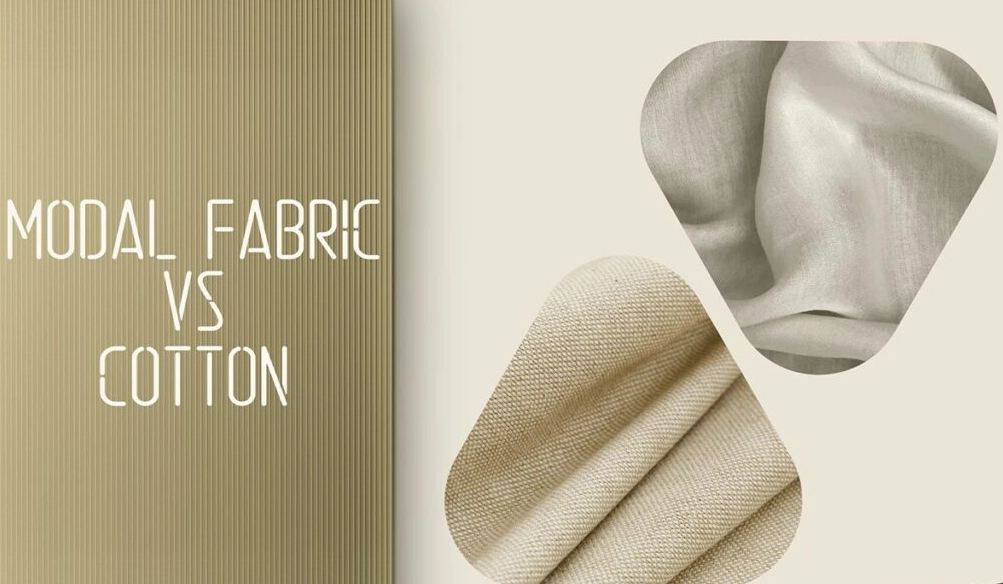
For avoiding that clammy, wet-feeling, modal is generally better. Cotton absorbs sweat but holds it on the surface next to your skin, leading to that familiar damp, sticky sensation. Modal absorbs moisture into the fiber and dries a bit faster. However, in a very loose, breezy weave (like a linen-cotton blend), cotton can feel cooler due to superior airflow. For fitted garments like t-shirts and underwear, modal usually wins on comfort during perspiration.
Can I wear modal fabric in summer heat?
Yes, but with smart choices. Opt for lightweight, loose-fitting modal garments in jersey or gauzy knits. They allow for maximum airflow. Avoid thick, tight modal clothing. In extreme, stagnant humidity, even modal will feel damp because evaporation slows to a crawl—in those conditions, prioritize loose weaves and light colors regardless of fiber.
 Why do my modal sheets sometimes feel damp?
This usually points to two issues: either a very high thread count or a blend with a non-breathable fiber. High thread count sheets have more threads per square inch, creating a tighter, less breathable weave. Also, some "modal" sheets are blended with microfiber (polyester), which traps heat and moisture. Look for pure modal or modal-cotton blend sheets with a thread count between 300-400 for a good balance of softness and breathability.
Is modal good for workout clothes?
For low-impact activities like yoga or Pilates, a modal-spandex blend can work well—it's soft, stretchy, and handles light sweat. For any workout where you expect to sweat profusely (running, HIIT, cycling), modal is not ideal. It will become saturated, heavy, and slow to dry, which can lead to chafing and discomfort. Stick to technical performance fabrics designed for high moisture output.
How does modal compare to Tencel Lyocell for sweat?
Tencel Lyocell (another type of rayon from Lenzing) is modal's close cousin. Their performance is very similar, as both are smooth, plant-based cellulose fibers with great moisture absorption. Some tests show Tencel has a slightly smoother fiber surface, which could theoretically aid in moisture movement, but in real-world wear, most people won't feel a dramatic difference. Both are excellent choices for breathable, sweat-managing comfort fabrics.
The bottom line? Modal fabric is a smart choice if you're prone to sweating and hate the feel of damp cotton or the plastic-y feel of polyester. It won't magically stop you from sweating, but it will manage the moisture effectively, keeping you feeling drier and more comfortable for longer in everyday situations. Focus on the blend and the garment's construction, and you'll likely find modal becomes a staple in your comfortable, breathable wardrobe.