That soft, breathable t-shirt you love, the crisp bed sheets you sleep on – it all starts with a fluffy white ball growing on a plant. The transformation of raw cotton fibre into wearable, durable fabric is a marvel of both ancient craft and modern engineering. It's not just one step; it's a precise, multi-stage pipeline that determines everything from the fabric's feel to its strength. Most explanations skim the surface, but if you've ever been frustrated by a shirt that pills too quickly or jeans that lose shape, understanding this process reveals why.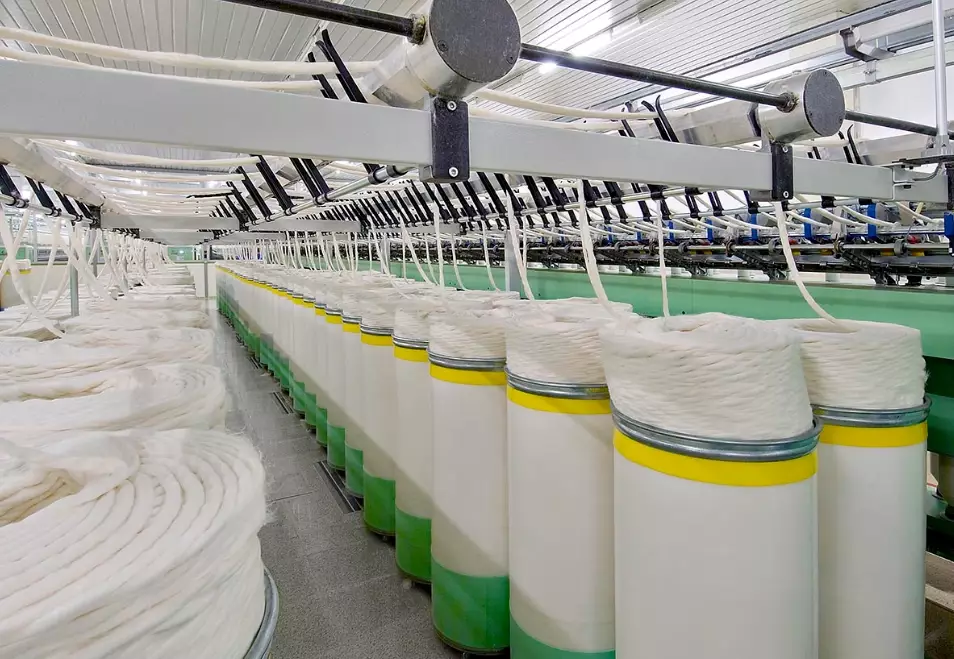
What You'll Learn in This Guide
I remember visiting a textile mill years ago and being stunned by the noise and scale. The guide kept saying "this step aligns the fibres," and it sounded like jargon. Only later, when a batch of yarn kept breaking during weaving, did I see the catastrophic domino effect of skipping one "small" alignment step. That's what we'll unpack here – not just the what, but the why behind each stage.
From Field to Bale: Harvesting and Ginning
The journey begins in the field. Cotton plants produce bolls, which burst open to reveal the raw cotton fibre, or lint, attached to seeds. This is where quality is first won or lost.
Harvesting is done either mechanically with giant pickers or strippers, or by hand in some regions. Machine harvesting is faster but can include more leaf trash (called "mote"). Hand-picking tends to be cleaner. The harvested mass, called seed cotton, is a messy mix of lint, seeds, stems, and leaves.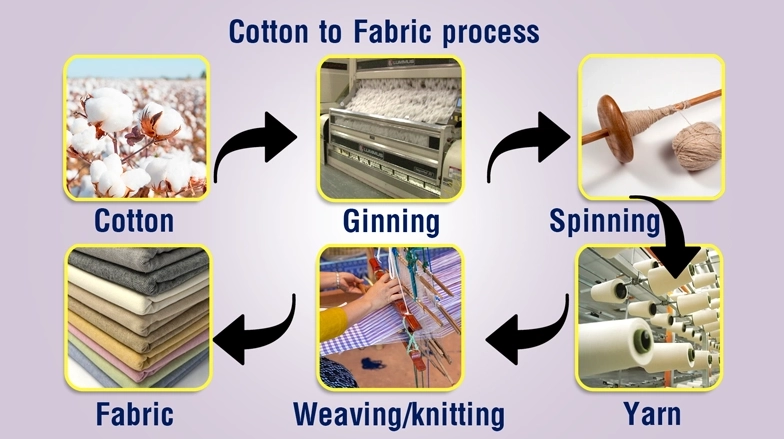
Ginning is the first major industrial step. The cotton gin, famously innovated by Eli Whitney, separates the valuable lint from the seeds. Modern gins are a series of circular saws that pull the fibres through narrow gaps, leaving the seeds behind. The seeds aren't waste – they're crushed for cottonseed oil or used as animal feed.
After ginning, the lint is pressed into dense, rectangular bales weighing nearly 500 pounds each. These bales are classified and sold based on staple length (fibre length), strength, and colour. Longer staples, like those from Egyptian or Pima cotton, are smoother and stronger, destined for high-end sheets and shirts.
The Spinning Preparation: Opening, Cleaning, and Aligning
At the spinning mill, the compact bales are broken open. This stage is all about transformation from a compressed mass to an aligned, continuous strand ready for spinning.
1. Blending, Opening, and Cleaning
Bales from different sources are often blended to ensure consistency. Machines with spiked rollers (openers) and air systems tease the fibres apart and remove the remaining impurities – dirt, dust, and mote. Think of it as a giant, industrial combing and shaking-out process.
2. Carding
This is a critical step many overlook. The cotton web passes through a carding machine covered with fine wires. It disentangles the fibres into a more parallel arrangement and forms them into a loose rope called a sliver (pronounced "sly-ver"). Carding removes shorter fibres and any tiny remaining impurities. The quality of carding directly impacts yarn evenness and strength. A poorly carded sliver leads to lumpy, weak yarn.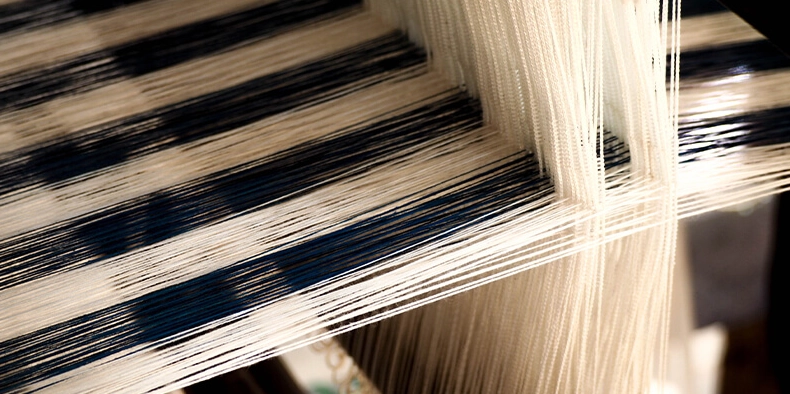
3. Drawing (or Combining)
Multiple carded slivers are combined and drawn out, which further blends the fibres, improves uniformity, and makes the sliver more consistent in thickness. It's a refining process.
4. Roving
The final prep step. The drawn sliver is gently twisted and attenuated (thinned out) to form a slightly stronger, but still fragile, strand called roving. This is wound onto large bobbins, ready for the spinning frame. It looks like a thick, fluffy yarn but has almost no real strength yet.
The Heart of the Matter: Yarn Creation (Spinning)
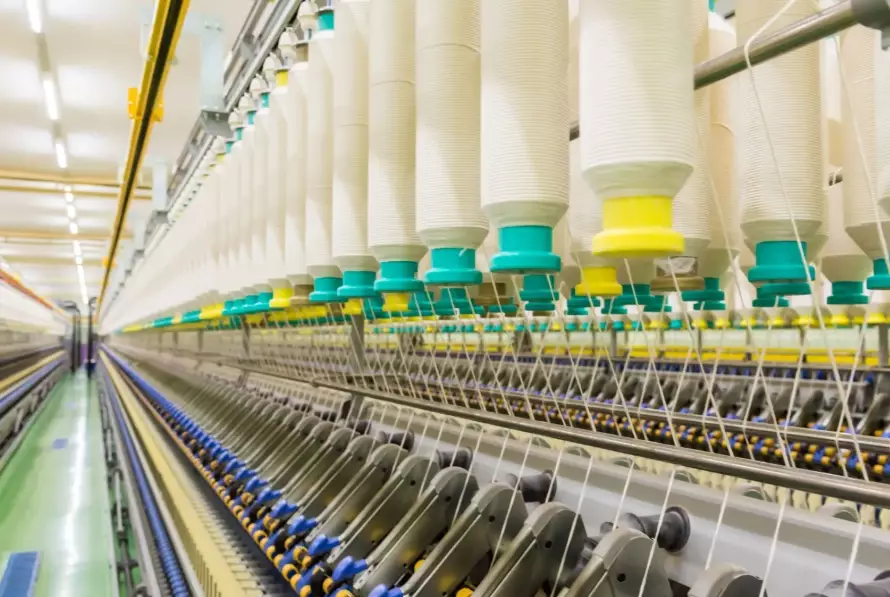
Spinning is where the magic happens – where loose fibres become a continuous, strong yarn. The roving is fed into a spinning frame where it's drawn out to the desired fineness.
Twist is inserted. This is the genius part. Spindles or rings twist the fibres together, creating friction and cohesion. The amount of twist matters: more twist creates a harder, stronger yarn (like for denim); less twist makes a softer, loftier yarn (like for flannel).
The finished yarn is wound onto cones or cheeses. You now have the fundamental building block of all cotton fabric. The yarn count (like 40s, 80s) indicates its fineness – a higher number means a finer yarn.
| Spinning Method | Key Characteristic | Common Use in Fabrics |
|---|---|---|
| Ring Spinning | Produces strong, fine, and versatile yarn with excellent structure. The classic, high-quality method. | Premium dress shirts, denim, high-thread-count sheets. |
| Open-End (Rotor) Spinning | Faster and more economical. Yarn is bulkier, softer, but slightly weaker and hairier. | Everyday t-shirts, towels, casual knitwear. |
| Compact Spinning | A modified ring spinning that produces smoother, stronger yarn with less hairiness by better controlling fibres. | Luxury shirting, fine-gauge knits where a smooth surface is critical. |
Fabric Formation: Weaving vs. Knitting
Now we have yarn. Turning it into fabric involves either intertwining (weaving) or looping (knitting) the threads. This choice defines the fabric's fundamental character.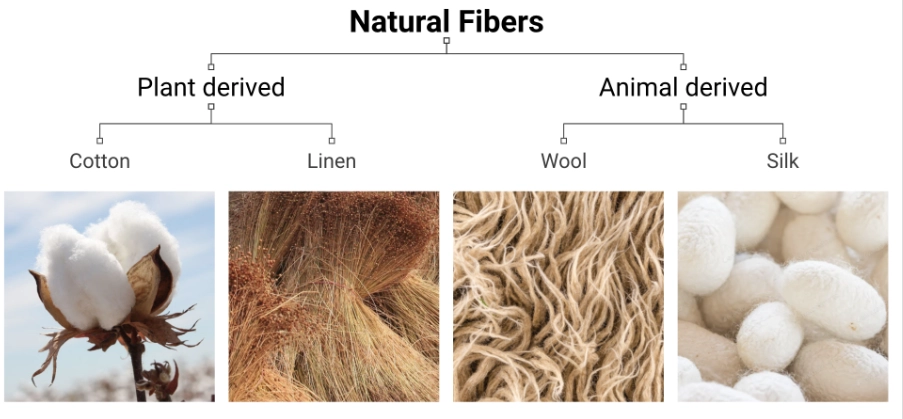
Weaving: The Interlace
Weaving happens on a loom. Lengthwise yarns (the warp) are held under tension. A crosswise yarn (the weft or filling) is passed over and under them in a specific pattern. The three basic weaves are:
Plain Weave: The simplest (over one, under one). Think of broadcloth, muslin, and taffeta. It's strong and firm.
Twill Weave: Creates a diagonal rib (like over two, under one). Denim and chino are classic twills. Durable and hides dirt well.
Satin Weave: Warp yarns "float" over many weft yarns, creating a smooth, lustrous surface. Less durable but very elegant.
Knitting: The Loop
Knitted fabric is made by forming consecutive loops of yarn. It's inherently stretchier, softer, and more porous than woven fabric.
Weft Knitting: The yarn runs crosswise, forming loops across the fabric. Hand-knitting is weft knitting. Used for t-shirts, sweaters, and socks. A snag can cause a "ladder."
Warp Knitting: Yarns run lengthwise, with each loop formed from a separate yarn. More stable, run-resistant, and less stretchy. Used for lingerie, tricot, and mesh fabrics.
The choice here is massive. Need a structured, crisp shirt? Weave it. Need a stretchy, comfortable tee? Knit it.
The Final Touch: Fabric Finishing
The fabric off the loom or knitting machine is called greige goods (pronounced "gray"). It's often dull, stiff, and may contain natural waxes and impurities. Finishing transforms it into the product you buy.
Singeing: Passing the fabric over a flame to burn off surface fuzz for a smoother feel.
Desizing: Removing the starch applied to warp yarns to strengthen them for weaving.
Scouring: A hot alkali bath that washes out natural waxes, oils, and remaining impurities.
Bleaching: For white or bright-coloured fabrics, hydrogen peroxide is used to remove the natural creamy tint of cotton.
Mercerization: A game-changer. Treating cotton with a concentrated sodium hydroxide solution under tension. It swells the fibres, increasing their strength, lustre (shine), and affinity for dye. Most quality cotton fabrics are mercerized.
Dyeing or Printing: Adding colour, either uniformly (dyeing) or in patterns (printing).
Final Treatments: This is where specific properties are added. Calendering (pressing between rollers) for a smooth finish. Sanforization for pre-shrinking. Brushing for a soft, fuzzy nap (like flannel). Or applying finishes for water repellency, wrinkle resistance, or stretch.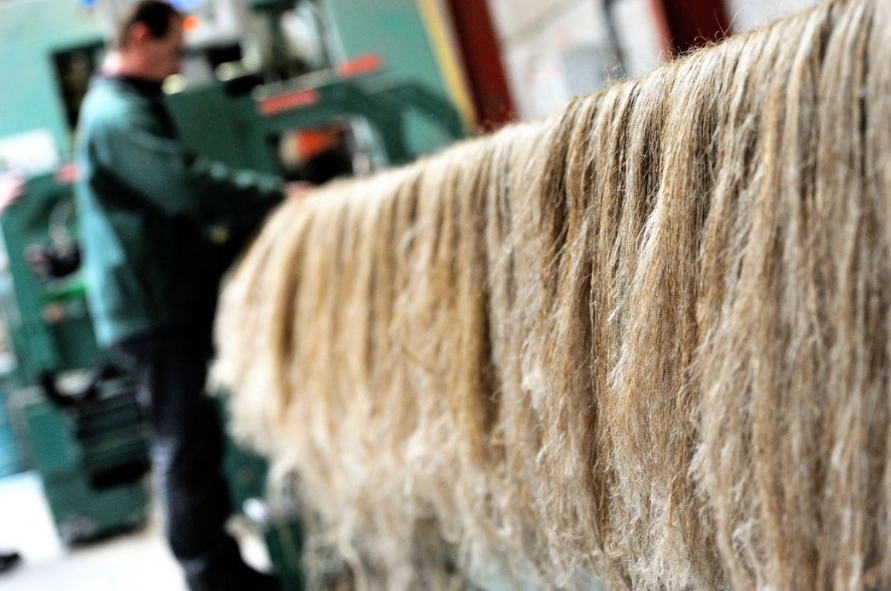
Here's the expert nuance: the order of these finishing steps isn't fixed. You can dye before or after mercerization, and the result differs. Dyeing after mercerization gives deeper, more vibrant colours because the fibre accepts dye better. A mill's sequencing choices are part of its secret sauce for quality.
Your Top Questions Answered
Here's the catch: you can inflate thread count by using thin, poor-quality, multi-ply yarns. A 1000 TC sheet made from crappy yarn is worse than a 300 TC sheet made from fine, long-staple, single-ply yarns. For true quality, prioritize the fibre (like Egyptian or Supima) and yarn fineness over a sky-high thread count number. A 400-600 TC from good yarn is the sweet spot for luxury sheets.
1. Better Cotton Initiative (BCI) or organic farming.
2. Waterless or low-water dyeing technologies.
3. Using safer, biodegradable chemicals in finishing.
4. Closing the loop on water treatment in mills.
When you buy a piece of cotton fabric, you're buying into the entire history of its production. Seeking out brands that disclose their supply chain and finishing practices is the best move for the planet.
 So there you have it. That simple cotton fibre goes on an epic journey of alignment, twisting, interlacing, and transformation. Each step isn't just a box to tick; it's a deliberate choice that defines the hand, durability, and performance of the final fabric in your hands. Knowing this doesn't just satisfy curiosity – it makes you a smarter shopper, able to decode labels and understand why you're paying for one fabric over another.