Dyeing linen isn't like dyeing cotton. Get it wrong, and you end up with a splotchy, faded mess that looks worse than before you started. Get it right, and you can transform a dull tablecloth, breathe new life into faded curtains, or create a one-of-a-kind garment with a rich, earthy depth that only linen can hold. After working with textiles for over a decade, I've seen the same mistakes repeated. This guide cuts through the fluff and gives you the exact steps and insider tricks to dye linen successfully at home.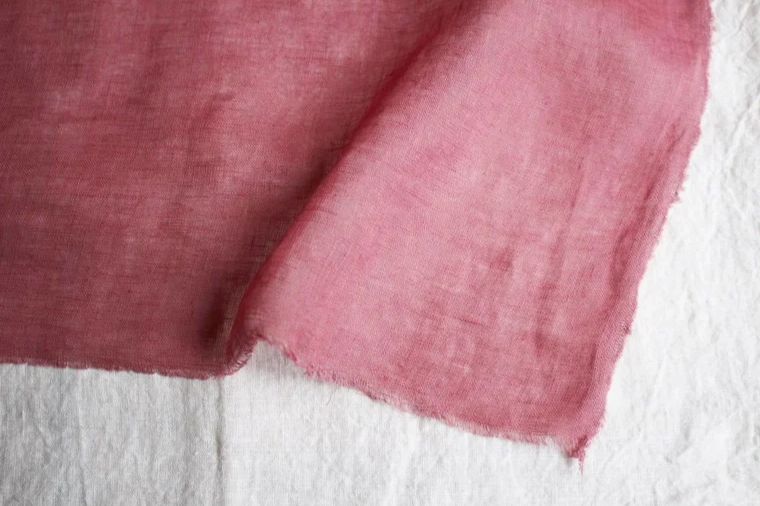
What You’ll Learn in This Guide
- Why Linen Behaves Differently Than Other Fabrics
- Choosing Your Dye: A Side-by-Side Comparison
- The Non-Negotiable Prep Work (Most People Skip This)
- The Step-by-Step Dyeing Process
- How to Make the Color Actually Stay (Fixing & Aftercare)
- 3 Common Mistakes That Ruin Linen Projects
- Your Dyeing Questions, Answered
Why Linen Behaves Differently Than Other Fabrics
Linen comes from the flax plant. Its fibers are hollow, rough, and have a natural wax called pectin. This is the root of both its charm and its challenge.
The hollow fibers mean dye can penetrate deeply, potentially giving gorgeous, saturated color. But the rough surface and pectin act like a barrier. If you don't break down that barrier first, the dye just sits on top. It looks okay when wet, but washes out in patches after the first laundry cycle. That's the heartbreak.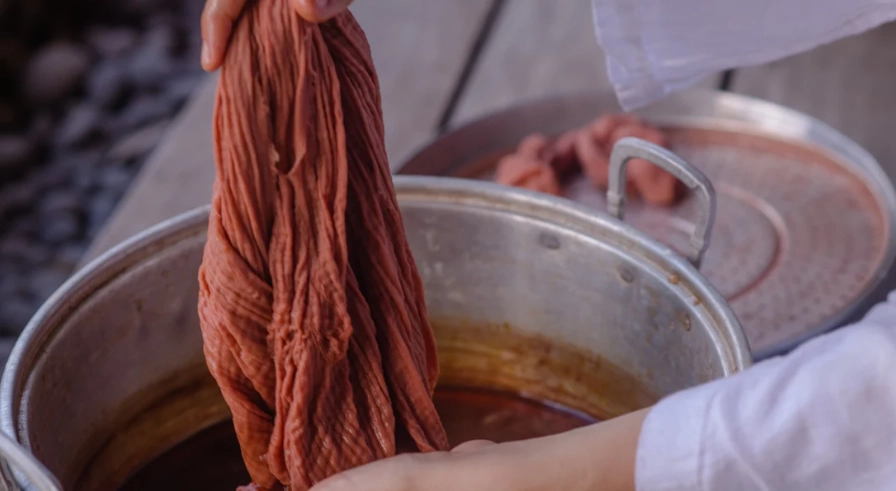
Cotton is smoother and more uniformly absorbent. Synthetic dyes for polyester work through heat bonding. Linen needs a middle path: enough chemical or physical agitation to open up the fibers, but not so much that you damage the fabric's strength.
Choosing Your Dye: A Side-by-Side Comparison
Not all dyes are created equal for linen. Your choice depends on the item's purpose, your desired color fastness, and your comfort level with chemicals.
| Dye Type | Best For | Key Advantage | Biggest Drawback | Colorfastness on Linen |
|---|---|---|---|---|
| Fiber Reactive Dye (e.g., Procion MX) | Garments, table linens, anything that will be washed frequently. | Forms a covalent bond with the fiber. This is the gold standard for color permanence on plant fibers. | Requires precise measurements, soda ash fixer, and can be messy. Not for stovetop use. | Excellent (if fixed properly) |
| Natural Dyes (e.g., turmeric, avocado pits, madder root) | Art pieces, decorative items, low-wear garments. The sustainable choice. | Creates unique, complex hues that are impossible to replicate chemically. The process is rewarding. | Extremely low colorfastness without a mordant (a metallic salt binder). Colors often fade to soft pastels. | Poor to Fair (Good with a strong mordant like alum) |
| All-Purpose Dye (e.g., Rit, Dylon Multi-Purpose) | Beginners, mixed-fabric items, or projects where perfect wash-fastness isn't critical. | Easy to use. Just add to hot water. Readily available. Good for a quick color refresh. | It's a "direct dye" that sits in the fiber. It will fade noticeably over repeated washes. | Fair (Expect gradual fading) |
| Acid Dye | Do not use for linen. These are for protein fibers like wool and silk. | N/A | Will not bond properly with plant fibers. Waste of time and money. | Very Poor |
My personal go-to for any linen item that needs to last is fiber reactive dye. Yes, it's more steps than all-purpose dye, but the result is night and day. The color becomes part of the fabric. I once dyed a linen shirt with Procion dye five years ago, and it's been through the wash countless times. It's faded slightly, evenly, like a well-loved denim jacket, not patchily.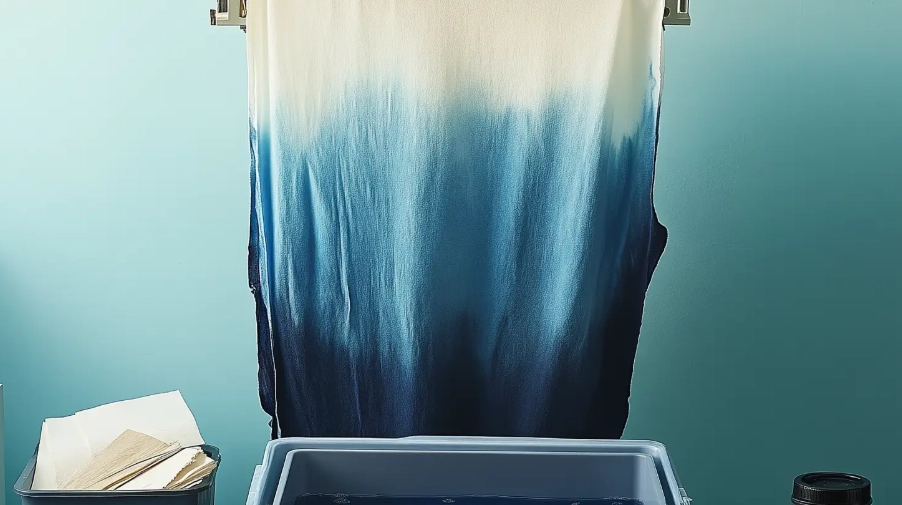
The Non-Negotiable Prep Work (Most People Skip This)
Think of this as priming a wall before painting. You wouldn't paint over grease and dust.
Step 1: Scour the Fabric
This isn't a regular wash. You're removing all the pectin, oils, dirt, and—crucially—any factory-applied finishes (like stain resistance or wrinkle release).
- Fill a large pot or bucket with enough hot water to submerge your linen loosely.
- Add 1-2 tablespoons of a pH-neutral soap like Synthrapol or even a generous squeeze of plain dish soap (like Dawn). Avoid laundry detergents with whiteners, softeners, or scents.
- Simmer the linen in this soapy water for at least 45 minutes to an hour. Stir occasionally. You'll see the water turn cloudy or yellowish. That's the gunk coming out.
- Let it cool, then rinse in warm water until the water runs completely clear.
Step 2: Mordant for Natural Dyes Only
If you're using natural dyes, you must mordant. For linen, alum (potassium aluminum sulfate) is the most common. Soak the wet, scoured linen in a hot alum solution (typically 15-20% of the fabric's weight in alum) for an hour. Then proceed to dyeing. This step is what allows the natural dye molecules to latch on.
For chemical dyes (fiber reactive or all-purpose), skip the mordant. Their bonding mechanism is different.
The Step-by-Step Dyeing Process
Let's walk through the most reliable method: using fiber reactive dye. The process for all-purpose dye is similar but omits the soda ash step.
What You Need
- Scoured, damp linen
- Fiber reactive dye powder (Procion MX type)
- Soda ash (fixer)
- Large plastic bucket or tub (non-food use!)
- Very warm water (about 105°F / 40°C)
- Salt (for the dye bath)
- Rubber gloves, mask (when handling powder), stirring stick
The Dye Bath
1. Dissolve the dye. In a small container, mix your dye powder with a little warm water to make a smooth paste. Then add more water to make a "stock" solution. Wear your mask for this step to avoid inhaling fine particles.
2. Prepare the main bath. Fill your bucket with enough warm water for the linen to move freely. Dissolve a generous amount of non-iodized salt in it (about 1 cup per gallon of water). The salt helps drive the dye into the fiber.
3. Add the dye. Pour your dye stock solution into the salt water bath. Stir thoroughly.
4. Add the fabric. Wring out your damp linen and submerge it. Agitate it continuously for the first 15-20 minutes. This is critical for evenness. Keep agitating every few minutes for an hour.
5. The Fixing Bath (This is the magic step). In a separate container, dissolve soda ash in warm water (about 1 cup per gallon of dye bath volume). After your linen has been in the dye bath for a full hour, lift it out temporarily. Pour the soda ash solution into the dye bath, stir well, then return the linen. Soak for another hour, agitating occasionally.
The soda ash raises the pH, triggering the chemical reaction that permanently bonds the dye to the linen fiber.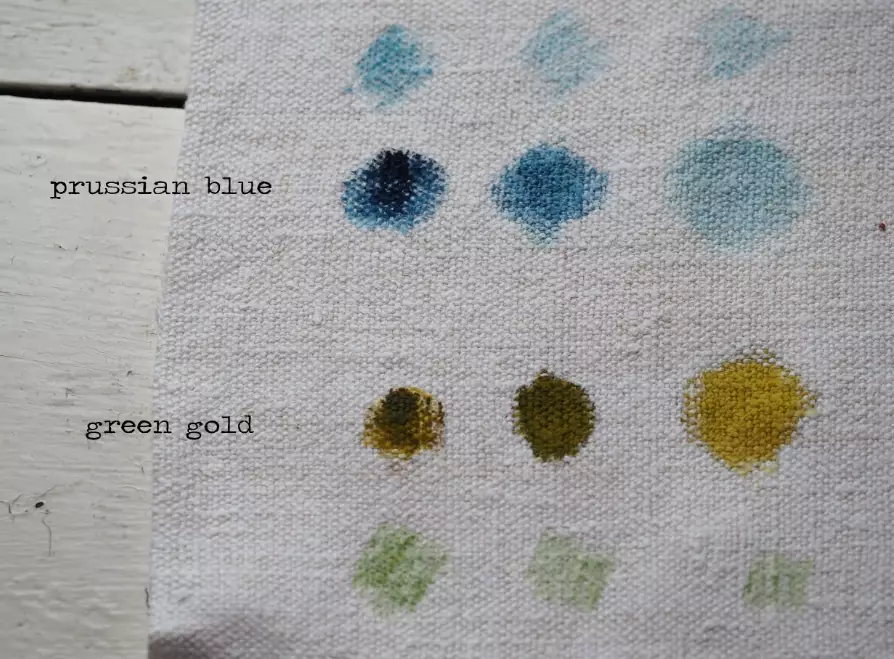
How to Make the Color Actually Stay (Fixing & Aftercare)
You're not done when you pull it out of the bath.
Rinsing: Wearing gloves, rinse the linen under cool running water until it runs mostly clear. Then gradually increase to warm water. Finally, wash it alone in your washing machine on a warm cycle with a tiny bit of that pH-neutral soap (Synthrapol is perfect here—it grabs loose dye molecules).
Drying: Hang dry or tumble dry on low. The heat from a dryer can help further set some dyes.
The First Few Washes: Wash your newly dyed linen separately or with similarly colored items for the first 2-3 washes. A tiny amount of excess dye may still release. This is normal.
3 Common Mistakes That Ruin Linen Projects
I've fixed a lot of botched jobs. Here’s what usually went wrong.
1. Skipping the Scour. We've covered this. It's the foundation.
2. Not Using Enough Water or Agitation. Crowded dye baths lead to uneven color. Your fabric needs room to swim. If it's bunched up, some parts will be darker.
3. Misunderstanding Fixers. Adding soda ash to the dye bath at the start with fiber reactive dyes. If you do this, the dye starts bonding immediately and exhausts too quickly, leading to weak, uneven color. Always add soda ash after the dye has had time to penetrate (the "soda ash after" method). For all-purpose dyes, the "fixer" is often just the hot water and salt—follow the specific brand's instructions, as they vary.
Your Dyeing Questions, Answered
Can I dye a linen blend, like linen-cotton or linen-rayon?
My dyed linen came out much lighter than I wanted. What happened?
How do I prevent color fading in the sun for naturally dyed linen curtains?
Is it safe to dye linen in a washing machine?
 Dyeing linen is part science, part patience. Respect the fiber's character—its stubbornness and its strength. When you put in the prep work and choose the right dye for the job, you're not just changing a color. You're giving a piece of cloth a completely new story, one that should last for years. Start with a small, unimportant piece to build your confidence. Once you get that first vibrant, even result, you'll see every faded linen item in your home as a potential canvas.