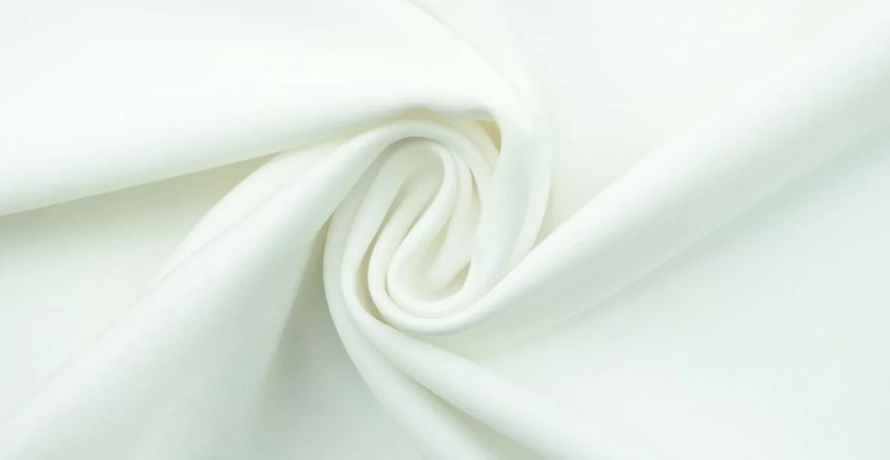
Let's be clear right from the start. Milk silk fabric has nothing to do with actual silk from silkworms, and it doesn't contain milk. I know, the name is confusing. It's a marketing term that caught on because the fabric feels incredibly soft and smooth, almost like a luxurious blend of milk and silk. What you're actually getting is a type of rayon, a plant-based fiber, that's been processed to have a silky sheen and a drape that mimics the real thing. If you've ever bought a surprisingly affordable "silky" blouse, pajama set, or bedsheet that felt amazing against your skin, there's a good chance it was milk silk. This guide will cut through the marketing fluff and tell you exactly what it is, where it shines, where it falls short, and how to make the most of it.
What You’ll Discover
What Exactly is Milk Silk Fabric?
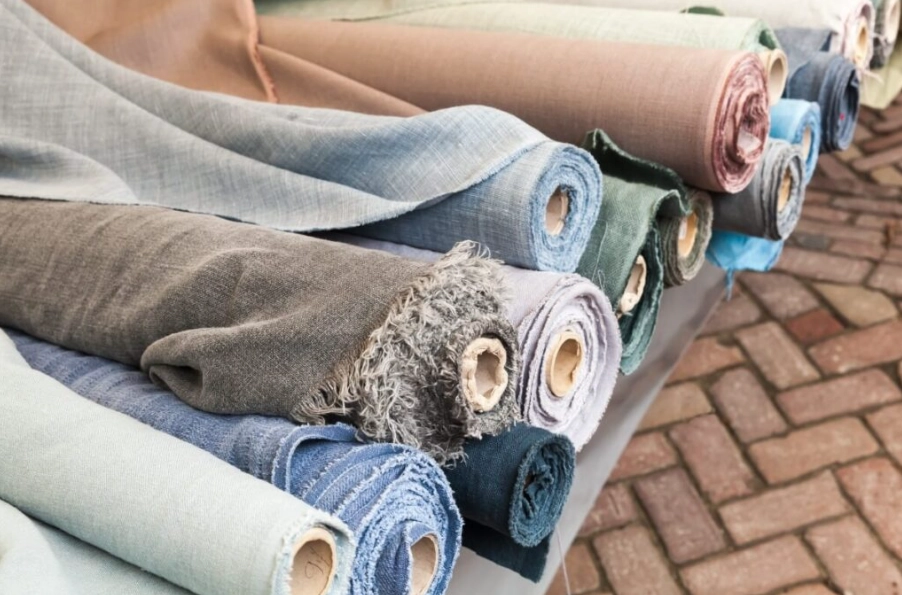
The core material is usually a high-quality modal or bamboo viscose. These are both regenerated cellulose fibers. That's a fancy way of saying they start with wood pulp from beech trees or bamboo plants. The pulp is dissolved and then forced through tiny holes to create threads. The magic—and the source of the "silk" feel—happens in the finishing process.
Manufacturers treat the woven modal/viscose fabric with specific chemicals and mechanical processes. This alters the surface texture, giving it that distinctive, cool-to-the-touch glide and subtle luster. The result is a fabric that looks and feels far more expensive than it is. It's a classic example of textile engineering creating an accessible luxury.
I remember the first time I handled a milk silk garment. It was a robe. The weight was substantial, not flimsy, and it flowed over my hands without any friction. My brain immediately said "silk," but the price tag said otherwise. That's the entire point.
Key Characteristics of Milk Silk
Understanding these traits will help you decide if it's right for your project or purchase.
Breathability & Moisture-Wicking: This is its superpower. Being plant-based, the fibers are highly absorbent. They pull moisture (sweat) away from your skin and allow it to evaporate quickly. I find milk silk sleepwear and summer tops outperform cotton in humid weather. You stay dry.
Hypoallergenic and Skin-Friendly: The smooth fibers have no microscopic scales that can irritate skin, unlike wool or some lower-quality synthetics. For people with sensitive skin or conditions like eczema, this can be a game-changer. It's consistently gentle.
Thermoregulating: It keeps you cool in summer and provides a cozy, non-clammy warmth in winter. It's a great year-round fabric because of this balance.
Drape and Luster: It falls beautifully. This makes it perfect for loose-fitting dresses, skirts, and blouses where fluid movement is desired. The sheen is soft, not plastic-y or garish.
The Downsides: It's not all perfect. Durability is a concern. The fibers are weaker when wet, so it requires gentle care. It can wrinkle, though not as badly as pure linen. And that amazing drape sometimes comes with a lack of structure—don't use it for a tailored blazer.
Milk Silk vs. Real Silk: A Detailed Comparison
This is where most people get tripped up. They're not interchangeable. Here’s a breakdown that goes beyond the basics.
| Attribute | Milk Silk (Modal/Viscose Blend) | Real Silk (Mulberry, Charmeuse, etc.) |
|---|---|---|
| Source | Regenerated wood pulp (beech, bamboo). | Fibers spun by silkworms. |
| Feel & Texture | Consistently very soft, smooth, cool. Can feel slightly heavier. | Uniquely smooth, warm, and luxuriously light. Has a distinctive "grip." |
| Thermal Properties | Good temperature regulation. Cool in heat, warm in cold. | Excellent insulator. Warm in winter, surprisingly cool in summer. |
| Strength & Durability | Weaker, especially when wet. Prone to pilling over time with friction. | One of the strongest natural fibers. Very durable with proper care. |
| Care & Maintenance | Machine wash gentle/cold is often okay. Lay flat to dry. Low iron. | Almost always hand-wash or dry clean. Very heat-sensitive. |
| Environmental Impact | Varies. Modal from certified beech forests (e.g., Lenzing) is sustainable. Generic viscose can be harmful. | Traditional silk has animal welfare and resource-use concerns. Peace silk is an alternative. |
| Price Point | Affordable to mid-range. Accessible luxury. | Premium to very high. An investment piece. |
| Best For | Everyday luxury: pajamas, loungewear, casual blouses, bedsheets, underwear. | Special occasions, heirloom pieces, tailored items, scarves. |
Think of milk silk as the practical, low-maintenance cousin of silk. You get 80% of the sensory pleasure for 20% of the cost and 10% of the care hassle. But you sacrifice some longevity and that irreplaceable, unique hand-feel of genuine silk.
Common Uses for Milk Silk Fabric
Its properties make it ideal for specific applications. Here’s where it truly excels.
Apparel You Live In
This is the sweet spot. Nightgowns, pajama sets, and robes where comfort is paramount. The breathability is a huge win for sleep. I've switched almost all my summer pajamas to milk silk blends. Also, casual tops, tunics, and loose-fit dresses for hot days. It feels elegant without being fussy.
Home Textiles
High-thread-count cotton will always have its place, but milk silk bedsheets and pillowcases are gaining a cult following. They stay cool throughout the night, which is a blessing for hot sleepers. The smooth surface is also gentler on hair and skin, potentially reducing bedhead and facial creases. Duvet covers in this material feel incredibly indulgent.
Lingerie and Underwear
The hypoallergenic and moisture-wicking nature makes it a fantastic choice for items worn directly against the skin all day. You'll find it in premium bras, panties, and camisoles.
Caring for Your Milk Silk Garments
Ignore the care label at your peril. This is the most common way people ruin good milk silk items.
Washing: Always turn the garment inside out. Use cold water on a gentle or delicate cycle. Never use bleach or harsh detergents. A mesh laundry bag is your best friend—it protects the fabric from snags and excessive agitation. When in doubt, hand-wash in cool water with a mild soap.
Drying: This is critical. Never, ever put milk silk in the dryer. The heat will shrink it dramatically and can melt or damage the fibers. Always lay the item flat on a drying rack, reshaping it as needed. Avoid hanging, as the water weight can stretch the fabric out of shape.
Ironing: If you must iron, do so while the garment is still slightly damp. Use the lowest possible heat setting (synthetic or silk setting). Place a thin cotton cloth (like a pillowcase) between the iron and the fabric to prevent scorching that subtle sheen.
Storage: Fold items neatly. Hanging them for long periods can cause shoulders to stretch or create permanent creases.
Frequently Asked Questions About Milk Silk
 How does milk silk compare to cotton or polyester for everyday wear?