If you've bought a t-shirt, bedsheet, or pair of underwear in the last few years labeled "modal," you've felt it. That impossibly soft, cool, and silky texture that seems to get better with every wash. It feels luxurious, but the tag often mentions sustainability. So what's the deal? What is modal fabric actually made of, and how does a tree turn into something so comfortable against your skin? Let's cut through the marketing fluff. Modal is a type of rayon, but it's not your grandmother's scratchy rayon. It's a high-performance, semi-synthetic fiber derived from the pulp of beech trees. The magic isn't just in the raw material—it's in a specific, closed-loop chemical process that makes it uniquely soft and strong.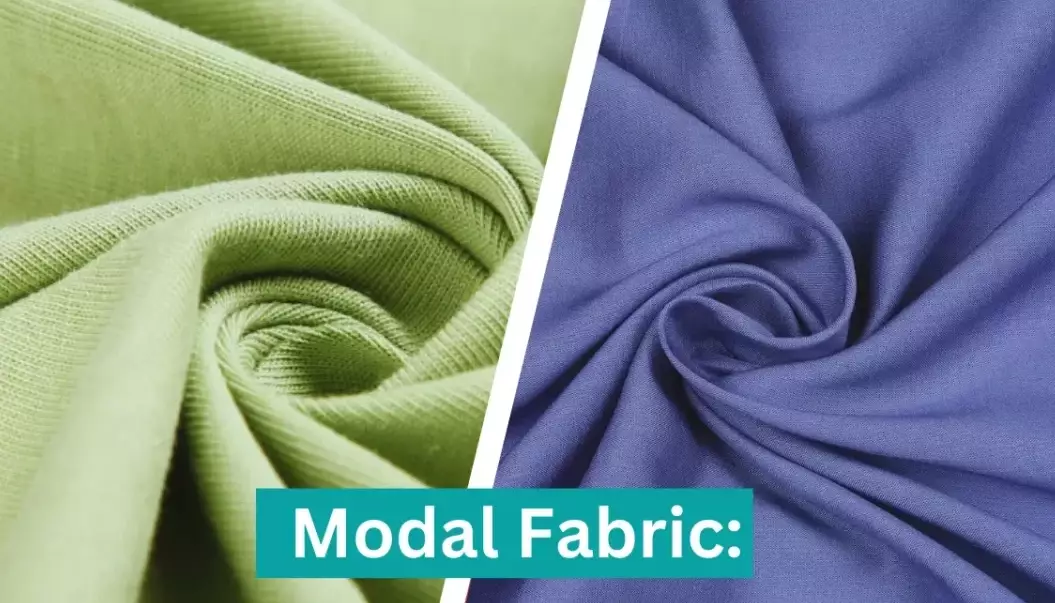
I've worked with textiles for over a decade, and I've seen the confusion firsthand. People hear "made from trees" and think it's like paper, or they see "rayon" and assume it's cheap and fragile. Neither is true. Understanding what modal is made from explains why it drapes so beautifully, why it's more absorbent than cotton, and whether it truly deserves its eco-friendly reputation.
What You'll Discover Inside
- The Core Material: It Starts in the Forest
- From Wood Pulp to Yarn: The Manufacturing Process Demystified
- Modal vs. Cotton, Viscose & Lyocell: A Practical Comparison
- Why Choose Modal? The Real-World Benefits (And a Few Drawbacks)
- Caring for Your Modal: A No-Nonsense Guide
- Your Modal Questions, Expertly Debunked
The Core Material: It Starts in the Forest
At its heart, the material modal fabric is made from is cellulose. More specifically, it comes from the cellulose found in the wood of beech trees (Fagus sylvatica). This isn't a random choice. Beech trees are the superstar for a few key reasons that directly affect the final fabric.
First, they often grow in managed forests in Central and Eastern Europe (Austria is a major hub) without the need for artificial irrigation or pesticides. This gives modal a leg up on sustainability compared to water-guzzling crops like conventional cotton. The wood is harvested, chipped, and then processed to extract the pure cellulose. This raw, white, fluffy substance is the starting point for all rayon fibers, including modal.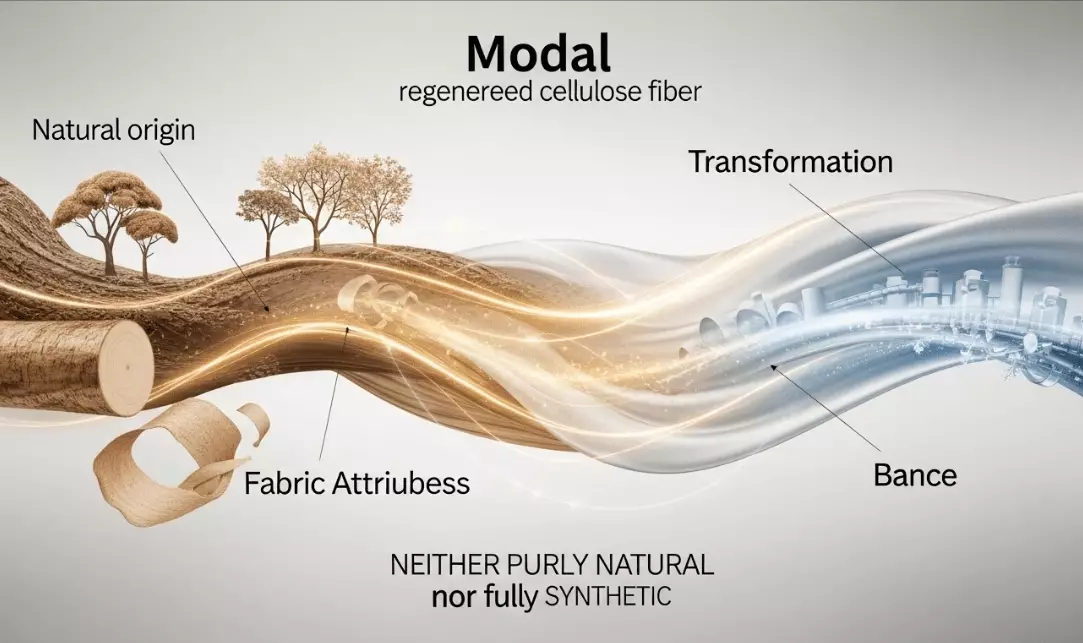
A crucial point most articles miss: Not all modal is created equal. The quality and sustainability of the final fabric are heavily dependent on the source of the pulp and the manufacturer's process. The brand Lenzing AG from Austria holds the trademark for "Lenzing Modal®" and is considered the gold standard. Their pulp comes from PEFC or FSC-certified forests, ensuring responsible forestry. When you see just "modal" on a tag, it could be from anywhere. For the best eco-credentials, look for the Lenzing Modal® label or TENCEL™ Modal (their latest, even more sustainable version).
From Wood Pulp to Yarn: The Manufacturing Process Demystified
So, we have wood pulp. How does it become a soft thread? This is where the "semi-synthetic" label comes in. The natural cellulose is dissolved using chemicals to create a viscous solution, which is then forced through tiny holes (spinnerets) into a bath that solidifies it into fibers. This is the core of the viscose process. Modal is a second-generation viscose rayon, meaning the process is modified and more efficient.
The key modifications for modal involve:
- Higher Degree of Polymerization: Fancy term for leaving the cellulose molecules in longer, stronger chains. This is why modal is stronger than standard viscose rayon, especially when wet.
- Modified Spinning Bath & Stretching: The fibers are stretched more during production, which aligns the molecules and increases strength and smoothness.
- Potential for a Closed-Loop System: Leading producers like Lenzing recover and reuse over 99% of the chemicals and water in the process. This is a massive differentiator. If a brand can't tell you about their manufacturer's chemical recovery rate, their modal's green claims are shaky.
Imagine the difference between hastily rolling out cookie dough versus carefully kneading and rolling bread dough. The latter is smoother, more uniform, and holds together better. That's the difference between basic viscose and modal production.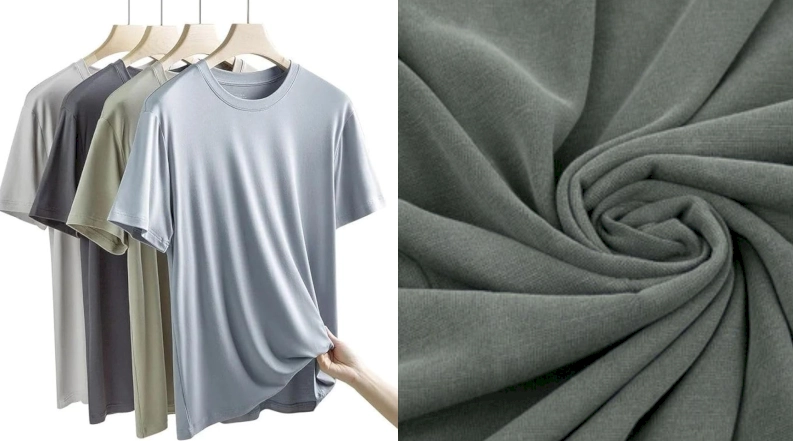
Modal vs. Cotton, Viscose & Lyocell: A Practical Comparison
You don't need a chemistry degree to choose fabric. You need to know how it behaves. Here’s how what modal is made from translates into real-life performance against its closest competitors.
| Feature | Modal | Cotton (Conventional) | Viscose Rayon | Lyocell (TENCEL™) |
|---|---|---|---|---|
| Raw Material | Beech Tree Pulp | Cotton Plant | Various Wood Pulps (e.g., Bamboo, Eucalyptus) | Eucalyptus Wood Pulp |
| Softness | Exceptionally soft, silky feel from first wear. | Softens over many washes. | Can be soft but often weaker, may feel slightly synthetic. | Very soft, with a cooler, drier feel. |
| Moisture Absorption | ~50% more absorbent than cotton. Wicks moisture away quickly. | Absorbent, but can feel damp and clingy. | Highly absorbent, but loses strength when wet. | Extremely absorbent, excellent moisture management. |
| Strength | Strong, especially when wet. More durable than viscose. | Strong when dry, weaker when wet. | Weakest, especially when wet. Prone to tearing. | Strongest of all, even when wet. |
| Environmental Impact | Low water/ pesticide use for trees. Depends heavily on closed-loop manufacturing. | Very high water & pesticide use typically. | Often high chemical/water use with poor recovery. (Bamboo viscose is usually this). | Gold standard. Closed-loop process, sustainable tree sourcing. |
| Common Uses | Underwear, t-shirts, pajamas, bedsheets, towels. | Everything (jeans, shirts, towels, etc.). | Blouses, dresses, linings, cheap clothing. | Premium activewear, denim, bedding, dresses. |
The takeaway? Modal sits in a sweet spot. It's more absorbent and softer from the get-go than cotton, but typically more affordable than lyocell. It's a smarter, more durable upgrade from standard viscose.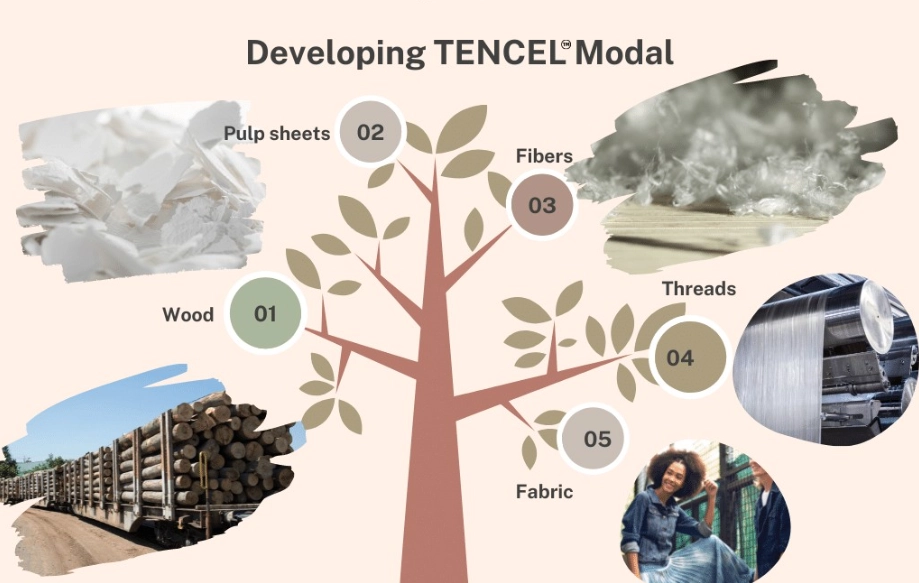
Why Choose Modal? The Real-World Benefits (And a Few Drawbacks)
Knowing what modal fabric is made from explains its perks. Let's talk about where it shines and where it might not be the best pick.
The Major Advantages:
Breathability & Moisture-Wicking: This is modal's killer feature. Because the fibers are so absorbent, they pull sweat away from your skin and allow it to evaporate. I always recommend modal for summer pajamas or sheets to anyone who sleeps hot. It genuinely feels cooler than cotton.
Silky Softness & Drape: That luxurious feel isn't a lie. The smooth fibers create a fabric that drapes beautifully and feels incredible against sensitive skin. It's a common choice for premium underwear brands for this reason.
Color Retention: Modal holds dye brilliantly. Colors look vibrant and resist fading wash after wash, more so than cotton. That black modal t-shirt will stay black longer.
Shrink Resistance & Wrinkle Resistance: It's relatively stable. You won't get the dramatic shrinkage you sometimes see with cotton, and it tends to come out of the dryer with fewer wrinkles.
The Considerations (Not Quite Drawbacks):
It Can Be Prone to Pilling: In lightweight knits (like thin t-shirts), modal can develop small fabric pills over time, especially in high-friction areas like under the arms. Blending it with a small percentage of synthetic fiber (like 5% elastane or polyester) often mitigates this without losing the core feel.
Heat Sensitivity: While strong, the fibers can be damaged by very high heat. You should never iron modal on a high cotton setting. More on care below.
The "Green" Factor is Variable: As stressed earlier, "modal" alone doesn't guarantee an eco-friendly product. The sustainability hinges on the manufacturer. Do your homework on the brand.
Caring for Your Modal: A No-Nonsense Guide
Treat it well, and it'll last for years. Treat it poorly, and you'll wonder why it fell apart. Here’s the simple guide based on its material properties.
- Washing: Machine wash cold or warm on a gentle cycle. Turn garments inside out. Use a mild detergent. Avoid chlorine bleach.
- Drying: Tumble dry low or no heat is best. High heat is the enemy. I always air-dry my modal items on a rack. They dry quickly due to the moisture-wicking properties, and it completely avoids any risk of heat damage or shrinkage.
- Ironing: If you must, use a low heat setting (silk/rayon setting). Better yet, remove items from the dryer while slightly damp and smooth them out—they often dry wrinkle-free.
- Storage: It's not prone to moths or mildew, but keep it in a cool, dry place like any other fabric.
Your Modal Questions, Expertly Debunked
Is modal fabric made from bamboo?
This is a huge source of confusion. No, true modal is made from beechwood. "Bamboo fabric" in 99% of cases is actually viscose rayon made from bamboo pulp. It undergoes a similar chemical process but is not the same as modal. Bamboo rayon is often marketed as eco-friendly because bamboo grows fast, but the chemical processing can be very dirty if not done in a closed loop. Always check the label: if it says "bamboo viscose" or "rayon from bamboo," it's not modal.
For someone with sensitive skin, is what modal is made from hypoallergenic?
The cellulose itself is hypoallergenic and non-irritating. The smooth fiber structure means there are no tiny spurs or rough edges to chafe skin, which is why it's so popular for base layers and underwear. However, sensitive skin can react to dyes or chemical residues from poor manufacturing. If you have severe sensitivities, look for Oeko-Tex® certified modal, which guarantees the final fabric is free from harmful levels of over 100 regulated substances. The material is good, but the finishing matters.
 I've heard modal is biodegradable. Is that true, even with the chemicals used?
Yes, but with a critical caveat. The base cellulose is a natural polymer and will biodegrade under the right conditions (like in industrial composting). However, the rate and completeness of biodegradation depend heavily on the dyes, finishes, and fabric blends used. A 100% modal garment with eco-friendly dyes from a responsible manufacturer will biodegrade much more cleanly than a modal-polyester blend with heavy chemical prints. The core fiber gets an A, but the final product's grade depends on the brand's choices.
Can modal fabric be used for activewear or is it too delicate?
It's excellent for lightweight, breathable activewear like yoga tops, leggings, or running shirts where moisture-wicking is key. Its strength-when-wet is a plus. However, for high-intensity, high-abrasion activities (like long-distance running or rock climbing), a technical synthetic blend or lyocell blend might offer better durability and faster drying. For most studio fitness and everyday training, a modal-spandex blend is a fantastic, comfortable choice.