You just bought a set of unbelievably soft modal bed sheets, or a T-shirt that feels like a second skin. The comfort is heavenly. Then, a nagging thought creeps in: will this blissful softness last, or will it turn into a fuzzy, pilly mess after a few washes? The question "does modal fabric pill?" is a smart one. It hits at the heart of value—you want durability for your money. The short answer is: it can, but it's not a foregone conclusion. Unlike cheap polyester that's almost guaranteed to ball up, or some cottons that wear unevenly, modal's pilling behavior is a nuanced story. It depends heavily on fabric construction, blend, and critically, how you care for it. Let's move past the vague marketing claims and look at what really causes pilling in modal and how you can prevent it.
What You'll Learn
What Pilling Really Is (And Why It Happens to Modal)
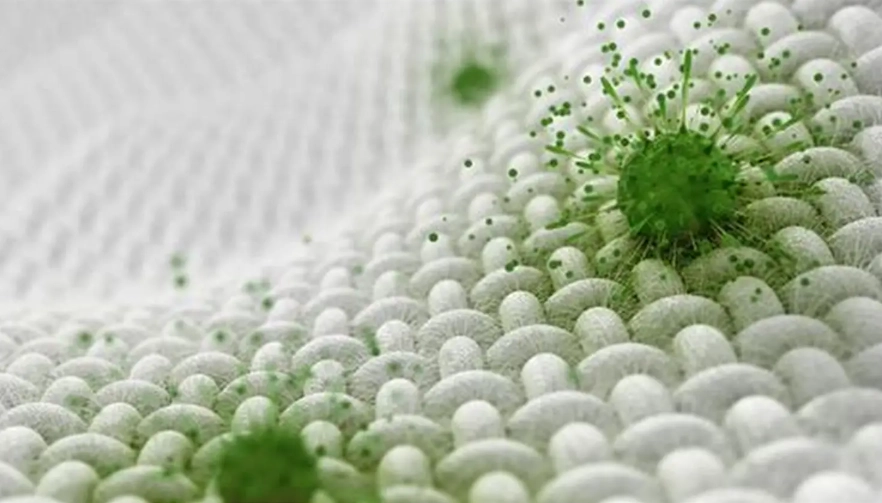
First, let's demystify pilling. It's not simply the fabric "wearing away." Pilling happens when loose, short fibers on the fabric's surface get tangled together through friction—from your body, other clothes, or the washing machine drum. These tangles form little balls or "pills" that are anchored to the fabric by stronger fibers underneath.
Think of it like a sweater. The fluffy fibers on top can rub off and knot up. The key factors are:
- Fiber Length: Long-staple fibers (longer threads) are harder to pull loose. Short fibers are pilling magnets.
- Fiber Strength: How easily does the fiber break? A strong fiber that stays intact resists pilling.
- Yarn Twist and Fabric Weave: Tightly twisted yarns and dense weaves lock fibers in place. Loose, soft constructions let them roam free.
This is where modal enters the picture. Modal fibers are exceptionally long and smooth by nature (it's a regenerated cellulose fiber, similar to lyocell/Tencel). This inherent length is a major point in its favor. However, to achieve that signature liquid-like drape and incredible softness, manufacturers often spin modal into fine, lightly twisted yarns and use loose knits or weaves. That softness you love? It sometimes comes at the cost of structural security for the individual fibers.
The Modal Pilling Truth: It's All About the Blend and Build
So, does modal fabric pill? Pure, 100% modal in a lightweight knit? Yes, it has a definite tendency to pill, especially in high-friction areas like underarms, shirt cuffs, and between the thighs on pajamas.
But here's the crucial part most articles miss: modal is rarely used alone. Its performance is dramatically altered by what it's blended with and how it's made.
Modal Blends That Resist Pilling
Smart blending is the secret weapon. A small percentage of a stronger fiber can anchor the modal without sacrificing much softness.
- Modal with Polyester (e.g., 60% Modal / 40% Polyester): Polyester adds tremendous tensile strength and abrasion resistance. This blend is common in activewear and socks for a reason—it holds up. The downside? You lose some breathability and that pure modal feel.
- Modal with Nylon (e.g., 90% Modal / 10% Nylon): A fantastic, often overlooked blend. Nylon is incredibly strong and elastic. Adding just 5-10% nylon to modal underwear or leggings can drastically reduce pilling and improve durability, as noted in textile engineering resources from institutions like Textile World.
- Modal with Cotton (e.g., 50/50 Blends): This creates a balanced fabric. Cotton fibers are shorter and will pill themselves, but the blend often results in a stable, medium-weight fabric that pills less than pure modal knits and is more breathable than synthetic blends.
Construction Matters More Than You Think
I once bought two modal t-shirts from different brands. One started pilling after three washes; the other is still smooth after two years. The difference? Yarn count and knit density. The durable shirt had a higher GSM (grams per square meter)—it was simply a heavier, denser fabric. The pilling shirt was feather-light and gauzy. When buying, check the weight. A modal jersey for bed sheets around 150-180 GSM will be more durable than a 100 GSM modal for a summer top.
How to Prevent Modal Fabric from Pilling: Care is 80% of the Battle
You have more control than you think. Aggressive laundering is the primary culprit for premature pilling in modal.
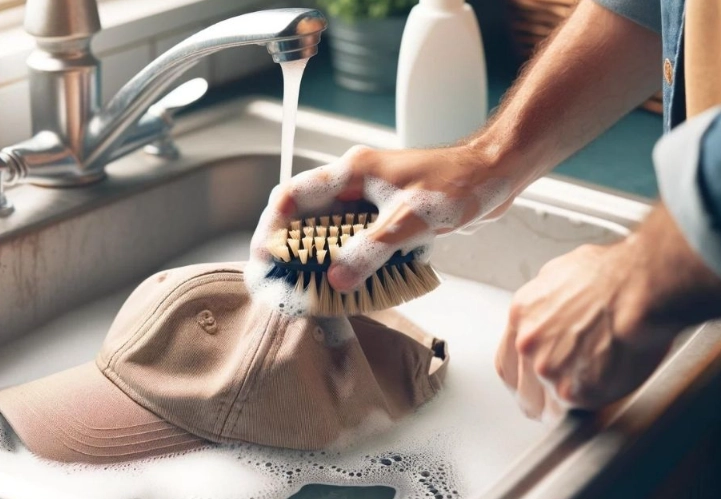
Washing: Always turn modal garments inside out. This protects the outer surface. Use the gentle/delicate cycle with cold water. Hot water weakens cellulose fibers. Avoid overloading the machine; clothes need room to move freely, not rub harshly against each other. Use a mild, liquid detergent. Powder detergents can sometimes not fully dissolve and act as abrasives.
Drying: This is the biggest make-or-break step. Never, ever tumble dry modal on high heat. The combination of heat, tension, and tumbling friction is a pilling factory. The absolute best method is to lay items flat or hang them to dry. If you must use a dryer, select the lowest heat setting or an air-only (no heat) cycle, and remove items while they are still slightly damp to minimize time in the drum.
Storing & Wearing: Avoid rough surfaces. Be mindful of bags with abrasive straps, rough-edged furniture, or seatbelts. For modal bed sheets, rotate them with other sets to extend their life.
Modal vs. Cotton, Bamboo & Polyester: The Pilling Showdown
Let's put modal in context. How does its pilling tendency stack up against other common fabrics?
| Fabric Type | Pilling Tendency | Why It Happens | Overall Durability Verdict |
|---|---|---|---|
| 100% Modal (Lightweight Knit) | Moderate to High | Long but fine fibers in loose constructions easily abrade and tangle. | Low durability if care is poor. Luxuriously soft but delicate. |
| 100% Cotton (Combed/Pima) | Low to Moderate | Shorter staple fibers can pill, but sturdy weaves/knits resist it well. | High durability. Gets softer with washes but can wear thin evenly. |
| Polyester | Very High (for standard types) | Strong fibers don't break, but loose ends curl into stubborn, hard pills. | High abrasion resistance, but pills are visually obvious and hard to remove. |
| Bamboo Viscose/Rayon | Moderate to High | Similar to modal but often with shorter fibers and less consistent quality. | Generally lower durability than modal. Can lose strength when wet. |
| Modal Blend (e.g., with 10% Nylon) | Low | Strong nylon fibers anchor the modal, preventing loose ends from migrating. | Excellent durability. The sweet spot for softness and long-term wear. |
| Linen | Very Low | Extremely long, strong flax fibers and typically loose weaves. Fibers break, not tangle. | Exceptionally durable, though it wrinkles and softens with age. |
The takeaway? Pure modal is more pill-prone than good quality cotton but often less than polyester. Its real advantage is in blended forms, where it outperforms many peers by combining durability with softness.
Buying Tips: How to Spot Modal That Won't Pill Easily
Before you click "add to cart," look for these signs of a well-made, pill-resistant modal item.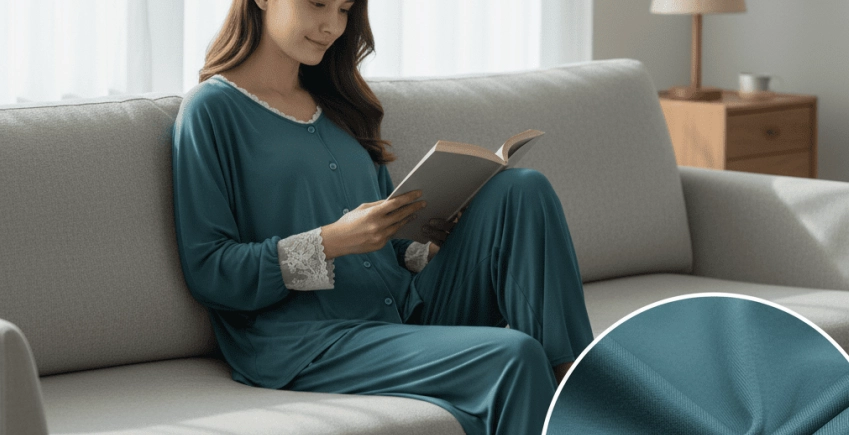
1. Check the Blend. Favor items blended with a small percentage of nylon, polyester, or spandex for stretch items. A 95% Modal / 5% Spandex blend for leggings is better than 100% modal.
2. Feel the Weight and Density. Heavier, tighter fabrics last longer. For sheets, a percale or sateen weave of modal-cotton will pill less than a flimsy jersey knit.
3. Research the Brand's Reputation. Brands specializing in bedding or basics (like Pact, Boll & Branch, or high-end department store labels) often use better constructions than fast-fashion retailers selling modal at rock-bottom prices. You're paying for the engineering.
4. Read Care Labels in Advance. If the label says "tumble dry low," it's likely designed with more durability in mind than one that says "lay flat to dry." The latter is often a sign of a more delicate, pill-prone construction.
5. Look for "Brushed" Finishes with Caution. A brushed modal feels incredibly soft but raises the fibers, making them more susceptible to pilling. It's a trade-off.
Your Top Modal Pilling Questions, Answered
 Does pilling mean the modal item is ruined?
The bottom line on modal and pilling? It's a fabric that asks for a little partnership. Understand that its legendary softness can come with a fragility that demands gentle care. Choose blended, well-constructed pieces for high-friction uses, and treat them kindly in the laundry. Do that, and your modal favorites will reward you with lasting comfort, no fuzzy pills in sight.