You're holding a silk scarf. It feels cool, impossibly light, and has that subtle sheen. Ever stop and think, how does this even exist? It's not woven from cotton plants or spun from sheep's wool. It comes from a caterpillar. The process of how silk is made is one of the oldest and most fascinating stories in textiles, blending biology, ancient craft, and modern technology. Let's trace that journey, step by step, and uncover what really makes silk so special (and sometimes, so expensive).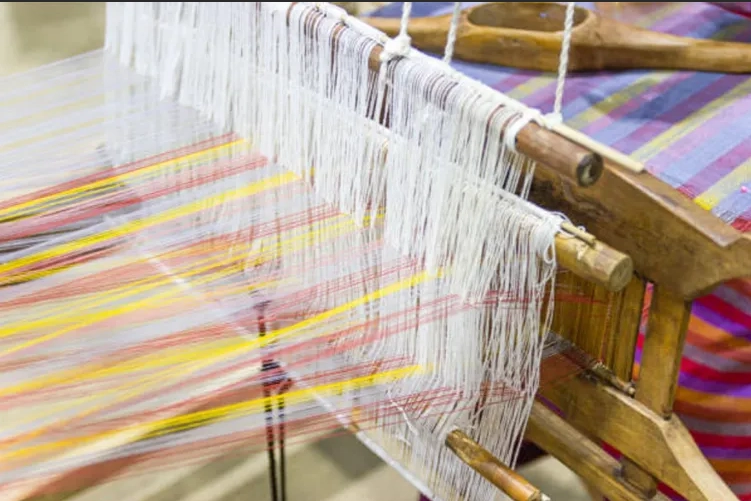
Step 1: The Art of Sericulture (Raising Silkworms)
It all starts with the Bombyx mori moth. After thousands of years of domestication, this creature can no longer survive in the wild. Its sole purpose? To eat mulberry leaves and spin a perfect cocoon. The entire cultivation process is called sericulture.
First, you need eggs. These are incubated in controlled environments until they hatch into tiny, hungry larvae. And when I say hungry, I mean it. A silkworm's life for the next 25-28 days is a cycle of eating and growing. They will consume mulberry leaves exclusively – the quality of these leaves directly impacts the final silk. I visited a small farm in Thailand where the farmer could tell the health of his worms just by the sound of their munching. A steady, rustling chorus meant all was well.
They molt four times, growing significantly with each stage. The environment is critical: too humid, they get sick; too dry, they can't spin. It's a fragile, labor-intensive nursery. By the end, a single worm will have increased its body weight by about 10,000 times. Then, it gets the urge to spin.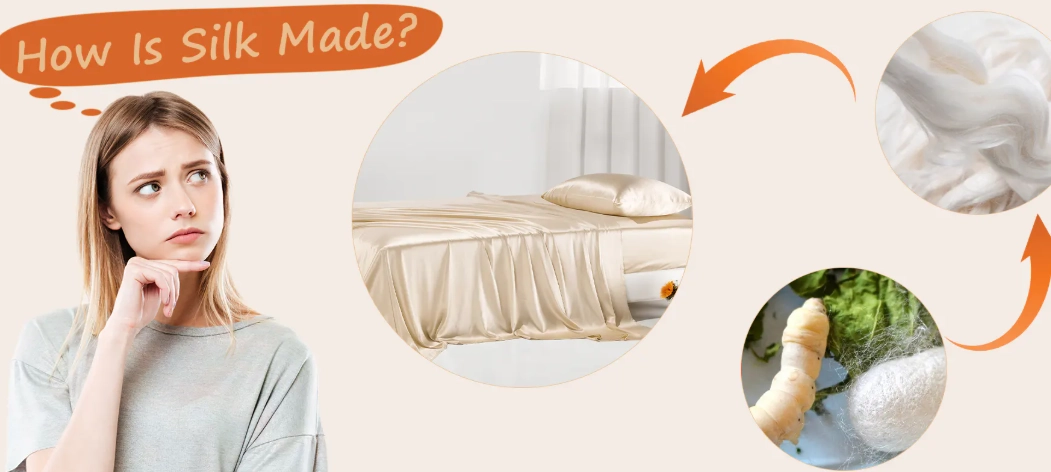
Mulberry Matters: Not all mulberry leaves are equal. The finest silks, like those used for premium habotai or charmeuse, often come from worms fed on specific, tender young leaves. This is a detail mass-market guides often miss.
Step 2: Harvesting the Cocoon
When ready, the silkworm finds a support frame (provided by the farmer) and begins secreting a liquid protein from two glands in its head. This liquid hardens on contact with air, forming the twin filaments of fibroin, bound together by a gum called sericin. The worm moves its head in a figure-eight pattern for 2-3 days, enveloping itself in a single, continuous strand that can be 300 to 900 meters long.
Here's the uncomfortable part most people gloss over. To harvest the silk thread intact, the pupa inside the cocoon must be killed before it matures and breaks out. Traditionally, this is done by steaming or baking the cocoons. This step is central to the ethical debate around conventional silk (more on that later).
The timing is everything. Leave it too late, and the moth emerges, severing the long, continuous filament into short, broken staples only suitable for spun silk (a different, less lustrous product).
Step 3: Silk Reeling – The Crucial Thread Extraction
This is where the magic of a single thread happens. The harvested cocoons are soaked in hot water. This serves two purposes: it softens the sericin gum, and it kills any remaining pupa. The hot water bath loosens the end of the filament.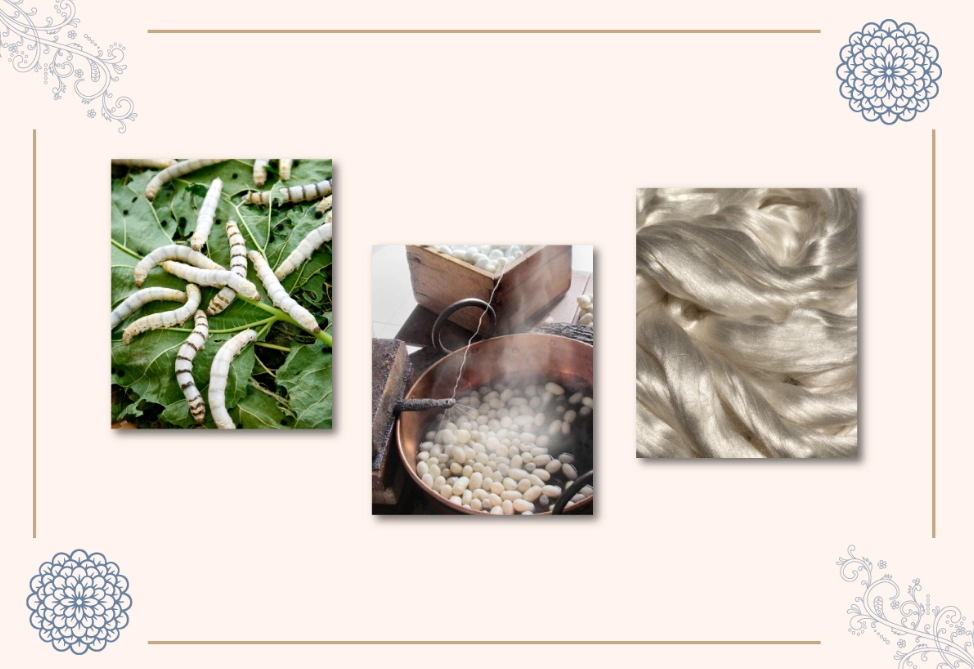
A reeler then finds the ends of several cocoons – usually 4 to 8, but it can go up to 20 for thicker yarns – and twists them together. As the threads are drawn up and wound onto a wheel, the sericin acts as a natural glue, bonding them into a single, robust strand. This is raw silk or reeled silk.
The skill here is immense. The water temperature must be perfect. Draw too fast, and the thread breaks; too slow, and it gums up. The resulting yarn is called silk throwsters' yarn. What we often call "raw silk" in fabric stores, with its nubby texture, is actually noil – the short waste fibers from the inner parts of the cocoon or broken threads, spun together like cotton.
The Degumming Process
That raw silk yarn is still about 20-30% sericin gum, which makes it dull and stiff. To get the lustrous, soft silk we recognize, it undergoes degumming. The skeins are washed in a mild, hot soap solution, which removes most of the sericin. The weight loss is significant, which is part of why pure silk is costly. The wastewater from this process? It's rich in proteins and sometimes even used in cosmetics.
Step 4: Weaving the Raw Silk into Fabric
Now we have beautiful, shiny yarn. Next stop: the loom. How the yarn is woven defines the character of the final fabric. This is where terms you see on labels come to life.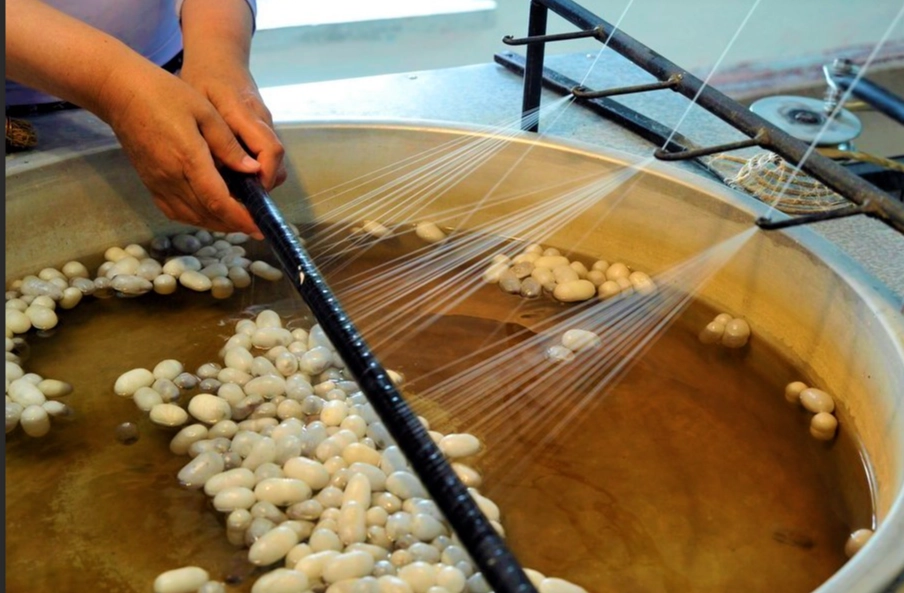
| Weave Type | How It's Made | Resulting Fabric & Common Uses |
|---|---|---|
| Plain Weave (Habotai/China Silk) | One thread over, one under. The simplest, most balanced weave. | Lightweight, slightly crisp, with a subtle sheen. Used for linings, scarves, and lightweight blouses. |
| Twill Weave | Creates a diagonal rib pattern by passing the weft over multiple warps. | Durable, drapes well, resists wrinkles. Think silk shantung or some suit fabrics. |
| Satin Weave | Warps "float" over multiple wefts, minimizing interlace points on the fabric face. | That iconic, glossy front and dull back. Charmeuse is a classic satin weave silk. Luxurious for lingerie, evening wear. |
| Crepe Weave | Uses highly twisted yarns woven in a specific pattern. | That pebbly, textured surface with great drape. Crepe de Chine and georgette are examples. |
After weaving, the fabric may be dyed, printed, or finished with treatments for wrinkle resistance or a peach-skin feel. A common mistake is assuming all shiny silk is "satin." Satin is a weave; silk is a fiber. You can have silk satin, but you can also have polyester satin.
What Determines Silk Quality? It's Not Just Thread Count
When you're buying silk, forget thread count. Look for momme weight (pronounced "mummy"). It's the weight in pounds of a piece of fabric 45 inches wide and 100 yards long. Heavier momme means more silk threads per square inch, leading to a more durable, opaque, and luxurious drape.
- 8-12 momme: Lightweight, for scarves and linings.
- 16-19 momme: Medium weight, ideal for blouses, dresses, and pajamas.
- 22-30+ momme: Heavyweight, used for upholstery, ties, and high-end garments.
The origin matters too. Chinese silk, Indian silk (like famous Banarasi), and Italian silk each have different characteristics due to local sericulture practices, worm breeds, and weaving traditions.
Distinguishing Real Silk from Fakes
Here’s a practical tip you won't find on every label: the burn test. Snip a tiny thread (from an inside seam). Real silk burns slowly, smells like burning hair, and leaves a crushable, black ash. Synthetic fibers melt, smell like plastic, and form a hard bead. The hand-feel is also a giveaway. Real silk is warm to the touch, while polyester often feels cool and slick.
The Modern Twist: Sustainability and Ethical Questions
Traditional silk production isn't without controversy. The killing of the pupa leads many to seek alternatives. This is where Ahimsa silk or Peace silk comes in. The moth is allowed to emerge naturally. The trade-off? The broken cocoons yield only short-staple, spun silk, which is less shiny and often more textured. It's a different product, not a "better" version of conventional silk, but an ethical choice.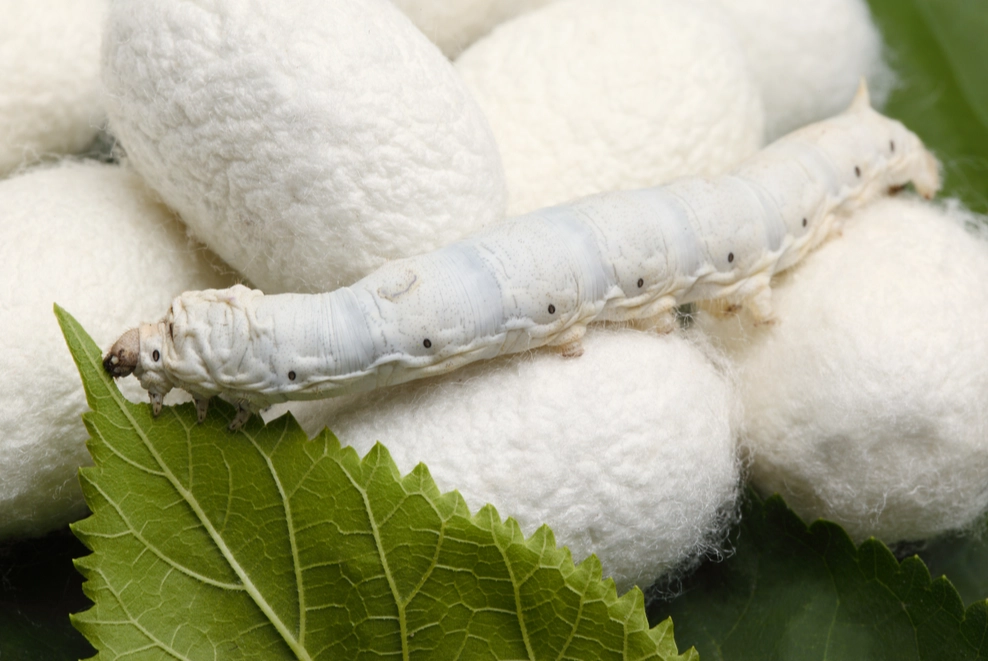
There's also a push for more sustainable mulberry farming (organic, less water-intensive) and closed-loop dyeing systems to reduce chemical runoff. As a buyer, the most impactful thing you can do is buy less, but buy better quality that lasts for decades.
 So, the next time you feel that smooth, cool texture, you'll know the incredible journey it represents. It's not just fabric; it's a testament to an ancient partnership between humans and nature, refined over millennia. Understanding how silk is made doesn't diminish its luxury—it deepens your appreciation for it.