We see the ads every day. New styles, every week. Unbeatable prices. It’s tempting, I get it. I used to be that person, filling my cart with five tops for the price of one. But a few years ago, I started digging into what happens after the thrill of the purchase wears off. The reality of fast fashion’s environmental footprint isn’t just bad—it’s a systemic crisis hidden in plain sight, woven into the very fabric of our consumption habits. It’s not just about “waste.” It’s a chain reaction of pollution, resource depletion, and social cost that begins long before a garment hits the sales rack.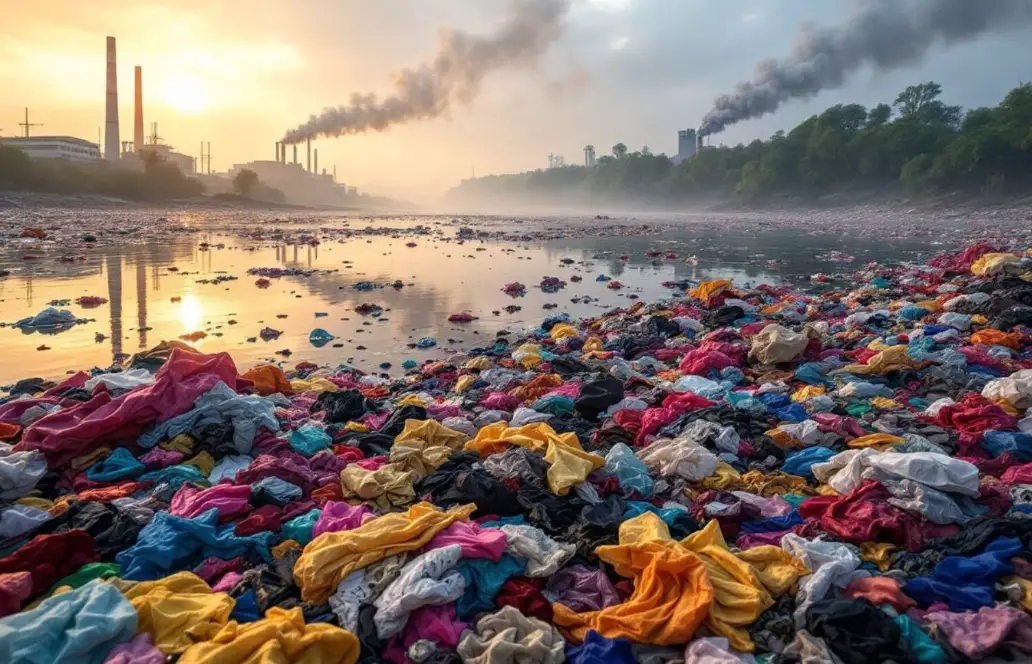
What You’ll Discover in This Guide
What Exactly is the Environmental Impact of Fast Fashion?
Let’s move past the buzzwords. The problem with fast fashion is its speed and volume. To pump out thousands of new designs a year at rock-bottom prices, corners are cut at every stage. The environmental damage isn’t one thing; it’s a perfect storm of three interconnected disasters.
The Water Footprint: More Than Just a Lot of Laundry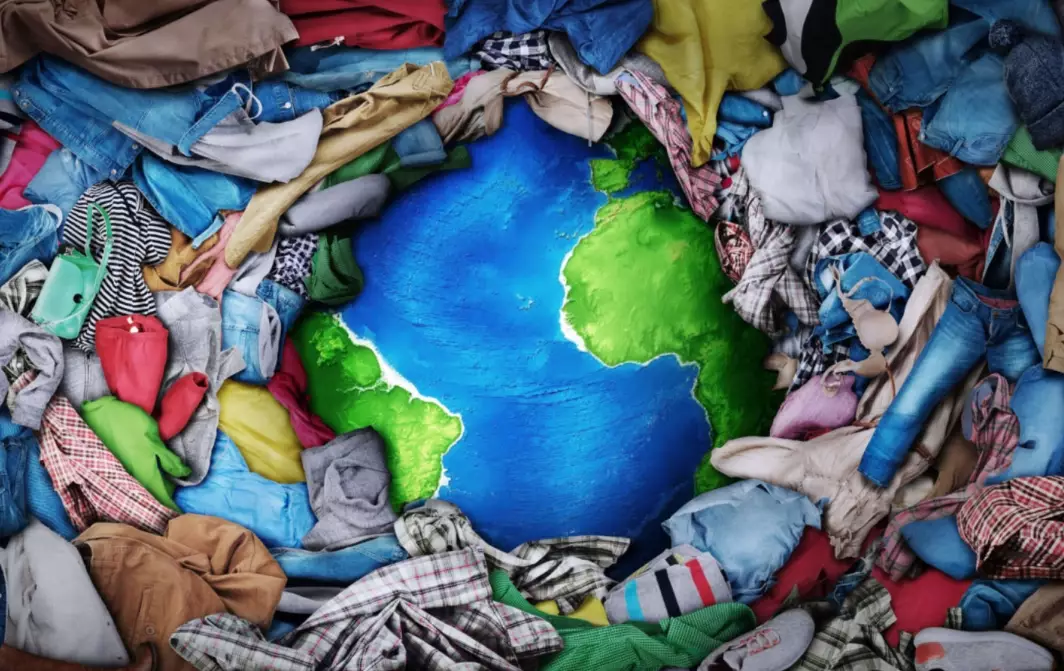
We talk about saving water by taking shorter showers, but the fashion industry is the second-largest consumer of water globally. Producing a single cotton t-shirt can use about 2,700 liters of water—that’s roughly what one person drinks in 2.5 years. But the bigger scandal is pollution.
I’ve seen photos of rivers in major manufacturing countries running blue one day, red the next, depending on the dyes being dumped. These synthetic dyes, along with toxic chemicals like formaldehyde and chlorine, often flow untreated into waterways. A report by the Ellen MacArthur Foundation highlights that textile dyeing is responsible for 20% of global industrial water pollution. This isn’t a distant problem. It contaminates drinking water, kills aquatic life, and renders farmland toxic for communities that depend on these rivers. The UN Environment Programme has documented cases where local populations suffer from skin diseases and cancers linked to this pollution. When you buy that $5 neon top, you’re indirectly funding that chemical runoff.
The Waste Mountain: From Landfill to Incinerator
This is the part you might already know, but the scale will shock you. The business model relies on you buying more, wearing it less, and throwing it away quickly. The stats are brutal:
| Problem | The Scale | Consequence |
|---|---|---|
| Clothing Discarded | A garbage truck full of textiles is landfilled or burned every second globally. | Methane emissions from decomposing natural fibers; toxic fumes from burning synthetics. |
| Polyester & Microfibers | ~60% of our clothes are now made from plastic-based fibers like polyester. | Every wash releases microplastics into oceans, entering the food chain. A single load can release 700,000 fibers. |
| Recycling Failure | Less than 1% of material used to produce clothing is recycled into new clothing. | Most "donated" clothes end up shipped to developing nations, overwhelming their local markets and landfills. |
The “donate and feel good” cycle is largely a myth. I’ve volunteered at sorting facilities. The sheer volume is overwhelming. Only the highest quality items get a second life locally. The rest is baled and sold overseas, often ending up as environmental waste in countries like Ghana or Chile, as documented by journalists and NGOs. That floral dress you wore twice might be clogging a riverbank in Accra right now.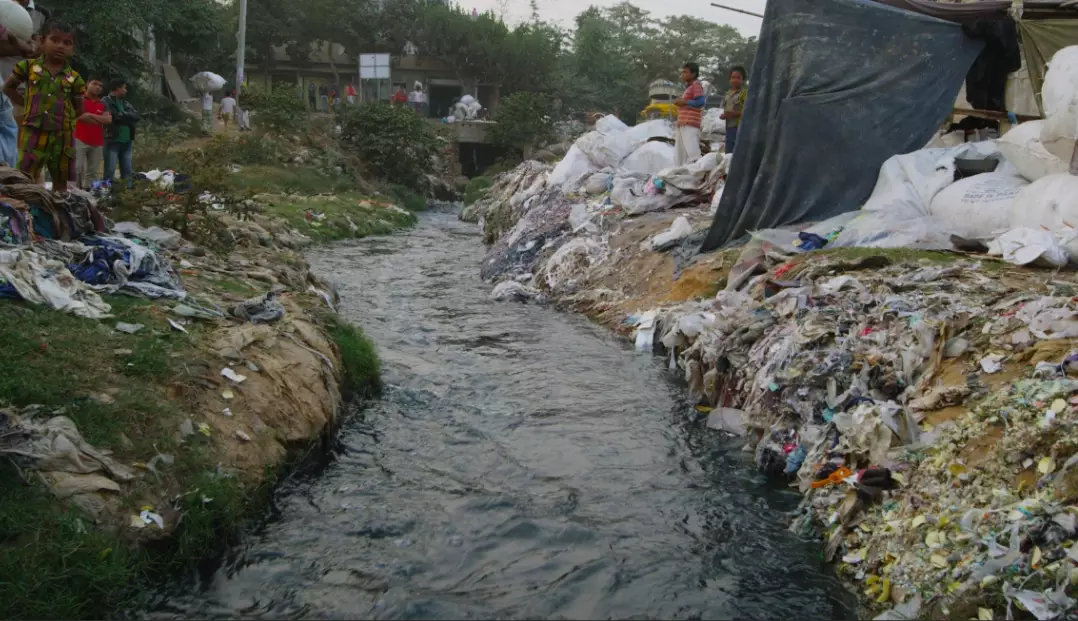
The Carbon Cost: Your Wardrobe’s Invisible Cloud
If the fashion industry were a country, its greenhouse gas emissions would rank nearly in the top five globally, ahead of all international flights and maritime shipping combined. How?
It starts with energy-intensive production of synthetic fibers (made from fossil fuels). Then there’s global shipping—fabrics might be woven in one country, dyed in another, sewn in a third, and sold in a fourth. That’s a lot of cargo ships and planes. Finally, there’s the consumer phase: frequent washing, tumble drying, and ironing of cheap, synthetic clothes uses huge amounts of energy and water.
The Insider’s View: A major misconception is that online fast fashion is “greener” because it skips the physical store. In reality, the logistics of millions of individual, expedited packages, plus a high rate of returns (where many items are simply discarded), often creates a larger carbon footprint than traditional retail. The convenience has a hidden climate tax.
How Can We Move Towards a More Sustainable Wardrobe?
Feeling overwhelmed is normal. The goal isn’t perfection; it’s meaningful progress. You don’t need to throw out your entire closet. Start by shifting your mindset from volume to value.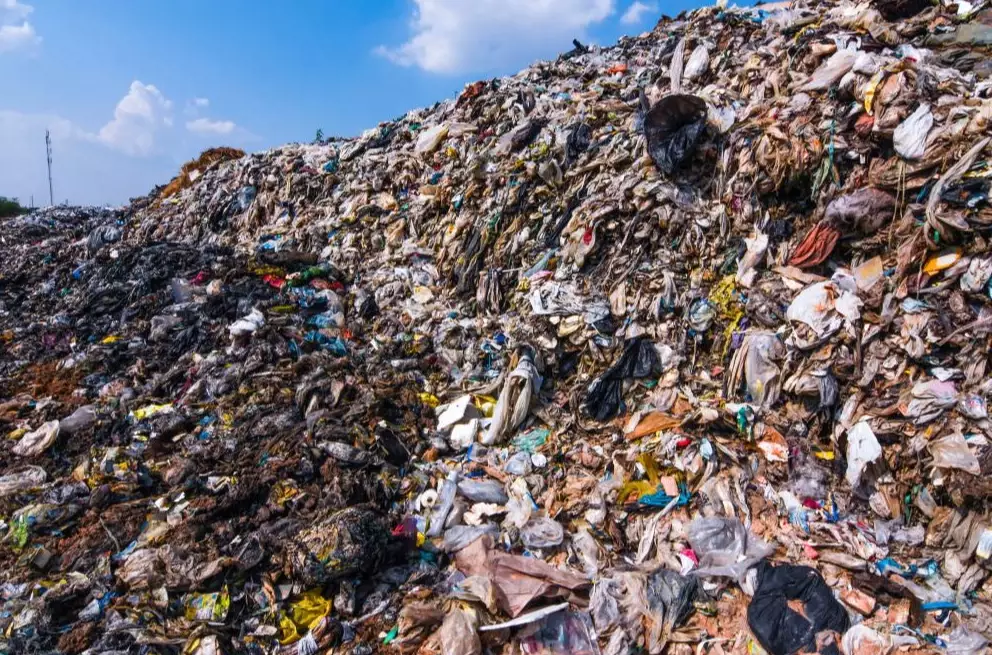
Step 1: Audit and Love What You Have
Before you buy anything new, get real with what’s already there. I did a “wear everything” challenge for a month. It was eye-opening. About 30% of my clothes I never touched.
- Repair: A missing button or a small seam tear is a 10-minute fix. Learning basic mending extends a garment’s life exponentially.
- Re-style: Challenge yourself to create new outfits from existing pieces. You’ll be surprised.
- Care Properly: Wash clothes less often, in cold water, and air-dry when possible. It reduces microplastic shedding and energy use.
Step 2: Change How You Shop
When you do need something, use this hierarchy. Think of it as an “acquisition filter.”
First, buy secondhand. Thrift stores, consignment shops, and online platforms like Depop or ThredUp. This is the single most effective action. You’re giving a garment a new life with zero new resources. The thrill of the hunt is real, and you often find higher quality, unique pieces.
Second, rent or borrow. For special occasions like weddings, use a rental service. It makes financial and ecological sense.
Third, buy new, but make it count. This is where you need to be a detective.
- Material Matters: Prioritize natural, biodegradable fibers like organic cotton, linen, hemp, lyocell (Tencel), or recycled materials. Avoid polyester, nylon, and acrylic when you can.
- Brand Transparency: Look beyond marketing words like “eco.” Check if the brand publishes a detailed sustainability report, lists its factories, and has certifications like GOTS (Global Organic Textile Standard) or B Corp.
- Quality Over Quantity: Save up for one well-made, timeless piece instead of five trendy ones. Check seams, fabric weight, and stitching. Will this last 30 washes, or 3?
I made the switch to buying mostly secondhand and investing in 2-3 high-quality staples a year. My wallet and my conscience are both healthier. My closet is smaller, but I actually wear everything in it.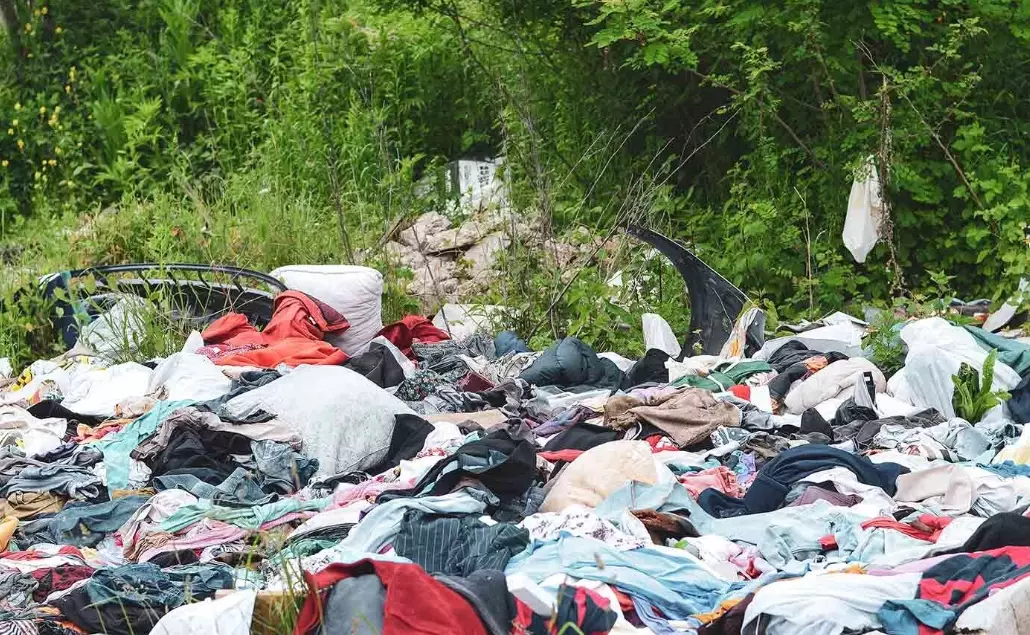
Your Fast Fashion Questions, Honestly Answered
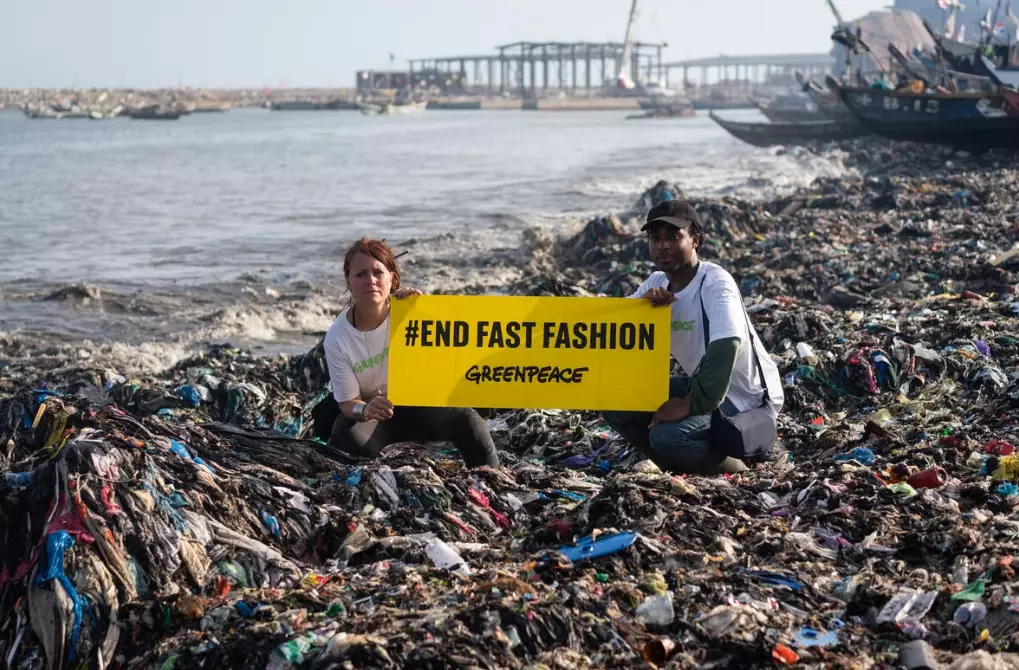 The environmental impact of fast fashion is a complex web, but our power to change it is simple. It lies in our daily choices. It’s choosing repair over replacement, quality over quantity, and pre-loved over brand-new. It’s about breaking the cycle of mindless consumption and rediscovering the value in what we already own. The goal isn’t a guilt trip; it’s an invitation to a more thoughtful, intentional, and ultimately more satisfying relationship with our clothes. The planet’s wardrobe depends on it.