If you've ever owned a pair of heavy-duty work mittens, a sturdy winter hat that seems indestructible, or a beautiful nuno felted scarf with a unique texture, you've encountered felted wool fabric. It's not your average wool. It's denser, sturdier, and often misunderstood. Most guides tell you it's just matted fibers, but they miss the crucial details about why that matters for your projects. I've been working with wool for over a decade, and I've seen too many crafters ruin good wool or choose the wrong type for a job. Let's cut through the fluff and get into what makes this material special, how it's really made, and the projects where it truly shines (and where it doesn't).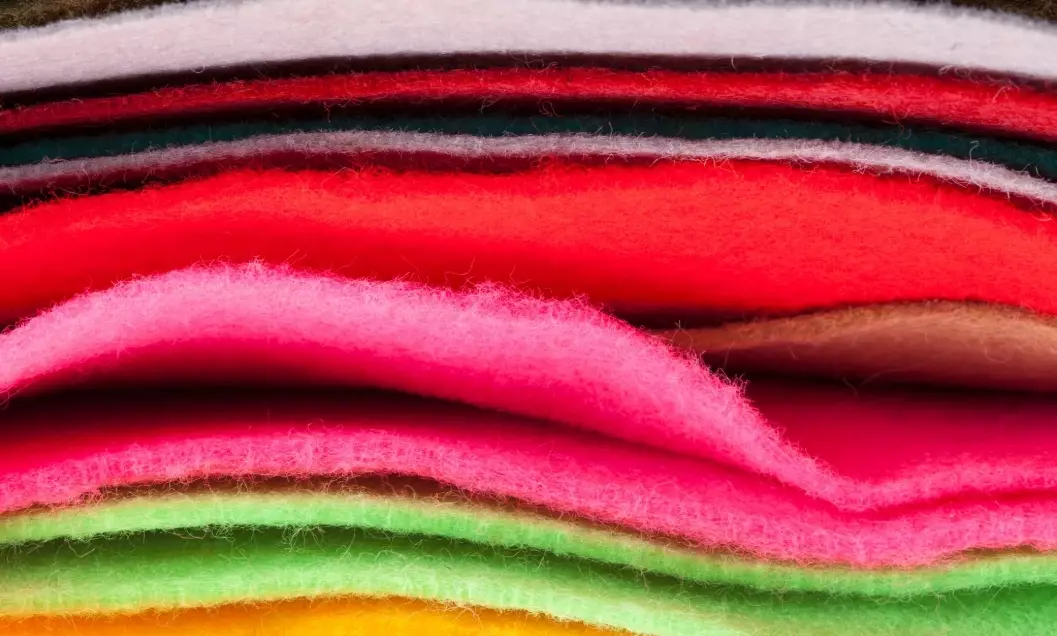
Quick Navigation: What You'll Learn
What Exactly is Felted Wool Fabric?
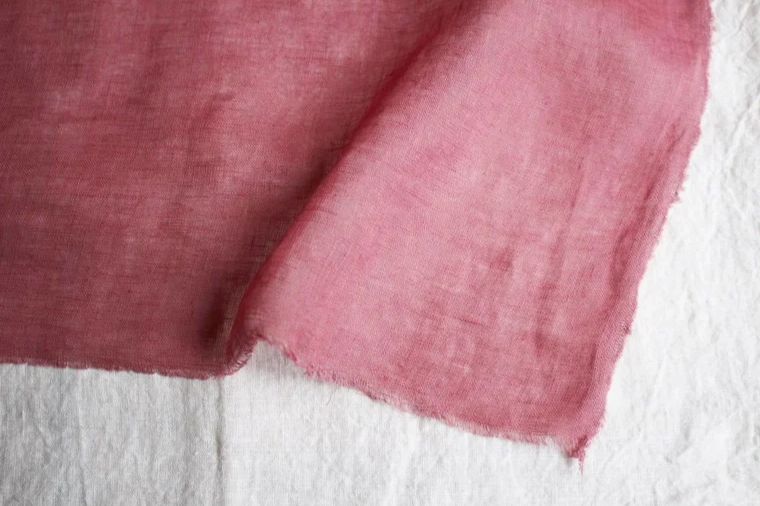
At its core, felted wool is a non-woven textile. Unlike knitted or woven fabrics where yarns are looped or interlaced, felted wool is created by entangling and condensing raw wool fibers directly into a solid mass. This process, called fulling or felting, uses heat, moisture, and agitation to make the microscopic scales on wool fibers hook together permanently.
The result is a fabric with zero grain. It doesn't fray when cut, which is a huge win for sewers. It's also incredibly dense and insulating. Think of it as nature's version of pressed fiberboard, but soft and warm.
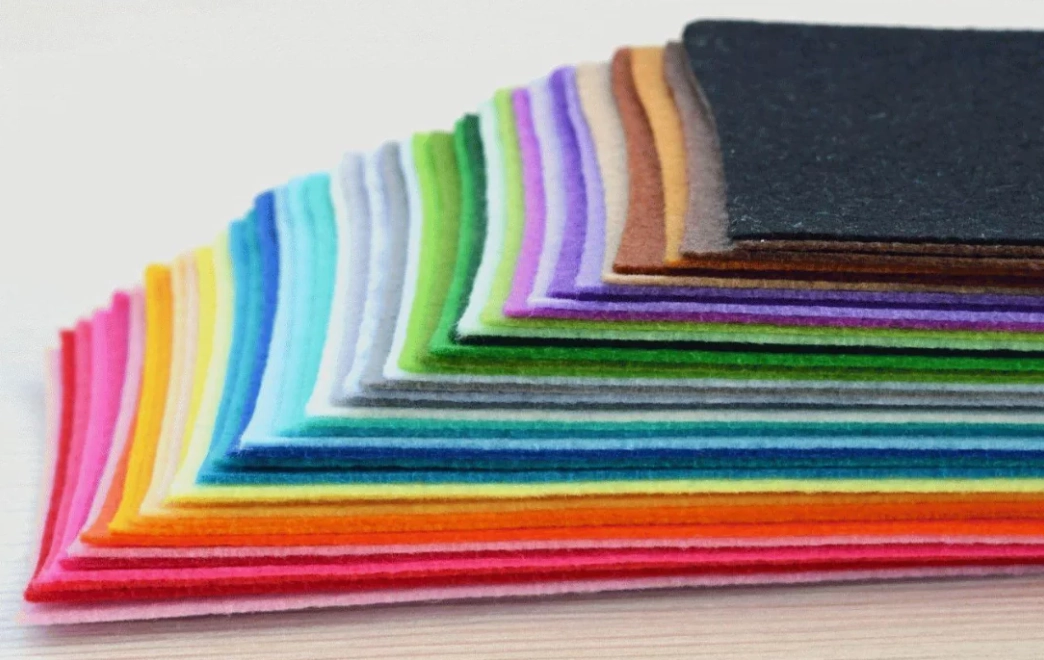
Here's the bit most blogs don't tell you: Not all "felt" you buy at craft stores is true wool felt. A lot of it is acrylic or rayon felt, which is cheaper but lacks wool's natural resilience, warmth, and biodegradability. True felted wool fabric has a heft and substance to it that synthetic imitations can't match.
How the Wool Felting Process Actually Works
Understanding how it's made helps you understand how to use it. There are two primary methods, and they produce fabrics with different characters.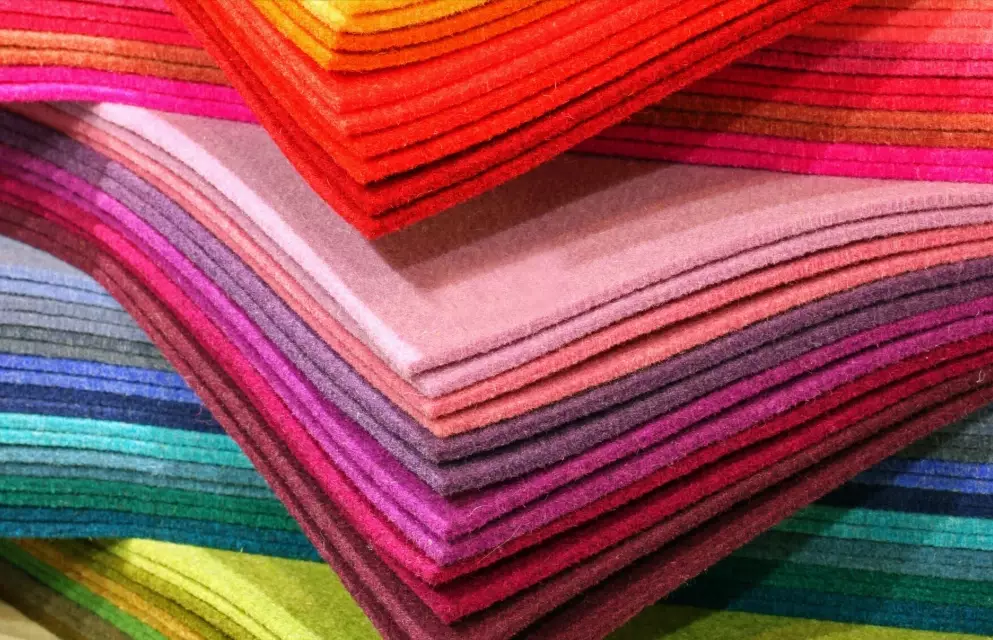
Wet Felting: The Ancient, Hands-On Method
This is the traditional way, and it's surprisingly accessible. You lay out layers of carded wool roving, add hot, soapy water, and then roll, rub, and agitate it for what feels like forever. The soap reduces friction, and the agitation locks the fibers. I remember my first wet felting project—a wonky coaster. I didn't agitate it evenly, and one corner remained fluffy while the rest was a tight mat. The lesson? Consistency in pressure is everything.
Wet felting is great for creating seamless, thick pieces like bags, slippers, or wall hangings. You can also incorporate other fibers (silk, yarn) in a technique called nuno felting, which creates lightweight, textured fabrics perfect for scarves.
Needle Felting: Precision and Sculpture
This uses barbed needles to repeatedly poke and tangle dry wool fibers together. It's less about making large sheets of fabric and more about sculpting 3D shapes (like adorable animals) or adding decorative details to an existing felted or woven background. The fabric created is often very dense in the worked area but can be uneven.
A common mistake I see: Beginners use a needle that's too fine for the core wool, leading to endless poking and frustration. Start with a coarse needle (like a 36-gauge) to build the shape fast, then refine with finer needles.
Industrial Fulling (aka Milling)
This is how most commercial felted wool fabric is made. Woven or knitted wool fabric is subjected to controlled heat, moisture, and mechanical pounding in large milling machines. This process shrinks and thickens the fabric, closing the gaps between the yarns. That's how you get that classic dense melton wool used in military peacoats or loden cloth. The key here is it starts as a woven structure that is then felted, giving it a hybrid strength.
Key Properties: Why Felted Wool Behaves Differently
Knowing these traits will help you decide if it's right for your project. Let's compare it to a standard woven wool fabric.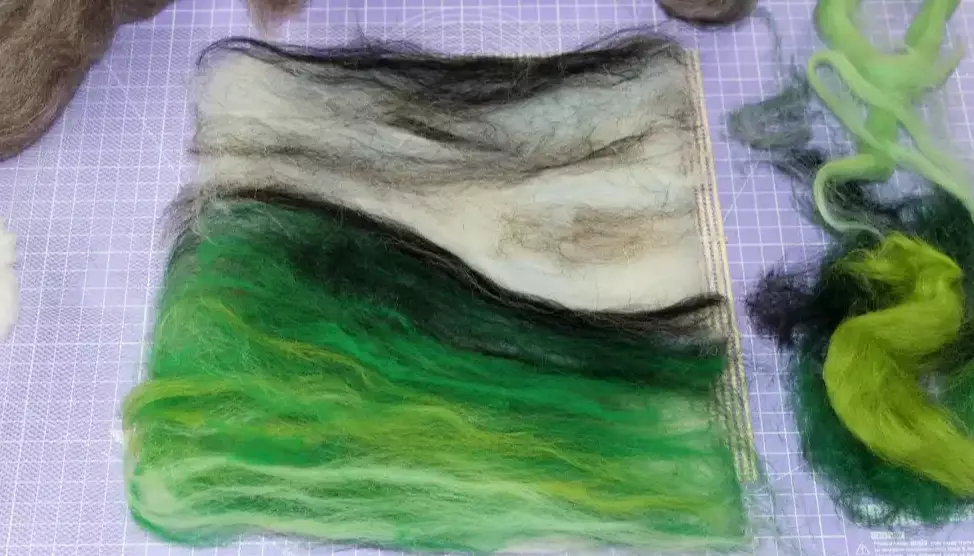
| Property | Felted Wool Fabric | Standard Woven Wool (e.g., Tweed) |
|---|---|---|
| Structure | Non-woven, matted fibers | Woven, interlaced yarns |
| Edge Finishing | Does not fray. Can be cut cleanly. | Frays heavily. Requires hemming or serging. |
| Stretch & Drape | Very little stretch. Stiff drape, holds shape. | Some give along the bias. Softer, fluid drape. |
| Warmth & Wind Resistance | Excellent. Dense structure traps heat and blocks wind. | Good, but wind can pass through weave gaps. |
| Water & Stain Resistance | Good (wool's natural lanolin & dense surface). | Moderate. |
| Sewing | Easy to cut, but layers can be bulky to sew. | Standard sewing, must finish seams. |
| Weakness | Can tear if pulled forcefully. Stiffness limits garment types. | More resistant to tearing, but can develop holes at stress points. |
The non-fraying quality is its superpower for crafters. You can make intricate appliqués, punch needle into it, or create clean-lined bags without sergers.
Best Projects for Felted Wool Fabric
Its properties make it a star in specific areas. Don't try to make a flowy summer dress from it—you'll be disappointed. Use it where its strengths are needed.
Apparel for Extreme Conditions: This is its historical home. Think felted wool jackets (like the traditional loden coat), heavy-duty mittens, insulated hats, and rugged boot liners. The fabric is wind-resistant and retains heat even when wet, a claim supported by research from organizations like the International Wool Textile Organisation.
Durable Home & Accessories:
Slippers are a classic. The density provides cushioning and the felt molds to your foot. Handbags and totes hold their shape beautifully without needing interfacing. I made a market tote five years ago that's still my go-it. It's developed a nice patina. Coasters, trivets, and table runners are perfect beginner projects—they use small pieces and the heat resistance is great.
Crafting & Embellishment: As a base for embroidery or punch needle, it's unbeatable. The solid fabric provides great resistance for the needle, and the back stays neat. It's also the go-to material for DIY ornaments, doll-making, and stuffed animals because you don't have to turn seams.
One area I'm skeptical about: Upholstery. While it's durable, pure felted wool can be prone to abrasion and pilling on high-friction areas like seat cushions. A blended fabric or a very heavy industrial felt works better.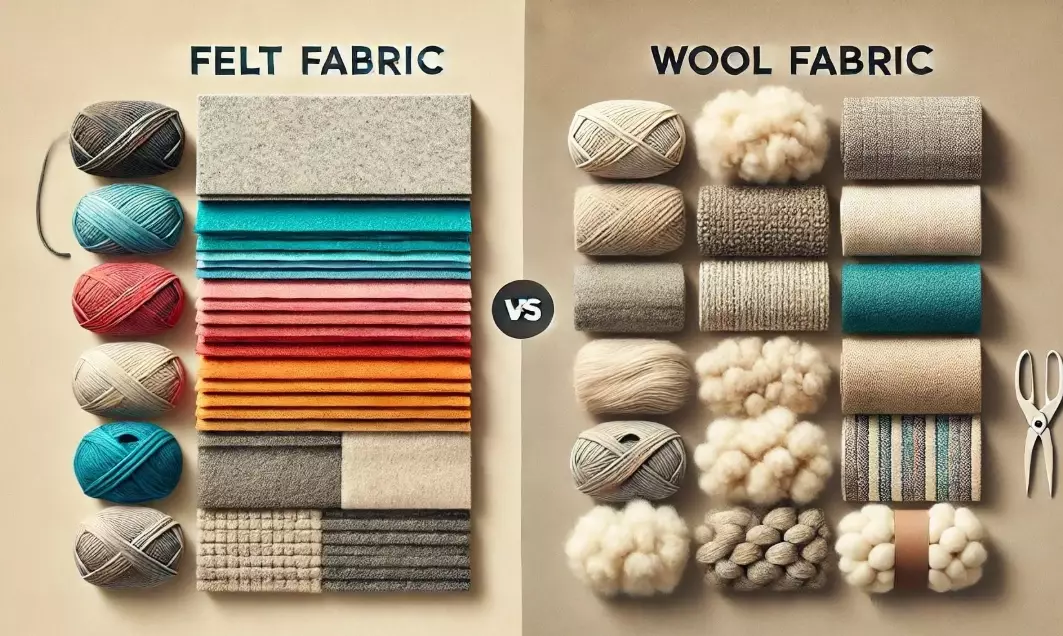
Your Felted Wool Questions Answered
 What's the difference between craft store felt and real wool felt for serious projects?